Storage Trunk Table Buying Guide for Your Living Room

The remotes are on the tabletop, blankets are spilling onto the sofa, and a stack of board games has claimed the floor. The coffee table still looks attractive, but it isn't helping the room work any better. A storage trunk table can change that arrangement by giving everyday clutter a proper home while keeping a sturdy surface available for drinks, books, lamps, and family game night.
For homeowners furnishing an apartment, condo, first family room, or smaller home, that combination matters. A well-built trunk table isn't just decoration. It acts as low-profile living-room infrastructure, combining a table, chest, and occasional ottoman in one footprint. The difference between a piece worth keeping for decades and one that starts wobbling after a few seasons comes down to the lid, box, hardware, joinery, and published capacity.
Why a Storage Trunk Table Earns Its Spot in the Living Room
A plain coffee table offers one useful plane. A storage trunk table offers that plane plus an enclosed cavity that hides the things a living room uses every day. Blankets can go inside after movie night, toys can disappear before guests arrive, and electronics or games can stay close without remaining on display.
That makes the piece especially useful in a room where every square foot has to earn its keep. BILTRITE's guidance on space-saving furniture ideas reflects a practical truth: smaller homes need furniture that performs more than one job without making the room feel crowded.
One footprint, several jobs
A family might use the trunk as a coffee table during the day, an ottoman for tired feet in the evening, and a blanket chest when the room needs a quick reset. An apartment dweller may store extra throws, chargers, and reading material inside rather than adding another cabinet. Someone furnishing a first home can get useful storage without filling the room with separate bins.
The top still needs to carry real household loads. A lamp, tray, books, or a child leaning briefly against the edge all put stress on the lid and supporting chassis. The internal box faces a different problem, because stored items can push against the sidewalls and cause the structure to rack if the corners aren't well reinforced.
Practical rule: A trunk table should hide clutter, not hide its construction. Buyers should be able to identify how the lid is supported, how the corners are joined, and what the top can safely carry.
The category has a long furniture history. Storage trunks have been documented for roughly 3,000 years, and Egyptian examples show early wooden chests and boxes using carving, metalwork, and decorative finishes. The first American trunks appeared by the late 17th century, while makers added brass tacks, handles, and locks in the 18th century, a progression from basic storage toward multifunctional furniture that later informed trunk tables. This historical overview of storage trunk tables places today's living-room version in a much longer tradition.
What a Storage Trunk Table Actually Is
A storage trunk table combines a load-bearing tabletop with an enclosed storage box. The lid usually lifts on hinges, while some trunk-style pieces use a front door or drawers. For a small home, that makes the piece part of the room's infrastructure. It must support daily household use, contain shifting contents, and stay square over years of opening, closing, and repositioning.
Start with the parts that determine service life:
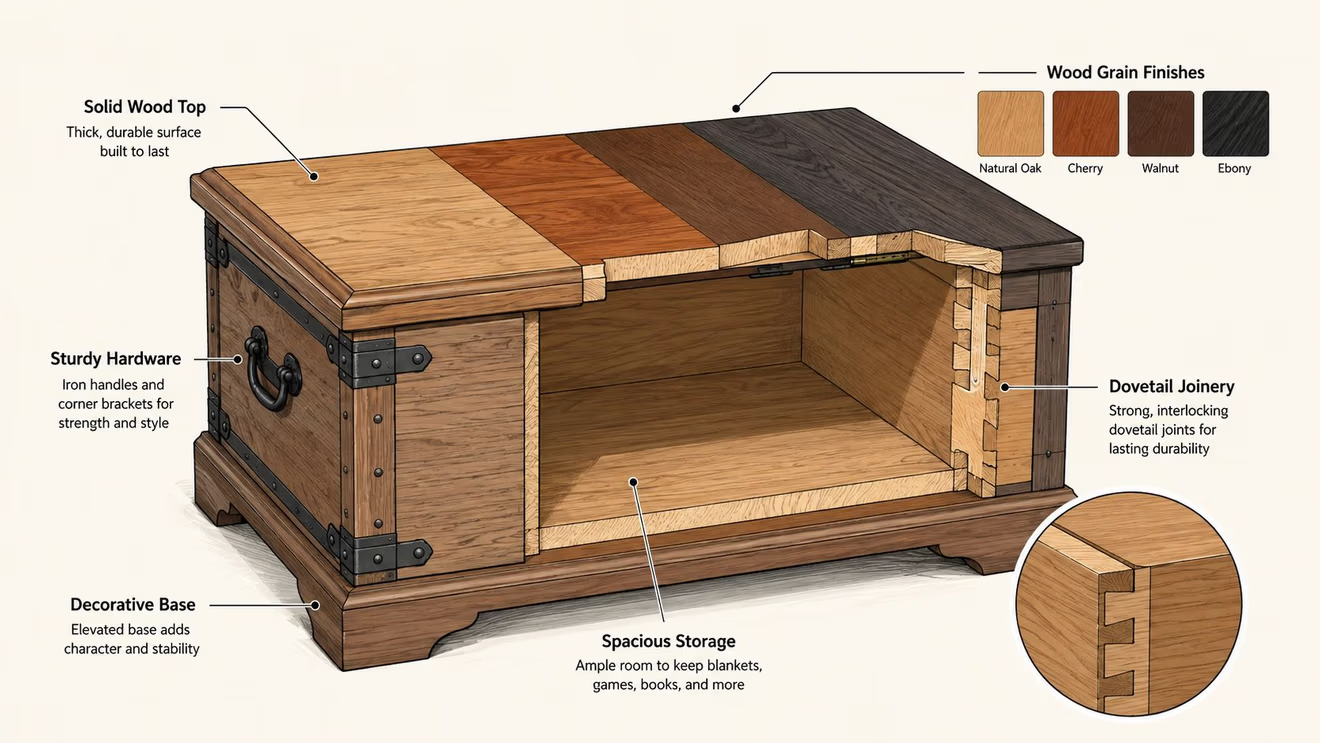
- Lid: Thickness, edge framing, and underside support control flex under lamps, trays, books, and other household loads.
- Hinge: The hinge handles repeated opening cycles. Decorative hardware is acceptable only when its attachment points and movement are sound.
- Interior box: Rigid sidewalls and a firm base keep stored belongings from forcing the case out of square.
- Chassis and base: Risers, feet, and lower framing spread weight while keeping the box clear of the floor.
- Trim and hardware: Straps, tacks, handles, locks, and corner pieces provide the trunk character. They should reinforce the case, not conceal weak panels.
Judge top capacity separately from interior capacity. Published specifications show that MDF-and-veneer models can list top limits as low as 40 pounds, while premium solid-wood models may specify top capacities around 200 pounds and interior capacities around 50 pounds. Those figures belong on the shopping checklist, especially when the table will hold heavy books, a tray, or regular family activity.
For context, BILTRITE's guide to types of tables places trunk tables among broader household surface designs. The right question is structural: do the tabletop, storage box, base, and moving hardware work together? A piece that answers yes can serve a small room for decades. A decorative shell around a weak box will show its limits much sooner.
Construction Styles and How They Hold Up Over Time
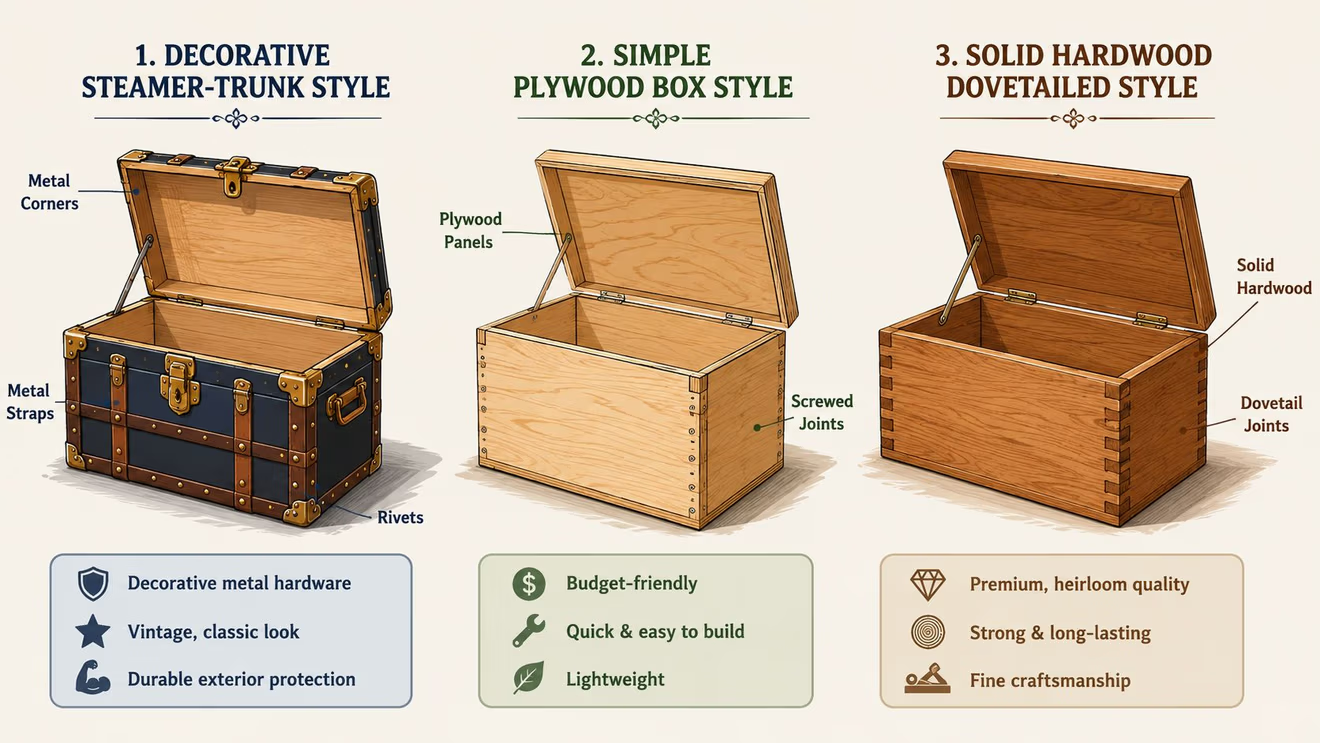
Three construction patterns show up repeatedly in storage trunk tables. Each can suit a different household, but they shouldn't be treated as interchangeable.
| Construction style | Where it fits | What to inspect |
|---|---|---|
| Decorative steamer-trunk styling | Light decor duty and quieter rooms | Veneer panels, hinge movement, lid support, and corner stability |
| Reinforced plywood box | Daily use in apartments and family rooms | Panel thickness, internal braces, frame members, and published capacity |
| Solid-wood chest construction | Long-term use and heirloom-minded rooms | Joinery, wood movement, hinge quality, finish repairability, and base strength |
Decorative steamer-trunk styling
These tables often lead with visual impact. Veneer panels, metal straps, tacks, and aged finishes create the travel-trunk look quickly. That style can work well for a downsizing couple or a condo where the piece mainly holds occasional blankets and serves as a conversation piece.
The weakness appears when the decorative treatment carries more weight than the box beneath it. Buyers should open and close the lid several times, inspect whether it drops or twists, and ask what supports the corners. A veneer-only panel isn't automatically a failure, but it deserves closer scrutiny when the table will face children, pets, frequent entertaining, or heavy board-game use.
Reinforced plywood construction
Plywood is a practical middle ground when the maker adds a real frame instead of leaving broad panels unsupported. DIY furniture sources commonly specify 3/4-inch plywood or solid wood panels, continuous or heavy-duty hinges, and internal brace members to resist torsion. One build guide uses a 30-inch continuous hinge with a lid support, while another uses 3/4-inch plywood for the box and lid, plus 2×3 risers and trim to improve stiffness and lift the trunk off the floor. A detailed DIY storage trunk construction guide shows how those parts work together.
Solid-wood chest construction
Solid wood, especially when paired with traditional joinery, gives a trunk table a different feel under the hand. The lid tends to feel denser, the edges can often be repaired or refinished, and the construction is easier to evaluate when the joinery remains visible.
A homeowner doesn't need the most elaborate build for every room. The right choice is the one that matches the abuse level, storage load, and expected service life. Buyers unfamiliar with traditional construction can ask about mortise-and-tenon joints and other corner methods instead of judging quality by trim alone.
Materials and Finishes Worth Asking About
Materials determine how a trunk table carries weight, responds to daily handling, and ages in the room. The first question should be simple: what is the lid made of? A tabletop that looks like solid wood may be veneer over MDF, plywood, or another engineered core.
MDF and veneer can deliver an attractive finish at an accessible price, but the buyer should pay close attention to the stated load limit and the way the lid is framed. Plywood offers better structural logic when the maker uses adequate thickness and reinforces the edges. Solid wood brings natural variation, repairability, and a substantial feel, but it also requires a stable indoor environment because wood responds to changes in humidity.
The parts that matter most
A shopper can learn a great deal by examining four areas:
- Panel thickness: Thicker sheet goods reduce flex, especially across a broad lid.
- Corner joinery: Reinforced corners help the box resist racking when stored items press outward.
- Hinge and support hardware: A continuous hinge or heavy-duty hinge handles repeated movement better than hardware chosen only for appearance.
- Base construction: Risers and trim help distribute load while protecting the bottom from abrasion.
Leather strapping and metal trim add character, but they shouldn't be mistaken for the primary structure. Hand-forged-looking hardware can enrich a solid-wood chest, yet the lid still needs a reliable hinge and a support mechanism that prevents overtravel.
Finishes and future maintenance
A matte stain can disguise small scuffs better than a glossy surface, while an oil-and-wax finish can develop a warmer patina as the wood is handled. Painted or distressed finishes can refresh an older trunk, but any refinishing project should begin with cleaning and careful hardware handling. Finish choice is partly aesthetic and partly practical, because the surface should suit the room's traffic and the household's willingness to maintain it.
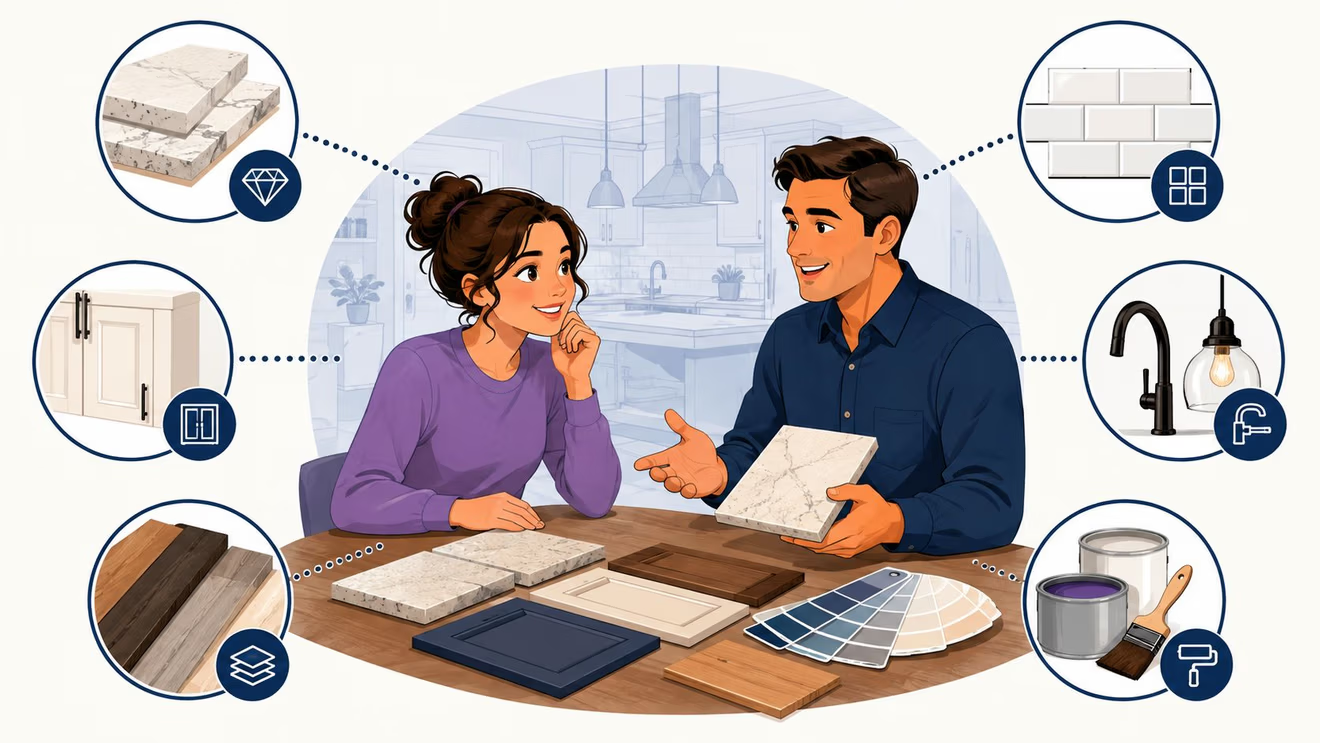
In a showroom, the most useful questions are direct. What supports the lid? How are the corners joined? Is the finish repairable? Does the maker publish both top and interior capacities? A seller who can answer those questions clearly is helping the buyer evaluate furniture, not just admire a finish.
Sizing and Placement for Real Homes
A storage trunk table earns its footprint only when people can move around it comfortably. A table that's too long blocks circulation, while one that's too deep may force sofas and chairs too far apart. Measurement should happen before shopping, not after delivery.
Start by marking the proposed footprint on the floor with painter's tape or folded newspaper. Then test the lid's full opening path. A trunk placed against a wall may look efficient until the lid hits the wall, lamp, or nearby chair every time someone reaches for a blanket.
Match the table to the room
Coffee-table heights commonly fall around 16 to 18 inches, but the right relationship is more important than a number alone. The top should sit comfortably with the sofa and chairs, allowing people to reach a drink or tray without leaning awkwardly. A lower trunk can also work as bench seating at the foot of a bed or along an entryway wall, provided the construction and stated capacity support that use.
For a smaller apartment or condo, a compact trunk with a clear opening path often beats a larger statement piece. A family great room may accommodate a broader box for blankets, toys, and games, but the surrounding traffic lanes still need to remain open. An entryway version should stay shallow enough that coats, shoes, and people can pass without a constant collision.
Measure the actual routine
A homeowner should measure more than the wall. The test should include:
- Sofa relationship: Check the distance between the table and seating so knees, feet, and cleaning tools can pass.
- Lid swing: Open the lid completely in the exact position where the table will live.
- Top activity: Place a tray, laptop, or blanket basket on the taped outline to see whether the surface still feels usable.
- Storage access: Confirm that the room offers enough standing space to lift and remove larger items.
BILTRITE's furniture measuring guide offers a useful starting point for recording room dimensions, doorways, and delivery paths. The best trunk table is the one people can open without moving half the room.
Styling Ideas for Living Rooms, Entryways, and Bedrooms
A trunk table looks most convincing when its styling respects its working parts. The top can carry a lamp, tray, books, or a small arrangement, but the lid still needs a clear opening path. Decorative objects shouldn't turn a storage table into a sealed box.
A relaxed family-room arrangement
A rustic trunk works naturally with a chunky tray, woven baskets, and soft textiles. The tray keeps remotes and coasters organized while the interior holds blankets or toys. The room feels collected rather than staged because every visible object has a job.
A refined entryway uses a narrower trunk with a lamp, a catchall dish, and perhaps a small stack of mail organizers. The storage cavity can hold seasonal accessories or extra household items that otherwise gather near the door. The lid should open toward the room, not into the wall or directly beneath the lamp.
In a bedroom, a sturdy trunk can sit at the foot of the bed as a bench and blanket chest. That placement makes solid construction especially important, because people may sit down, stand up, and shift their weight across the lid. A soft cushion can add comfort, but it shouldn't prevent the lid from opening when the contents are needed.
Storage Trunk Table Placement and Styling at a Glance
| Room | Best Trunk Style | Lid Opens Toward | What to Store Inside |
|---|---|---|---|
| Living room | Reinforced box or solid-wood chest | Into the open seating area | Blankets, toys, games, remotes |
| Entryway | Narrow trunk with stable base | Away from the wall and door swing | Scarves, gloves, bags, seasonal items |
| Bedroom | Solid-wood chest with seating-ready lid | Toward the room's open side | Bedding, throws, pillows, accessories |
The main styling mistake is overloading the top. Heavy decor increases stress on the lid and makes opening inconvenient. A finish should also complement the room rather than compete with every other wood tone, because the trunk already has strong visual presence.
Care, Hardware, and Safety for the Long Run
A trunk table has more moving parts than a fixed coffee table, so maintenance should focus on the lid, hinge, supports, and base. Dust the wood with a soft cloth, and avoid harsh chemical sprays that can dull or damage the finish. Small habits protect the surfaces before grime becomes an abrasive layer.
Once a year, inspect the hinge screws and tighten them if needed. Open the lid slowly and confirm that the support holds it in position without slipping, slamming, or forcing the hinge past its intended range. Check the base for looseness, especially if the table moves often for cleaning.
Keep solid wood comfortable
Solid wood moves as indoor humidity changes. A trunk pushed tightly against an exterior wall during winter may experience a harsher environment than one placed in a stable interior area. Leave reasonable breathing room, avoid direct heat sources, and keep spills from sitting on the surface.
For routine cleaning, follow BILTRITE's wood furniture cleaning guidance rather than reaching for a multipurpose chemical product. Leather straps and metal hardware may need different care from the finished wood, so the maker's instructions should take priority.
Treat safety as part of quality
The U.S. Consumer Product Safety Commission says ASTM F2057-23 applies to freestanding storage units such as chests, drawer chests, armoires, chifforobes, bureaus, door chests, and dressers that are 27 inches or taller, with the standard adopted to reduce child injury and death from furniture tip-over incidents. The current tip-over guidance summarized by UL helps families understand which storage furniture deserves extra attention.
Earlier CPSC briefing material explains that ASTM F2057 originally focused on children up to age 5, with earlier covered units defined as freestanding clothing storage furniture over 30 inches high, alongside stability testing requirements. The CPSC briefing document provides that background.
Industry coverage describes a test placing the unit on a forward angle of 1.5 degrees to simulate carpeting. Unless a drawer interlock system is present, testing uses all drawers open and loaded at 8.5 pounds per cubic foot to mimic clothing-filled drawers. The testing description from Furniture Today explains the practical reason stability matters.
ASTM guidance also describes stability with a specially configured 50-pound weight hung across a drawer, along with a wall restraint and a permanent warning label against placing heavy objects on top or allowing children to climb on the furniture. The ASTM safety guidance should inform household placement and restraint decisions. A low trunk table may present less tip-over concern than a tall storage unit, but families should still follow the maker's instructions and keep climbable furniture secured where appropriate.
Shopping Local and Visiting Our Greenfield Showroom
Buying a trunk table in person lets a homeowner test the details that photographs can't show. The lid should open smoothly, the box shouldn't sway, and the hardware should feel intentional rather than loose or ornamental. A local showroom also makes it easier to compare an in-stock piece with an affordable custom option.
In-stock furniture suits a household that already knows the needed dimensions and finish. Custom furniture makes more sense when the room requires a specific wood, stain, hardware package, leather strap, or scale. The right choice depends on whether speed or precise fit matters more.
BILTRITE Furniture-Leather-Mattresses has served the Metro Milwaukee community as a fourth-generation, family-owned business since 1928. The Greenfield showroom includes USA-made, Amish-made, solid-wood, small-scale, and heavy-duty furniture, along with a mattress department offering over 60 models. The store doesn't sell online, which means shoppers can sit, open, inspect, and discuss a piece with sales associates whose combined experience totals over 400 years.
The team can also discuss delivery needs, including white-glove service and old-furniture removal options where applicable. BILTRITE is closed on Sundays and Mondays to support family time, a choice that reflects its local, family-first way of doing business. For a trunk table expected to serve for decades, that face-to-face conversation can prevent a costly mismatch between appearance and construction.
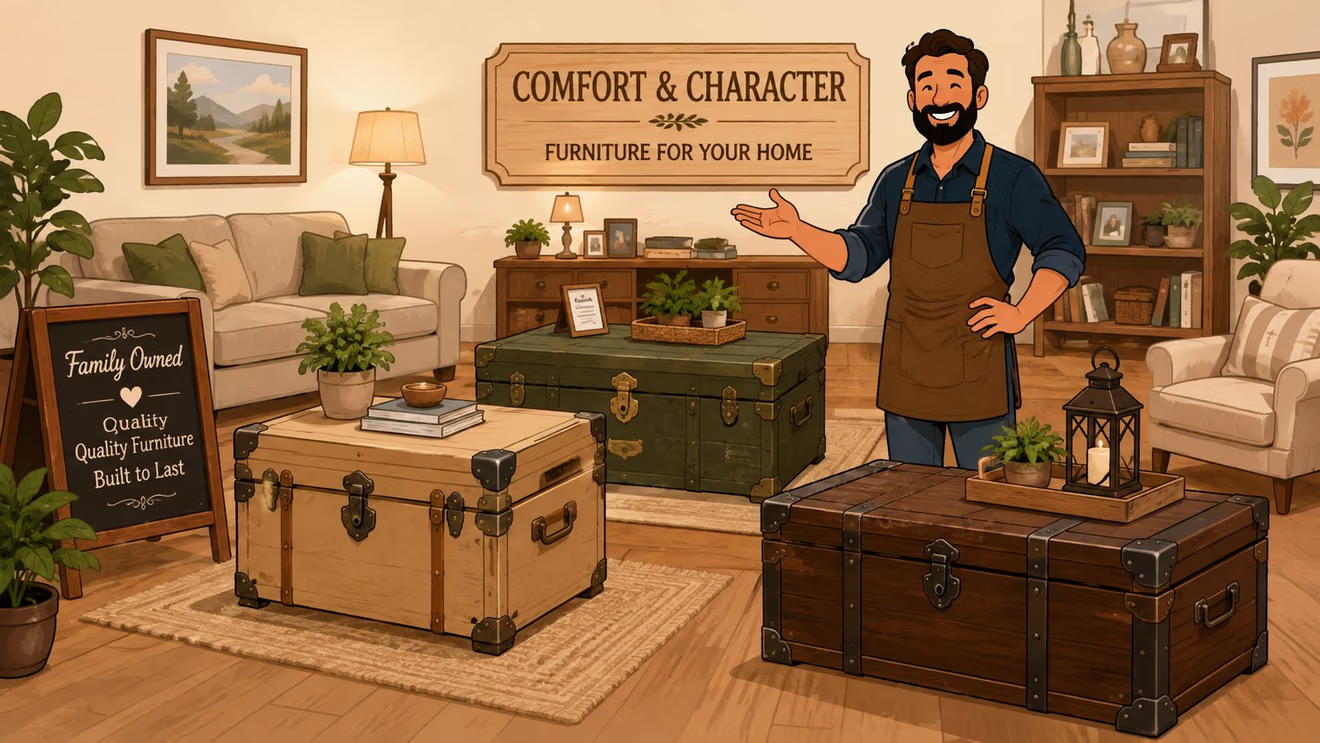
Come down to the Greenfield showroom, open a few lids, inspect the joinery, and ask what each table can handle. No appointment is needed, and a knowledgeable associate can help match the trunk to the room, household, and budget.
BILTRITE Furniture-Leather-Mattresses offers USA-made, Amish-made, solid-wood, small-scale, and heavy-duty furniture for homes that need dependable storage and lasting comfort. Visit BILTRITE Furniture-Leather-Mattresses in Greenfield to compare storage trunk tables in person and talk with the team about the right size, construction, finish, and delivery plan.