36 Height Table Guide for Metro Milwaukee Homes

Standing in a kitchen with a tape measure in one hand and a stool in the other, a lot of folks in Metro Milwaukee ask the same question. Will a 36 height table feel comfortable for everyday meals, quick homework sessions, and weekend coffee, or will it just look stylish for a month and then get in the way?
That's the right question to ask. A 36-inch table sits in the counter-height range, which makes it a middle ground between a standard dining table and a taller bar setup, and that middle ground can work beautifully in open kitchens, casual dining nooks, and smaller rooms that need to do more than one job House of Furniture. For families trying to balance sightlines, traffic flow, and everyday comfort, that's a useful place to start.
Why a 36 Height Table Might Be the Right Fit for Your Home
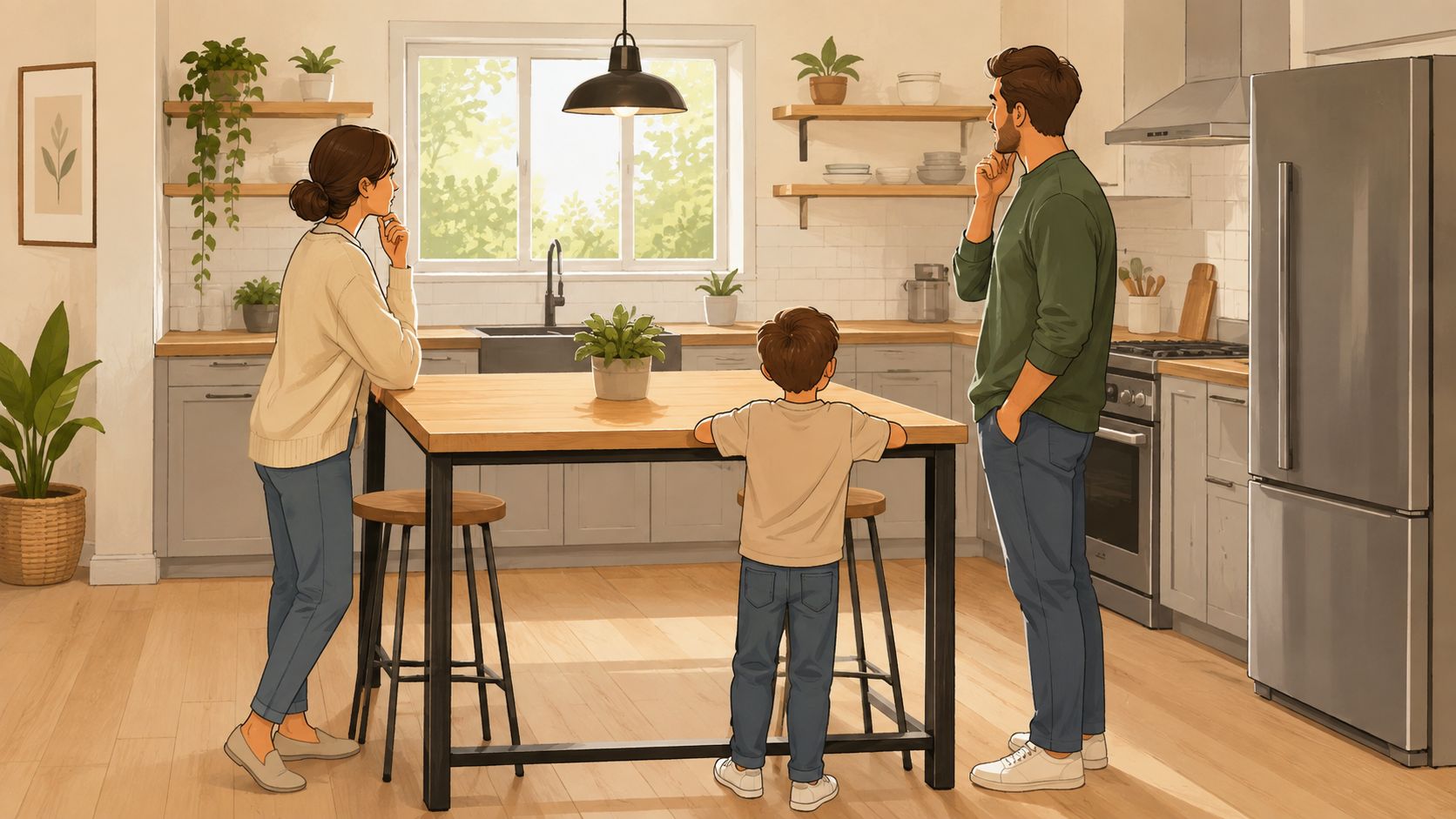
A couple from Bay View comes in after measuring a narrow kitchen with a peninsula, a breakfast nook, and just enough room to pull out chairs without clipping a cabinet door. They are not chasing a trend. They are trying to find a table that lets parents, kids, and visiting grandparents sit comfortably without turning the room into a squeeze. A 36 height table often fits that kind of Milwaukee home because it keeps the surface close to daily kitchen activity while still giving the room a more relaxed, social feel.
Why the height feels familiar
The appeal starts with how naturally 36 inches fits into a kitchen. It sits at the upper end of the 34 to 36 inch counter-height range, which lines up with common kitchen-counter ergonomics and keeps the table in a familiar working zone House of Furniture. It feels intentional without pushing the room into bar territory.
That middle zone matters in mixed-age households. The CDC reports average measured heights of 68.9 inches for U.S. adult men and 63.5 inches for women, and a 36-inch surface often gives adults a comfortable place to sit, serve, and talk without hunching over or reaching too far CDC/NCHS. For a child doing homework at one end and a grandparent setting down coffee at the other, that can make the table feel easier to use throughout the day.
Practical rule: A table works best when it fits the way the household already moves through the kitchen, not just the way the room looks in a photo.
That is especially true in homes where one room has to do several jobs. A 36-inch table can mark out a dining spot in an open layout without the visual heaviness of a larger formal table, so the kitchen still feels connected to the rest of the home. It also suits shoppers who need to think carefully about footprint, chair swing, and everyday traffic, which is why a small-space furniture guide can help before choosing any table height. The room should support the table, and the table should support the way the household lives.
How 36 Inches Compares to Standard and Bar Heights
The difference between 30 inches, 36 inches, and 40 to 42 inches comes down to three things: legroom, stool choice, and how formal the room feels. A 36 height table sits in the middle. It gives you a higher, more casual surface than standard dining, while staying lower and easier to live with than bar height Smith System.
The three common table heights
| Table Height Category | Table Height Range | Ideal Seat Height | Best For |
|---|---|---|---|
| Standard dining height | 30 inches | Lower dining chairs | Everyday dining, flexible seating, easier access |
| Counter height | 34 to 36 inches | Counter stools | Casual meals, open-plan rooms, social gathering |
| Bar height | 40 to 42 inches | Bar stools | Taller, more upright seating, specialty spaces |
That middle range matters for real homes in Metro Milwaukee, especially where grandparents, parents, and kids all use the same table. Standard dining height keeps feet closer to the floor and can feel easier for shorter guests. Bar height raises the seating more, which can work well in a specialty area, but it usually asks more of the chair and the person using it.
A counter-height table sits between those two choices. It gives the room a more relaxed feel than standard dining, but it does not push the space fully into bar territory. In an open-plan home, that can help the kitchen and dining area feel connected without making the table dominate the room. For shoppers comparing these options side by side, this dining height guide is a helpful reference for the measurements people hear most often in the showroom.
The seating match changes how the table feels day to day. A 36-inch table is generally paired with counter stools, standard dining tables call for lower chairs, and bar-height setups need even taller stools Smith System. That difference is easy to overlook in a photo, but in the room it changes how easily someone can slide in, sit down, and get back up during a busy evening.
A table height choice is not only about style. It decides how the room works at breakfast, at homework time, and when guests gather around the edge of the kitchen.
A local family looking for a more casual dining setup may also notice that counter-height seating changes the rhythm of the room. People tend to perch, talk, and linger in a way that feels less formal than at a standard dining table. That can be a good fit for a kitchen that serves as the social center of the house, especially when the same surface needs to handle meals, conversation, and everyday drop-in use.
The basic takeaway is simple. 30 inches is dining height, 36 inches is counter height, and 40 to 42 inches is bar height. The right choice depends on who sits there, how often the table gets used, and whether the household wants a lower, more accessible feel or a taller, more upright seating position.
Measuring for Comfort and Chair Compatibility
A 36 height table can look right and still feel wrong if the seating does not match. In a Milwaukee kitchen, that usually shows up the first time someone pulls up for breakfast, a homework check-in, or a long family meal. The table may fit the room, but the chair height, cushion compression, and knee room decide whether people stay comfortable or start shifting in their seats.
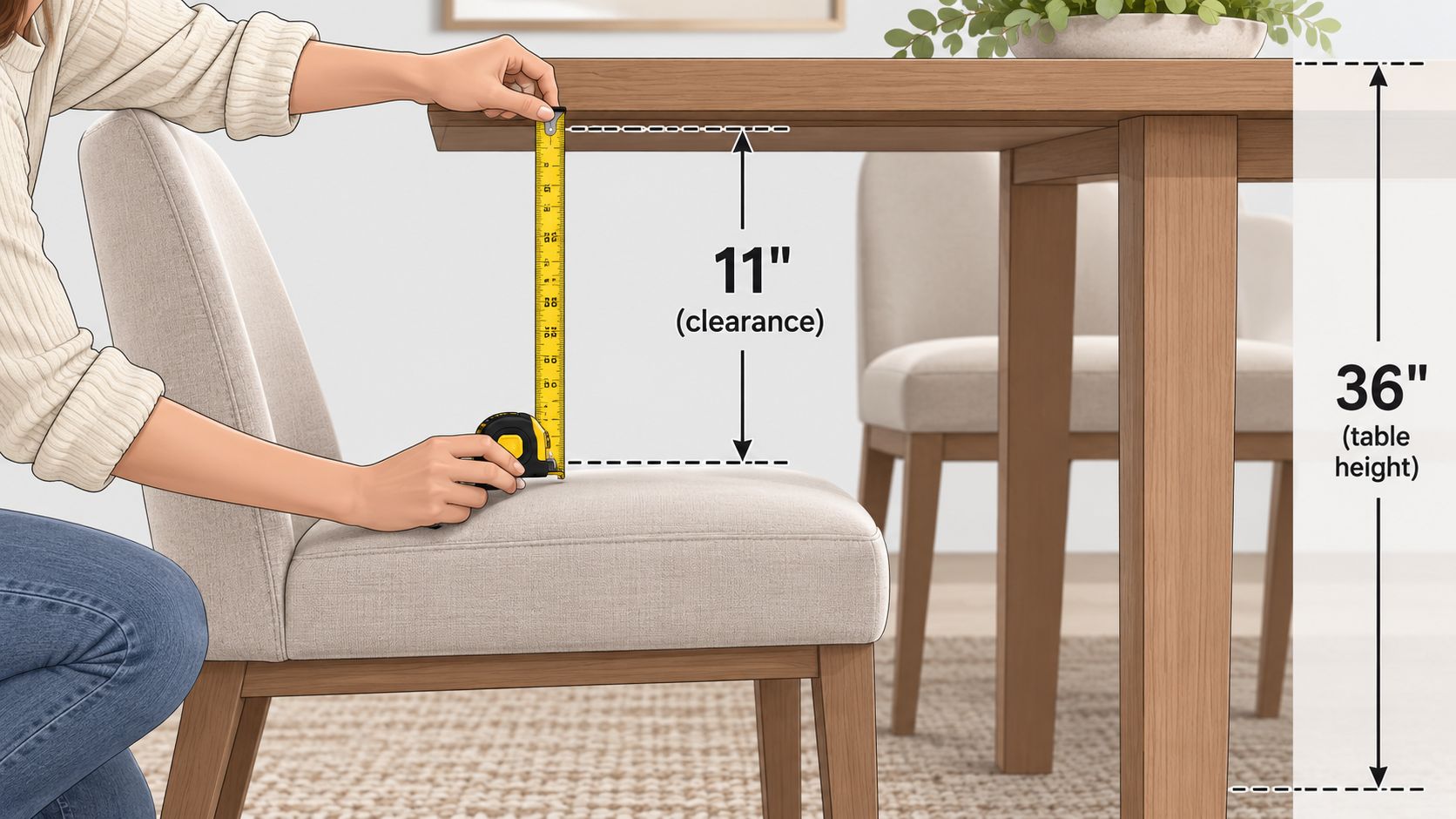
The safest place to begin is clearance. Independent guidance recommends about 10 to 12 inches between the seat and the underside of the table, and that measurement should be checked at the seat's compressed height when cushions are involved Brian's Benham. Soft cushions sink after someone sits down, and that changes the actual legroom in a way that is easy to miss when you are standing in the showroom.
How to measure it the practical way
Measure the tabletop height first.
A true counter-height table should land around 36 inches, not drift higher because of a thick apron or an unusual base design. Even a small difference can change how a stool tucks in and how far knees slide under the edge.Check the seat height with pressure on it.
Cushions compress. A stool that looks right in the store may sit lower once someone settles in, so the seated height matters more than the number on the tag. That is especially important in homes where different family members use the same table throughout the day.Look for the gap under the apron.
The apron can cut into knee room even when the tabletop height is correct. Two tables with the same surface height can feel very different if one has a bulky apron and the other leaves the legs more open.Choose seating that leaves room to move.
Counter-height tables are commonly matched with stools in the 24-inch range for a 34 to 36 inch table, which keeps the body in a comfortable zone instead of forcing knees too high or too low Grain and Frame.
That fit question becomes even more important in mixed-age households. A counter-height setup can feel easy for one person and awkward for another, so the table should be tested the way people in the home use it. A grandparent, a teenager, and a younger child will all notice different things, and the right answer is the one that works for the group, not just for a quick showroom glance.
For accessibility, the measurement conversation gets even more important. Commercial guidance notes that ADA-accessible dining surfaces must be 28 to 34 inches, so a 36-inch surface will not suit every mobility need Brian's Benham. That does not make counter height wrong. It means households with mixed mobility needs should test the setup carefully before deciding.
Helpful habit: Measure the seat after compression, then sit at the table the way people in the home actually sit. That catches more comfort problems than eyeballing the height ever will.
For shoppers comparing dining chairs and stools, the chair width guide can help with the other half of the fit question, because width matters just as much as height in a busy kitchen. A table can be the right height and still feel cramped if the seating is too wide or too bulky.
Real Pros and Cons for Families and Small Spaces
A Milwaukee family might love the idea of a 36 height table after moving into a tighter kitchen, then discover the question is who will use it every day. A surface that feels easy for adults can ask more of a child, and it can feel less inviting for a grandparent who wants a lower, steadier seat. That tradeoff matters more than the style label.
Where counter height shines
A counter-height table often helps an open-plan room feel organized. The higher surface creates a clearer break between the kitchen and the dining zone, which can make a shared room feel less cluttered. It can also improve sightlines, a detail many homeowners appreciate when the table sits near an island or peninsula.
Counter height also tends to feel social. Guests stand or perch more easily, conversation feels relaxed, and serving food at the same level as kitchen prep can help a busy family evening move along with less fuss. For households that use the kitchen as the main gathering place, that is a real advantage.
Where the tradeoffs show up
The tradeoffs are just as real. Young children may need a little more help getting into the seat, and older adults may prefer the lower, more familiar feel of standard dining height. Frequent sit-down, stand-up use can also feel less forgiving at counter height, especially for anyone who prefers a steadier transfer.
Small-space buyers should also watch the myth that taller means smaller overall. A 36-inch table can save visual space, but it still needs enough circulation room for chairs or stools, plus space behind them for walking. A room can feel tight if the layout is already narrow, much like trying to fit one more chair around a packed supper table.
A quick household check
- Mixed-age families: Standard dining height may be easier for children and older adults.
- Open kitchens: Counter height can improve flow and help zone the room.
- Frequent entertaining: A taller surface often feels more relaxed and social.
- Mobility concerns: Lower dining surfaces are usually easier to approach and leave.
A simple test helps before anyone commits. Sit at the table with the chairs or stools your home will really use, then notice whether knees clear the apron, feet rest comfortably, and getting in or out feels natural. That is where comfort shows up, not just in how the table looks across the showroom.
The best choice depends on who uses the table most often, not just how the table looks in the space. For some households, a 36-inch surface solves the awkwardness of a cramped kitchen and gives the room a cleaner rhythm. For others, especially homes with mixed ages or mobility needs, a lower table will feel easier day after day.
Choosing Solid Wood and Amish-Made Craftsmanship
A taller table asks more from its base than a standard dining table does. That's why construction matters so much at 36 inches. Commercial examples show the point clearly, one 36-inch-square café table uses a 30 inch by 30 inch cast-iron X-base, a 3 inch powder-coated column, and weighs 58.5 lb, while another 36 inch by 36 inch café table uses an 8-gauge steel base, a 16-gauge pole, and a 12-gauge welded support plate to reach a 300 lb capacity KaTom. Taller tables need stiffness and mass because the higher center of gravity makes side loads more of a concern.
Why solid wood feels right at this height
Solid wood gives a counter-height table the kind of weight and presence that helps it sit calmly in the room. That's useful when the table is going to carry family meals, school projects, and holiday serving dishes. It also ages in a way many households appreciate, because small marks can feel like part of the table's life instead of damage that ruins the piece.
Amish-made furniture adds another layer of value through careful joinery and steady workmanship. In a piece that sits higher off the floor, stability matters more than flash. A well-built table is less likely to wobble when someone leans in to reach a dish or push back from the edge.
Family rule of thumb: If a table will be used every day, the base should feel as thoughtful as the top.
For shoppers who want to understand the construction side better, the Amish furniture guide offers a straightforward look at why handcrafted solid wood remains a favorite for households that want furniture to last. The same logic applies to counter height. The taller the table, the more important it is that the frame feels solid and balanced.
At BILTRITE, that often means looking at wood species, stain choices, and hardware together instead of treating them as separate decisions. A counter-height table is part furniture, part daily tool, and part gathering spot. When the materials and the craftsmanship line up, the table can handle all three roles without feeling fragile.
Visit Our Greenfield Showroom to See Your Options in Person
A table like this is easier to judge in person than on a screen. Height, leg clearance, stool fit, wood tone, and base width all change once a family walks around the piece. That's why our showroom in Greenfield stays at the center of the buying experience, and why local shoppers often bring their measurements with them when they visit our Greenfield location page.
We've been family-owned and operated since 1928, and our sales associates bring over 400 years of combined experience to the floor. That matters because people don't always need a sales pitch, they need a patient guide who can help them compare a counter-height table with a standard dining setup and talk about what fits the room and the household.
Our showroom also gives shoppers access to USA-made, Amish-made, and solid wood dining options, along with furniture for small spaces and heavier everyday use. We keep the focus on affordable, better-quality furniture, and we stay closed on Sundays so our own families can spend time together too. That family-first rhythm is part of who we are.
Whether the household is working around kids, guests, or mobility concerns, there's real value in seeing the height, the seats, and the finish together before deciding. That's especially true with a 36 height table, because the comfort question is never just about the number. It's about how the room lives.
Ready to find the right table for your kitchen or dining space? Visit BILTRITE Furniture-Leather-Mattresses in Greenfield and see our dining tables, stools, and solid wood options in person. Our team can help match a 36 height table to your room, your seating, and the way your family really uses the space.