Wood Furniture Maintenance: Your 2026 Care Guide


That moment is easy to recognize. A new solid wood dining table is in place, the chairs are tucked in, and the grain catches the light just right. The room feels warmer. More settled. It also raises the question most owners ask within a few weeks: what's the right way to care for it without overdoing it?
That's where good wood furniture maintenance matters. High-quality wood furniture, especially the USA-made and Amish-made pieces so many Milwaukee-area families bring home, doesn't need constant fussing. It needs the right habits. Gentle cleaning. Smart placement. A little restraint with products. And an understanding that handcrafted furniture is built to live with a family, not sit untouched in a museum.
At BILTRITE, that mindset has been passed down through four generations of family ownership in Metro Milwaukee since 1928. The store has spent decades helping families choose better-quality furniture that's meant to stay in the home for years, not just fill a room for a season. Caring for wood furniture is part of that story. Done well, it protects beauty, preserves value, and helps a table, dresser, or bedroom set keep serving the next chapter of family life.
Table of Contents
- Welcome to the Family of Wood Furniture Lovers
- Your Simple Routine for Lasting Beauty
- Understanding Your Furniture's Finish
- Fixing Everyday Scratches and Dings
- Protecting Wood from Wisconsin's Seasons
- When to Consider Professional Refinishing
- Your Amish and Solid Wood Furniture Questions Answered
Welcome to the Family of Wood Furniture Lovers
Solid wood furniture has a way of changing how a room feels. A handcrafted table doesn't just fill a dining space. It becomes the place where homework gets spread out, birthday candles get blown out, and coffee cups land every morning in the same familiar spot.
That's why maintenance shouldn't feel like a chore list. It's better to think of it as stewardship. Well-made wood furniture is built with the expectation that real life will happen around it. The goal isn't to keep it untouched. The goal is to help it age well.
For families who choose Amish-made or USA-made furniture, that matters even more. These pieces often have solid wood tops, carefully matched grain, and finishes selected for long-term use. They can be renewed, refreshed, and preserved. They also deserve a little more thought than a quick spray with whatever cleaner is under the sink.
Furniture that's meant to stay
Many owners are surprised by how simple proper care really is. It usually comes down to a few practical habits.
- Keep it clean gently. Dust and spills should be handled quickly, but without soaking the surface.
- Match care to the finish. An oiled piece and a lacquered piece shouldn't be treated the same way.
- Protect the structure, not just the shine. Coasters, placemats, and felt pads often do more good than extra polish.
Good wood furniture maintenance is usually quiet work. A soft cloth, a dry surface, and a little consistency do more than a cabinet full of products.
That approach fits the kind of furniture BILTRITE has focused on for generations. The store has served Greenfield and Metro Milwaukee since 1928, with a strong emphasis on better-quality furniture, much of it made in the USA or by Amish craftsmen. That kind of furniture is worth caring for because it's built to keep earning its place in the home.
Your Simple Routine for Lasting Beauty
Saturday breakfast ends, the kids head off, and the dining table still looks beautiful until you catch the syrup ring near one placemat and a faint haze where someone used too much polish last week. That is how finish problems usually begin on solid wood furniture. Not with abuse. With ordinary family use and a few habits that need tightening up.
A well-built Amish-made or USA-made table does not need a complicated care system. It needs a steady one. Solid wood tops, especially on handcrafted dining pieces, respond best to gentle cleaning, quick spill control, and restraint with waxes and polishes.
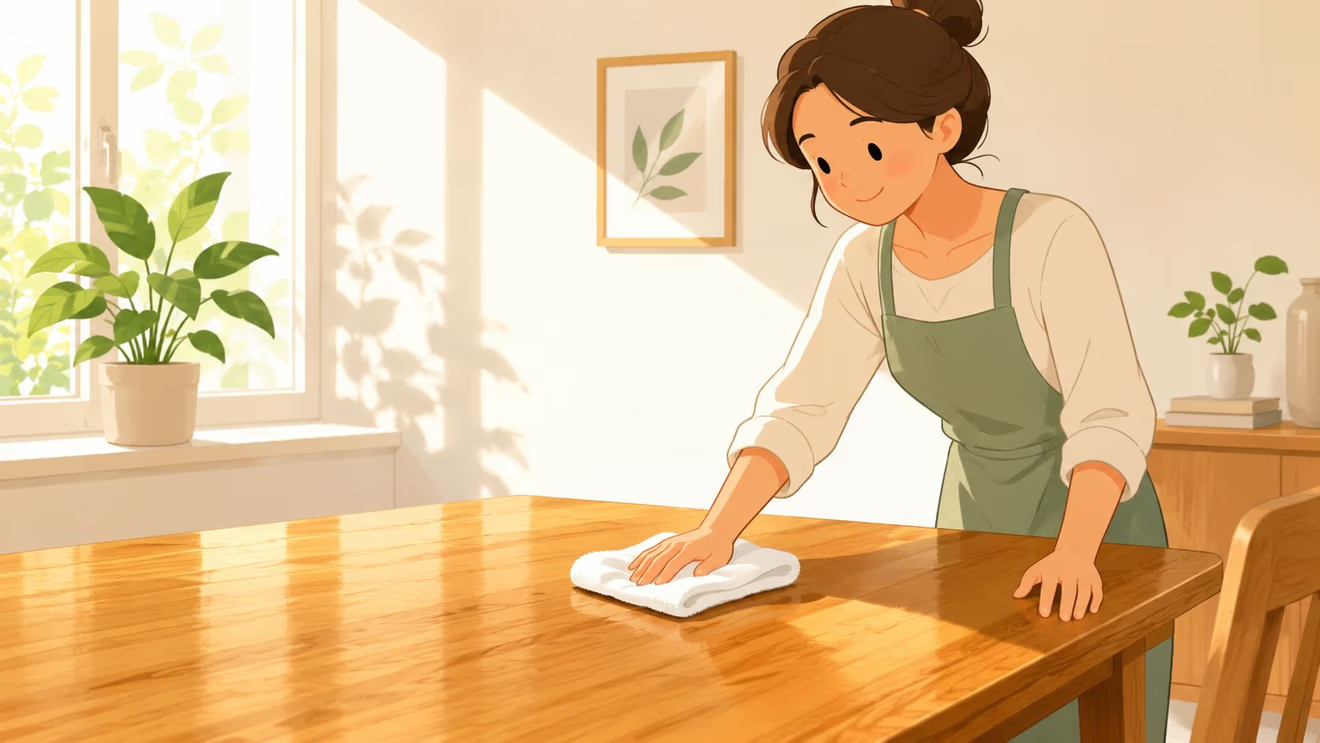
Start with the habits that matter most
Day to day, the simple habits do the heavy lifting.
- Dust with a soft cloth. A lint-free or microfiber cloth picks up grit before it can act like fine sandpaper on the finish.
- Clean spills right away. Moisture left sitting is a common cause of damage, especially around board seams, edges, and table leaves.
- Use a barely damp cloth when needed. For routine care, light cleaning followed by immediate drying is safer than letting water sit on the surface.
That matters even more with better solid wood furniture because the material is alive to its environment. A veneered promotional table may be treated as temporary. A solid cherry or oak dining table built by Amish craftsmen is built to stay in the family, and the daily routine should match that value.
For deeper routine cleaning, keep the schedule light. Dust regularly, clean occasionally with a diluted wood-safe cleaner, and use polish or wax only if the finish benefits from it, according to professional guidance on cleaning wood furniture. The same guidance notes a few habits worth keeping: wipe with the grain, use a soft brush attachment in crevices, and apply wax in a thin coat rather than a heavy one.
What to do on a light schedule
Use the room, and let the room tell you the schedule. A kitchen table in Greenfield that sees homework, takeout containers, and coffee mugs every day should be checked often. A bedroom chest or hall cabinet can go much longer with little more than dusting.
Practical rule: More traffic means more attention. It does not mean more product.
Some wood furniture needs waxing only rarely, and heavy-wear seating may still need it just once or twice a year, according to this wood furniture care guidance. In many homes, the bigger mistake is not neglect. It is overdoing it.
Too much polish leaves residue, attracts dust, and dulls the intended shine.
A dependable home routine usually looks like this:
- Most weeks: Dust exposed surfaces and wipe up fingerprints, food spots, or drink rings.
- About monthly: Clean with a wood-safe product on a lightly damp cloth, then dry the piece fully.
- Occasionally: Use wax or polish only when the finish calls for it and the surface looks flat or tired.
If you want a practical step-by-step method, BILTRITE also shares a helpful guide on how to clean wood furniture without harming the finish.
Understanding Your Furniture's Finish
A wood table may look sturdy enough to handle anything, but the finish is what owners interact with every day. That finish determines what cleaner is safe, how touch-ups should be handled, and whether a dull spot needs cleaning, waxing, or oil.
Why finish matters more than most people think
Two oak tables can look similar from across the room and need completely different care. One may have a sealed varnish or lacquer finish that wants light cleaning and little else. Another may have an oil finish that's designed to be refreshed from time to time.
That's why generic advice gets people into trouble. A product that's harmless on one finish can leave residue, soften sheen, or create patchiness on another.
For solid-wood furniture with an oiled finish, the maintenance sequence is simple: dust, clean with a wood-specific cleaner, and re-oil only when the surface looks dull or dry. Re-oiling is typically needed every 6 to 12 months, based on use, according to this guidance on caring for oil-finished wood furniture.
Wood Finish Care at a Glance
| Finish Type | How to Clean | Best Practice |
|---|---|---|
| Varnish | Use a soft cloth and a lightly dampened wood-safe cleaner. Dry right away. | Treat it as a protective film finish. Avoid harsh household cleaners and scrubbing. |
| Lacquer | Dust gently and use minimal moisture when cleaning. | Keep products mild and limited. Lacquer can look beautiful, but it doesn't respond well to aggressive treatment. |
| Oil | Dust first, then clean with a wood-specific cleaner. Re-oil only when the surface looks dry or dull. | Use a renewal mindset. Oil-finished furniture is maintained by refreshing the finish, not by piling on polish. |
| Wax | Dust carefully and clean very lightly to avoid stripping the waxed surface. | Keep waxing occasional and thin. Heavy buildup usually causes more trouble than benefit. |
A simple way to identify what you have
A few clues can help narrow it down before any product touches the wood.
- If the surface feels more sealed and slick, it's often a film finish such as varnish or lacquer.
- If the wood has a softer, more natural feel, it may be oil-finished or wax-finished.
- If the piece is custom, Amish-made, or older, don't assume. Ask the maker or retailer when possible.
A finish guide matters even more for dining furniture, where spills, plate movement, and daily wiping all put pressure on the surface. Readers comparing appearance and practicality can explore more on the best wood finish for a dining table.
The safest cleaner is the one that matches the finish already on the furniture. Most mistakes happen when owners treat all wood the same.
Fixing Everyday Scratches and Dings
A well-loved wood piece will collect signs of life. That doesn't mean it's ruined. It means it's being used the way good furniture should be used.
Small marks can often be improved at home if the damage is limited to the surface.
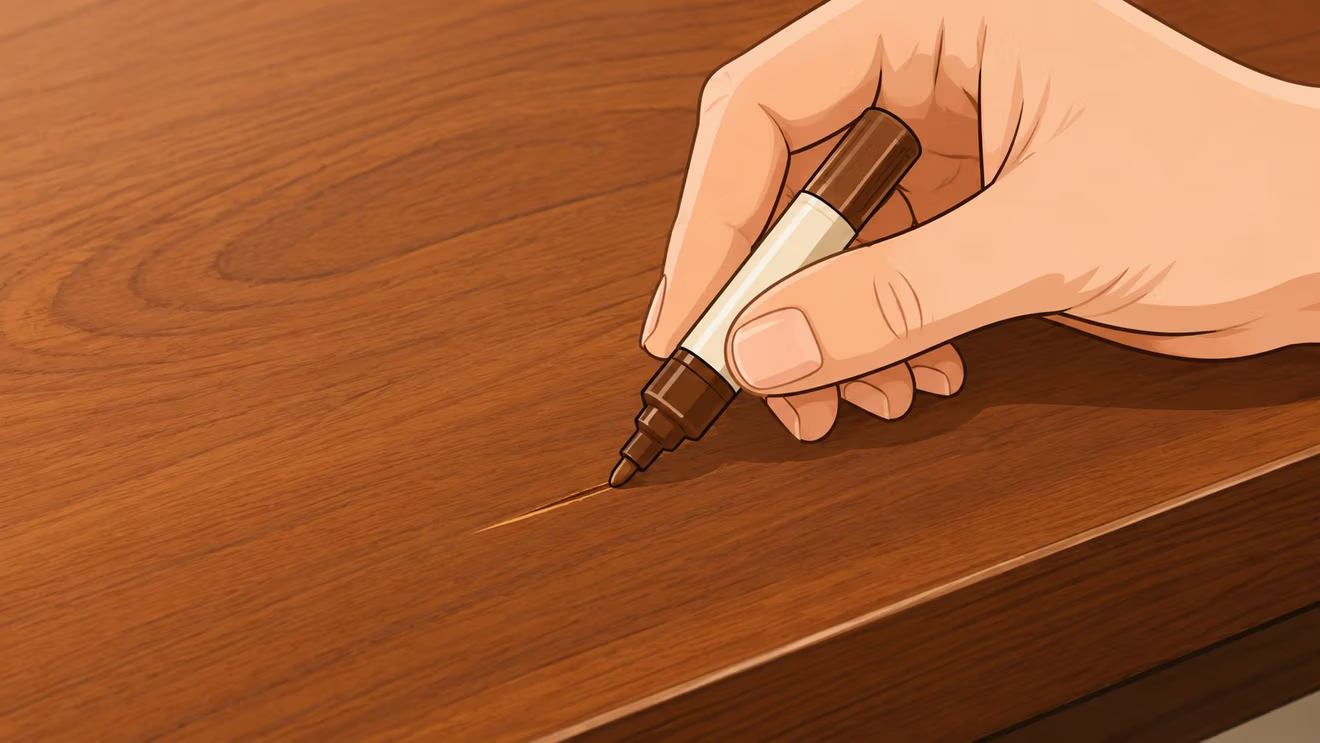
Safe fixes for minor surface wear
Start by figuring out whether the mark is in the finish or in the wood itself. A shallow scuff usually looks lighter and sits on top. A deeper scratch interrupts the color and texture more clearly.
For common minor issues, these approaches are usually the safest:
- Light surface scratches: Clean the area first so dust doesn't get rubbed in. Then use a touch-up marker, wax stick, or finish-compatible repair product that matches the tone as closely as possible.
- Small dings: If the finish isn't broken badly, a colored filler stick may soften the appearance enough that the eye stops catching it.
- White water rings: These often sit in the finish rather than in the wood. Try the gentlest finish-safe method first and stop if the mark doesn't improve.
The biggest mistake is rushing into a “fix” that's harsher than the problem. Abrasive rubbing, over-wetting, or experimenting with strong household products can turn a small flaw into a refinishing job.
When a small problem is no longer a DIY job
There are clear signs to stop.
- The finish is peeling or flaking. That's not a spot repair anymore.
- The scratch cuts deep across the grain. Color fill may hide it, but it won't restore the surface.
- The mark covers a broad visible area. Dining tops and dresser fronts can look worse if only one patch is treated.
For owners who want a more detailed look at touch-up options and scratch removal methods, BILTRITE has a helpful article on how to remove scratches from wood furniture.
Minor repair should blend in quietly. If the repair starts drawing more attention than the scratch did, it's time to pause.
Protecting Wood from Wisconsin's Seasons
Wisconsin homes put wood furniture through real seasonal swings. Dry indoor heat in winter and heavier summer humidity can make solid wood move more than many owners expect.
That movement is normal. Trouble starts when the environment changes too much or too often.
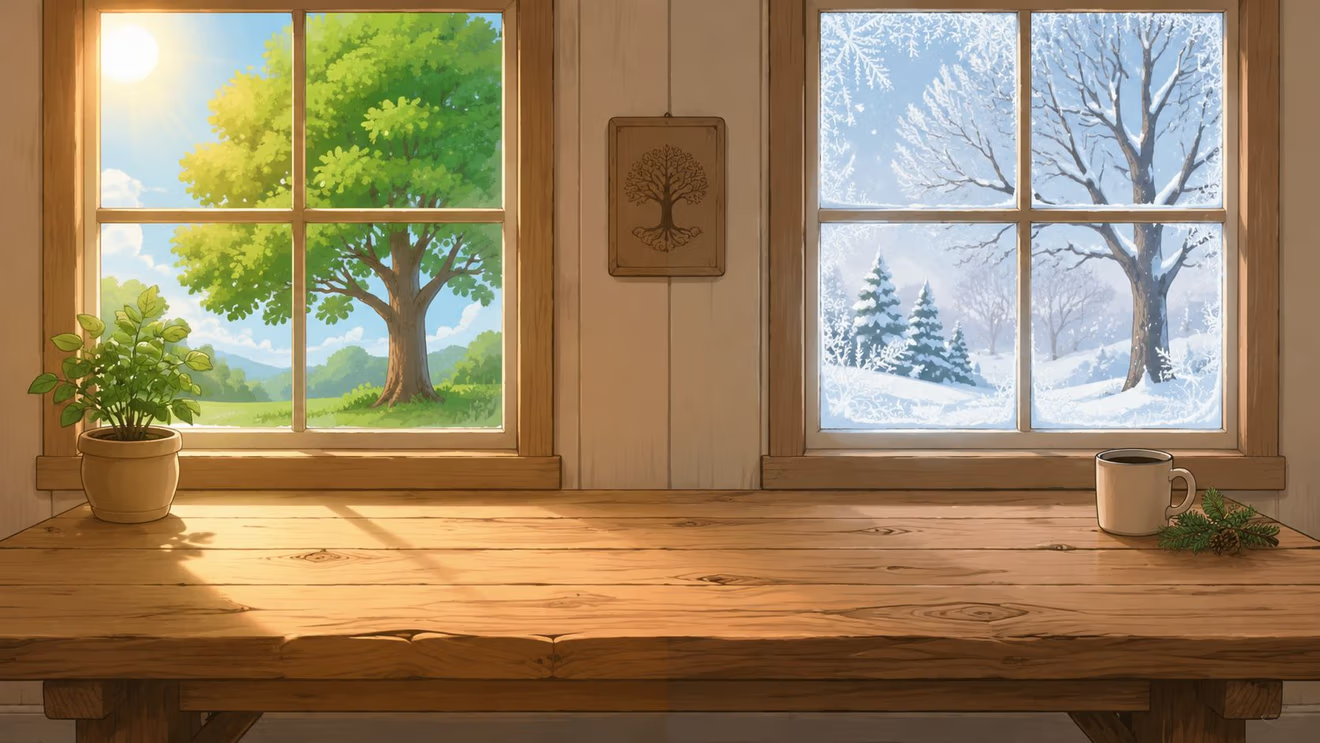
Why placement matters as much as cleaning
Conservation guidance is very clear on this point. Environmental stability matters more than topical products. Canada's conservation guidance notes that “no amount of oil or other material will keep wood from drying out” if humidity is too low, and practical storage guidance advises keeping antique furniture around 50% relative humidity and below 72°F to limit cracking, warping, mold, and corrosion, as summarized in this conservation care guidance for wood furniture.
That applies in everyday homes too. Solid wood expands and contracts with moisture changes, so placement matters.
Keep furniture away from:
- Direct sunlight, which can stress finishes and create uneven aging
- Fireplaces and baseboard heaters, which dry wood aggressively
- Heat vents, which create repeated hot-and-dry cycles in one spot
Small adjustments that help through the year
A few household habits go a long way in Wisconsin.
- Use a humidifier in dry winter months if the home air feels noticeably dry.
- Reduce excess summer moisture with air conditioning or dehumidification when needed.
- Avoid attics and basements for long-term storage if conditions swing widely.
Owners sometimes focus only on cleaning because that's the visible part of care. Climate control is quieter, but it protects joints, tops, panels, and finish stability in a deeper way.
A dining table near a sunny patio door and a bedroom chest over a heat register may both look fine for a while. Over time, though, the wood often tells the truth.
When to Consider Professional Refinishing
Routine care can handle dust, spills, and mild wear. Refinishing is a different job. It involves correcting finish failure, deeper damage, or heavy surface wear that simple maintenance can't solve.
Signs the finish needs more than routine care
Professional refinishing is worth considering when the issue goes beyond a small cosmetic flaw.
- Large worn areas: The sheen is gone across broad sections, not just in one touch point.
- Deep scratches or gouges: The damage clearly breaks through the finish and into the wood.
- Widespread water or heat damage: Rings, haze, or discoloration cover too much surface for a spot fix.
- Finish breakdown: Peeling, alligatoring, or uneven failure usually needs skilled work.
That matters most with better-quality solid wood furniture. A well-built Amish-made or USA-made piece often deserves restoration rather than replacement. Stripping or recoating it the wrong way can flatten character, alter color, or reduce long-term value.
Owners weighing that decision can read more about the process in BILTRITE's guide on how to refinish wood furniture.
Professional help isn't admitting defeat. It's often the smartest way to protect a piece that was built to stay in the family.
Your Amish and Solid Wood Furniture Questions Answered
These are the kinds of questions heard every week in a furniture showroom, especially from families bringing home custom or handcrafted wood pieces for the first time.
Is variation in Amish furniture normal
Yes. Slight color shifts, grain variation, knots, and other natural character marks are part of real wood. In Amish-made furniture, those details usually aren't defects. They're part of what makes one piece different from the next.
That's especially true in solid wood. A handcrafted top may look more alive and natural than a uniform manufactured surface. Many owners come to appreciate that more over time, not less.
Readers who want background on the craftsmanship side can learn more about what Amish furniture is.
How should a live edge table be maintained
Treat the finish, not just the shape. The irregular edge often draws the eye, but the same maintenance rules still apply. Dust gently, clean with a finish-safe product, and avoid letting spills sit along the contour where liquid can linger.
Live edge pieces also deserve smart placement. Keep them out of trouble spots where direct heat and sunlight repeatedly hit one side more than the other.
What's the safest way to clean a two-tone or custom finish
Go cautiously and test first in an out-of-sight area. A custom finish may combine stain color, sheen level, and topcoat choices that don't behave like a standard off-the-shelf piece.
When the finish is custom, broad “wood cleaner” advice can be too vague to trust. The finish itself should guide the method.
Should vinegar be used on wood furniture
Many owners receive mixed messages. Some published advice recommends vinegar-and-water treatments, while other guidance warns against products that may not be safe for certain finishes. That inconsistency is exactly why a finish-specific approach matters, especially for custom-finish, solid-wood, or Amish-made pieces where the wrong choice can reduce value, as discussed in this article on maintaining custom wood articles.
A careful owner doesn't ask, “What cleans wood?” A careful owner asks, “What's safe for this finish?”
That's the right question. And it's one of the reasons shopping in person still matters. BILTRITE Furniture-Leather-Mattresses serves Greenfield and Metro Milwaukee with a strong focus on solid wood, Amish-made, and USA-made furniture, and the showroom team can help match care advice to the piece in front of the customer.
If wood furniture maintenance feels a little confusing, that's normal. The good news is that quality furniture usually responds well to simple, thoughtful care. For help choosing solid wood furniture, understanding finishes, or talking through care questions in person, visit BILTRITE Furniture-Leather-Mattresses in Greenfield. The team brings generations of experience, a warm family approach, and plenty of practical guidance for homes all across Metro Milwaukee.