Is Solid Wood Furniture Worth It? a BILTRITE Family Guide

A lot of Milwaukee-area families reach the same point. The old dining set has one wobbly chair. The dresser drawers stick. The coffee table looked nice at first, but after a few years of kids, pets, takeout nights, and one bad move, it doesn't look like furniture anyone wants to keep.
That's usually when the question comes up. Is solid wood furniture worth it?
At a fourth-generation family store that's been serving Metro Milwaukee since 1928, that question has been part of daily conversation for a long time. Some shoppers want something they can keep for decades. Others want to know if paying more up front is actually smart, or just sounds smart. Both are fair questions.
The honest answer is that solid wood isn't automatically the right choice for every room, every budget, or every stage of life. But for many households, especially in the pieces that take the most daily use, it can be one of the most practical purchases in the home.
Table of Contents
- A Question Every Family Asks
- What Does Solid Wood Furniture Actually Mean
- Built for Generations Not Just for a Season
- The Honest Truth About the Price Tag
- Why USA and Amish Made Matters to Us
- Your Guide to Buying Solid Wood in Milwaukee
A Question Every Family Asks
A Greenfield family comes in looking for a new table. One person wants something affordable and quick. Another says they're tired of replacing furniture every few years. Someone usually asks whether solid wood is actually better, or whether it's just a fancy sales phrase.
That kind of conversation isn't unusual. Families balancing budget, durability, style, and everyday life have been asking versions of the same question for decades. Beds get climbed on. Desks become homework stations, work-from-home zones, and snack counters. Dining tables host holiday meals, school projects, and the occasional spilled drink.
That's why this question matters. Furniture doesn't live in a showroom. It lives in a house with real people.
For a family business that's been part of the Milwaukee area since 1928, the job isn't just helping someone find a good-looking piece. The job is helping them avoid regret. Sometimes that means steering a shopper toward something built for the long haul. Sometimes it means saying a lower-cost option may be fine for a low-use room.
Neighborly advice: The right furniture choice usually starts with one simple question. Is this piece expected to last through everyday life, or just fill a space for now?
That's also why broad advice from national articles can feel a little thin. A condo owner in Bay View, a growing family in Franklin, and a retiree downsizing to senior living don't all need the same thing. The better question isn't only “is solid wood furniture worth it.” It's “worth it for who, where, and how the piece will be used.”
Readers who want a broader primer on construction and durability can also explore how to buy quality furniture.
What Does Solid Wood Furniture Actually Mean
A lot of confusion starts with the label itself. Many shoppers hear “wood furniture” and assume that means the whole piece is made from solid lumber. Often, that's not the case.
Why the label can be confusing
Solid wood furniture means the main visible and structural parts are made from real pieces of lumber rather than manufactured wood products like MDF or particleboard. That matters because the material affects how the piece feels, how it wears, and whether it can be repaired later.
A veneered piece is different. Veneer is a thin layer of real wood applied over another core material. Veneer can look beautiful, and in some settings it can also be more stable and less prone to warping than solid wood, especially where moisture is a concern. But it doesn't offer the same long-term repair path as thick solid lumber.
One detail surprises many buyers. An estimated 80–90% of American factory furniture uses some form of veneer in its construction, according to this discussion of real wood furniture and veneer use. That means a lot of furniture that looks like solid wood isn't fully solid wood.
For shoppers trying to sort through labels, this guide to solid wood vs engineered wood can help make the distinctions easier to spot.
Solid Wood vs. Other Materials At a Glance
| Feature | Solid Wood | Veneer | MDF/Particleboard |
|---|---|---|---|
| What it is | Lumber cut from real wood | Thin real wood layer over another core | Manufactured composite panels |
| Look | Natural grain throughout | Real wood appearance on the surface | Usually finished with laminate, foil, or veneer |
| Repairability | Can often be sanded and refinished | Limited, because the wood layer is thin | Limited, especially after chips, swelling, or edge damage |
| Typical long-term value | Strong in high-use pieces | Can be a reasonable fit in some applications | Often better for short-term or lower-wear needs |
| Best use case | Beds, dining tables, desks, heavy-use storage | Style-focused pieces or spaces needing stability | Budget-focused, lighter-duty use |
Here's where people sometimes get tripped up. “Wood” is not a single category. A dresser made with thick hardwood components in the right places is very different from a dresser that only has a wood-look surface over a composite core.
Shoppers don't need to fear veneer. They do need to know when they're paying for the look of wood versus the long-term behavior of wood.
That distinction is the first step in answering whether solid wood furniture is worth it.
Built for Generations Not Just for a Season
Some furniture is bought to get through a phase. Some is bought with the hope that it'll stay in the family home for a very long time. Solid wood usually belongs in that second group.
Why repairability changes everything
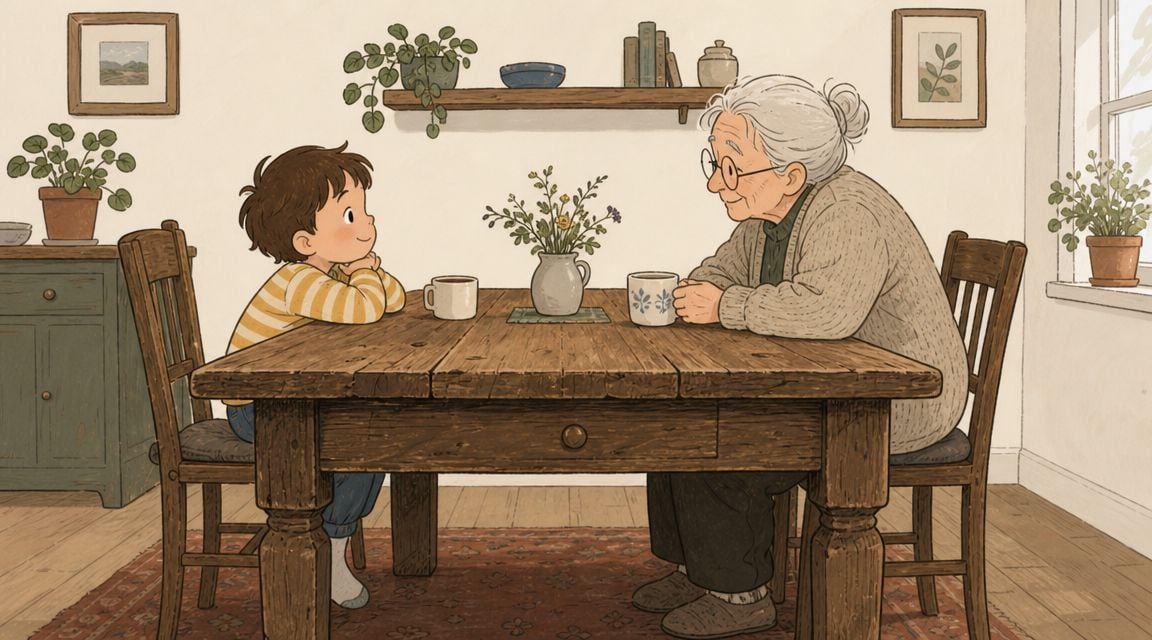
The biggest advantage of solid wood isn't just that it feels sturdy on day one. It's that the piece often remains usable after life happens. According to industry guidance on the cost of solid wood furniture, solid wood pieces can be sanded, re-glued, and refinished multiple times, unlike furniture made from particleboard or MDF.
That single difference changes the whole ownership experience.
A child drags a backpack buckle across a table edge. A lamp leaves a mark on a dresser. A move puts a dent in a bed rail. With many lower-cost materials, those moments can mean permanent damage. With solid wood, they're often maintenance problems instead of end-of-life problems.
Readers who want more on that long-use mindset can look at the benefits of solid wood furniture.
Where solid wood earns its keep
Not every piece in a home takes the same beating. That's why solid wood tends to make the most sense in furniture that works hard.
- Dining tables often carry the heaviest family traffic. Meals, homework, games, crafts, and holiday hosting all happen there.
- Beds handle daily load and motion. Strong material and sound construction matter.
- Desks take repeated use, shifting weight, dragged accessories, and changing roles over time.
- Dressers and case goods open and close over and over, and they often move with a family through multiple homes.
The phrase “buy once, cry once” gets thrown around a lot in home furnishing talk. It's not always right. But there's a practical truth inside it. For high-use categories, spending more on material that can be kept in service often feels better than replacing a failing piece later.
Family rule of thumb: If a piece is going to be leaned on, bumped, loaded up, and kept for years, solid wood usually deserves a close look.
That's why solid wood has remained a premium benchmark for categories like beds, dining tables, and desks. It isn't only about tradition. It's about what happens after year five, year ten, and beyond.
The Honest Truth About the Price Tag
Yes, solid wood usually costs more up front. There's no point dancing around that.
For many families, the hard part isn't deciding whether solid wood is attractive. It's deciding whether that higher price makes financial sense in real life. That's where “price” and “value” stop meaning the same thing.
Price is one thing, ownership is another
A lower-cost piece can look like the smart buy at checkout. But furniture doesn't stop costing money after the receipt. It costs money again if it needs to be replaced, if damage can't be fixed, or if it stops functioning well long before the household expected.
That's why the total cost of ownership matters. Guidance focused on solid wood versus veneer furniture notes that scratches or water marks on veneer or particleboard often lead toward replacement, while solid wood can typically be repaired or refinished.
A simple example makes this easier to see:
- A busy kitchen table gets surface wear, dents, and moisture marks over time.
- A child's bedroom dresser gets bumped by toys, laundry baskets, and moving-day straps.
- A home office desk takes daily friction from writing, equipment, and chair contact.
If those pieces are made from materials that don't recover well, the family may end up shopping again sooner than expected. If they're made from solid wood, the damage may be frustrating, but it may not end the life of the piece.
Shoppers weighing durability against budget may find this furniture shopping guide helpful when comparing short-term savings to long-term use.
When solid wood may not be the better buy
An honest answer matters most here. Solid wood isn't always the smartest choice.
A lower-cost engineered piece can make good sense in a guest room, a staging situation, a starter apartment, or a low-wear corner where the furniture won't take much abuse. It can also make sense for people who redecorate often and don't expect to keep a piece for many years.
A higher upfront price only pays off when the household's habits line up with the furniture's strengths.
There are also care considerations. Wood rewards sensible use. Coasters, basic moisture awareness, and heat protection still matter. Solid wood is durable, but it isn't indestructible.
That's why the best answer to “is solid wood furniture worth it” is often this: it's worth it when the piece will be used hard, kept long, and chosen for the right room.
Why USA and Amish Made Matters to Us
Material matters. So do the people who build the furniture.
For many local shoppers, the appeal of solid wood grows stronger when it's paired with careful craftsmanship and clear sourcing. That's one reason USA-made and Amish-made furniture means so much in this category.

Craftsmanship is part of the value
A piece can be labeled solid wood and still vary a lot in quality. The better question is how it's built. Hardwood species matter. Joinery matters. Thickness in load-bearing areas matters.
That's why many Milwaukee shoppers looking for long-term furniture focus on American-made and Amish-crafted collections. Those categories often line up with what buyers are hoping for in the first place: more careful construction, stronger materials, and a piece that doesn't feel disposable.
For local readers who want a closer look at that buying philosophy, this explanation of the advantages of buying furniture made in the USA adds useful context.
BILTRITE Furniture-Leather-Mattresses identifies USA-made, Amish-made, and real solid wood pieces in the showroom with in-store icons so shoppers can tell those categories apart while they browse.
Longevity is the sustainability test
A lot of furniture marketing makes “natural” sound like the whole environmental story. It isn't. The better sustainability question is whether the piece stays in use for a long time.
According to this discussion of solid wood and sustainability, solid wood becomes a stronger environmental choice when it's durable, repairable, and kept for many years. That idea makes practical sense. The piece that doesn't need fast replacement creates less waste and less churn in the home.
That doesn't mean every solid wood purchase is automatically a green purchase. If the piece is poorly made, badly suited to the room, or likely to be tossed after a style change, the sustainability case gets weaker.
Buying for longevity is often the most grounded form of sustainability a household can practice.
That mindset fits a local, family-business way of thinking. Choose carefully. Keep what serves the home well. Pass along what still has life in it.
Your Guide to Buying Solid Wood in Milwaukee
By the time shoppers get into a showroom, the biggest challenge usually isn't whether they like the look. It's knowing what to inspect.
A good solid wood purchase should feel reassuring before anyone talks about finish colors or matching chairs. The material, the build, and the fit for the room should all make sense.

What to check in the showroom
Start with the wood itself. Furniture guidance on durable wood species highlights oak, maple, cherry, and walnut as strong hardwood choices because their denser structure stands up better to everyday wear.
Then look beyond the species name.
- Check the load-bearing parts. Table tops, bed rails, drawer fronts, legs, and case sides deserve close attention.
- Open drawers and doors. They should move cleanly and feel aligned, not flimsy or shaky.
- Look at the joinery. Strong connections matter more than a nice stain.
- Touch the surface. A well-finished piece should feel smooth and intentional, not rough at edges or uneven at corners.
- Ask what can be repaired later. That answer often reveals how the piece is meant to live in a real home.
Shoppers in southeastern Wisconsin who want to browse local options can look at solid wood furniture in Wisconsin.
A local shopping tip that saves regret
Bring the room measurements. Bring doorway measurements too. That sounds basic, but it saves a lot of frustration. Milwaukee-area homes include bungalows, ranches, condos, older staircases, and tighter entryways. A beautiful solid wood piece still has to fit the home and the lifestyle.
It also helps to tell the salesperson how the room gets used. Is the dining table for holidays only, or every meal plus puzzles and homework? Is the dresser for a guest room, or for a child who slams drawers in a hurry every morning? Those details matter more than shoppers sometimes realize.
A strong local showroom experience helps because people can sit, open, inspect, compare finishes in person, and ask practical questions. That's especially useful with solid wood, where grain, heft, scale, and construction are much easier to understand face to face than from a screen.
At BILTRITE in Greenfield, the team brings more than 400 years of combined experience to those conversations, and the store is closed on Sundays and Mondays to support family time. For Milwaukee-area shoppers who want to take their time, ask honest questions, and see the difference up close, that kind of setting makes the decision easier.
For anyone still weighing whether solid wood furniture is worth it, a visit to BILTRITE Furniture-Leather-Mattresses can make the choice a lot clearer. The Greenfield showroom gives Milwaukee-area shoppers a chance to compare materials in person, look for the USA-made, Amish-made, and solid wood icons, and talk with an experienced team in a relaxed, no-pressure setting.