A Fun Guide to Small Scale Club Chairs for Your Home


A lot of shoppers are in the same spot. The room isn't huge, the old chair feels too bulky, and every “small” option online seems to look different once the tape measure comes out. In apartments, condos, cozy bungalows, and senior living spaces around Metro Milwaukee, seating often has to do two jobs at once. It has to feel inviting, and it has to fit.
That's where small scale club chairs earn their keep. They bring the relaxed, tucked-in comfort people want from a lounge chair without swallowing the room. For a family-owned store that's been serving the Milwaukee area since 1928, that balance has been part of the conversation for generations. A chair can look charming on a screen. It still has to work in a real doorway, beside a real lamp, in a room where people live.
Table of Contents
- Your Cozy Corner Solution for Small Spaces
- What Exactly Is a Small Scale Club Chair
- Getting the Size Right for Your Room
- Choosing Your Look and Feel Fabric vs Leather
- Styling Ideas for Apartments and Senior Living
- The BILTRITE Difference Buying Your Chair in Milwaukee
Your Cozy Corner Solution for Small Spaces
Small homes can be the trickiest to furnish well. A sofa may fit one wall, but then a big chair blocks the walkway. A recliner may sound tempting, but suddenly the room feels pinched. That's often when shoppers start looking for something with comfort and shape, but not too much bulk.
Small scale club chairs solve that problem in a way that feels classic instead of compromise-driven. They tuck into corners, sit nicely beside a sofa, and can turn an unused patch of floor into a reading spot, conversation area, or quiet landing place. In many Milwaukee-area homes, that's the difference between a room that feels crowded and one that feels settled.
One common example is the condo living room that needs one extra seat, but can't handle a wide, sprawling chair. Another is the downsizing couple who still wants a rich, finished look without oversized furniture. For both, a compact club chair often lands right in the sweet spot.
A chair doesn't have to be huge to feel generous. Good scale often matters more than sheer size.
For shoppers exploring small space furniture solutions for tighter rooms, this category is worth a close look. The shape feels familiar and welcoming, and the smaller footprint makes it far easier to use in everyday layouts.
What Exactly Is a Small Scale Club Chair
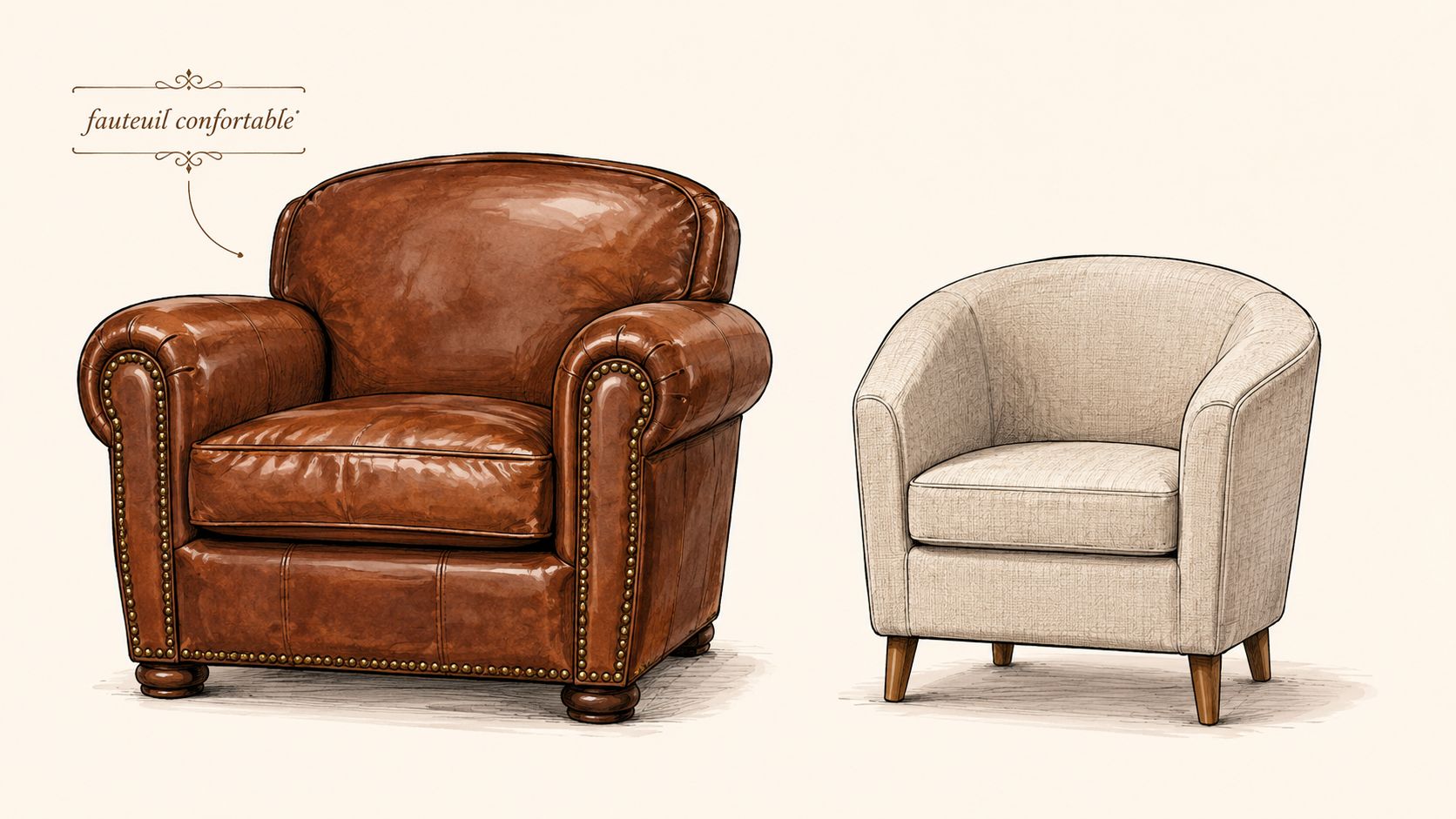
The name “club chair” can sound a little formal at first. Some shoppers picture a dark leather chair in an old library. That image isn't completely wrong, but it leaves out why this style has lasted so long.
The club chair story in plain English
The club chair is generally traced to late 19th-century France, where it first appeared as the fauteuil confortable, or “comfortable armchair,” before becoming popular in elite gentlemen's clubs in the early 20th century, according to the club chair history summary. That early form centered on comfort. It had a deep seat, curved arms, and an upholstered frame that felt more enveloping than stiffer chair styles.
That history matters because the original idea was never about delicate display furniture. It was about sitting well. People settled into these chairs for conversation, smoking, and long stretches of use. That “hug-in-a-chair” feeling is still what draws many shoppers to the style today.
What makes it small scale
A small scale club chair keeps the personality of the classic version but trims the outer footprint. The key difference is that the chair is designed to fit modern rooms more easily without losing the sense of support and ease that makes a club chair appealing.
That means shoppers should think about two dimensions at once:
- Outer scale: The width, depth, and height that affect how much room the chair takes up.
- Inner comfort: The usable seat area where someone sits.
- Visual weight: How heavy or light the chair looks in the room, especially from across the space.
Some compact models also sit on slightly higher legs, which can make them look lighter and less blocky in smaller rooms. That's one reason this style works so well in today's homes.
For shoppers browsing small-scale furniture options for apartments and condos, club chairs often stand out because they offer shape and comfort without demanding a huge footprint. They feel established and cozy, but they don't have to dominate the room.
Getting the Size Right for Your Room
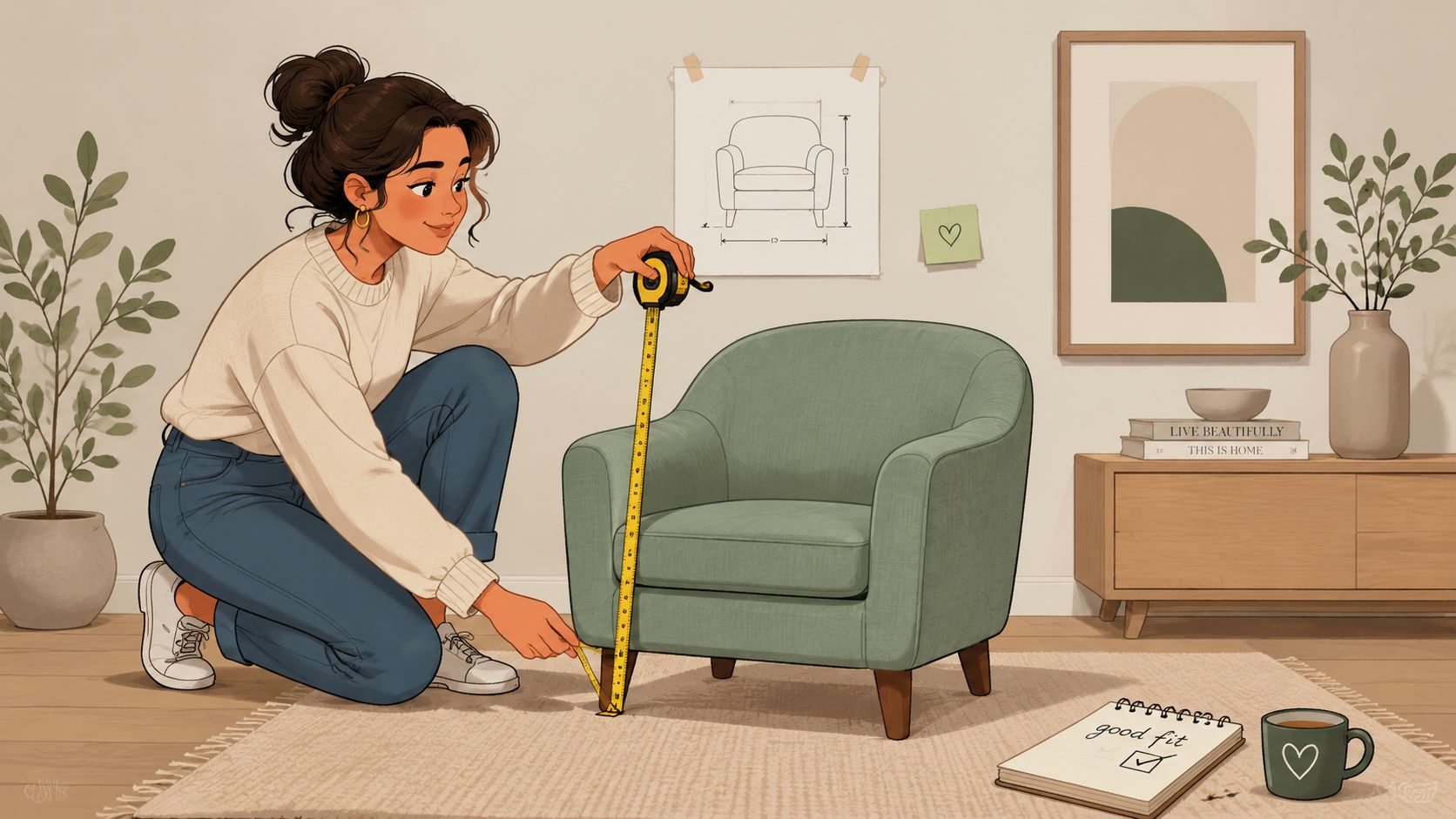
Smart shopping is key. Plenty of chairs look manageable until they land in a room and suddenly crowd the walkway, bump into a side table, or feel larger than expected beside the sofa.
Start with the outside measurements
A practical target for a small scale club chair is under 32 inches wide, based on the sizing guidance in this club chair guide. That's a helpful benchmark because width is often what determines whether a chair feels trim or bulky in a smaller room.
A compact chair can still be substantial. The trick is finding one that uses its dimensions wisely. A benchmark example is the Santa Cruz club chair, which measures 30W x 35D x 32.5H inches and still offers a comfortable inside width of 21 inches, as shown on this chair specification page.
That tells shoppers something important. Smaller outside dimensions do not automatically mean cramped sitting space.
Then check the sitting space inside
This is the part people often miss. They look at the outside width and stop there. But the sitting experience depends on the inside seat width, the seat depth, the seat height, and where the arms hit.
A simple way to evaluate a chair is to compare these questions:
| What to check | Why it matters |
|---|---|
| Overall width | Helps determine whether the chair will visually overpower the room |
| Overall depth | Affects walkway clearance and how far the chair projects into the space |
| Inside seat width | Tells more about actual comfort than the outer width alone |
| Seat height | Changes how easy the chair is to get into and out of |
Shoppers who want a quick reference can also review standard chair width and sizing basics before heading into a showroom.
Practical rule: Measure the room for living, not just for fitting. A chair should clear the wall and still leave the room easy to move through.
Don't skip the delivery path
This is the family secret that saves headaches. The room may be ready, but the chair still has to get there.
A common gap in buying advice is delivery and fit planning. One source notes that even a chair marketed as “small” may measure 30 inches wide by 38 inches deep, which can create trouble in apartments and tight homes, as discussed in this delivery and fit planning video reference.
Before buying, measure these spots:
Front door opening
Check the narrowest clear opening, not just the door slab.Hallways and entry turns
Tight turns can stop a chair even when the doorway itself seems fine.Stair landings or elevator access
These are common trouble spots in condos and apartment buildings.Final room placement
Make sure the chair won't pinch a traffic path once it's in place.
Many shoppers focus on style first and logistics second. It's usually better to reverse that order. Once the fit is confirmed, choosing the fun details gets a lot easier.
Choosing Your Look and Feel Fabric vs Leather

After size, the next big decision is feel. A club chair can lean soft and casual, structured and polished, or warm and timeworn. Upholstery does a lot of that work.
Interior designers have noted a shift toward “more furniture and more comfortable chairs, though smaller in scale,” in this design trend discussion. That helps explain why shoppers now see compact chairs in a wider range of fabrics, leathers, and finishes than in the past.
When fabric makes more sense
Fabric club chairs are often the easiest way to add personality. They can soften a room, bring in color, or tie together an existing rug or sofa. In homes that already have a lot of wood, leather, or hard surfaces, fabric can keep the space from feeling too heavy.
Fabric is often a good match for:
- Pattern lovers: Prints, textures, and woven looks can make one chair feel like a feature piece.
- Layered rooms: Fabric blends well with pillows, throws, and softer palettes.
- Casual spaces: It usually gives off a more relaxed tone than leather.
When leather is the better fit
Leather carries the classic club chair look many people think of first. It feels grounded, refined, and timeless. It can also be a smart practical choice for busy households because the surface is easier to wipe down than many fabrics.
Leather often makes sense for:
- Classic interiors: It brings a familiar club-chair character.
- Rooms that need warmth: Brown, caramel, and deep tones can add richness fast.
- Shoppers who like aging character: Leather changes over time and can develop a worn-in look.
Some rooms need a splash of color. Others need texture and depth. The upholstery choice should answer the room, not just the trend.
What matters under the upholstery
The outer material matters, but the frame and build matter just as much. A chair can look sharp on day one and still disappoint if the structure underneath isn't solid.
That's where local showroom shopping can be useful. BILTRITE Furniture-Leather-Mattresses carries affordable, better-quality furniture with a strong focus on USA-made, Amish-made, and solid-wood pieces, along with custom choices in fabric, leather, wood, and finish. For a category like small scale club chairs, that means shoppers can compare not only appearance but also support, cushion feel, and frame quality in person.
A short checklist helps here:
- Frame quality: Solid, well-built frames usually feel steadier when someone sits down.
- Seat support: The cushion should feel supportive without turning stiff.
- Arm shape: Rounded, sheltering arms often deliver the classic club-chair comfort people expect.
- Leg design: Exposed legs can lighten the look in tighter spaces.
Styling Ideas for Apartments and Senior Living
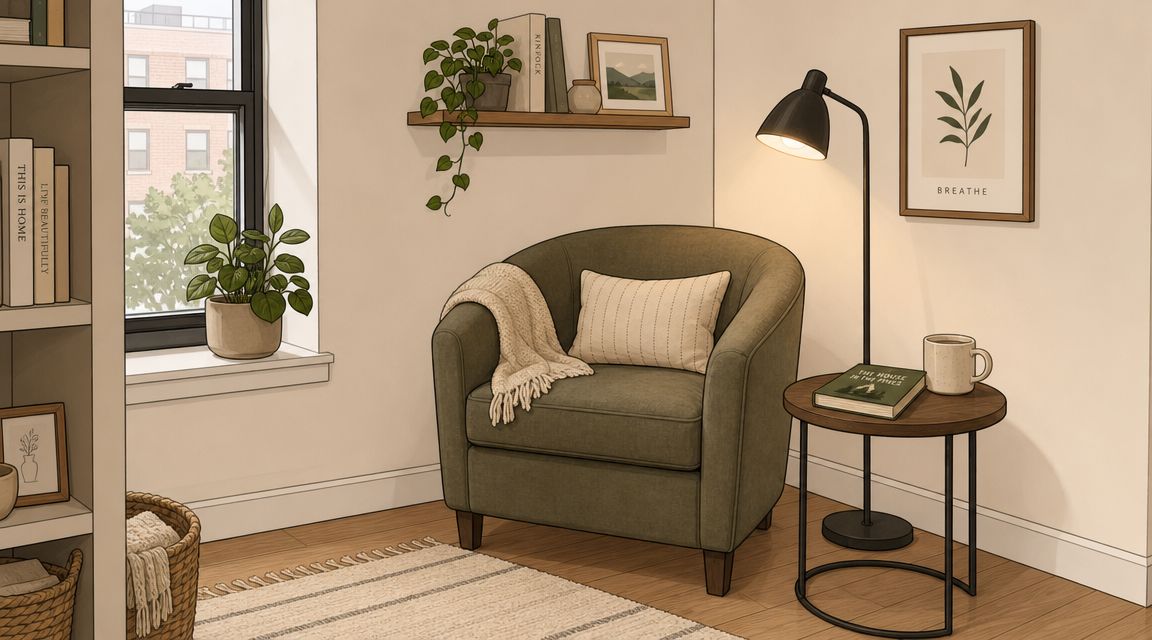
A small scale club chair can do more than fill an empty corner. It can create a destination inside the room. That's especially helpful in homes where every piece has to earn its spot.
A reading nook that doesn't crowd the room
In a first apartment, one compact chair beside a floor lamp and a small table can create a full reading nook without making the room feel boxed in. The chair acts as a visual anchor. It says, “one can pause here for a while,” even if the space around it is limited.
The same move works in a bedroom corner, a den, or beside a window. Angling the chair slightly instead of pushing it flat to the wall can make the setup feel more open and welcoming.
A few styling moves work especially well:
- Use a slim side table: It gives the chair function without adding bulk.
- Add a floor lamp: That makes the seat feel intentional, not leftover.
- Keep nearby pieces light: Open-leg tables and airy lamps help the chair stand out without heaviness.
A compact chair often works best when the pieces around it stay visually light.
A welcoming setup for downsizing and senior living
For downsizing households, two small club chairs can replace one oversized loveseat and create a more flexible conversation area. That arrangement can make the room feel easier to move through and simpler to update later.
In senior living spaces, a club chair can offer a personal seat that feels supportive and homey. It can be especially helpful in a suite or apartment where residents want one dependable chair for reading, visiting, or relaxing without overfilling the room. Shoppers looking at furniture options for assisted living and senior-focused spaces often find that scale, arm support, and ease of placement matter just as much as style.
A chair like this also helps a new space feel familiar. One well-chosen seat, a lamp, and a favorite side table can go a long way toward making a smaller home feel settled.
The BILTRITE Difference Buying Your Chair in Milwaukee
Buying a chair online can seem easy until the hard part begins. The color feels off in person. The seat is firmer than expected. The chair looked “small” on the product page, but in real life it's awkwardly deep for the room.
That kind of mismatch is common enough that buying advice often leaves shoppers with style ideas but not the practical fit answers they need. A chair may be labeled compact and still turn out much larger in use than expected. That's one reason in-store shopping still matters so much for this category.
Why the showroom experience helps
A chair is something people sit in, reach over, walk around, and live with. Those details are hard to judge from photos alone. In a showroom, shoppers can test arm height, cushion feel, back support, and the overall sense of scale.
They can also talk through practical questions that often get skipped:
- Will it clear the condo hallway?
- Does the seat feel supportive enough for daily use?
- Will this shape look lighter than another option in the same room?
For Milwaukee-area shoppers, what sets the local in-store experience apart often comes down to that kind of problem-solving. A fourth-generation family-owned business that's served the community since 1928 has seen plenty of tricky floorplans, narrow entries, and downsizing projects. That kind of hands-on guidance can take a lot of uncertainty out of the process.
For shoppers who want to compare small scale club chairs in person, test comfort, and talk through room fit with an experienced local team, BILTRITE Furniture-Leather-Mattresses offers a Greenfield showroom focused on affordable, better-quality furniture, including small-scale, USA-made, Amish-made, and solid-wood options.