Find the Right Brown Floor Lamp for Your Home


A lot of Milwaukee families know the feeling. The sofa looks good, the coffee table is in place, and the room is comfortable enough, but the corner by the recliner still feels a little flat. At night, that same room can seem darker than expected, especially when someone wants to read, work on a puzzle, or just soften the glow from the overhead light.
That's where the right brown floor lamp can change the whole room. It adds light, yes, but it also adds warmth, balance, and a finished look that helps a space feel settled. In homes across Bay View, Brookfield, Wauwatosa, and Greenfield, that finishing touch often matters more than people expect.
Table of Contents
- Welcome to the BILTRITE Family
- Choosing Your Brown Floor Lamp Style and Finish
- Getting the Size and Scale Right for Your Room
- Shades and Bulbs The Secret to Great Light
- Built to Last Care and Durability Tips
- Come Find Your Lamp at Our Greenfield Showroom
Welcome to the BILTRITE Family
On a chilly evening in Metro Milwaukee, a living room often tells the whole story. The family gathers around a comfortable sofa, someone claims the favorite chair, and the room should feel calm and inviting. But one dark corner can keep the space from feeling complete.
That small missing piece is often lighting. A brown floor lamp can do more than brighten a corner. It can tie together wood finishes, soften the room at night, and make the whole space feel like it has belonged together all along.
BILTRITE has helped local families furnish their homes since 1928. As a fourth-generation, family-owned business in the Metro Milwaukee community, BILTRITE has seen how the right finishing piece can change the way a room lives day to day. A lamp beside a reading chair, next to a sectional, or tucked into a smaller apartment living room often becomes one of the most-used items in the house.
Practical rule: A floor lamp should serve the people in the room first, and the style second. When it does both, the room feels settled.
That approach fits the way many Milwaukee homes come together. Some families want a lamp that looks right beside Amish-made solid wood furniture. Others need something sleeker for a condo, duplex, or updated colonial. Some are shopping with older parents in mind and want easier reading light near a chair or lift recliner.
BILTRITE takes a family-first view of furnishing. That means affordable, better-quality pieces, a strong focus on USA-made and Amish-made craftsmanship, and guidance that feels helpful instead of pushy. It also means honesty about who BILTRITE is. The store doesn't sell online, and it's closed on Sundays and Mondays so families can spend time together.
A brown floor lamp may sound simple, but choosing the right one takes a little thought. Style, finish, height, shade, bulb, and durability all matter. Once those pieces line up, a room doesn't just look better. It feels easier to live in.
Choosing Your Brown Floor Lamp Style and Finish
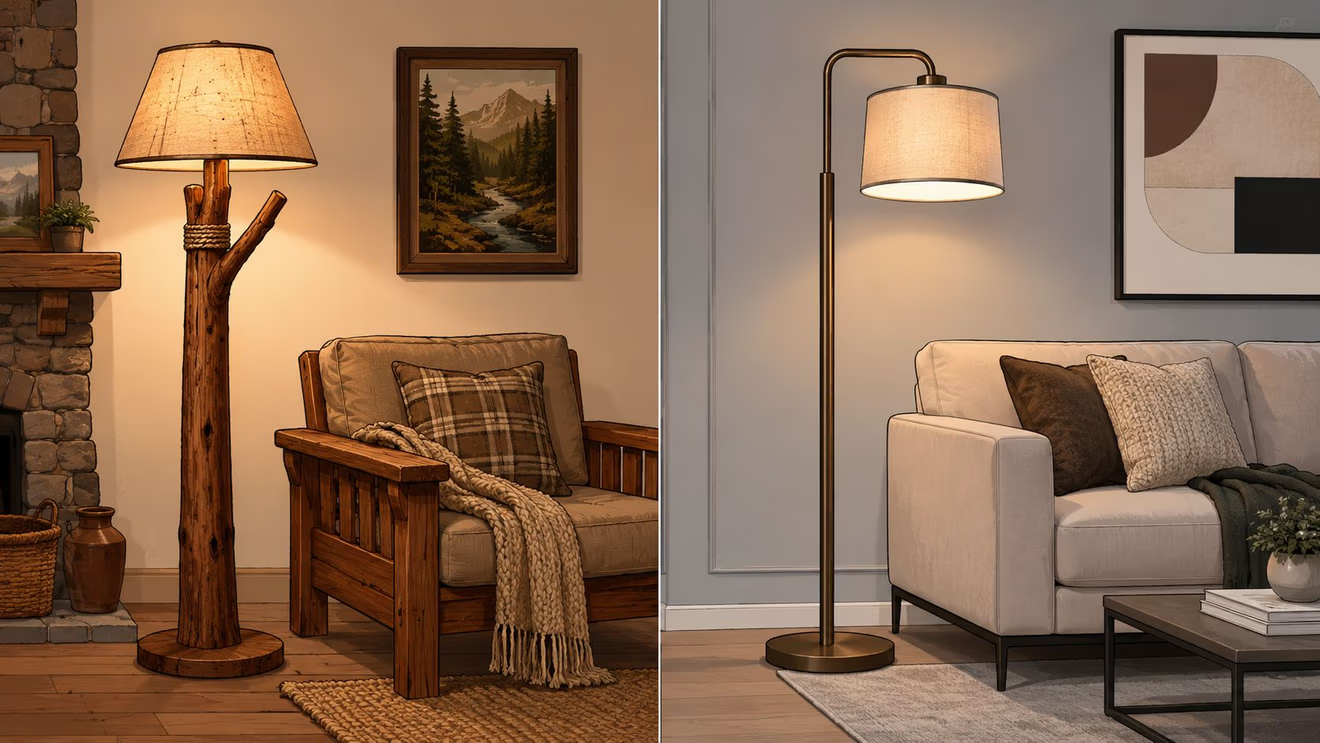
Style usually catches the eye first. With a brown floor lamp, the style is closely tied to the finish, and the finish is what helps the lamp belong with the rest of the room.
Wood tones that feel at home
A wood floor lamp often makes the most sense in rooms with solid wood furniture. That's especially true in homes with Amish-made dining pieces, real wood end tables, or bedroom furniture with visible grain and character. The lamp doesn't have to match every wood surface exactly, but it should feel related.
A few common brown directions help narrow things down:
- Deep brown or espresso tones work well in rooms that already have richer wood furniture, darker leather, or a more refined aesthetic.
- Medium brown finishes tend to be flexible. They can sit comfortably near both lighter upholstery and darker case pieces.
- Warm oak-like browns feel relaxed and familiar. They often suit bungalows, traditional homes, and spaces with a softer, lived-in look.
When families get stuck, it's usually because they think everything has to match piece for piece. It doesn't. A better approach is to match the temperature of the wood. Warm wood usually pairs best with warm wood. Cooler brown tones tend to look better with cooler stains and quieter fabrics.
Metal finishes with a brown family look
Not every brown floor lamp is made of wood. Some of the most versatile lamps use metal in finishes such as bronze, antique bronze, or other brown-toned metals. These can add shape and contrast without clashing with nearby furniture.
Metal finishes work nicely when the room already includes other accents such as drawer pulls, framed art, or end table hardware. For families exploring that mix, BILTRITE's advice on decorating with metal accents at home can help connect the lamp to the rest of the room.
A wood lamp usually blends in. A metal lamp often adds definition. Neither choice is wrong. The room decides.
One factual example in this category is the BILTRITE Furniture-Leather-Mattresses City Heights Floor Lamp, which is described as brown with a transitional metal style. That kind of lamp can bridge classic and current furniture without leaning too hard in either direction.
How to match the lamp to the room
A good lamp style usually follows the strongest furniture piece nearby. If the chair, sofa, or side table has a simple shape, a clean-lined lamp will feel natural. If the room has turned legs, carved wood, or a more classic mood, a lamp with softer curves and richer finish details will often fit better.
This quick checklist helps:
- Look at the nearest wood furniture: The lamp should echo the tone or mood, not compete with it.
- Notice the room's hardware and accents: Brown-toned metal can tie into existing details without feeling heavy.
- Choose one main personality: Rustic, transitional, traditional, or cleaner contemporary. Mixing too many signals can make a corner feel unsettled.
A brown floor lamp works best when it feels connected to the furniture people already love. In a room built around USA-made upholstery, solid wood tables, and family use, that harmony matters more than chasing a trend.
Getting the Size and Scale Right for Your Room
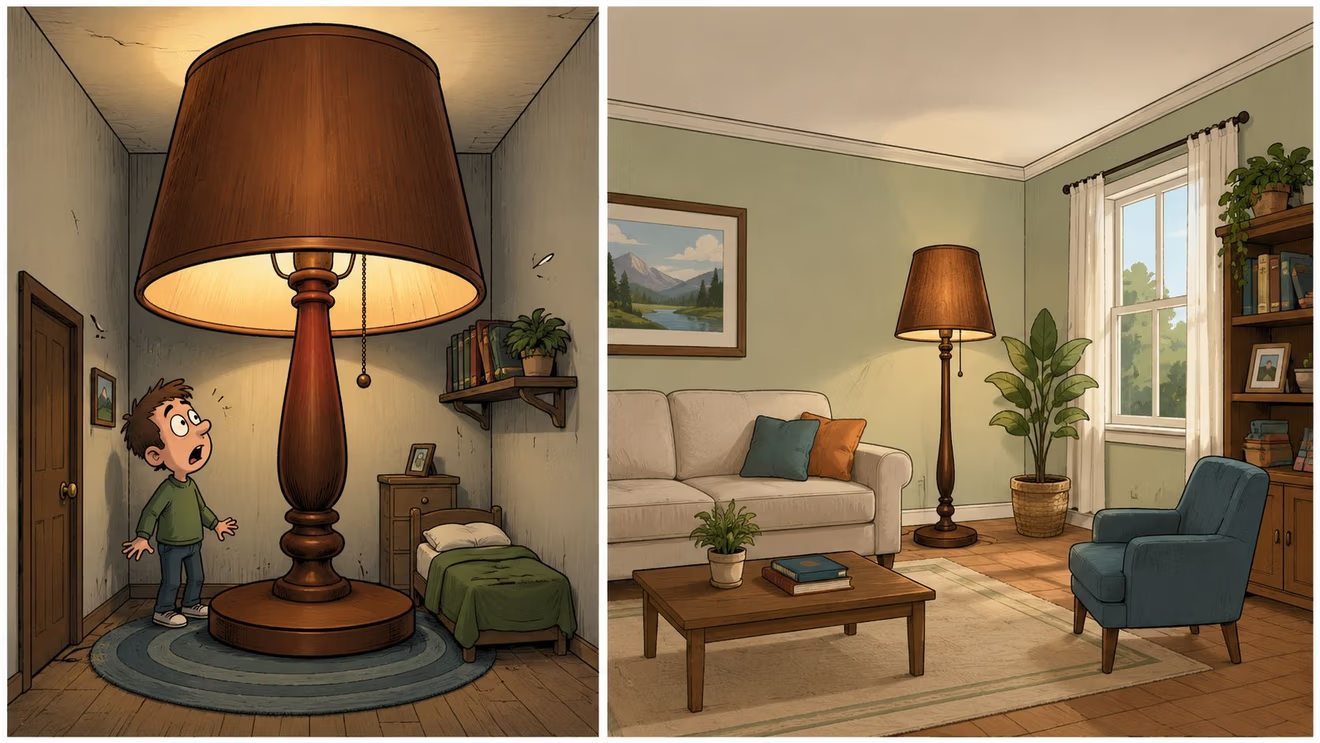
A beautiful lamp can still look awkward if it's too tall, too bulky, or too tiny for the spot. Scale matters because a floor lamp sits at eye level and shares space with seating, tables, and walkways.
A simple way to judge lamp height
The easiest rule is to sit in the chair or sofa the lamp will serve. Then picture where the shade will land. In many rooms, the bottom of the shade should be around seated eye level or a little below it. That helps avoid glare and keeps the light useful.
If the bulb is visible when someone sits down, the lamp may be too tall or the shade may be too shallow. If the shade sits too low, the lamp can feel squat and block sight lines.
A brown floor lamp beside a reading chair should support the chair, not tower over it. Beside a longer sofa, the lamp can usually carry a little more height or visual weight because it has more furniture mass to balance against.
What works in smaller Milwaukee homes
Many Milwaukee-area homes have rooms that need careful scaling. Bungalows, duplexes, condos, and apartments often don't have spare inches to waste. In those homes, a lamp with a slimmer base and cleaner silhouette usually works better than one with a wide footprint or oversized shade.
That's often the same thinking families use when shopping for furniture sizing and room measurement tips. A lamp may seem easier than a sofa, but it still needs breathing room around it.
Smaller spaces usually benefit from these choices:
- Narrower bases: Easier to place near end tables, recliners, or tighter traffic paths.
- Open frames or simpler poles: They feel lighter visually, which helps a room look less crowded.
- Shades with moderate width: A huge shade can make a compact room feel top-heavy.
In a smaller room, visual weight matters almost as much as physical size. A lamp can fit the floor plan and still feel too big if the shade and base look heavy.
How the lamp should relate to nearby furniture
The lamp doesn't live alone. It shares the corner with a chair, sofa arm, end table, or bookshelf. That means its scale should be judged in context.
A few pairings tend to work well:
Beside a recliner or reading chair
The lamp should feel close enough to serve the seat without crowding the shoulder area. A focused reading lamp or a slightly narrower shade often works well here.At the end of a sofa
A lamp with a little more presence can anchor the end of the seating area, especially if the sofa is longer or deeper.Near a bookshelf or cabinet
The lamp should complement the height and shape of the furniture beside it. Too many tall pieces clustered together can make the corner feel stiff.
In Bay View duplexes, a modestly scaled lamp often feels right because rooms may be narrower and more layered. In Brookfield colonials with larger seating groups, a lamp can usually carry a broader shade or more substantial base. The goal stays the same. The lamp should feel like it belongs to the room's architecture and to the way the family uses the space every day.
Shades and Bulbs The Secret to Great Light
The base gets attention in the store, but the shade and bulb decide how the lamp lives in the home. Two lamps with similar brown finishes can feel completely different once they're switched on.
What the shade changes
Shade shape affects where the light goes. That matters if the lamp is meant for reading, for general glow, or for soft evening light while the family watches a movie.
A few common shade styles make the choice easier:
- Drum shades spread light in a balanced way and often suit living rooms that need general, easy light.
- Cone or tapered shades direct light a little more, which can help near chairs and side seating.
- Bell-shaped shades lean traditional and can create a softer, classic look with more downward emphasis.
Shade material changes the mood too. A lighter fabric usually lets more glow pass through the sides. A darker or heavier shade can feel cozier, but it may also reduce how much ambient light reaches the room.
For seniors or anyone who reads, sews, does crossword puzzles, or works on hobbies, the shade should support task lighting rather than only look decorative. A lamp that's too dim or too diffused can be frustrating even when it looks attractive in daylight.
A reading lamp should light the page, not just the corner.
For more ideas on layering a room with useful light, BILTRITE's article on putting a living room in the best light offers helpful room-by-room guidance.
Bulbs made simple
Bulb shopping tends to confuse people because the packaging uses technical language. The easiest way to sort it out is to think in terms of outcome.
| Light Characteristic | What it Means | BILTRITE's Recommendation |
|---|---|---|
| Brightness | How strong the light feels in the room | Choose a bulb that feels comfortable for the lamp's job. Brighter for reading, gentler for evening glow |
| Color temperature | Whether the light looks warm and cozy or cooler and crisper | For most living rooms, a warmer look usually feels more welcoming |
| LED design | A modern bulb style that runs efficiently and stays cooler than older bulb types | LED is a practical everyday choice for most floor lamps |
| Dimmable option | Whether the bulb can adjust to different moods | Helpful in multipurpose rooms if the lamp and switch setup support it |
Warm-toned bulbs usually suit a brown floor lamp because they complement brown wood and bronze-like finishes. Cooler light can work in work areas, but in a living room it may feel sharper than families want at night.
People also get tripped up by the relationship between bulb and shade. A bright bulb inside a very dark shade can still produce less useful room light than expected. A softer bulb inside a lighter shade may create a more pleasant result for conversation and relaxing.
This pairing method helps:
- For reading: choose a shade that directs light and a bulb that feels clear enough for the task.
- For overall room glow: use a more open or light-colored shade with a warm-looking bulb.
- For flexible living rooms: consider a lamp and bulb combination that can shift between quiet evening light and stronger task light.
The right bulb doesn't draw attention to itself. It makes the room feel easier to use.
Built to Last Care and Durability Tips
A floor lamp gets touched, moved, dusted, bumped by vacuum cleaners, and tested by kids and pets. That's why build quality matters. A brown floor lamp that looks good on day one but feels wobbly after regular use won't bring much long-term value to the room.
What makes a lamp feel sturdy
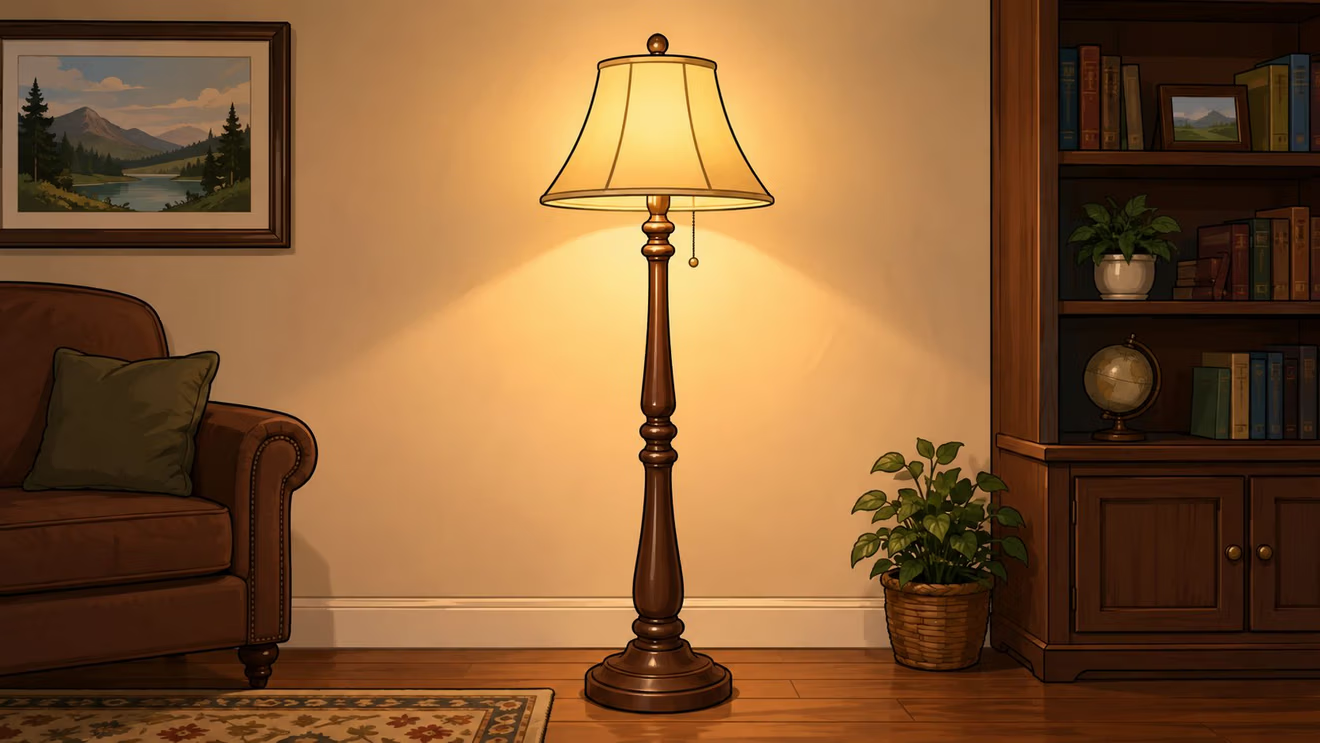
The first thing to check is the base. A stable, weighty base helps the lamp stay planted, especially in busy family rooms and homes with pets. The pole should feel secure, the joints should tighten cleanly, and the shade should sit straight rather than wobble.
Material quality matters too. Real wood, substantial metal, and well-finished surfaces usually age more gracefully than lightweight materials that scratch or loosen easily. That fits BILTRITE's broader focus on affordable, better-quality home furnishings, especially the USA-made, Amish-made, and solid wood pieces many Milwaukee families prefer.
A durable lamp often shows its value in quiet ways:
- It stays steady when the room gets active.
- It keeps its finish with normal household care.
- It still looks appropriate years later because the design isn't flimsy or overly trendy.
Easy care for wood and metal finishes
Care doesn't need to be complicated. Most lamps hold up well with gentle, regular cleaning and a little common sense.
For wood bases, dust with a soft cloth and avoid soaking the finish. Families who already care for solid wood furniture can follow many of the same habits used for cleaning wood furniture safely. The biggest mistake is using harsh sprays or rough materials that leave residue or dull the finish.
For brown-toned metal finishes, a dry or slightly damp soft cloth usually does the job. It's better to wipe gently and consistently than to let buildup sit and then scrub aggressively later.
Quality shows up in maintenance. Better materials usually ask for simple care, not constant rescue.
A brown floor lamp should earn its place in the room for years, not just for one decorating season. That's especially important in hardworking homes where furniture and lighting need to keep up with daily life, not just look nice in a photo.
Come Find Your Lamp at Our Greenfield Showroom
Shopping for a lamp in person still makes a difference. Brown finishes can look warmer, cooler, richer, or flatter depending on the room, the shade, and the light around them. A photo can hint at that, but it can't replace standing next to the lamp and seeing how the color reads.

Why seeing a lamp in person matters
In the showroom, families can do the things that matter most. They can compare wood tones to nearby furniture, look at shade shape from a seated angle, and check whether the base feels sturdy enough for the room they have in mind.
That's especially helpful when the lamp needs to coordinate with solid wood furniture, small-scale seating, senior-friendly recliners, or heavier-duty pieces. A lamp that seems right online can feel too shiny, too dark, too tall, or too delicate once it's in a real room. In-store shopping cuts down on that guesswork.
BILTRITE has served Metro Milwaukee since 1928, and that long local history still shapes how the showroom works. The team is there to help people think through fit, finish, and everyday use. With over 400 years of combined experience, the sales associates bring real perspective without turning the visit into a pressure-filled event.
A local showroom built for real decisions
Because BILTRITE doesn't sell online, the store experience matters even more. Families can spend time with the furniture, compare options side by side, and ask practical questions. That hands-on approach fits the way many Milwaukee shoppers prefer to buy pieces that need to last.
There's also a bigger local story behind it. BILTRITE is family-owned, buy-local focused, and proud to be closed on Sundays and Mondays for family time. That isn't a slogan. It's part of how the business has operated across generations in this community.
A visit can also help with more than lamps. Some shoppers come in for lighting and end up solving a bigger room issue, whether that means finding small-scale furniture for an apartment, heavy-duty seating for a busy household, or exploring a mattress department with over 60 models.
Anyone planning a trip can use BILTRITE's Greenfield location details to get started. The goal isn't to rush a decision. It's to help Milwaukee-area families find a brown floor lamp that looks right, works well, and feels like it belongs in the home from the start.
Ready to find a brown floor lamp that fits the room and the way the family lives? BILTRITE Furniture-Leather-Mattresses would love to welcome Milwaukee-area shoppers to the Greenfield showroom, answer questions, and help match lighting to the furniture already at home. Come on down and see the finishes, shades, and scale in person.