Milwaukee’s Best Independent Living Recliner Chairs


Getting up from a chair shouldn't feel like a little workout before the day even starts. Yet plenty of people know the routine, the cushion sags too low, the seat feels too soft, and standing means pushing hard on knees, hips, or a nearby table. That's usually the moment an independent living recliner chair starts to make real sense, because the right chair can turn a frustrating daily struggle into something calm, steady, and much easier on the body.
At BILTRITE, we've spent generations helping Milwaukee families make those kinds of decisions with confidence. We're a fourth-generation, family-owned showroom serving Greenfield and Metro Milwaukee since 1928, and we still believe the best advice starts with listening, not pushing. If someone is trying to keep life comfortable at home while staying as independent as possible, a recliner isn't just another piece of furniture. It's part of the daily routine.
For anyone comparing options, the smartest place to begin is with the basics, then work toward fit, safety, and long-term comfort. Our ultimate recliner buying guide is a helpful companion, but this article goes a step further by focusing on the two things that matter most for independence, getting the chair to fit the person, and making sure it fits the room too.
Your Guide to Comfort and Independence
A lot of people first notice the problem in the evening. The chair that felt fine for a quick sit suddenly becomes the one they dread when it's time to stand up, and they find themselves scooting forward, rocking, or using their arms like extra legs. That's not just annoying, it can make the whole house feel less manageable.
That's where independent living recliner chairs earn their keep. They're built for more than lounging, they're meant to support the everyday move from sitting to standing in a way that feels steadier and more controlled. For someone dealing with sore joints, weaker balance, or a recovery period, that difference can matter every single day.
Why the right chair changes the whole routine
A comfortable chair should help someone relax, but a supportive chair should also help them move with less strain. That's the heart of the independent living idea, and it's why these chairs come up so often in conversations about aging in place.
Practical rule: if standing up from a chair takes a visible effort every time, the chair may be working against the user instead of for them.
BILTRITE's approach is simple. We help neighbors look at comfort, size, support, and room layout together, because those details belong in the same conversation. A chair can look beautiful and still be the wrong choice if it sits too low, takes up too much space, or doesn't provide the support someone needs at home.
For families in Milwaukee, that matters. The goal isn't to buy a chair that just looks nice in the showroom. The goal is to find one that still feels right after months of real use, during an ordinary afternoon, an evening nap, or the daily stand-up that starts or ends the day.
What to keep in mind before shopping
A good starting point is to think about who will use the chair, how often they'll use it, and what they need it to help with. Some people want easier rising support, while others care more about reclining comfort, pressure relief, or a seat that feels easier to get into in the first place.
That's why we always encourage people to slow down and look at the whole picture. The most useful chair is the one that supports the person's routine, the room, and the future, not just the current wish list.
Recliner vs Lift Chair Whats the Difference
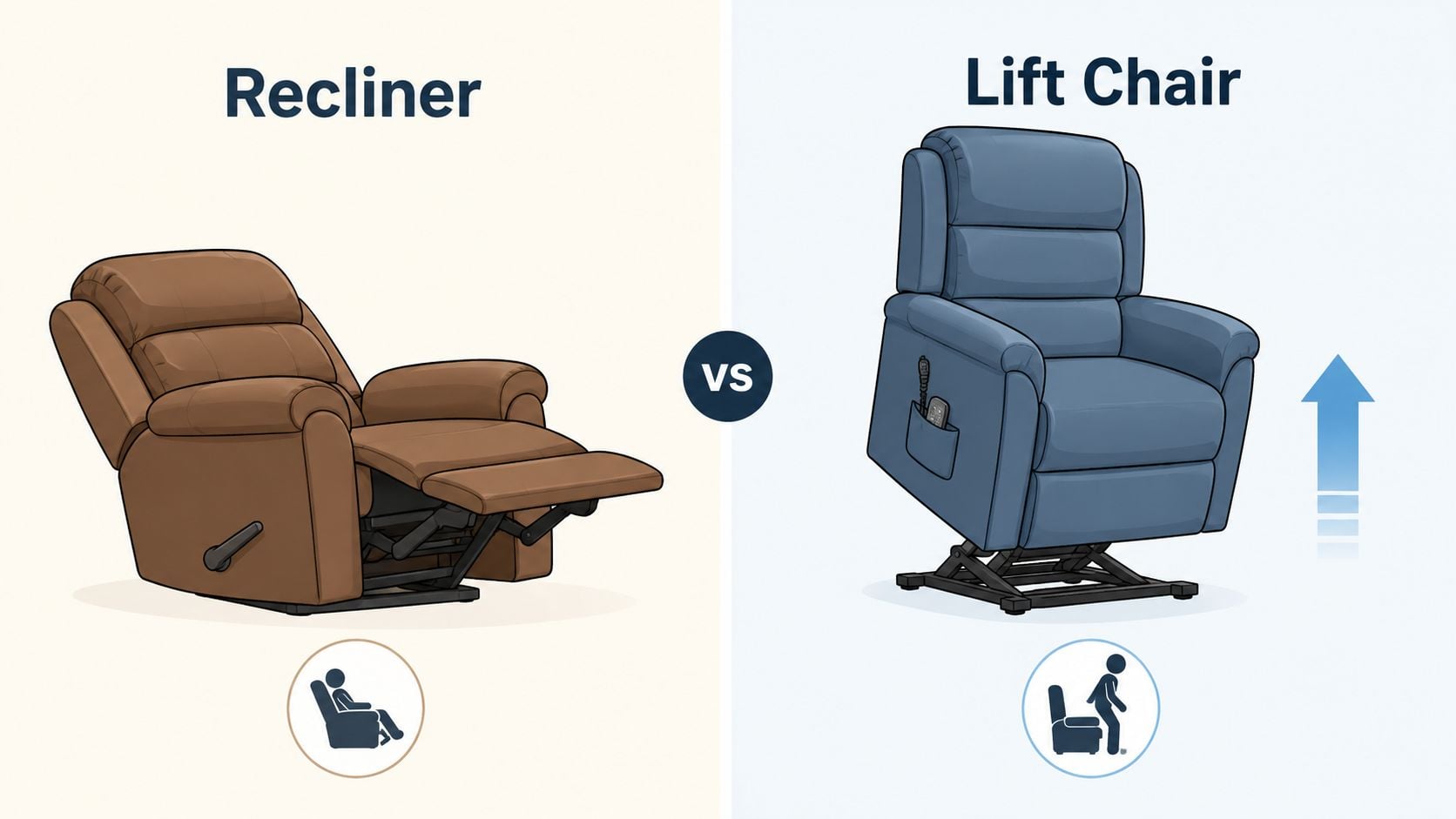
A standard recliner is made to lean back and rest. A lift chair adds something more important for many people, a powered lifting mechanism that gently tilts the chair forward to help the user stand up from sitting, and that assisted rise reduces strain on muscles and joints while providing stable support during the transition, as noted in the guide from SeniorLiving.com.
The chair offers the support of an extra set of helping hands built into it. The chair does the careful part of the movement, which means the person doesn't have to pull up with as much force or twist in a way that feels risky. For someone with limited mobility, that can be the difference between feeling braced and feeling exposed.
Learn more about lift chairs for elderly users
What the lift feature really does
The point isn't just to recline farther. The point is to create a smoother, safer sit-to-stand motion that supports independence at home. That's why lift chairs are often discussed alongside mobility planning, because they support a function, not just a posture.
A lift chair should feel like support, not a tug. The user should feel guided forward, not thrown off balance.
That's also why the control matters. A person who can lower and rise with confidence is more likely to use the chair every day, which is where its true worth becomes evident. Daily use is what turns furniture into a dependable part of the home.
Why the distinction matters for the buyer
The difference between a recliner and a lift chair is not just technical. It affects who can use the chair comfortably, how much effort standing requires, and whether the chair is serving as furniture or as a support tool.
Some households only need a good recliner for rest. Others need a chair that actively helps with mobility. Knowing which one is needed keeps the purchase grounded in real use instead of showroom appeal.
Key Features for Ultimate Comfort and Safety
Motor setup and recline positions
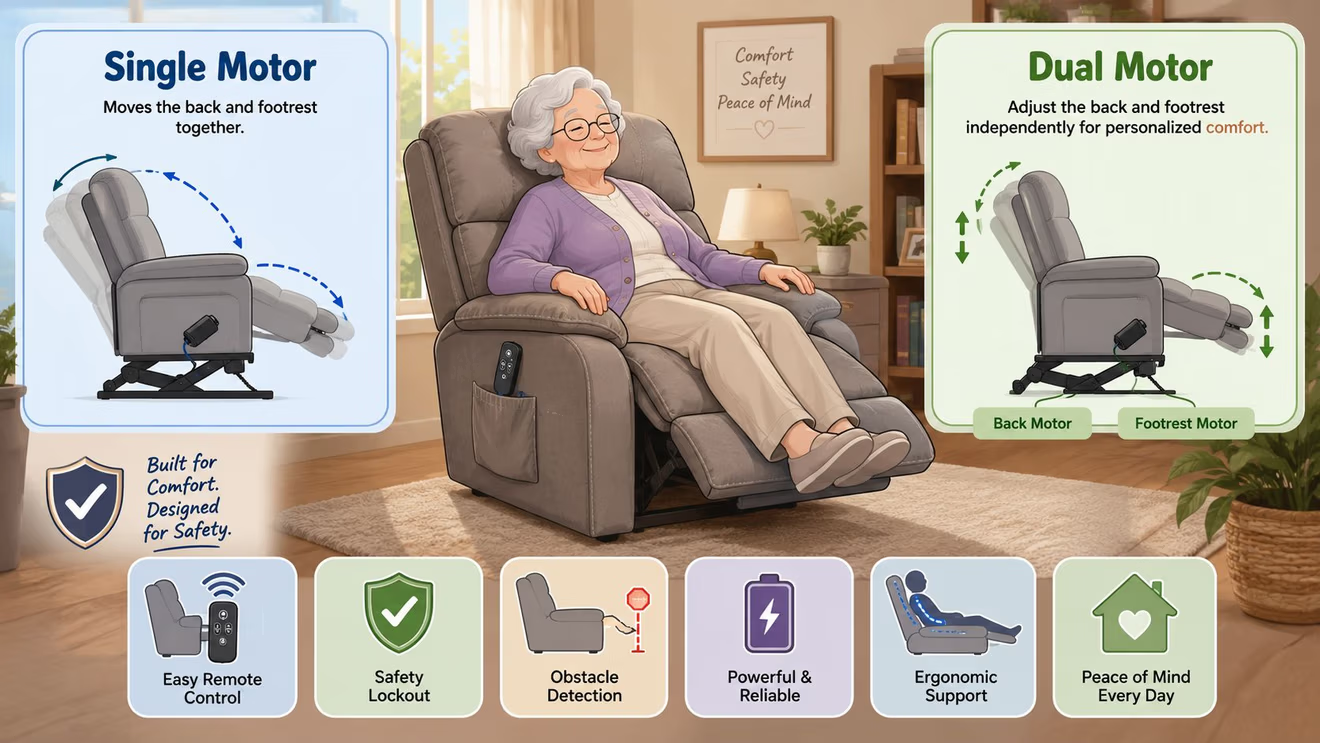
The motor setup shapes how the chair behaves. Some chairs move the backrest and footrest together, while others let them work separately, and that independence gives the user more control over how they sit, recline, and rise.
That's where position styles matter. Expert guidance distinguishes two-position, three-position, and infinite-position lift chairs, and infinite-position models let the back and foot sections move independently, which allows near-flat positioning and more customization for needs like leg elevation. Marc's Mobility describes that adjustability as useful for health-related comfort, not just lounging.
Adjustable lumbar support guidance
If the user wants one simple movement, a more basic setup may be enough. If the user wants to lift their feet without flattening the whole chair, or rest in a more open position, the more adjustable styles become a smarter fit.
Controls, upholstery, and safety details
The controls should feel intuitive from the start. A remote that's easy to understand matters because a chair that's complicated tends to get used less, and that defeats the purpose. The best control layout is the one the user can manage without leaning too far, fumbling, or needing another person every time.
Upholstery deserves attention too. Durable fabric or leather choices are easier to live with when the chair is used every day, and the surface should be practical for spills, cleaning, and routine wear. The chair is part of the household, so it has to hold up to real life, not just a showroom look.
Good question to ask: can the user operate the chair while seated without reaching awkwardly or needing to twist?
Some buyers also want backup power features so the chair can still be used during an outage. That detail doesn't sound glamorous, but it can matter a lot when the chair is part of a person's daily movement routine.
A thoughtful showroom visit should include trying the controls, checking how the upholstery feels, and watching how the chair moves with a real body in it. Those small checks are often what separate a chair that merely looks comfortable from one that effectively works.
The Secret to a Great Fit Sizing for You and Your Room
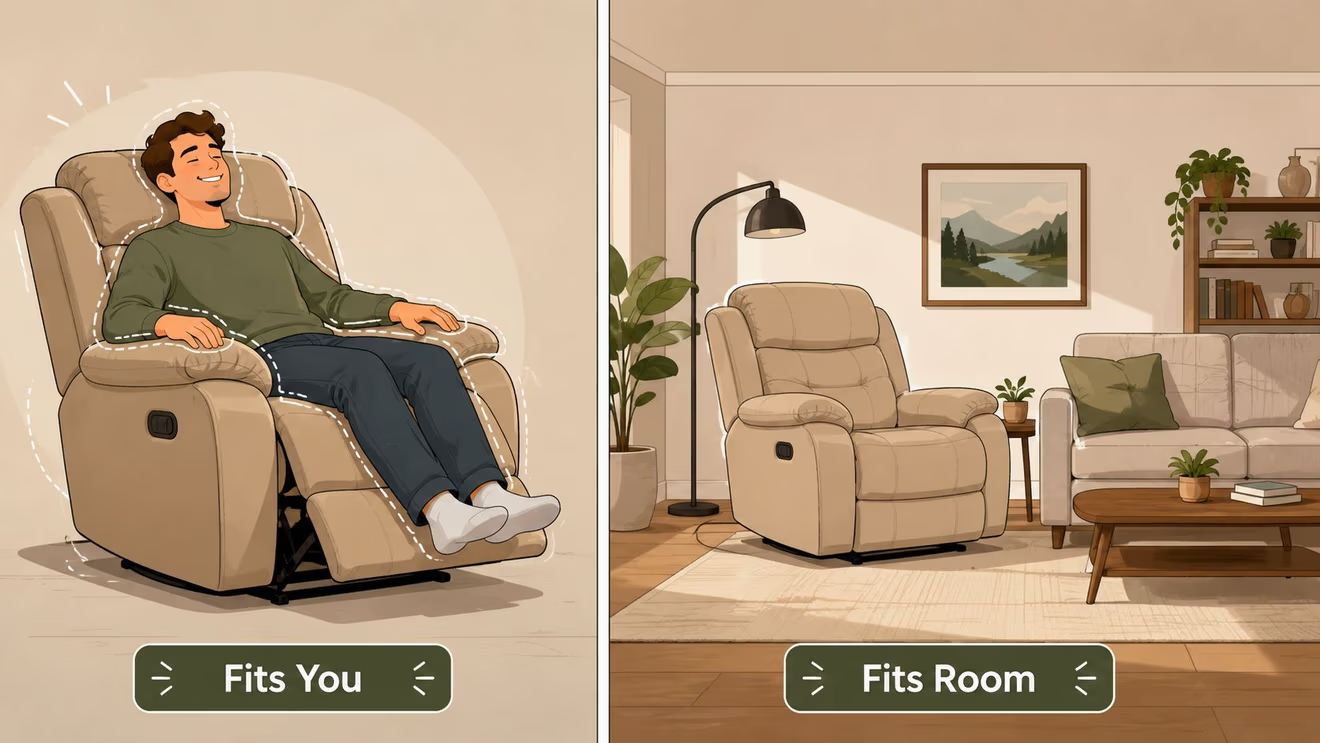
A good fit has two sides. The chair has to fit the person, and it has to fit the room. If either side misses the mark, the chair can feel awkward, unstable, or harder to use than it should.
Fit the chair to the person first
Start with the body. The user should be able to sit with the hip joints and knees bent at 90° and the feet resting flat on the floor for comfort and stability, as advised by Top Mobility. That position gives the chair a better chance to support the body instead of making the body work around the chair.
Seat depth matters just as much. If the front edge presses too far behind the knees, the chair can feel restrictive. If the seat is too deep, standing up can become harder because the user ends up reaching for the floor instead of rising from a stable base.
A chair should let the body settle in naturally. When the posture feels forced, even a well-made chair can feel wrong.
BILTRITE's small-scale furniture focus helps people who need a chair that does not overwhelm a tighter room, while heavier-duty options help users who need stronger support and more generous proportions. That range matters because no two households have the same needs.
Fit the chair to the room second
The room deserves the same care. For a lift chair to recline and rise safely, plan for at least 1.5 to 2 feet of open space both behind and in front of the chair. A standard chair width guide can also help you compare the chair's footprint with the space you have before you bring it home. Standard chair width guidance
That space is not just about comfort. It gives the mechanism room to move without bumping walls, tables, or nearby furniture, and it helps the chair function the way it was designed to.
A chair also has to make sense near doorways, side tables, and the main path through the room. If the surrounding furniture is too tight, even a good chair can become frustrating because every movement depends on the space around it.
A simple measuring habit that helps
Before buying, measure the sitting spot, the recline zone, and the path the chair needs while lifting. Then check whether the room still feels easy to move through after the chair is placed.
That habit keeps the decision grounded. The right chair should support the body and respect the room, not force the household to rearrange everything around it.
Why USA and Amish-Made Quality Matters
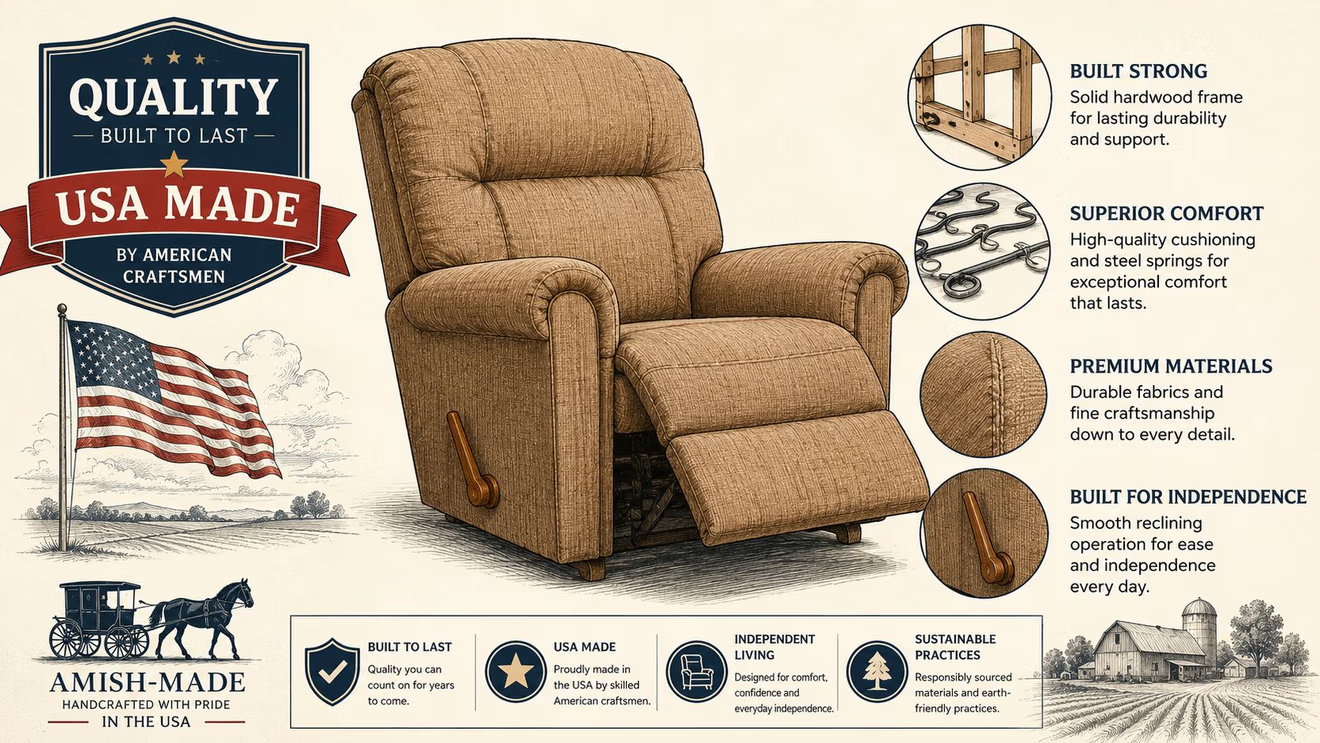
An independent living recliner gets used in a different way than a decorative chair. It becomes part of the daily support system, which means the frame, mechanism, and construction all need to hold up under regular use. That's why craftsmanship matters so much.
Why buying furniture made in the USA matters
Strong builds are about trust, not just appearance
USA and Amish-made furniture often appeals to families because it's associated with careful construction, solid materials, and a more deliberate approach to making things. In a chair that helps someone stand, that kind of build quality is not a bonus, it's part of the safety conversation.
Heavy-duty models push that idea even further. In bariatric and heavy-duty seating, dual-motor systems are paired with reinforced framing and higher load ratings, and some specialized bariatric riser/recliners are rated to support up to 40 stone, about 254 kg, according to Independent Living Newquay. That kind of engineering shows how frame strength, motor torque, and structure work together.
Long-term value looks different in this category
A cheap chair that wears out quickly can become an expensive mistake if it stops supporting the user well. A better-built chair is about reliability, daily confidence, and fewer worries about whether the mechanism will keep doing its job.
That's especially important in a household where the chair isn't just used for lounging. If the chair helps someone stand, rest, or recover more comfortably, the value is tied to function and peace of mind as much as it is to appearance.
BILTRITE's focus on affordable, better-quality furniture fits that thinking. The point is to help families get something that feels dependable without losing sight of budget, and that balance is often what makes a good long-term choice.
Questions to Ask at the Showroom
A showroom visit can clear up what online product pages leave vague. A chair may look right in a photo, yet feel too deep, too narrow, or awkward to operate once someone sits down. The best questions focus on two things at once, the person using the chair and the space it has to live in.
Questions That Lead to the Right Choice
Start with the basics that affect comfort and safety:
- What is the weight capacity? The chair needs to fit the user, not just the room.
- Can the controls be demonstrated? The remote should be easy to understand right away.
- How do the back and footrest move? That shows whether the chair offers simple support or more adjustment.
- What clearance does this model need? Measuring space before delivery avoids surprises.
- What does delivery include? Setup help can matter when the chair is large or heavy.
- What kind of warranty applies to the frame and motor? Those are the parts doing the daily work.
A few minutes of hands-on testing can answer questions that a brochure cannot. Sit down, recline, stand up, and pay attention to how natural each motion feels. If the chair is meant to support independence, those small moments matter just as much as appearance.
Why in-person questions matter
A chair can sound right on paper and still feel wrong in person. Someone may notice that the seat is too low, the armrests sit too far apart, or the footrest does not support the legs the way they expected. That is why trying it in the showroom is so helpful, it turns guesswork into something you can feel for yourself.
An experienced sales team can make that process clearer. A knowledgeable associate can demonstrate how the chair works, explain the differences between models, and help the shopper focus on daily use instead of just showroom polish.
Ask the question that matters most to the user's routine, then watch how the chair answers it.
For families deciding between comfort and mobility support, that kind of conversation can prevent a lot of second-guessing later. The right questions help turn a crowded showroom into a practical decision.
Your Milwaukee-Area Chair Experts Are Here to Help
The best independent living chair is the one that feels right when someone sits down, stands up, and uses it again tomorrow. That means the decision has to account for the user, the room, and the level of support the chair really needs to provide. It also means buying from people who are willing to slow down, explain the differences, and help the shopper properly try things out.
That's the BILTRITE way. We're a family business with deep Milwaukee roots, we're proud of our local, family-first values, and our team brings more than 400 years of combined experience to the showroom floor. We also stay closed on Sundays so our own families get time together, because that part of life matters too.
If someone in the home is looking for a chair that supports comfort and independence, the next step should be simple, come sit in a few options and feel the difference for yourself. Seeing the size, testing the controls, and checking the fit in person can make the choice much easier.
A CTA for BILTRITE Furniture-Leather-Mattresses.