Loft Beds for Apartments: A Milwaukee Buyer’s Guide


A lot of Milwaukee renters know this routine. The desk fits, but the dresser blocks the closet. The bed works, but it eats most of the room. Then the work-from-home setup lands in the bedroom, and suddenly the whole place feels like a crowded storage unit with a lamp.
That's why loft beds for apartments keep coming up in real conversations. They don't create more square footage, but they can change how that square footage works. By lifting the bed up, the floor below can become a workspace, a reading corner, storage zone, or just open breathing room.
For apartment living, that kind of flexibility matters. It also takes some honest planning. Ceiling height, bed height, wall stability, climbing comfort, and mattress choice all matter more than commonly anticipated.
Reclaim Your Floor Space with a Loft Bed
A small apartment usually has one big problem. Too many jobs for one room.
The bedroom becomes a sleeping area, office, closet extension, and sometimes even the spot where laundry waits for the weekend. In a studio, it's even tighter. One piece of furniture can dominate the whole layout, and that piece is usually the bed.

Why going vertical changes the room
Loft beds for apartments solve that problem by moving sleep upward and freeing the floor below. A renter in a compact one-bedroom might turn that lower space into a desk area. Someone in a studio might slide in a loveseat, storage drawers, or a slim dresser. A college grad in a first apartment might finally separate “bed” from “everything else.”
That shift feels bigger than it sounds. The room starts acting like two zones instead of one crowded box.
Practical rule: If the bed is taking over the room, the smartest fix often isn't a smaller bed. It's a better use of height.
This isn't just a niche idea anymore. The global loft beds market was valued at USD 7,150 million in 2024 and is projected to reach USD 11,050 million by 2031, driven by urbanization and demand for multi-functional furniture. That tracks with what apartment dwellers already know. Smaller living spaces push people to think harder about every inch.
What the freed-up space can become
Once the bed is raised, the floor underneath can serve a real purpose:
- A work zone: A desk, chair, task lamp, and a shelf can fit under many loft setups.
- A storage zone: Bins, drawer units, or a narrow dresser can pull clutter out of sight.
- A lounge zone: A compact chair or small seating area gives the room a second function.
- A clean-open zone: Sometimes the best use is less visual crowding and easier movement.
People who are already trying to make the most of compact rooms can also browse small-space furniture ideas for tighter layouts to think beyond the bed itself.
A loft bed won't fix a bad floor plan on its own. But in the right room, it can turn a frustrating setup into one that finally feels usable.
Is a Loft Bed Right for Your Apartment
A loft bed can be a great answer. It isn't always the right answer.
Some people love the extra floor space right away. Others realize they don't enjoy climbing up every night, changing sheets at shoulder height, or being farther from the floor than they expected. The best choice starts with daily life, not just room measurements.
Good fit versus bad fit
A loft bed tends to work well for renters who need one room to do several jobs. If the apartment needs a sleeping area and a home office, or a bed plus serious storage, the layout gain can be worth it. It also helps when a person likes a tidy room with defined zones.
It may be a poor fit for someone who gets up often during the night, dislikes ladders, or wants a bed that's easy to access from all sides. A loft setup can also feel inconvenient if guests often sit on the bed, or if bedding changes already feel like a chore.
The biggest mistake isn't buying a loft bed. It's buying one for the idea of loft living instead of the reality of everyday use.
A quick reality check
This short checklist helps sort out whether loft beds for apartments make sense in a given home:
- Daily access: Is climbing up and down a ladder or raised step system comfortable every day?
- Nighttime habits: Will bathroom trips, pets, or frequent wake-ups make the height annoying?
- Bed use: Is the bed mainly for sleep, or does it double as reading, lounging, and screen time?
- Room goals: Is the lower area going to be used well, or will it turn into random storage?
- Guest patterns: Will visitors need a more accessible place to sit or sleep?
- Cleaning tolerance: Is there patience for making a high bed and dusting around more framework?
Renters comparing compact-room solutions can also look through small-scale furniture for apartments to see whether a lower bed plus scaled-down pieces might solve the same problem with less effort.
When the answer is yes
A loft bed is usually strongest in apartments where floor space is the main pain point. It can create separation where walls don't exist. That matters in studios and smaller bedrooms where every furniture choice has to earn its place.
When the answer is no, that's useful too. A room may need a storage bed, a slimmer dresser, or better furniture scale instead of a full vertical sleeping setup. Smart furniture choices aren't about forcing one trend into every room. They're about making the room easier to live in.
The All-Important Loft Bed Measurements Guide
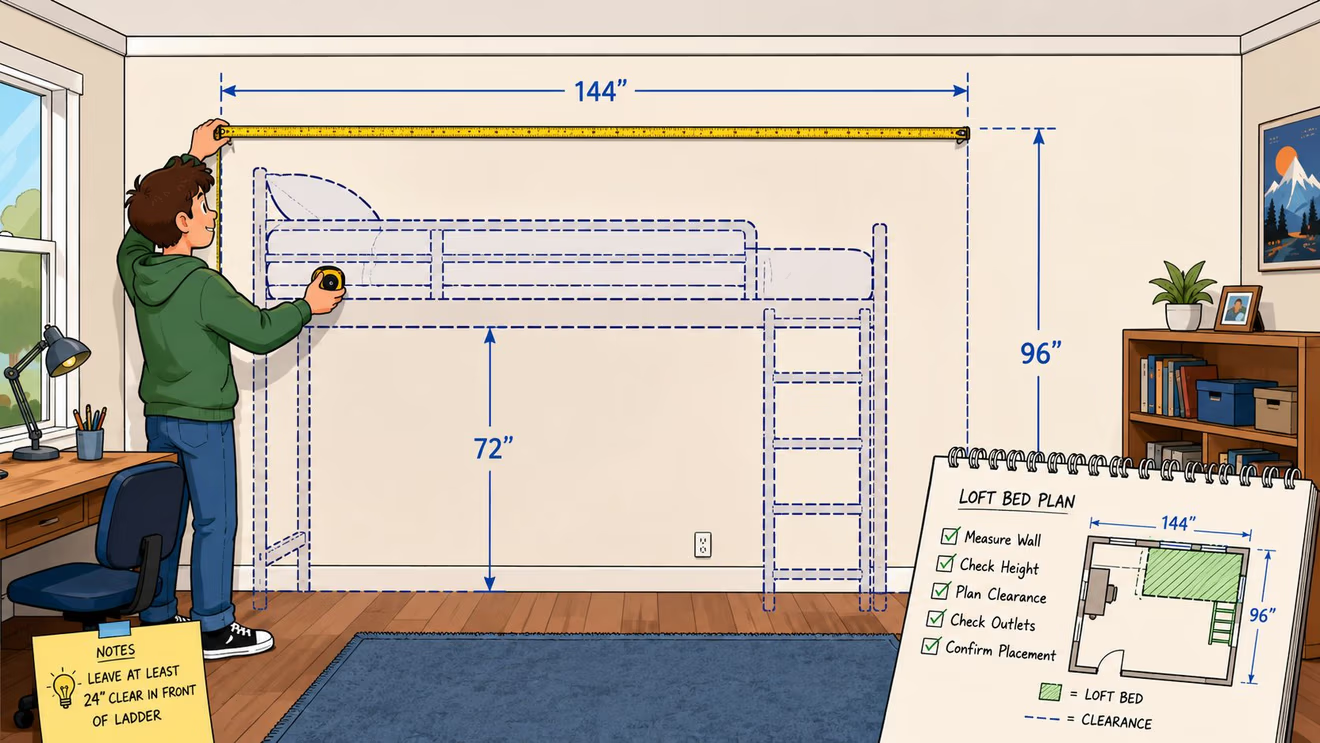
This is where loft bed plans either work or fall apart. A frame can look great in a photo and still feel miserable in a real apartment if the headroom is too tight.
The first measurement is simple. Measure from the floor to the ceiling. Do it in more than one spot if the room is older or has any slope, soffit, or uneven flooring.
Start with ceiling height
For apartment installations with standard 8-foot ceilings, a low-profile loft bed at 55 to 60 inches total height is often needed to maintain a minimum 30-inch clearance between the mattress top and ceiling, which is the benchmark for safe headroom.
That sentence carries the key idea. The frame height alone isn't enough. The mattress top is what matters when figuring out headroom.
If a renter forgets to include mattress thickness, the final setup can feel cramped fast.
The measuring order that keeps people out of trouble
Use this sequence before shopping:
Measure floor to ceiling
Write down the shortest ceiling height in the room, not the tallest point.Check the mattress height
Mattress thickness changes the usable clearance above the sleeper.Subtract from the top down
The goal is comfortable sitting room, not just bare-minimum fit.Account for lights and fans
Overhead fixtures can kill an otherwise workable plan.Measure the lower zone too
If the space under the bed is meant for a desk or storage, make sure that furniture fits.
A shopper who needs a sizing refresher for the mattress side of the equation can review twin bed measurements and room-planning basics.
Leave enough space so the bed feels livable, not just installable.
Common points of confusion
A lot of renters mix up these terms:
| Term | What it means | Why it matters |
|---|---|---|
| Bed height | Overall frame height | Tells whether the frame can physically fit |
| Mattress top | Where the sleeper actually sits | Determines real headroom |
| Clearance below | Open area under the bed | Affects desks, storage, and seating |
| Guardrail height | Height above mattress edge | Affects safety and usable mattress thickness |
The most common measuring mistake is focusing only on floor space and forgetting vertical comfort. The second most common mistake is assuming all low lofts feel the same. They don't. A thicker mattress, a lower ceiling beam, or a hanging light can change the entire experience.
A good loft bed should feel intentional once it's installed. If the room forces too many compromises, a lower-profile bedroom setup may be the better call.
Choosing Your Loft Bed Style and Strength
Once the room measurements make sense, the next question is what kind of loft bed can handle adult life.
Many shoppers encounter a common pitfall. They see a frame that looks sharp, but they don't ask enough about stability, materials, or long-term wear. For loft beds for apartments, style matters, but strength matters first.
Common loft bed types
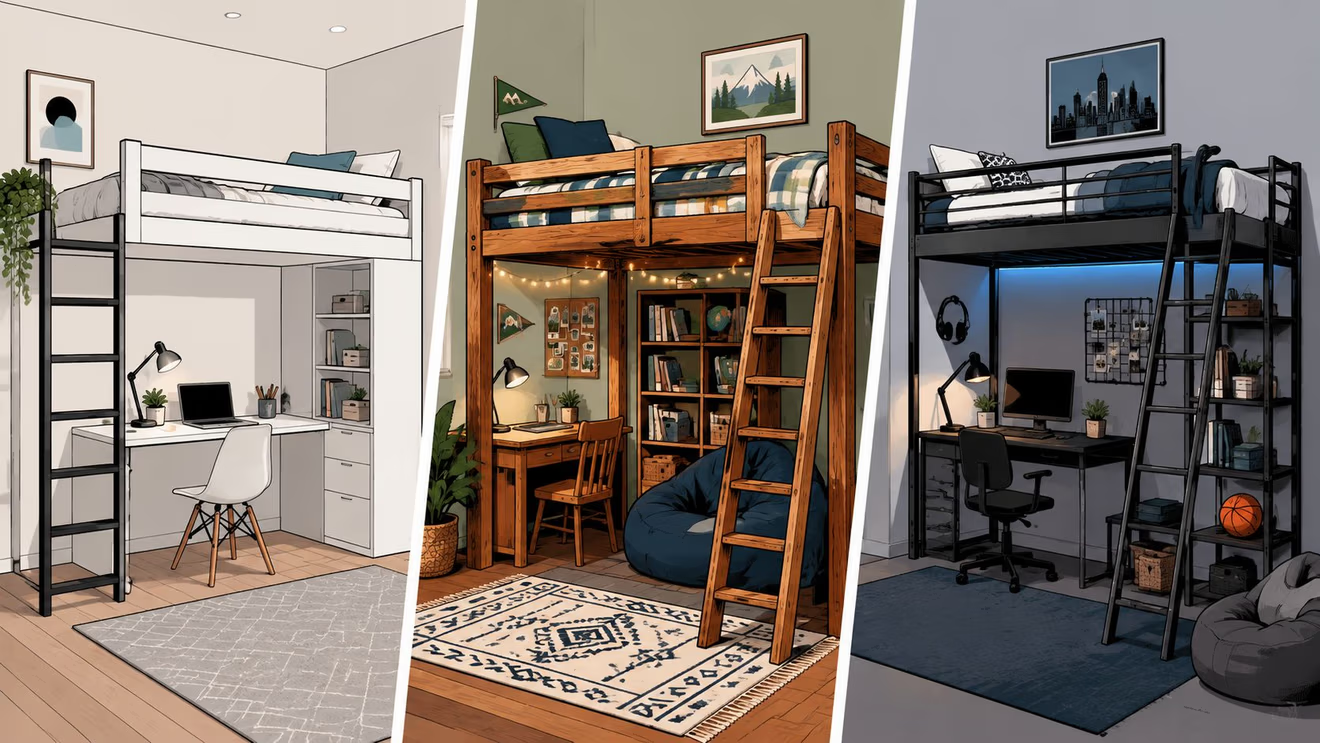
Apartment shoppers usually run into a few broad styles:
- Simple metal frames: These often suit modern rooms and lighter visual footprints.
- Solid wood designs: These bring warmth, a more furniture-like look, and a sturdier feel.
- Lofts with built-ins: Some include desks, shelving, or storage features below.
- Heavy-duty adult models: These are designed for more demanding use and stronger support.
The best fit depends on the room and the person using it. A minimalist setup may call for a cleaner metal frame. A long-term bedroom may benefit from the feel and durability of solid wood.
What weight ratings actually tell you
A loft bed for adult use needs more than a basic frame. According to adult loft bed load guidance, heavy-duty adult loft bed frames must support a static load capacity of at least 1,500 to 2,000 lbs, with queen models extending to 2,000 lbs.
That doesn't mean every shopper needs the largest possible frame. It does mean the structure should be built with adult movement, mattress weight, and daily use in mind.
A loft bed isn't just holding a sleeper. It's holding the sleeper, the mattress, motion, and years of repeated use.
Comparing materials and use
| Style | Best for | Tradeoff to consider |
|---|---|---|
| Metal | Clean look, lighter visual profile | Can feel less substantial if the build is light-duty |
| Solid wood | Warm finish, furniture feel, long-term use | Usually heavier and may require more planning for delivery |
| Built-in desk style | One-piece function in tight rooms | Less flexibility if room needs change |
| Heavy-duty frame | Adults who want a more secure feel | Can look more substantial in a small room |
Shoppers who want to focus on structure can also review what makes a bed frame stronger.
The strongest choice often comes down to how long the bed needs to serve, how often the room may change, and how much confidence the frame gives when climbed, sat on, and used every day. A flimsy loft bed can make the whole room feel temporary. A well-built one can make a compact apartment feel settled.
Apartment Safety and Installation Tips
A lot of loft bed advice stops too early. It talks about style, room layout, and mattress size, then skips the part that matters most once the frame is standing in the apartment.
That missing part is stability.
Anchoring matters more than most guides admit
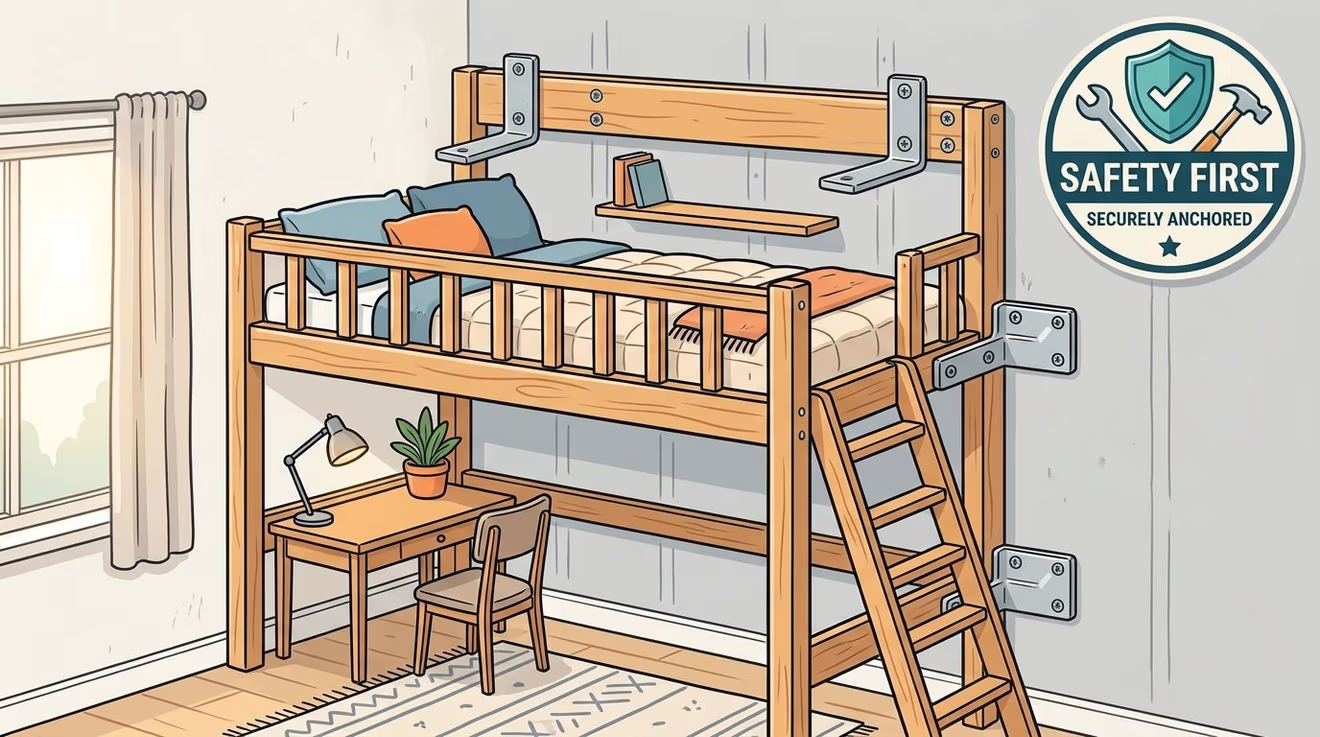
A critical safety issue with loft beds in apartments is wall anchoring, because renters report that unsecured loft beds can “move around too much” and damage walls, especially where partitions may not handle standard anchors without reinforcement.
That point deserves real attention. A loft bed is tall, and height changes how movement feels. A small sway at floor level can feel much bigger when someone is climbing, turning over, or sitting up near the top.
Questions renters should ask before installation
Before assembly starts, these are the questions that need answers:
- What is the wall made of? Drywall alone may not be enough for standard anchoring.
- What does the lease allow? Some buildings limit wall drilling or require approval.
- Who is doing the install? Loft beds need careful assembly, not rushed assembly.
- How will the frame travel inside? Hallways, stairwells, and tight corners matter before delivery day.
- Can the bed be checked after setup? Bolts, joints, and anchors should be reviewed once the frame is in place.
If a loft bed wobbles during setup, that's not a minor annoyance. It's a warning sign.
Practical apartment setup habits
Good installation isn't only about the wall. It's also about the whole room.
- Clear the route first: Measure doorways, stair landings, and turns before the bed arrives.
- Protect the floor: Heavy parts can scrape hardwood, vinyl, or stair treads during assembly.
- Leave ladder space: The bed may fit, but the ladder still needs safe access.
- Check nearby fixtures: Windows, trim, outlets, and radiators can interfere more than expected.
Renters dealing with narrow staircases or upper-floor moves can also review tips for moving heavy furniture upstairs before installation day.
A loft bed should feel secure once it's in place. If a renter has doubts about the wall, the assembly quality, or the way the frame sits in the room, it's worth slowing down and fixing the issue before the bed goes into daily use.
Find Your Solution at BILTRITE in Milwaukee
A loft bed can do a lot for an apartment, but only if the whole setup works together. The frame has to fit the ceiling. The mattress has to keep headroom usable. The lower area has to serve a real purpose. And the finished room has to feel comfortable, not improvised.
That's why seeing furniture in person still matters. A shopper can tell a lot more from standing next to a frame, checking the ladder angle, and judging the visual scale than from guessing at photos. The same goes for mattresses. A loft setup often benefits from a lower-profile mattress, and comfort is easier to judge face to face.
Why local guidance helps
BILTRITE Furniture was founded in 1928 by Irwin Kerns and his wife Frieda Kerns, beginning a nearly 100-year legacy as a fourth-generation, family-owned business serving the Metro-Milwaukee area.
That local history matters for apartment shoppers because compact rooms need practical advice, not generic answers. Milwaukee-area homes and apartments aren't all built the same. Some have tricky stair access. Some have tighter bedrooms. Some need smaller-scale furniture. Some need heavy-duty construction that won't feel temporary after a single move.
What shoppers can look for in person
A useful showroom visit helps answer questions like these:
- Does the frame feel solid? A sturdy bed should inspire confidence when touched and tested.
- Does the scale suit apartment living? Some pieces look manageable online and oversized in person.
- Will the mattress keep the setup comfortable? Loft beds need thoughtful mattress pairing.
- Can the room work below the bed? Visualizing the lower zone gets easier around real furniture.
BILTRITE also offers a huge mattress department with over 60 models, which makes it easier to compare options for support, height, and everyday comfort. The store's focus on affordable, better-quality furniture, along with USA-made, Amish-made, and solid wood options, fits what many Milwaukee shoppers want from furniture they plan to live with for years.
The local roots are real, too. The showroom is in Greenfield, and the business is known for a family-first approach, including being closed on Sundays. That kind of rhythm says a lot about how the store operates and how it treats the people who walk through the door.
Ready to make a small apartment work harder without making it feel crowded? BILTRITE Furniture-Leather-Mattresses would love to help Milwaukee-area shoppers sort through loft bed ideas, mattress options, and durable space-saving furniture in person. Visit the Greenfield showroom, say hi, and talk with a team that's been helping local families furnish their homes since 1928.