Furniture Legs: Styles, Materials & Choosing Guide

A lot of homeowners notice furniture legs only when something goes wrong. A coffee table starts wobbling during movie night. A dining chair scrapes the floor. A sofa looks tired even though the upholstery still seems fine. In many rooms, the issue isn't the whole piece. It's what's happening underneath.
Furniture legs shape more than support. They influence style, comfort, cleaning, floor protection, and how a piece handles daily family life. A slim metal leg can make a room feel lighter. A thick solid wood leg can make a dining table feel steady enough for homework, holidays, and game nights.
That's why this part of furniture deserves a closer look. Good furniture legs help a piece feel right in the room and hold up better over time.
Table of Contents
- Give Your Furniture a Leg Up
- A World of Styles from Classic to Contemporary
- Choosing Your Material Wood Metal and More
- Getting the Details Right Height Mounting and Strength
- Matching Legs to Your Room and Furniture
- Your Questions Answered and Finding Your Look at BILTRITE
Give Your Furniture a Leg Up
You set a coffee mug on the end table, and it gives a little wobble. The kids plop down on the sofa, and one corner dips more than it should. A dining chair scrapes across the floor and never sits quite level again. Those small moments tell you a lot about furniture legs.
Many shoppers focus on the top of the piece first. That makes sense. You notice the fabric, the wood finish, the size, and the shape. But the legs do the hard daily work. They carry weight, set the tone of the design, and change how a piece functions in a busy home.
That matters even more if you are buying furniture as a long-term part of the family home, not as a quick placeholder. BILTRITE has built its reputation around that kind of practical, lasting furniture. BILTRITE Furniture was founded in 1928 by Irwin Kerns as an upholstery shop in Milwaukee, and its history page notes that it remains a fourth-generation, family-owned business with a long continuous presence in Metro Milwaukee.
Why legs deserve more attention
Furniture legs work a lot like the foundation under a house. If the base is right, everything above it feels better, lasts longer, and performs the way it should.
A good set of legs can change several things at once:
- Stability: Strong, well-attached legs help a table, sofa, or chair stay level during daily use.
- Visual balance: Thick legs can make a large piece feel properly grounded, while slimmer legs can keep a room from feeling crowded.
- Cleaning access: More space underneath often makes sweeping or vacuuming easier.
- Wear over time: Better materials and construction tend to hold up better to kids, pets, guests, and regular rearranging.
Sometimes a piece looks beautiful in a showroom photo but feels off at home. The seat may seem too high, the table may look top-heavy, or the whole piece may appear weaker than it really is. In many cases, the legs are a big part of that reaction.
What homeowners usually miss
Furniture legs are not just trim added at the end. They are part of the structure from the start. Their height, width, shape, and attachment method all affect how weight moves through the frame and down to the floor.
That is why leg choice should match real life. A family room sectional that sees movie nights, naps, and kids climbing over the arms usually benefits from a more planted, sturdy base. A smaller apartment or condo may benefit from exposed legs that show more floor and help the room feel lighter.
Material matters too. Solid wood legs often appeal to homeowners who want warmth, repairability, and a handcrafted look, especially in American-made and Amish-made furniture. If you want to better understand how wood choice affects long-term performance, this guide on choosing the right hardwood for longevity and style is a helpful next step.
Good legs do not call attention to themselves by failing. They keep a piece steady, useful, and good-looking for years, which is exactly what you want from furniture that serves a family well.
A World of Styles from Classic to Contemporary
Leg style works a lot like shoes on an outfit. The shape can make the same furniture feel formal, relaxed, rustic, clean-lined, or playful. Once homeowners learn to spot a few common furniture legs, shopping gets much easier.
How leg style changes the whole mood
Traditional rooms often use curves, carved shapes, and visual weight. More modern rooms lean toward straighter lines and less ornament. Rustic and handcrafted pieces often show off the material itself, especially real wood with visible shaping.
A homeowner trying to decode style can start with one question. Does the leg call attention to itself, or does it provide support without emphasis? That answer usually points toward the design family.
For readers who want a broader style vocabulary, this guide to types of furniture styles helps connect leg shapes to full-room design choices.
A few classic styles worth knowing
Some furniture legs have been around for centuries. Others feel tied to a very specific era.
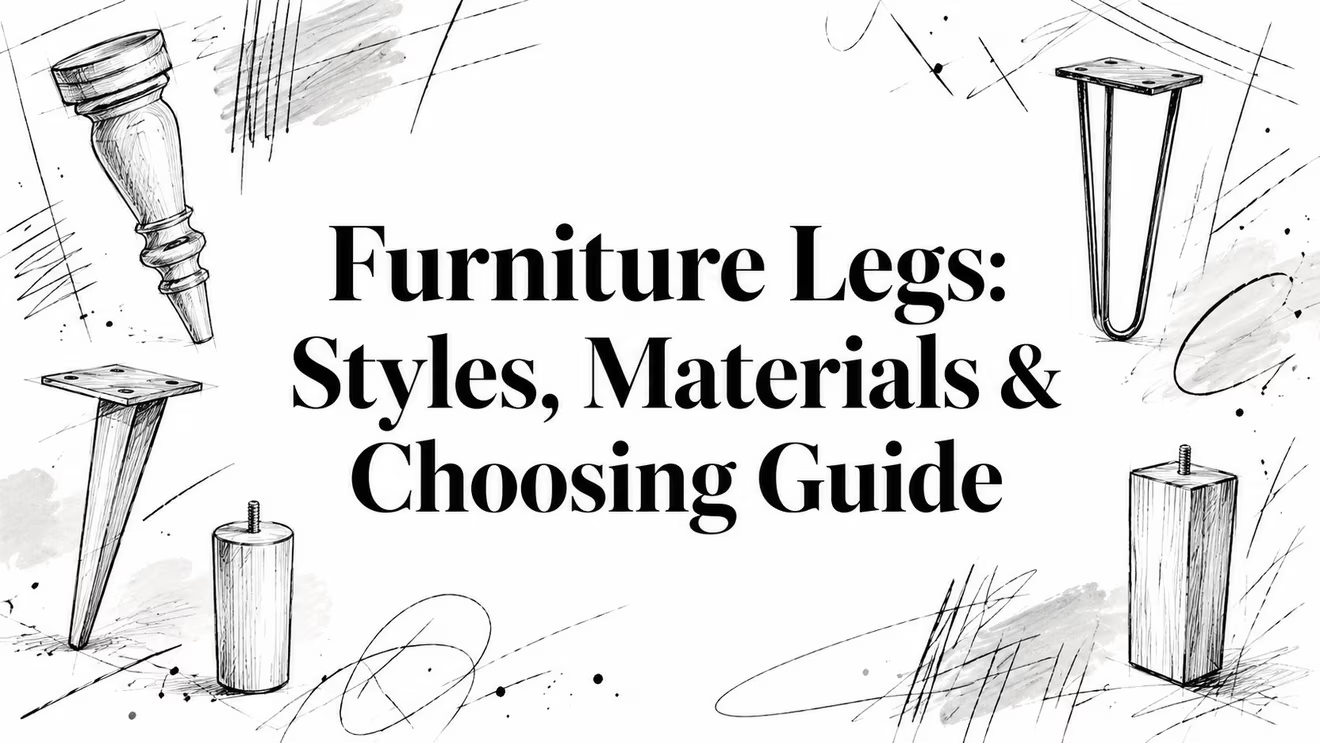
Cabriole legs have a graceful outward curve at the knee and an inward curve toward the foot. A furniture leg style overview notes that cabriole legs were significant in the late Baroque period and became one of the foundational forms in furniture design. They bring elegance and movement, so they fit well in formal or traditional settings.
Bobbin legs look turned on a lathe, with repeated spool-like shapes. They feel decorative and old-world. They're especially useful when a room needs character without heavy carving.
Bun legs are rounded and compact. They create a sturdy, grounded look and often suit larger upholstered pieces or traditional case goods.
Some of the best furniture legs announce the style of a piece before anyone notices the fabric, finish, or hardware.
A few shapes feel much more modern:
- Tapered legs get narrower toward the bottom. They look light, clean, and neat.
- Turned legs can cross style lines. Depending on how much shaping they have, they can feel farmhouse, classic, or handcrafted.
- Hairpin legs bring a very different energy. A history of the hairpin leg explains that the hairpin leg was invented in 1941 by Henry P. Glass. That same source also notes that the cabriole leg, inspired by a goat's leg, was prominent in late Baroque periods like the late 17th century. Hairpin legs feel open, spare, and distinctly mid-century.
A simple way to identify what fits
Shoppers often get stuck because they like more than one look. That's normal. A useful shortcut is to match the leg shape to the mood of the room:
- Curved and decorative often feels traditional.
- Straight and slim usually feels modern.
- Turned wood tends to feel warm and handcrafted.
- Thin metal reads more industrial or mid-century.
Once the legs make sense, the rest of the piece usually becomes easier to judge.
Choosing Your Material Wood Metal and More
Material changes both the look and the behavior of furniture legs. Some homeowners choose by style alone, then discover later that installation, floor contact, or long-term wear matter just as much. The strongest choice depends on what the piece needs to do every day.
What wood legs do well
Wood remains a favorite for good reason. It feels warm, familiar, and easy to blend into many rooms. It also works beautifully with traditional, transitional, farmhouse, and handcrafted furniture.
This hardwood guide for longevity and style is helpful for homeowners comparing species and understanding why solid wood still matters in better-built pieces.
According to this comparison of steel and wood furniture legs, steel furniture legs offer superior tensile strength compared to wood, making them ideal for heavy furniture, but often come at a higher price. Hardwood legs, while generally easier to install and more versatile in classic designs, provide excellent durability, especially when made from woods like mahogany or teak.
When metal legs make sense
Metal legs suit homeowners who want a cleaner, more architectural look. They fit well in loft-style spaces, modern condos, and rooms where visual lightness matters. Steel works especially well when the piece needs to handle more stress without bulky forms.
There are tradeoffs, though. Metal can feel colder visually, may need protective caps or glides, and often looks best when the rest of the room supports that style language.
| Material | Pros | Cons | Best For |
|---|---|---|---|
| Wood | Warm appearance, classic versatility, easier installation, works well across many home styles | Can look too heavy in some modern rooms, soft woods may be less suitable for demanding use | Dining tables, bedroom pieces, traditional seating, handcrafted looks |
| Steel | Strong support, slim profile, modern appeal, good for heavy furniture | Higher price, may need specialized hardware, can mark floors without protection | Industrial, contemporary, and high-use pieces |
| Aluminum | Lightweight feel, useful in modern designs, suitable where rust resistance matters | May not give the same visual warmth as wood | Lightweight pieces and airy rooms |
A quick decision filter
A homeowner can usually narrow the choice by asking three questions:
- Does the room need warmth or contrast? Wood adds warmth. Metal adds edge.
- Will the piece get heavy daily use? Strength and mounting matter more in that case.
- Is the goal a timeless look or a sharper modern statement? Material strongly affects that answer.
The best furniture legs don't just match the table, sofa, or cabinet. They match the way the home lives.
Getting the Details Right Height Mounting and Strength
A beautiful leg can still be the wrong leg. Height, attachment method, and overall strength decide whether the piece feels comfortable and stable. These details aren't flashy, but they're where smart buying happens.
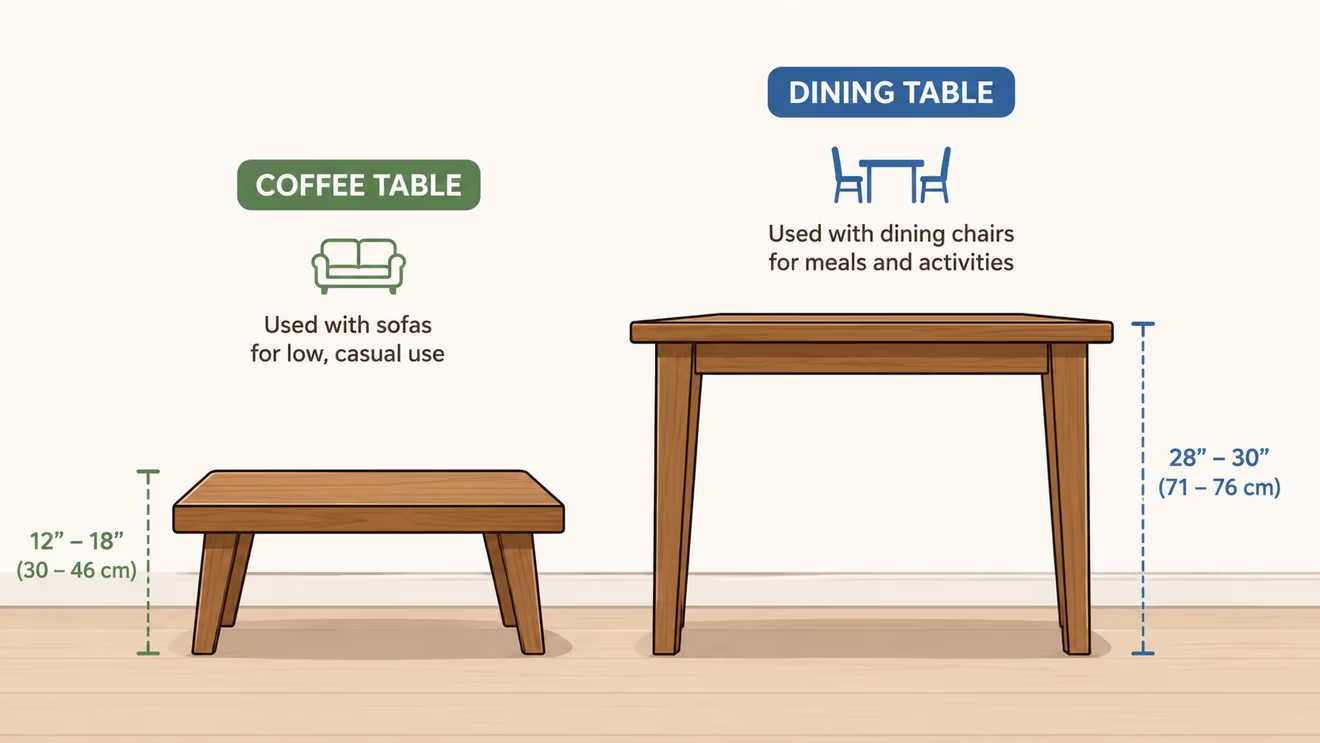
Height affects how furniture works
A coffee table needs to sit low enough to feel natural near seating. A dining table needs enough clearance for chairs and legs underneath. Nightstands, benches, and media consoles each create their own comfort zone.
Many size mistakes happen because homeowners focus on the top of the piece and ignore the base. The leg height is what creates the final usable height. Before buying, measuring the room and nearby furniture helps avoid awkward pairings. This guide on how to measure furniture is a good starting point for getting those basics right.
Mounting and thickness matter more than people think
A strong leg shape isn't enough if the connection is weak. Poor attachment can cause wobble, uneven wear, and long-term damage. One under-discussed issue is structural failure caused by bad leg design or improper installation. This article about table legs and structural risk points out that consumer advice often ignores problems like incorrect screw thread depth or weak bracket reinforcement, even though those issues can damage balance, stability, and durability.
That's why thickness and mounting deserve a close look. A heavy-duty furniture leg guide states that hardwood furniture legs with a thickness of at least 2–3 inches are typically rated to support 250–500 lbs per leg. The same source adds that for heavier pieces, thicker legs from 3.5 to 5 inches and bolt-on installation methods are recommended.
Workshop note: If a large solid wood top sits on thin legs with light mounting hardware, the look may be stylish, but the support system may not match the load.
What to inspect in person
A homeowner doesn't need engineering training to spot warning signs. A quick check can reveal a lot.
- Connection point: Look for solid plates, bolts, or secure joinery.
- Leg thickness: Heavier tops usually need more substantial support.
- Level stance: The piece should sit flat without rocking.
- Weight match: Delicate-looking legs on a massive piece deserve extra scrutiny.
Furniture legs succeed when they disappear into daily life. That happens only when the details underneath are doing their job.
Matching Legs to Your Room and Furniture
Choosing furniture legs gets easier when the room comes first. The best leg for one space can feel completely wrong in another. A family room, condo dining nook, guest bedroom, and formal dining room all ask for different things.
Living room choices
In a living room, the legs help determine whether the space feels cozy or airy. Low, blocky wood legs often make upholstered seating feel stable and relaxed. They suit family rooms where durability matters more than visual drama.
Taller, slimmer legs can lighten the look of a sofa or chair. That can help in smaller rooms because more floor stays visible. The room feels less crowded even when the furniture footprint hasn't changed.
A practical concern belongs in this conversation too. Floor protection matters, especially with heavier pieces or metal bases. This article on how to protect floors from furniture offers useful guidance for matching the base of a piece to the surface underneath.
A leg that looks elegant in the showroom may feel too delicate in a high-traffic family room. The room's real job should guide the choice.
Dining bedroom and smaller spaces
Dining rooms ask a lot from furniture legs. People lean, scoot, pull chairs in and out, and load the tabletop with everything from weeknight meals to holiday dishes. Thick, solid-looking wood legs usually make sense here because they communicate strength and long-term usefulness.
Bedrooms allow a little more flexibility. A nightstand or dresser with tapered legs can make the room feel lighter and less bulky. That's especially helpful when the room already has a substantial bed, larger chest, or multiple storage pieces.
Smaller homes and apartments often benefit from furniture that shows more floor beneath it. That visual opening can make the room feel less packed. Still, there's a balance to strike. If every piece has tall, spindly legs, the room can start to feel less grounded.
A room-by-room cheat sheet
- Family dining room: Thicker wood legs usually support the function and the look.
- Compact living area: Slender but stable legs can help the room feel more open.
- Primary bedroom: Moderate-height legs often create a lighter look without making storage pieces seem fragile.
- Casual den or media room: Lower, sturdier furniture legs often feel more comfortable and durable.
The right furniture legs help the whole room make sense. They connect the furniture to the lifestyle, not just the style board.
Your Questions Answered and Finding Your Look at BILTRITE
A question I hear all the time in the showroom is simple. Can you mix leg styles or swap materials and still end up with a piece that looks right and holds up for years? Sometimes, yes. The catch is that furniture legs work like the foundation under a porch. If the base does not fit the load and the connection points, the whole piece can feel off.
Can leg styles be mixed safely
A leg swap sounds easy until you get into the details. A metal leg may look sharp on a wood cabinet, and a slimmer profile may seem like a quick way to update an older piece. But the new leg has to match the furniture's weight, balance, mounting plate, and frame strength.

A discussion of this common question explains that swapping legs without checking weight distribution and joint compatibility can create instability and structural risk. That matters in real family life. A side table may only hold a lamp and a book. A dining table has to handle elbows, heavy serving dishes, and years of chairs being pushed in and out.
That is why the safest custom look is usually one that respects how the piece was built in the first place. Good design and good structure should support each other.
Why seeing furniture in person still matters
Photos are useful, but they flatten a lot. They can hide how thick a leg really is, how a table stands on the floor, or whether a chair feels planted or a little shaky. You notice those things fast when you are standing next to the piece.
For families trying to make smart long-term choices, that in-person look matters. You can run your hand over the wood, check how the legs meet the frame, and compare a lighter style with a heavier one a few feet apart. BILTRITE's design center for room planning and furniture guidance helps shoppers connect those details to how they live, whether that means kids, pets, holiday hosting, or wanting furniture that lasts.
BILTRITE has built its reputation around that kind of practical help. According to Sleep Savvy's feature on the Greenfield showroom, the store moved to its current location in 2006 and focuses on quality American-made furniture, including Amish-made pieces. BILTRITE also carries a large in-store mattress selection, with over 60 mattress models and 500+ mattresses in stock, as noted earlier in the article.
That combination delivers superior value. You are not just picking a leg shape from a style chart. You are choosing the support system for furniture your family will use every day, and at BILTRITE, that choice is tied to better materials, USA-made craftsmanship, and pieces meant to earn their place in your home.
BILTRITE Furniture-Leather-Mattresses has served Metro Milwaukee since 1928 as a fourth-generation family business focused on affordable, better-quality furniture and mattresses, much of it USA-made and Amish-made. The showroom gives shoppers the chance to see solid wood construction up close, compare furniture legs in person, and talk with a knowledgeable team without pressure. Ready to find a new favorite piece for the home? Visit the Greenfield store and say hello.