3 DAY MATTRESS SALE! THURSDAY - FRIDAY - SATURDAY!
LABOR DAY SALE HELD OVER ENDS SATURDAY, SEPTEMBER 19 AT 5PM!
NO CREDIT CARD FEES!
1000's of Items IN-STOCK + 500 Mattresses!
Largest selection of USA Made Furniture & Mattresses + Amish Made!
FREE In-Store Design Services!
BUY LOCAL & LOVE YOUR HOME!
3 DAY MATTRESS SALE! THURSDAY - FRIDAY - SATURDAY!
LABOR DAY SALE HELD OVER ENDS SATURDAY, SEPTEMBER 19 AT 5PM!
NO CREDIT CARD FEES!
1000's of Items IN-STOCK + 500 Mattresses!
Largest selection of USA Made Furniture & Mattresses + Amish Made!
FREE In-Store Design Services!
BUY LOCAL & LOVE YOUR HOME!
OPEN LABOR DAY | Tuesday-Thursday 10am to 6pm | Friday 10am to 7pm | Saturday 10am to 5pm | Sunday Closed To Be With Family & Friends | Monday Showroom Closed
5430 West Layton Ave, Greenfield - Metro Milwaukee
You know that feeling when a sofa looks good in the store, lands in your living room, and then starts telling on itself? The cushions flatten. The arm gets loose. A drawer sticks. A table wobbles every time someone sets down a coffee mug.
Most Milwaukee families who visit us aren’t shopping because they love furniture shopping. They’re shopping because they’re tired of replacing things. They want something that fits their home, holds up to real life, and still looks good after kids, guests, pets, movie nights, and everyday use.
That’s where quality usa made furniture earns its reputation. Not because of a flag label alone, but because the better pieces are often built with stronger materials, smarter construction, and more accountability behind them. If you’ve ever wondered how to tell the difference between furniture that lasts and furniture that only photographs well, you’re in the right place.
Our family has been helping Metro Milwaukee homes since 1928, and we’ve learned that shoppers usually need the same three things. They need clear signs of quality. They need honest answers about where furniture is made. And they need help finding pieces that make sense for their own home, whether that means a condo, a busy family room, or a smaller senior living space.
Why We Believe in Quality USA Made Furniture
A lot of people come in after a frustrating purchase somewhere else. The story is usually similar. They bought something because the price looked good, the style looked current, and the finish looked decent under bright showroom lights. Then everyday life began, and the piece didn’t keep up.
We’ve seen that happen with dining chairs that loosen too quickly, dressers with drawers that never glide right, and entertainment stands that look fine until they carry real weight. Furniture shouldn’t feel disposable. It should feel dependable.
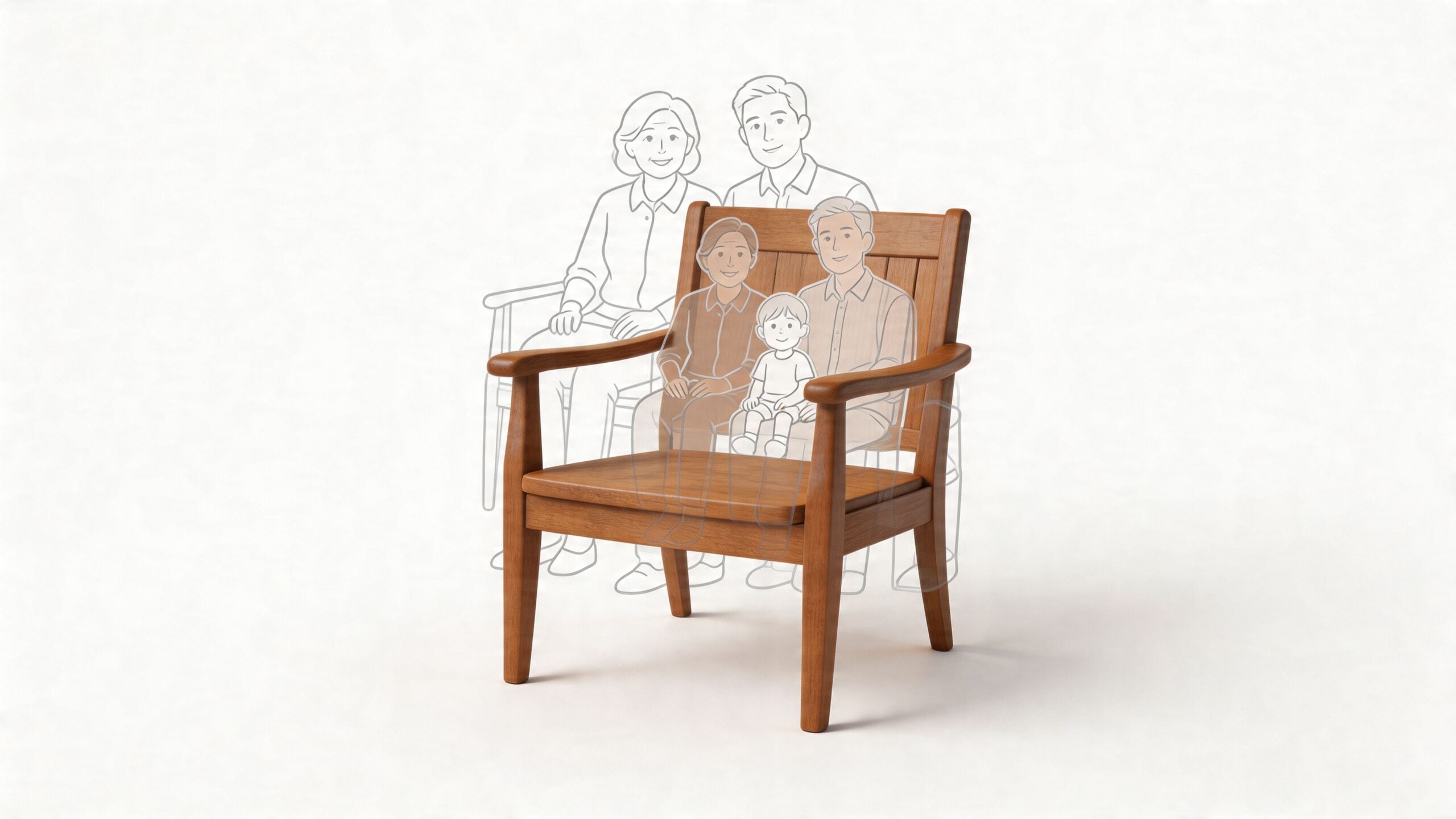
Our family has been part of the Metro Milwaukee community since 1928, and that history shapes how we look at every piece on the floor. We’ve always believed better value doesn’t mean buying the cheapest thing in the room. It means buying something built well enough that you can enjoy it for years instead of shopping for a replacement before you’re ready.
There’s a reason this matters to so many households. An Ipsos survey on furniture made in the USA found that 91% of Americans prefer to buy furniture made in the USA when given a choice, and 57% say they would go out of their way to do so. That tells us people aren’t just chasing a label. They’re connecting American-made furniture with quality, pride, and supporting work closer to home.
Why that preference makes sense
When we talk with shoppers over a cup of coffee in the store, a few themes come up again and again:
They want furniture that feels solid: Not flashy. Not fragile. Just solid.
They want honest value: A fair price for materials and construction that hold up.
They want to know what they’re buying: Where it was made, how it was built, and what kind of life it can handle.
They want help without pressure: Real guidance beats a sales pitch every time.
Good furniture earns trust slowly. It does its job year after year, and that’s what people remember.
That’s why American-made and Amish-made furniture have stayed so important to us. They often reflect the old-school habits that still matter most. Strong joinery. Better wood. Better finishing. More pride in the build. Those things don’t go out of style.
Decoding the Signs of Lasting Construction
Most furniture problems start where shoppers can’t easily see them. The outside may look polished, but the true story lives in the wood, the joints, and the finish.
If you want quality usa made furniture, consider it akin to checking a house. Paint color matters, sure. But the foundation, frame, and protection from wear matter more.
Start with the material
Solid wood and lower-cost sheet goods don’t behave the same over time. That’s the first thing to understand.
Hardwoods like oak and maple have the kind of density and strength that help furniture stay square, resist damage, and hold hardware better through repeated use. Particleboard can look neat on day one, but it usually doesn’t forgive moisture, weight, or repeated movement the same way solid wood does.
Here’s a simple comparison shoppers can use in a showroom:
What you check
Better sign
Warning sign
Weight and feel
Feels grounded and steady
Feels hollow or too light for its size
Edges and grain
Grain pattern looks natural and continuous
Repeating print pattern or paper-like surface
Backs and bottoms
Construction looks clean and intentional
Thin panels, rough staples, or flimsy support
Hardware grip
Screws and pulls feel secure
Handles loosen easily
A wood piece doesn’t have to be chunky to be well made. It just needs to be built from materials that can handle use without giving up.
Look closely at the joints
Often, many people get tripped up. They hear words like “solid,” “crafted,” or “heirloom,” but they aren’t shown what to inspect.
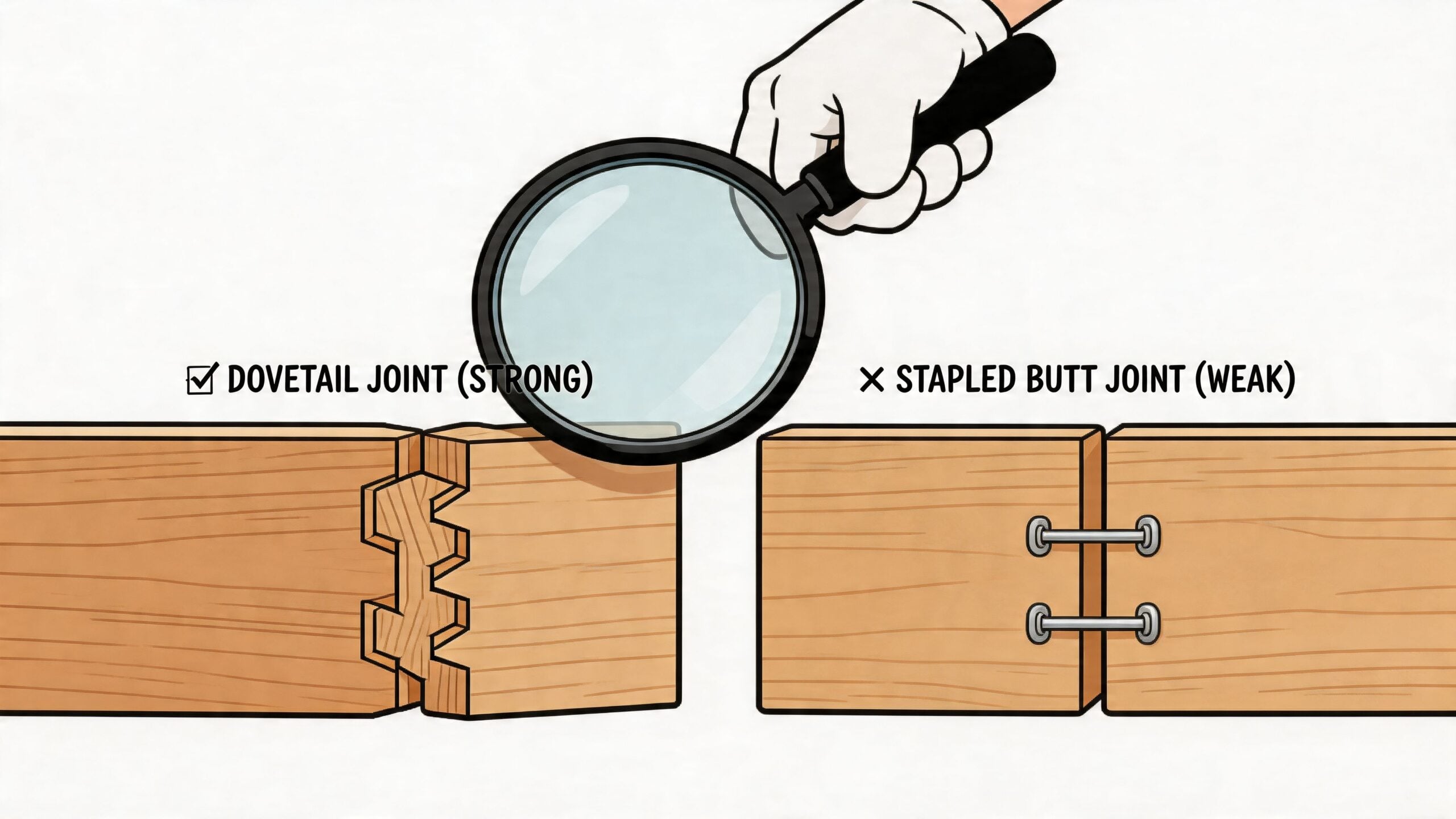
Joinery is how the parts of a piece lock together. Better joinery usually means better long-term strength. A good example is the dovetail joint in drawers. According to BILTRITE’s guide to made in America furniture manufacturers, dovetail joints used in drawers can withstand over 200 lbs of dynamic load because the interlocking shape spreads stress more evenly.
That matters in real life. A drawer gets tugged open, pushed shut, overloaded, and used again and again. If the drawer box is only stapled or weakly glued, that stress shows up fast.
Another sign of craftsmanship is the classic mortise-and-tenon joint, which locks one wood member into another for frame strength. If you’d like a simple visual explanation, our mortise-and-tenon joint guide breaks down why this old technique still matters.
Practical rule: If a drawer glides smoothly, closes evenly, and doesn’t rack side to side when you pull it, that’s a good sign the maker cared about what’s underneath the finish.
Don’t ignore the finish
Finish isn’t just about color. It’s the protective layer that stands between your furniture and everyday life.
A good finish helps wood handle fingerprints, spills, sunlight, and seasonal changes. It should feel even, not gummy or rough. On upholstered furniture, the “finish” question becomes a fabric and tailoring question. Are the seams straight? Are pattern lines aligned? Does the cushion keep its shape when you stand up?
Try these in-store checks:
Run your hand along edges: A well-finished piece feels smooth, not sharp or scratchy.
Open and close everything: Drawers, doors, leaves, recliners. Mechanics reveal quality fast.
Give it a gentle wobble test: A stable case piece shouldn’t shimmy under a light check.
Sit like you live there: Lean back, shift around, use the arms. Good seating should feel supportive, not flimsy.
Furniture quality isn’t mysterious once you know where to look. The goal isn’t to become a woodworker. It’s to know enough to spot the difference between furniture made to impress you for five minutes and furniture made to live with for years.
How to Verify You Are Getting Genuine American Craftsmanship
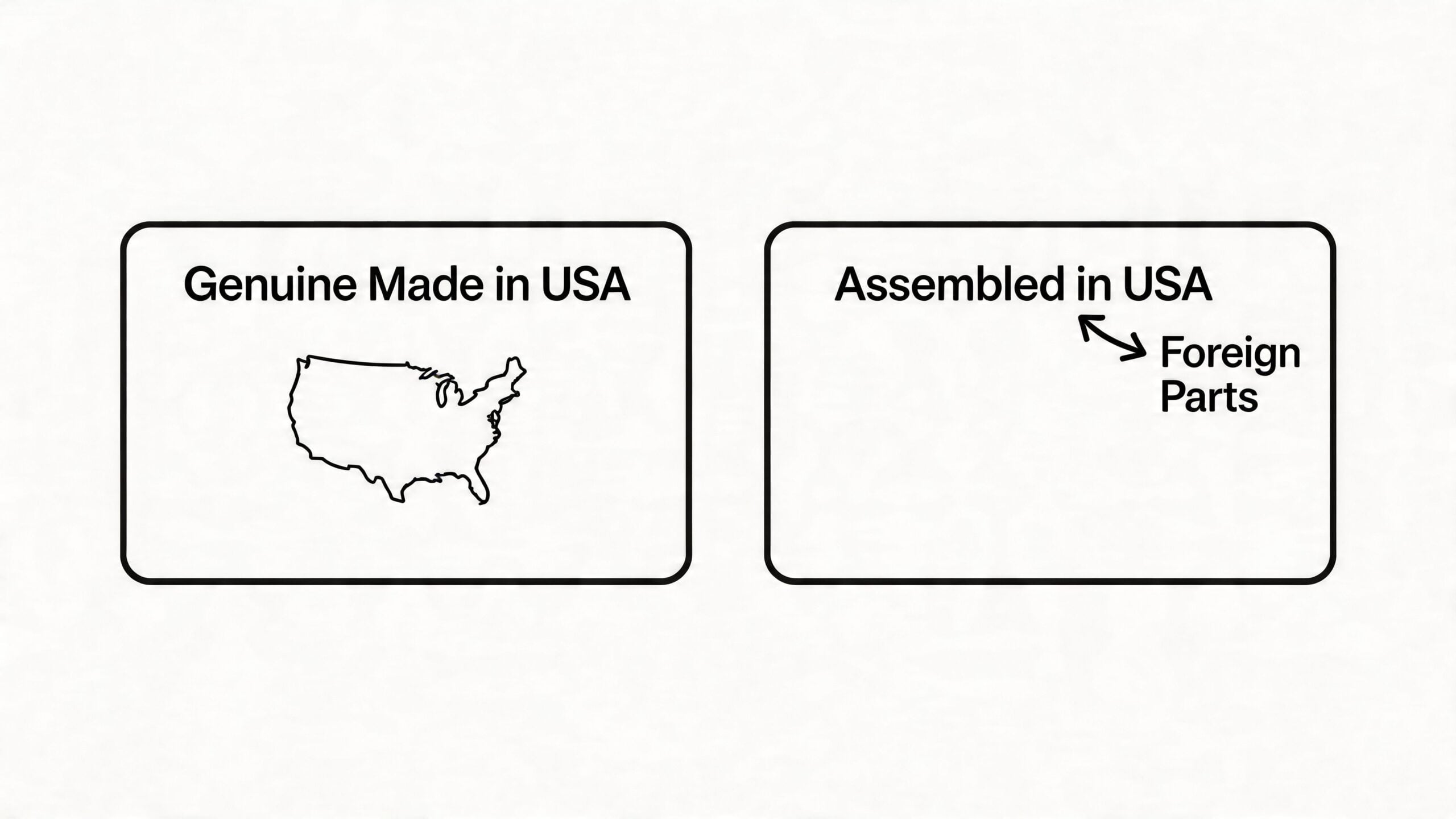
One of the biggest surprises for shoppers is learning that not every patriotic-sounding label means the same thing. “Made in USA,” “Assembled in USA,” and “Designed in USA” can sound similar when you’re walking a showroom floor, but they don’t tell the same story.
That confusion matters because people often assume they’re buying one kind of product when they’re getting another.
A 2023 FTC consumer study discussed in this furniture labeling article found that 40% of shoppers misinterpret vague labels like “Assembled in USA”. That means a lot of people are trying to buy American craftsmanship and walking out with something quite different than they thought.
What the labels usually mean
Here’s the plain-English version shoppers need.
Label you see
What it may suggest to shoppers
What you should ask
Made in USA
The whole piece is American-made
Where are the major materials and components sourced?
Assembled in USA
Sounds fully domestic, but may not be
Which parts were imported before final assembly?
Designed in USA
American styling or brand origin
Where was the furniture actually built?
The safest move is simple. Ask direct questions and listen for direct answers.
If a salesperson can clearly explain where the frame was built, where the wood came from, or where upholstery work was done, that’s helpful. If the answer stays vague and keeps circling back to branding language, keep asking.
Questions worth asking in the store
You don’t need industry jargon. You just need a short list.
Where was this piece built?
Are the main components domestic, or only the final assembly?
Is the frame solid wood, engineered wood, or a mix?
Can you show me which items are USA made?
Is this Amish made, real solid wood, or both?
Those questions cut through a lot of showroom fog.
For shoppers who want an easier shortcut, one practical option is to look for clearly identified in-store origin markers. At BILTRITE Furniture-Leather-Mattresses, shoppers can use in-store icons that identify categories such as USA Made, Amish made, and Real Solid Wood. That kind of labeling helps people compare pieces without guessing.
If a label leaves you more confused than informed, it hasn’t done its job.
Signs of genuine craftsmanship beyond the tag
A truthful origin label matters, but so does the furniture itself. A real American-made piece should still pass the quality test you learned earlier.
Look for signs that the maker put care into the build:
Drawer boxes with dovetail joints
Frames that feel stable under movement
Wood surfaces with depth, not a printed imitation
Customization choices in fabric, wood, or finish
Consistent details from one angle to the next
That last one is easy to overlook. A well-made piece usually looks thoughtful from the side, back, and inside too. You can often tell when the maker expected you to live with it for a long time, not just glance at it from the front.
For Milwaukee families, this matters even more because homes are real working spaces. Furniture gets used hard here. It needs to move through doorways, fit older homes, hold up through winter and summer swings, and still look right in the room.
Verifying American craftsmanship isn’t about being suspicious. It’s about being informed enough to buy with confidence.
The Enduring Value of American and Amish Furniture
A Milwaukee family buys a bargain dining set for the first apartment. It looks good under the showroom lights, survives a couple of takeout dinners, then starts to show its limits. The chairs loosen. The finish scratches. A table leg gets wobbly after one move across town. By the time that family is ready for school projects, holiday meals, and everyday life around the table, they are shopping again.
That cycle is where long-term value becomes real.
The full cost of furniture includes how it lives in your home, how often it needs repair, and how soon it has to be replaced. A lower ticket price can still turn into the more expensive choice if the piece gives out early. Families usually learn this after owning both kinds. One piece asks for another shopping trip. The other keeps doing its job year after year.
Why long-term value looks different in real life
Long-term value is easier to understand if you picture furniture the same way you would flooring or tires. The cheapest option may get you through today. The better-built option usually gives you more good years, fewer headaches, and a better experience every single day you use it.
A solid wood dining table is a good example. It may cost more up front than a lighter imported table made with thinner materials. But if it stays steady through weeknight dinners, homework, birthday cakes, and years of wiping it down, that higher starting price starts to make sense. The same logic applies in smaller Milwaukee spaces too. In an apartment or bungalow where every piece has to earn its keep, furniture that holds up well and fits the room properly often brings better value than replacing mismatched pieces every few years.
Here is the tradeoff in plain terms:
Short-term purchase
Long-term purchase
Lower upfront price
Better chance of keeping the piece for many years
Surface appeal matters most
Daily performance matters just as much as appearance
Replacement feels far away
Replacement becomes part of the real cost
Small flaws seem manageable
Small flaws often turn into repairs, wobble, or wear
Good furniture also gives you more options later. Solid wood can often be repaired, refinished, or touched up. That matters in active households with kids, pets, guests, and normal everyday bumps. A scratched top on a quality wood table is frustrating, but it is often still a problem you can work with. A damaged veneer or failing particleboard core usually gives you fewer good repair options.
Why Amish-made furniture stands out
Amish-made furniture earns its reputation because the building process tends to favor patience over speed. You see that in the joinery, the wood selection, and the overall feel of the piece once you open a drawer or sit down at the table.
For many families, the difference shows up in quiet ways first. Drawers slide with more confidence. Table bases feel planted. The grain has depth, and the finish looks like it belongs to real wood because it does. Over time, those quiet differences become practical ones. The piece keeps working. It keeps looking right in the room. It often still belongs in the home even after paint colors, rugs, or addresses change.
If you want a closer look at what makes that category different, our guide to the advantages of Amish furniture walks through the materials, methods, and everyday benefits.
Furniture becomes more valuable when it keeps serving your family long after the receipt is forgotten.
Supporting American workers matters too
Value is also about where your money goes.
According to IndustrySelect’s report on U.S. furniture manufacturing, the industry employs more than 269,000 workers. That includes craftspeople, machine operators, finishers, drivers, and suppliers whose work supports communities across the country.
For Milwaukee shoppers, that can be part of the decision. Some families want furniture that lasts longer. Some want pieces that can be repaired instead of discarded. Some also like knowing their purchase supports skilled work closer to home.
American and Amish furniture will not be the right fit for every budget or every room. But for households that want durability, repair potential, and value that holds up in real life, it is often money spent with more care and fewer regrets.
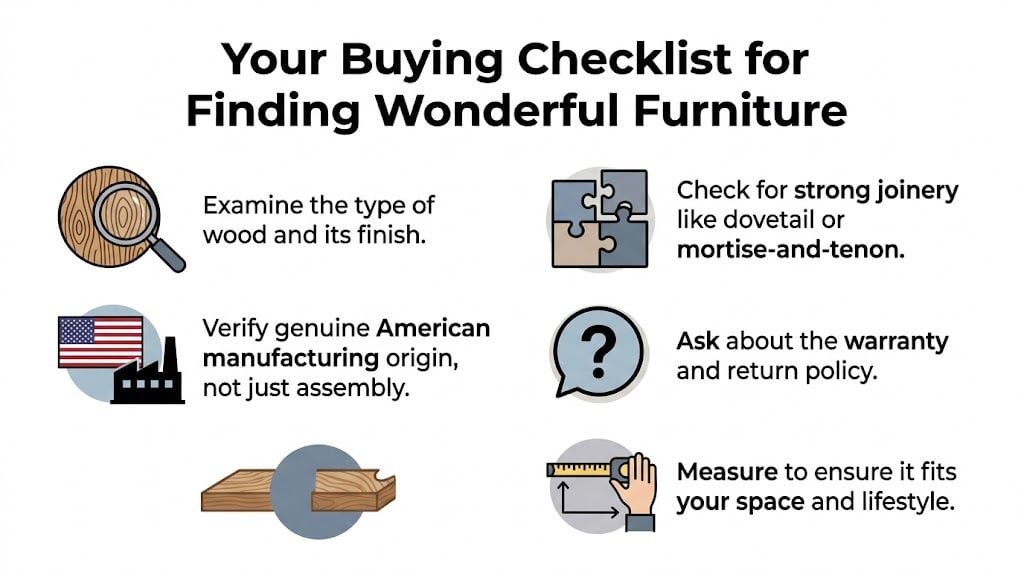
Your Buying Checklist for Finding Wonderful Furniture
A lot of Milwaukee families reach this point in the process and feel stuck. They can tell one piece looks nicer than another, but they are not always sure what to check before they buy. That is normal. Good furniture shopping is less about having expert vocabulary and more about asking a few smart, practical questions in the right order.
A useful way to approach it is the same way you would size up a used car or a home appliance. You are checking how it works, how it is built, whether it fits your daily life, and whether the price makes sense for the years you expect to use it.
Five checks that save a lot of regret
Check how it feels
Put the piece through a calm version of real life. Sit on the sofa the way you do at home. Open the drawers fully. Rest your hand on the table and give it a light shake. A well-built piece usually feels settled and sure of itself from the start.
Ask what it is made of
Materials are the bones of the piece. Ask about the top, frame, drawer sides, back panels, and cushions, not just the part you see first. A dresser with solid wood drawer boxes and sturdy guides usually tells a very different story than one built to look good only from the front.
Verify where the work happened
This matters if you want genuine American craftsmanship rather than a vague patriotic label. Ask direct questions. Was it made in the USA, assembled here, or imported and finished here? If a salesperson cannot explain that clearly, keep asking until you get a straight answer.
Measure for the room and the route
This step saves some of the biggest headaches, especially in older Milwaukee homes, condos, duplexes, and apartments. Measure the wall. Then measure doorways, stair landings, elevator space, and tight corners. The right sofa for a Bay View bungalow is sometimes different from the right sofa for a Third Ward condo, even if both rooms look similar on paper.
Judge value over years, not one afternoon
Sticker price is only the first number. A piece that holds up to kids, pets, frequent guests, or daily use often feels expensive only once. A cheaper piece can cost more in frustration if cushions flatten early, drawers start sticking, or the frame loosens after a short time. As noted earlier, longer-lasting furniture often makes better sense for families planning to keep it for many years.
Questions to bring with you
If you like having a short list in your pocket, these questions do a good job of slowing the process down and clearing up confusion fast:
What kind of joinery is used in this piece?
What are the frame, drawer boxes, and back panels made from?
Is this size available for a smaller room or apartment?
Do you have options that hold up well in active households with kids or pets?
You do not need to solve every detail before you visit a showroom.
A helpful furniture conversation should narrow the field. It should not make you feel talked around. If your household has specific needs, that back-and-forth matters even more. One family may need a smaller-scale sectional that can come apart for a narrow stairway. Another may need a heavier-duty recliner, a tougher performance fabric, or a bedroom set that still feels right ten or fifteen years from now.
That is where experience helps. At BILTRITE, many of those conversations start with everyday realities, not showroom buzzwords. How many people use the piece every day? Is the room tight? Do you host often? Do you need something repairable? Those answers usually point to the right furniture faster than color alone ever will.
Caring for Your Furniture and Our Commitment to You
Once you bring home a well-made piece, a few simple habits go a long way. Good furniture doesn’t need complicated rituals. It needs steady, common-sense care.
Solid wood does best when you treat it like the natural material it is. Use coasters. Wipe spills promptly. Avoid placing hot items directly on the surface. Keep wood furniture away from strong direct sunlight when possible, because light can gradually affect the finish and color.
Easy care habits that help wood furniture last
For everyday care, a soft cloth usually does the job. If you’re dealing with sticky fingerprints or normal buildup, use a cleaner that’s appropriate for finished wood and avoid anything harsh or abrasive.
A few basics are worth remembering:
Dust gently: Grit can act like sandpaper over time.
Lift, don’t drag: Dragging stresses joints and legs.
Use felt pads: They help protect both floors and furniture bottoms.
Mind indoor conditions: Wood is more comfortable when your home isn’t swinging between very dry and very humid.
The families who get the most from their furniture usually don’t baby it. They just use it thoughtfully and care for it consistently.
Upholstery and leather need simple routines too
Fabric seating benefits from regular vacuuming, especially in the creases where dust and crumbs collect. Rotate loose cushions if the design allows it. That helps wear stay more even.
Leather likes consistency. Wipe it with a soft dry cloth, clean spills quickly, and keep it away from heat sources that can dry it out. If you have kids or pets, don’t panic. Better leather and better upholstery are meant to be lived in. The key is handling small messes before they become stubborn ones.
Why our approach is still old-fashioned in the right ways
Our family has been serving Metro Milwaukee since 1928, and we still believe furniture is something people should experience in person. Sit in it. Open it. Touch the wood. Compare the feel. Ask questions face to face.
That’s one reason we don’t sell online. We’d rather help you make a decision with your eyes and hands than ask you to gamble from a screen. It’s also why we’re proud to be closed on Sundays and Mondays so our team can spend time with family. Those values matter to us, and they shape how we do business.
We’re also proud that our showroom serves many kinds of homes and households. Some shoppers want solid wood dining and bedroom furniture. Some need small-scale pieces for apartments or senior living spaces. Some need heavy-duty options, come-apart seating, or guidance in the mattress department. We have a broad in-stock selection, custom options, and a team that’s there to help, not hover.
If you’ve been burned by furniture that looked fine but didn’t last, don’t give up on the category. Better construction is still out there. Honest answers are still out there. And when you find the right piece, your home feels calmer because one more thing is handled.
We’d love to help you compare materials, test comfort, and see quality up close. Visit BILTRITE Furniture-Leather-Mattresses in Greenfield, say hello, and let our family help your family find furniture built for real life.