Platforms for Beds: A BILTRITE Family Guide

If you're shopping for a new bed right now, there's a good chance you've hit the same question we hear all the time in our Greenfield showroom. Do I need a box spring, or should I be looking at a platform bed?
It’s a fair question. A lot of us grew up with the classic setup: metal frame, box spring, mattress on top. But today, platforms for beds have become one of the simplest, smartest ways to build a comfortable sleep setup that looks clean and supports modern mattresses well.
At BILTRITE, we’ve been helping Metro Milwaukee families furnish their homes since 1928, and one thing we’ve learned is this: bed shopping gets a whole lot easier when someone explains the basics in plain English. So let’s do that. No fluff. No confusing jargon. Just practical advice from folks who’ve been around furniture for a long time and still love helping people find something that fits their home, their family, and their budget.
So What Exactly Is a Platform Bed?
You get home after a long day, look at a bed frame online, and hit the same question we hear in our Milwaukee showroom all the time. Is this a regular bed, or is it a platform bed?
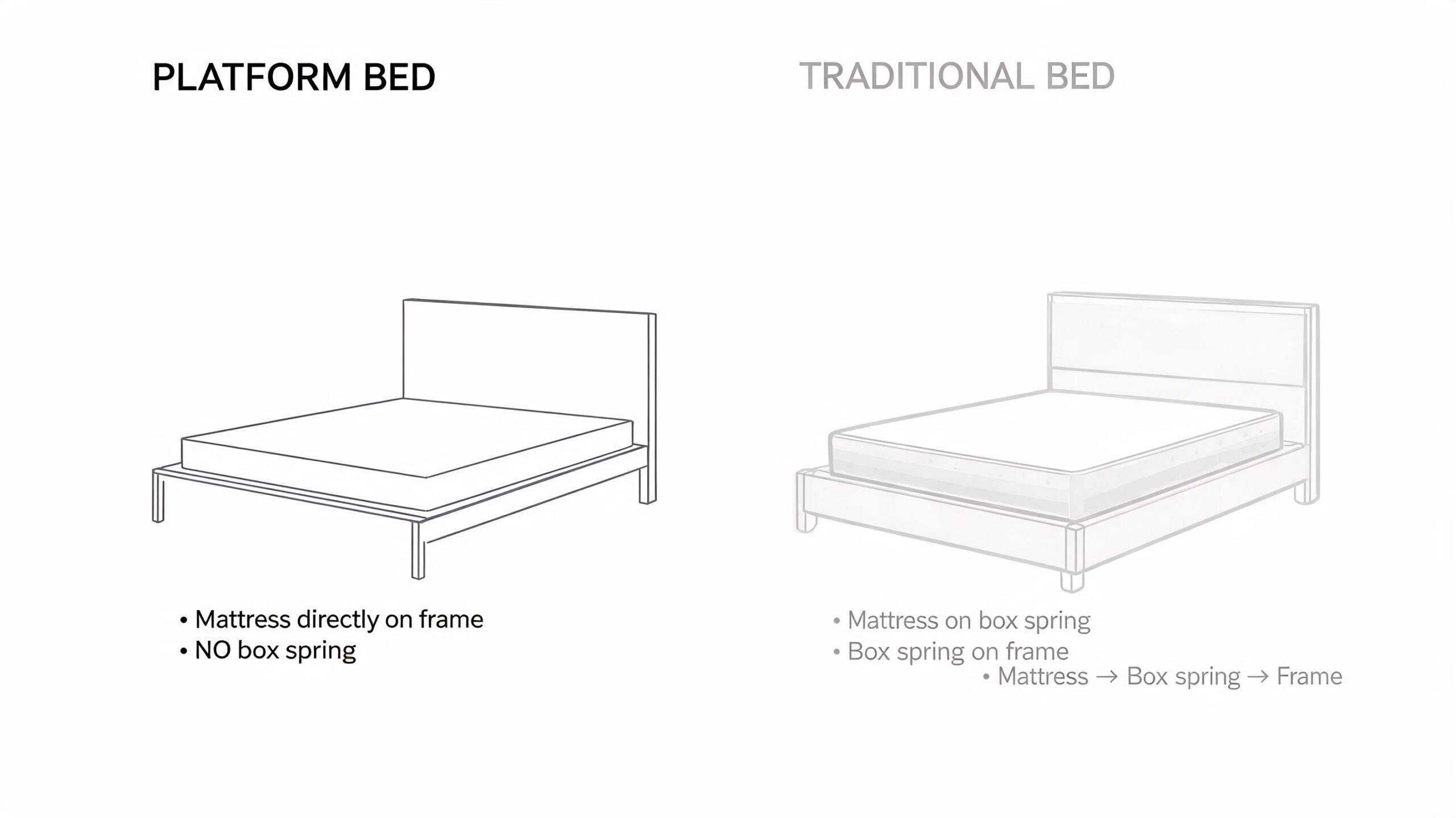
A platform bed is a bed frame with mattress support built into it. The mattress rests on the frame itself, usually on slats or a solid surface, so a separate box spring is usually not part of the setup.
One piece handles the support job.
A helpful way to picture it is like a house foundation. In a traditional bed setup, the frame holds the box spring, and the box spring holds the mattress. In a platform bed, that middle layer is gone because the frame is already built to support the mattress directly.
How it differs from the bed many people grew up with
The older setup many families remember usually includes a frame, a box spring, and a mattress stacked on top. A platform bed combines the frame and the support system, so the mattress sits right on top of the structure.
That changes both the look and the feel. Platform beds often sit lower, look cleaner, and remove one bulky layer from the bed. For many shoppers, that means a simpler setup and fewer pieces to buy, move, and replace over time.
It also helps explain why platform beds can vary so much from one model to the next. Two beds may both be called platform beds, but the key factor is how that built-in support is made. Wide slats, narrow slats, solid panels, center supports, and rail construction all affect how the bed performs.
That is one reason buying local helps. At BILTRITE, families can come into our showroom, press on the slats, look underneath, and feel the difference between a lighter frame and one built for years of everyday use. That hands-on comparison is especially helpful if you are considering solid wood, USA-made, or Amish-made options and want long-term value instead of a bed that only looks good in a photo.
Why so many people choose them
Platform beds appeal to shoppers who want a clean style and practical support in one frame. Some people want a lower profile. Some want to skip the box spring. Others want a sturdier build that pairs well with modern mattresses.
The key is that "platform bed" describes the support style, not one single look. Some are minimal and modern. Some include storage. Some are upholstered, and some are built from substantial wood with the kind of craftsmanship you can see up close. If you want to compare those options, our guide to different types of bed frames and bed styles is a helpful place to start.
A platform bed works like a dining table with a strong base. If the structure underneath is built well, everything above it works better too.
Exploring Materials from Solid Wood to Amish Craftsmanship
Material is often the first clue to how a platform bed will live in your home. Two beds can share a similar silhouette on the sales floor, yet feel completely different after a few years of nightly use.
That difference shows up in ordinary moments. You sit on the side to put on your socks. A child bounces onto the mattress on Saturday morning. You pull the bed out to vacuum and put it back again. A well-built frame handles those routines with less wobble, less strain, and fewer surprises over time.
Why solid wood still matters
Solid wood platform beds earn attention for a simple reason. They usually offer more substance where it counts.
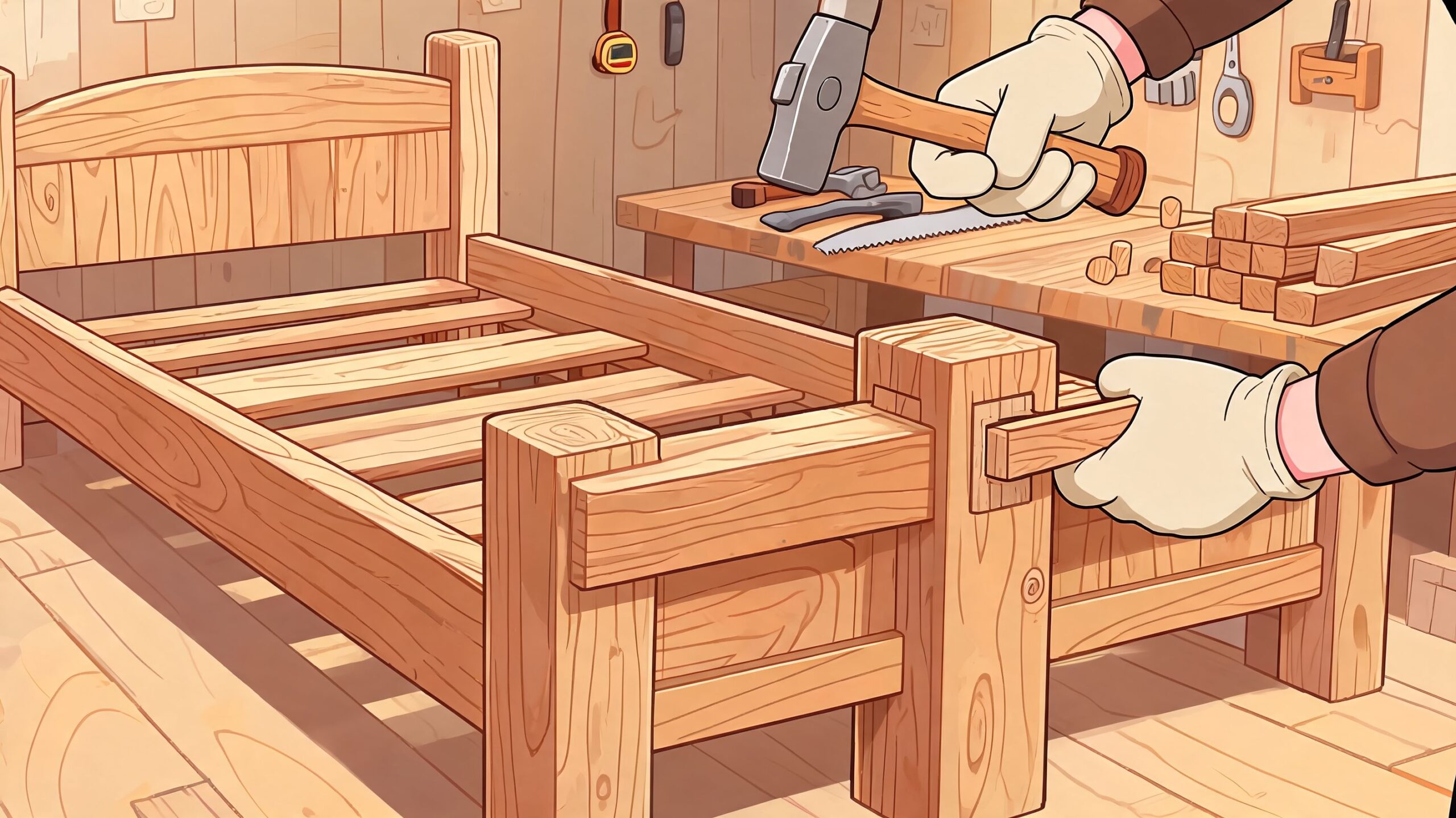
A bed frame works a lot like the framing in a house. The paint color matters less than the boards underneath. With furniture, the species of wood, the thickness of the rails, and the way the joints are fit together all shape how steady the bed feels and how well it holds up.
For long-term value, many Milwaukee families end up gravitating toward real wood because it tends to wear in a more forgiving way. Small marks can often blend into the character of the piece instead of making it look worn out. Parts may also be easier to repair or refinish than lower-cost materials built for short replacement cycles.
A few plain-English distinctions help:
- Solid wood uses real lumber for the main structural parts.
- Veneer is a thin wood layer over another core material. It can look beautiful, but it does not tell you much about the strength of the bed underneath.
- Joinery is how the bed is connected. Tight, well-made joints usually mean less shifting and less loosening over time.
That is one reason shopping in person helps so much. At BILTRITE, you can run your hand along the side rail, check the thickness of the wood, and feel whether the headboard has real substance or just visual bulk.
What Amish craftsmanship adds
Amish-made platform beds draw people in because the construction often feels deliberate. The wood selection is usually more consistent. The fit and finish often look cleaner up close. The overall piece tends to feel like it was built to stay in the family, not cycle out after a move or two.
For shoppers who have heard the term but are not quite sure what it means, what Amish furniture is and why families value it gives a helpful everyday explanation.
In our Milwaukee showroom, local expertise really pays off. Online photos can make a paper-thin side rail look substantial. In person, you can open a drawer, inspect a corner, compare wood grains, and see the difference between a bed that is merely styled to look handcrafted and one that is. That hands-on comparison matters if you want durable, USA-made furniture that earns its keep over many years.
A bed that feels solid in the showroom often keeps proving itself at home.
A few materials you’ll commonly see
| Material | What it’s like | Who it suits |
|---|---|---|
| Solid wood | Heavier feel, visible grain, often easier to maintain over the long run | Shoppers focused on durability and long-term value |
| Upholstered wood frame | Softer look, padded surfaces, warmer visual style | Main bedrooms where comfort and design both matter |
| Metal platform | Lighter appearance, simpler construction, often easier on the budget | Guest rooms, starter spaces, or lower-use rooms |
No material wins in every situation.
The better question is what kind of life the bed needs to handle. If you want something that can move with your family, hold up to daily use, and still look good years from now, solid wood, USA-made, and Amish-made options are often worth a close look in person.
Why Slat Spacing Is Your Mattress's Best Friend
You bring home a new mattress, the first few nights feel great, and then the support starts to feel uneven. In many cases, the mattress is not the actual problem. The frame underneath it is.
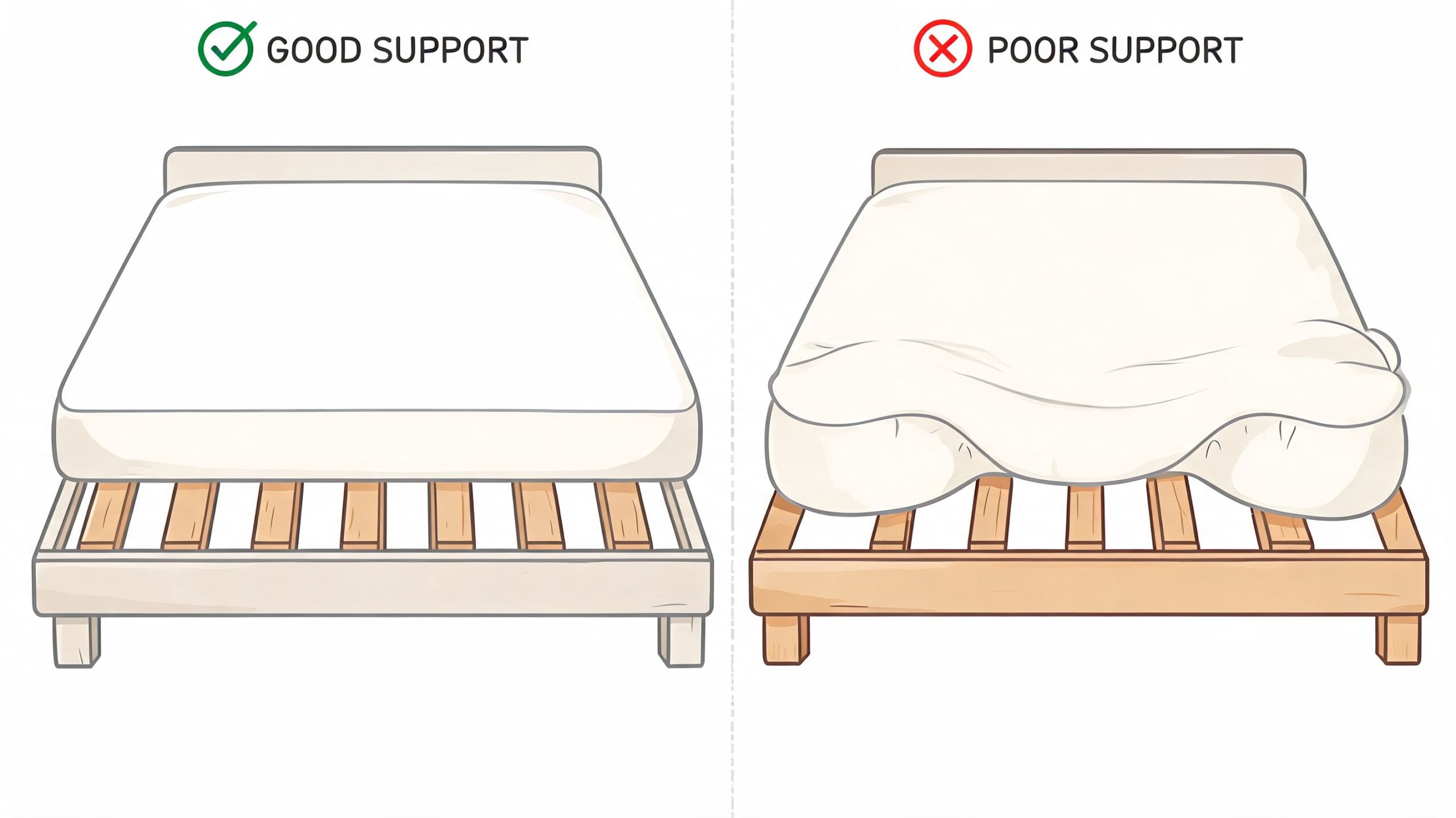
Slat spacing sounds technical, but the idea is simple. Slats are the boards that sit under the mattress, and the gaps between them affect how well the mattress is held up day after day. If those gaps are too wide, parts of the mattress can dip into the open spaces. Over time, that can lead to sagging, uneven wear, and a feel that is less comfortable than what you tried in the store.
A deck gives a good comparison. Boards set close together feel solid under your feet. Spread them too far apart, and you notice the weak spots right away. A mattress responds the same way. It needs steady support across the surface, not just at a few points.
As noted earlier, many mattress makers and bed guides recommend keeping slats fairly close together, often in the 3 to 4 inch range, with a support system that feels substantial rather than thin or flexible. The exact requirement can vary by mattress type and brand, which is why local guidance matters so much. In our Milwaukee showroom, families can see the support system, touch the slats, and measure the spacing instead of guessing from an online photo.
That matters even more with foam and hybrid mattresses. These designs usually want even support across the full sleep surface. If the base underneath has large gaps or weak slats, the comfort layers can wear in an uneven pattern.
Here’s the practical checklist we walk through with shoppers:
- Check the gap between slats. Smaller, consistent gaps usually support the mattress better.
- Press on the slats. They should feel solid, not flimsy or bouncy.
- Look for center support on larger sizes. Queen and king beds often need extra reinforcement through the middle.
- Ask whether a bunkie board is recommended. Some mattress and frame combinations benefit from one.
One simple rule helps: if you are buying the mattress and platform separately, measure the slat spacing before you buy.
What to ask in the store
A few direct questions can save a lot of frustration later:
- How far apart are the slats on this bed?
- How thick are the slats, and how are they secured?
- Is there center support for this size?
- Will my current mattress work on this frame as it is?
- Would a bunkie board help, or is it unnecessary?
If you want a visual example before you shop, our page on slatted bed frame construction and support shows what to look for.
This detail may seem small at first. It has a big effect on comfort, mattress life, and long-term value. That is one more reason buying local helps. You can check the support with your own eyes and hands, especially on durable USA-made and Amish-made options that are built to serve your family for years.
Finding a Platform Bed for Your Unique Space and Family
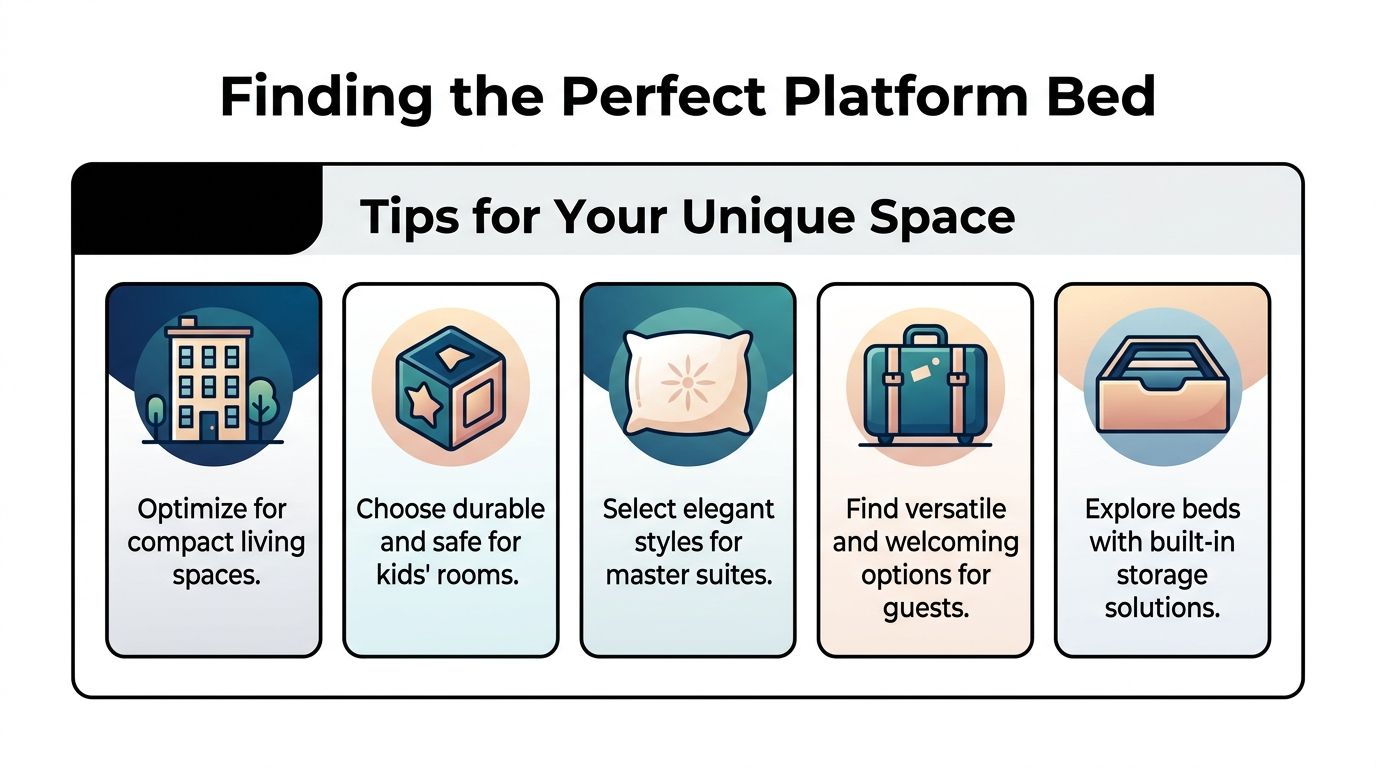
No two bedrooms work the same way. A condo guest room in Brookfield, a smaller apartment near Bay View, a kid’s room, and a senior living space all ask different things from a bed.
That’s one reason platform beds work for so many households. The category is broad. Some are compact and simple. Others offer storage, a tall headboard, heavy-duty construction, or easier access for daily living.
For smaller homes and tighter rooms
We work with plenty of shoppers who need a bed that doesn’t overwhelm the room. In a smaller bedroom, a bulky setup can make the whole space feel cramped.
A lower-profile platform bed often helps because it keeps the room looking more open. Storage versions can help even more by putting drawers underneath the sleep surface instead of taking up wall space with extra furniture.
A few good fits for compact spaces:
- Low-profile frames for a cleaner, lighter visual footprint
- Beds with built-in drawers when closet space is limited
- Come-apart construction for tighter hallways or stair turns
- Small-scale designs that don’t crowd the room
For families who need strength, not fuss
Some families need more than a stylish frame. They need a bed that handles real weight, regular use, and years of wear without feeling wobbly.
That’s where construction matters. Reinforced platform beds can make a major difference for primary bedrooms, guest rooms that get regular use, and homes where durability is the whole point. As noted by Architecture Helper’s discussion of reinforced platform support, some heavy-duty platform beds can support 700+ lbs, and some ADA-compliant models are rated for 800 lbs.
That kind of support can matter for:
- Seniors who need a sturdy, dependable frame
- Couples looking for a more substantial sleep setup
- Caregivers planning around accessibility and daily ease of use
- Anyone tired of frames that squeak, flex, or shift
A bed can be low and stylish without being flimsy. It can also be heavy-duty without looking clunky. The trick is matching the build to the room and the people using it.
Different rooms call for different priorities
A quick way to narrow the field is to think about the room first, not the bed first.
| Room or situation | What usually matters most |
|---|---|
| Apartment bedroom | Smaller scale, storage, easier delivery |
| Primary bedroom | Material quality, style, long-term comfort |
| Guest room | Simplicity, flexibility, easy upkeep |
| Senior living setup | Stability, height, strength, accessibility |
One practical example from our floor is the Two West Full Modern Platform Bed, a full-size design with solid Alder construction and custom Amish finish options. That kind of piece tends to appeal to shoppers who want a cleaner look but still highly value wood quality and long-term value.
Will Your Mattress Work with a Platform Bed?
This is one of the biggest worries people bring in with them. They’ve found a bed they like, and then the question hits. Will my current mattress work on it?
In many cases, yes. Modern platform beds are designed to support a wide range of mattresses, including memory foam, latex, hybrid, and many innerspring models. The key is not just the mattress category. The key is whether the platform provides the kind of support that mattress needs.
The easiest way to think about compatibility
A mattress needs an even, stable base. If the surface underneath is firm and properly built, a platform bed is often a very good match.
That’s one reason platform support has become so common alongside foam mattresses. According to Casper’s comparison of platform beds and box springs, the foam mattress market held 45% share in 2024, and platform beds are positioned as broadly compatible across mattress types while box springs are more limited.
Here’s a simple breakdown:
- Memory foam usually does well on solid or closely spaced slats
- Hybrid mattresses also benefit from even support
- Latex mattresses generally like a sturdy, non-flexing base
- Many innersprings work well too, depending on manufacturer guidance
Flip-able mattresses need extra attention
This is a place where generic bed advice often falls short. Two-sided and flip-able mattresses are heavier, and they benefit from stronger, more even support.
That matters at our store because we carry a large mattress assortment, including flip-able models many shoppers seek out for durability. If you want the plain answer to the box spring question, our guide on whether your mattress needs a box spring clears that up.
For two-sided mattresses specifically, Bedrooms & More’s platform bed article states that these mattresses can last 20-30% longer on a rigid base with slat spacing under 3 inches, because the support helps reduce premature wear on both sides.
If you’ve invested in a heavier, two-sided mattress, the base under it shouldn’t be an afterthought. It’s part of the value of the mattress.
If you already own a mattress, bring in the model name if you know it. If you’re shopping for both pieces together, that’s even easier. You can match the support system to the mattress from the start.
Come See for Yourself Why Buying Local Matters
Saturday afternoon, you finally have time to shop for a bed. On your phone, five platform beds look almost identical. Then the questions start. Are the slats close enough for your mattress? Is that frame solid wood or veneer over engineered wood? Will it still feel sturdy a few years from now, or only on delivery day?
A local showroom answers those questions faster than a product page can.
When you see a platform bed in person, you can press on the side rails, look underneath, check how the slats are supported, and feel the finish with your own hand. That matters because long-term value usually lives in details that photos flatten out. A bed can look clean and simple online while hiding light materials, wider slat gaps, or hardware that is harder to service later.
At BILTRITE, we help people sort through those details every day in our Greenfield showroom. Milwaukee families can compare durable USA-made and Amish-made platform beds side by side, which makes the differences much easier to understand. It works a bit like test-driving two cars that looked the same in a photo. Once you sit with them and inspect how they are built, the better fit becomes clearer.
Our staff also explains the technical parts in plain English. If you are unsure about slat spacing, center support, bed height, or whether your current mattress can stay, you can get a direct answer from someone standing right next to the frame. Generic online retailers rarely give that kind of practical guidance, especially if you want a platform bed that will hold up for the long haul instead of just checking a style box.
We are a fourth-generation, family-owned business, and we have served Metro Milwaukee since 1928. We do not sell online because our process depends on real comparison, real conversation, and real materials you can touch. If the local side of the decision matters to you, our article on why shopping locally matters when buying a new mattress adds helpful context.
A bed is part of daily life for years. The right platform bed should support your mattress properly, fit your room, and keep earning its place in your home long after the first setup.
We’d love to see you in our Greenfield showroom. Come say hi, explore our selection of solid wood, USA-made, Amish-made, small-scale, and heavy-duty bedroom furniture, and let us help you find a platform bed and mattress setup that fits your home for the long haul. Visit BILTRITE Furniture-Leather-Mattresses.