Metal and Wood Wall Shelf: A BILTRITE Guide


That blank wall usually starts the same way. You walk past it for weeks, maybe months, and think it needs something. Not a giant cabinet. Not another framed print. Just one piece that adds warmth, gives you useful storage, and makes the room feel finished.
A metal and wood wall shelf does that job well. It can hold cookbooks in the kitchen, family photos in the hallway, baskets in a mudroom, or work essentials in a home office. And you're not alone if you've been thinking about adding one. The global market for wall-mounted shelves is projected to grow to over $3.7 billion by 2025, which says a lot about how many homeowners are turning to shelves for smart, stylish storage according to this wall-mounted shelves market report.
We've been helping Metro Milwaukee families furnish their homes since 1928, and one lesson never changes. The shelf itself matters, but the way you choose it, mount it, and care for it matters just as much. A good shelf can make a room feel settled. A poorly chosen one can sag, loosen, or end up as another project on the weekend list.
From Bare Wall to Beautiful Display
A shelf often solves two problems at once. It fills visual space and creates real function. That's a big reason so many homeowners are adding them to living rooms, bedrooms, entryways, and small workspaces.
A metal and wood wall shelf works especially well because it doesn't feel flat or flimsy. Wood softens the room. Metal adds structure. Together, they fit a lot of homes without looking too formal or too industrial.
A bare wall doesn't always need more decoration. Sometimes it needs a useful piece with some character.
Think about the spots in your home that collect clutter. Keys on the counter. Mail on the dining table. Candles and picture frames with no real home. One shelf can give those things a place and make the room look more intentional.
Where this style works best
Some walls are better shelf candidates than others. These are the places we see work especially well:
- Entry walls: Great for a small drop zone with a tray, framed photo, or decorative bowl.
- Home offices: A shelf above a desk keeps books and supplies off the work surface.
- Hallways: Narrow spaces benefit from vertical storage that doesn't eat up floor space.
- Living rooms: Shelves can break up a large wall and display family pieces without adding bulky furniture.
If you need help with styling once the shelf is up, our guide on how to decorate shelves in any room gives you plenty of practical ideas without making the space feel crowded.
Finding Your Ideal Shelf
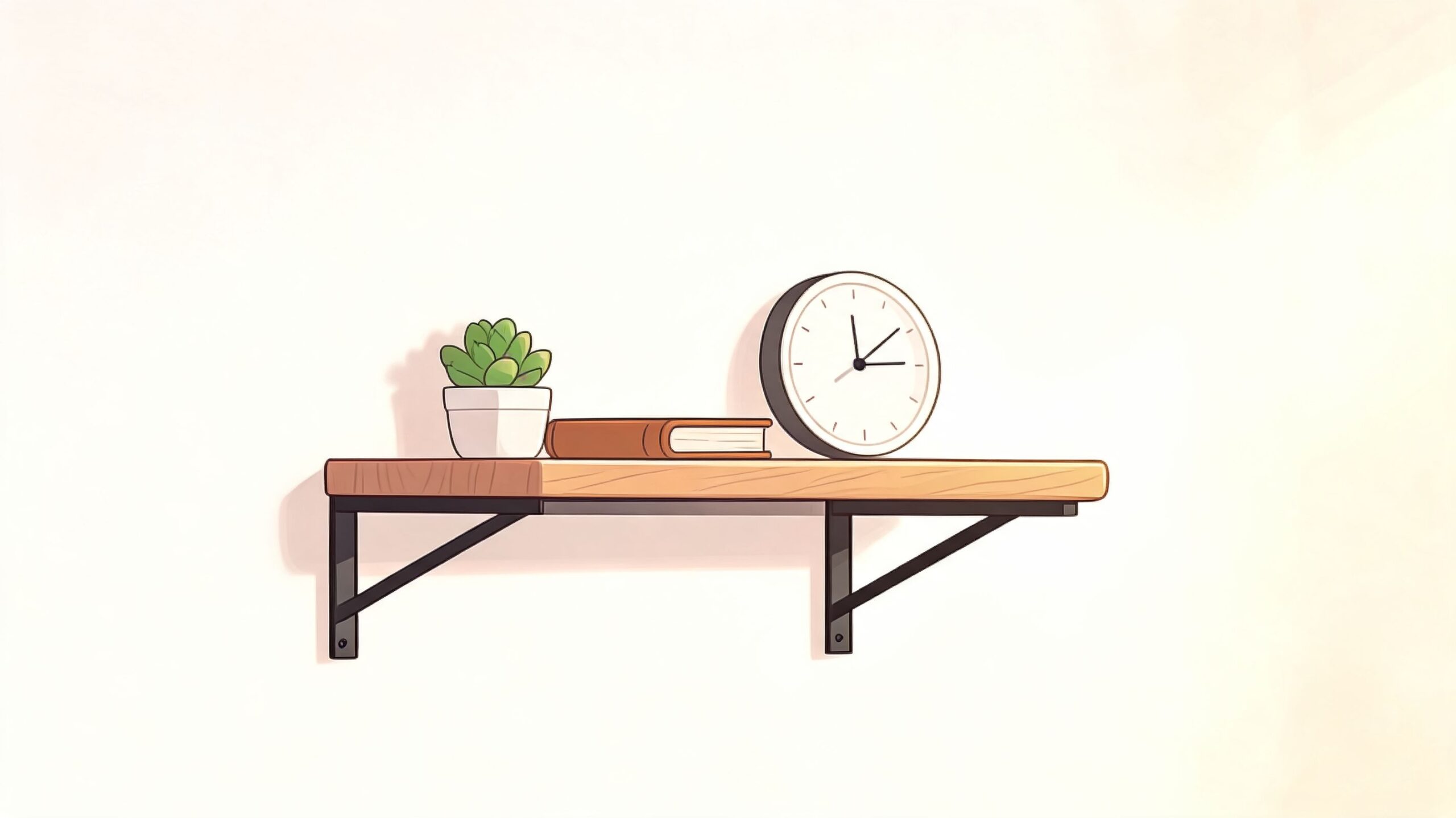
Picking the right shelf starts with one simple question. What is it going to hold? A shelf for a candle and a small plant is a different animal than one meant for books, pottery, or kitchen canisters.
That's where the metal-and-wood combination earns its reputation. Metal offers exceptional load-bearing capacity, while wood provides superior aesthetic warmth. Combining them offers the best of both worlds, creating a durable and stylish storage solution that complements any decor, as explained in this comparison of wooden wall shelves and metal wall shelves.
Start with function, then choose the look
A lot of people shop in reverse. They fall in love with a photo first, then try to make the shelf do a job it wasn't built to do. It's better to decide on use first.
Consider the following approach:
| Use | What usually works best |
|---|---|
| Displaying photos or small decor | Slim shelf with lighter profile |
| Books or heavier collections | Thicker wood shelf with sturdy metal brackets |
| Kitchen storage | Durable shelf with moisture-resistant metal finish |
| Small apartment storage | Compact shelf with strong support and clean lines |
If you're putting heavier items on the shelf, don't choose based on style alone. Thin shelves with decorative hardware can look nice, but they often aren't the right fit for dense loads.
Real wood makes a difference
We're big believers in solid wood over thin veneer or lightweight particle alternatives. Real wood has more substance, more depth, and more staying power. It also fits the kind of craftsmanship Milwaukee families tend to appreciate once they see it in person.
Some practical advantages stand out:
- It wears better: Small signs of use tend to add character instead of looking worn out.
- It can be refreshed: Solid wood can often be cleaned up or refinished later.
- It feels substantial: You notice the difference when you lift it, mount it, and live with it.
If you enjoy the industrial-meets-warm look, our post about what you should know about metal accents can help you tie a shelf into the rest of the room.
Practical rule: If the bracket looks stronger than the shelf board, or the shelf board looks stronger than the bracket, the design is probably out of balance.
Match the shelf to the room
A metal and wood wall shelf can lean rustic, clean-lined, farmhouse, or more urban depending on the details.
- Black iron with a thicker wood top feels grounded and casual.
- A smoother wood surface with slimmer steel supports reads more modern.
- Visible brackets add personality.
- Cleaner hardware disappears more into the background.
That's the fun part. The shelf can be useful and still help shape the room.
The Beauty of Amish and USA-Made Shelves
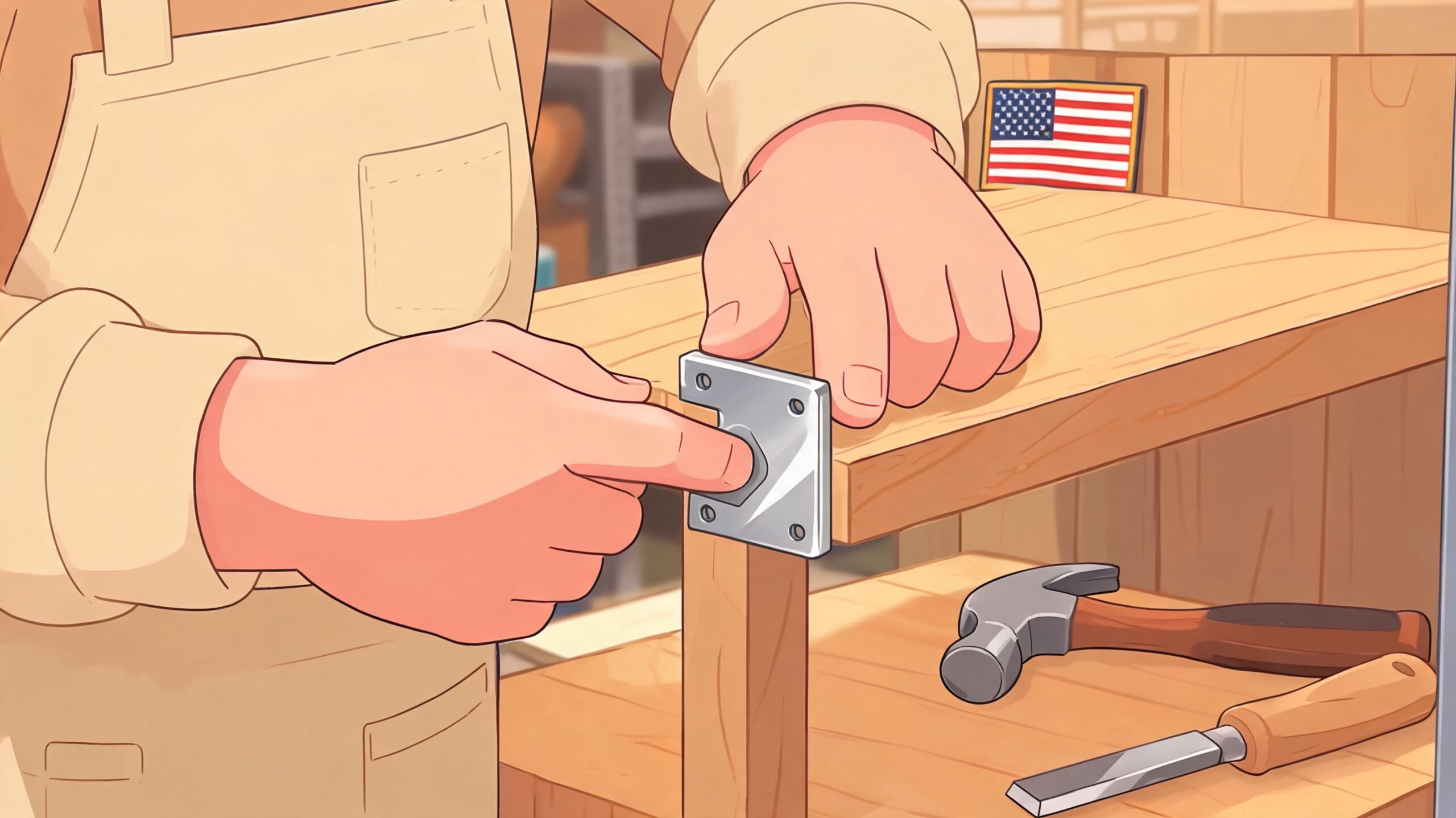
Not all shelves are built with the same priorities. Some are made to hit a price point and ship fast. Others are made to last, look better over time, and feel solid the minute you handle them.
That difference is why Amish-made and USA-made furniture continues to matter. You see it in the wood selection, the finish quality, the bracket strength, and the way the whole piece feels assembled with purpose instead of speed.
Why craftsmanship matters on a wall shelf
A wall shelf has no place to hide. If the wood is low grade, you notice it. If the finish is uneven, you notice that too. If the bracket twists or the hardware feels cheap, it shows up right away once the shelf is loaded and mounted.
Good craftsmanship tends to show up in quieter ways:
- cleaner joinery
- more consistent finish work
- sturdier shelf thickness
- hardware that feels like part of the design instead of an afterthought
That's especially important if you want something for a small apartment, condo, or older home where every piece needs to earn its place.
Why customizable pieces are getting more attention
Flexibility matters more than it used to. A 2026 furniture industry report notes a 35% rise in demand for customizable "knock-down" shelving in urban markets like Milwaukee, a trend that lines up well with adaptable Amish-made furniture as noted in this market reference.
That matters for real-life reasons. Some homes need shelves sized for a narrow wall. Some need a specific finish to work with existing trim or flooring. Some need furniture that can come apart more easily for tight stairways or smaller spaces.
If you'd like a deeper look at what sets these pieces apart, this article on what is Amish furniture is worth a read.
Better materials don't just improve how a shelf looks on day one. They improve how it lives in your home year after year.
Measuring and Mounting Like a Pro
Saturday morning goes a lot better when the shelf goes up straight the first time. I have seen plenty of beautiful shelves ruined by a rushed install, especially in older Milwaukee homes where walls are not always as simple as they look. Good mounting protects the shelf, the wall, and everything you plan to put on it.
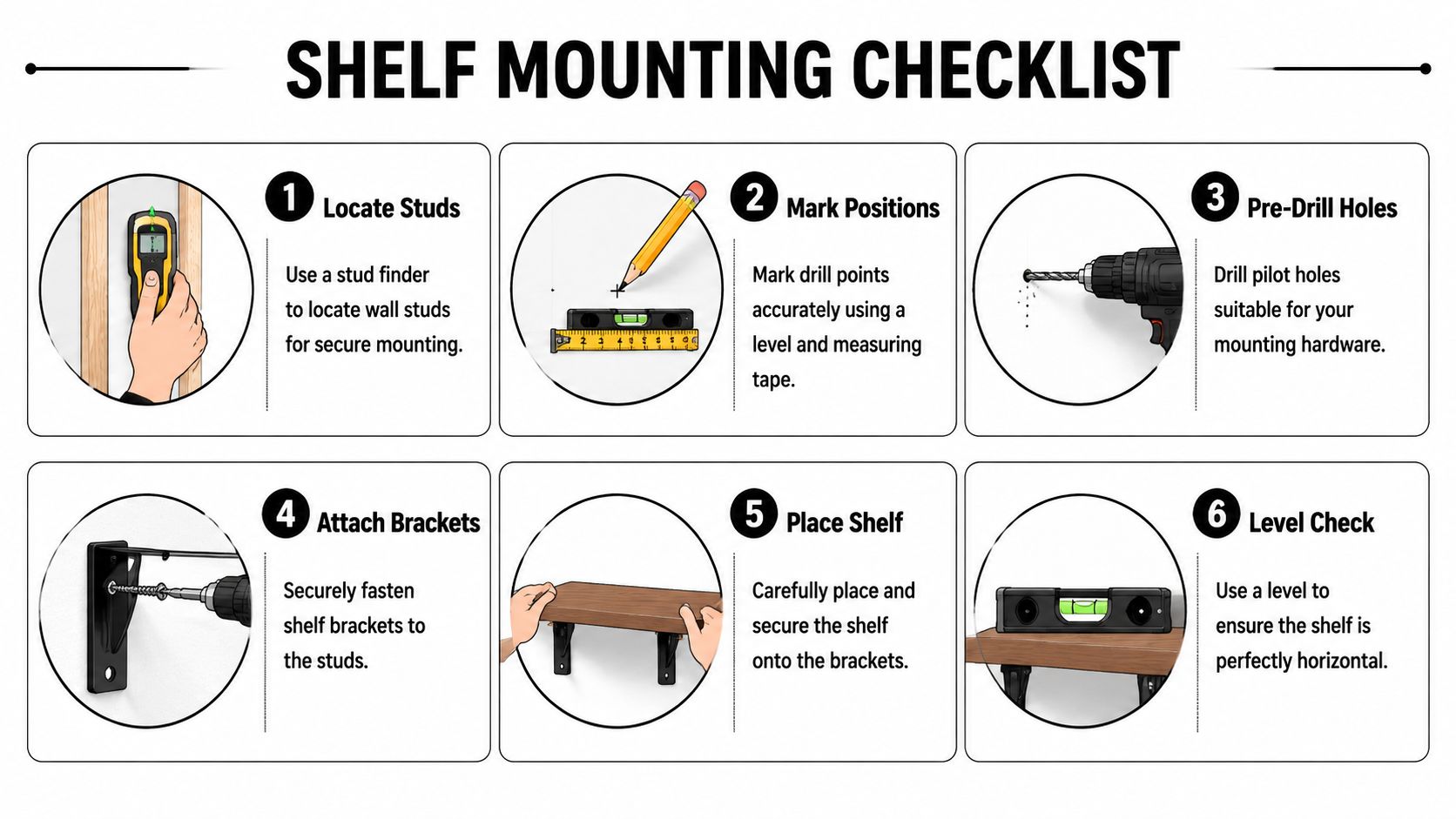
The first decision is support. Fastening into studs gives the best hold. If stud placement does not line up with your shelf design, use anchors rated for the load and matched to your wall type. That choice matters more than the finish, the bracket style, or how easy the instructions make it sound.
The basic tool lineup
A clean install usually comes down to a short list of tools used carefully:
- Stud finder: Helps confirm where the framing is.
- Level: Keeps a shelf from looking crooked across the room.
- Tape measure: Useful for height, centering, and bracket spacing.
- Drill and pilot bit: Makes screw placement cleaner and reduces strain.
- Pencil: Lets you mark and adjust without making a mess.
If you want a good refresher on layout and marking, our step-by-step guide to hanging your picture with precision covers several of the same habits that make shelf installs cleaner.
A step-by-step method that works
Studs are commonly spaced in a regular pattern, but never assume. Check the wall you have, not the wall you expect.
Here is the order I recommend:
- Set the height first. Hold the shelf or bracket in place and check sightlines, reach, and what will sit underneath it.
- Locate and mark support points. Find stud centers when possible. On drywall, that usually means slowing down and confirming your marks before drilling.
- Level across the full span. A shelf can look fine up close and still read crooked from the doorway.
- Drill pilot holes. This helps screws start true and lowers the chance of splitting wood or chewing up the wall.
- Mount the brackets. Tighten until secure, then stop. Overtightening can strip hardware or crush drywall.
- Set the shelf and recheck level. Make any small adjustment now, before adding books, baskets, or decor.
What goes wrong most often
Bad installs usually come from simple mistakes, not bad luck.
| Mistake | What it causes |
|---|---|
| Missing the stud center | Weak holding power |
| Relying on undersized anchors | Pullout under load |
| Skipping the level check | A shelf that always looks off |
| Loading it right away without a final check | Extra stress on a poor mount |
Older walls deserve extra patience. Plaster can crack, crumble, or hide uneven framing, and many Milwaukee houses have plenty of it. If the wall starts telling you it is not a standard drywall job, slow down and change your approach. A careful installer knows when to call for help.
Match the install to the load
Shelf weight ratings are only part of the story. The real question is how much weight the whole setup can carry once you combine the shelf, brackets, screws, anchors, and wall material.
A narrow display shelf for a plant and framed photo can be mounted differently from a shelf meant for cookbooks or storage baskets. That is one reason better shelves are worth buying in person instead of guessing from a generic listing online. At BILTRITE, we can show you the build quality, talk through the wall you are working with, and help you choose a metal and wood wall shelf that fits your room and your real-life load, not just the product photo.
Keeping Your Shelf Looking Great

Once the shelf is up, maintenance is pretty simple. A little regular care keeps wood looking rich and metal looking clean instead of tired.
The main thing to remember around Milwaukee is moisture. In a humid climate like Milwaukee's, a powder-coated or galvanized finish on metal components is critical, as it can prevent corrosion and extend the shelf's life by resisting rust formation, as noted on this metal-and-wood shelf finish reference.
Easy care habits that help
Use a soft cloth for routine dusting. If the wood needs more than that, wipe it with a slightly damp cloth, follow the grain, and dry it right away.
For metal parts, keep it simple:
- Dust regularly: Dirt and grime can dull the finish over time.
- Dry moisture quickly: Don't let water sit on joints or brackets.
- Skip harsh cleaners: Strong chemicals can wear down protective finishes.
If your shelf includes real wood, this guide on how to clean wood furniture gives a good foundation for long-term care.
A shelf lasts longer when it stays clean, dry, and appropriately loaded.
Watch for early warning signs
Check the shelf now and then, especially during seasonal humidity swings. If you notice wobble, loose screws, rust spots, or wood movement, handle it early. Small fixes are easier than repairing a failed install later.
Come Say Hi and See For Yourself
There's only so much a product listing can tell you. A shelf might look sturdy in a photo and still feel lightweight in person. The finish might look warm on a screen and feel flat under real light. That's why seeing furniture up close still matters.
It matters even more with heavy-duty wall storage. A Houzz survey found 68% of homeowners experienced shelf failures from overloading, yet few online listings provide tested weight ratings, which is a good reminder that expert, in-person guidance can save you trouble according to this shelf listing reference.
Why a showroom visit helps
When you shop in person, you can do what photos don't allow:
- Feel the wood grain
- Look closely at bracket thickness
- Compare finishes side by side
- Ask questions about what works for your wall type
- Choose between small-scale and heavier-duty options
That kind of hands-on comparison is especially helpful if you're furnishing a condo, a bungalow, a family room, or an older Milwaukee home with quirks behind the walls.
We've always believed furniture shopping should feel comfortable, helpful, and local. No pressure. Just solid guidance from people who know the products, know the area, and understand that your home has to work for real life.
If you're weighing a metal and wood wall shelf and want to see the difference between entry-level and built-to-last, stop in and take a look around. Touch the materials. Ask the practical questions. Bring a few measurements if you have them. That's usually the fastest way to find a shelf you'll still be happy with years from now.
If you're ready to see better-quality shelving, solid wood furniture, and Amish-made craftsmanship in person, visit BILTRITE Furniture-Leather-Mattresses in Greenfield. We're a fourth-generation family business serving Metro Milwaukee since 1928, and we'd love to help you find a shelf that fits your space, your style, and the way you really live. Come say hi and see the difference for yourself.