3 DAY MATTRESS SALE! TUESDAY - WEDNESDAY - THURSDAY!
LABOR DAY SALE EXTENDED ENDS SATURDAY, OCTOBER 3RD AT 5PM!
NO CREDIT CARD FEES!
1000's of Items IN-STOCK + 500 Mattresses!
Largest selection of USA Made Furniture & Mattresses + Amish Made!
FREE In-Store Design Services!
BUY LOCAL & LOVE YOUR HOME!
3 DAY MATTRESS SALE! TUESDAY - WEDNESDAY - THURSDAY!
LABOR DAY SALE EXTENDED ENDS SATURDAY, OCTOBER 3RD AT 5PM!
NO CREDIT CARD FEES!
1000's of Items IN-STOCK + 500 Mattresses!
Largest selection of USA Made Furniture & Mattresses + Amish Made!
FREE In-Store Design Services!
BUY LOCAL & LOVE YOUR HOME!
OPEN LABOR DAY | Tuesday-Thursday 10am to 6pm | Friday 10am to 7pm | Saturday 10am to 5pm | Sunday Closed To Be With Family & Friends | Monday Showroom Closed
5430 West Layton Ave, Greenfield - Metro Milwaukee
A lot of families start looking for a waterproof mattress cover after something already happened. A spilled bedtime drink. A pet that jumped up after coming in from outside. A child who climbed into bed during a storm. A guest room mattress that suddenly needs extra protection. That's usually when the questions begin. Is a mattress cover waterproof enough to matter? Will it feel hot? Will it make noise? Will it even fit the mattress correctly?
At a family furniture store that's been serving Metro Milwaukee since 1928, those questions come up all the time. A mattress protector may not be the most exciting part of the bedroom, but it does an important job. It helps protect comfort, cleanliness, and the investment a family made in a quality mattress, especially when that mattress is built to last for years.
Protecting Your Mattress Is Protecting Your Family's Comfort
One small spill can turn into a big headache when it reaches the mattress itself. Sheets can go into the wash. A mattress is a lot harder to clean, dry, and freshen once moisture gets below the surface. That's why so many families end up wishing they had added protection sooner.
A modern waterproof protector isn't just a basic cloth layer anymore. According to this guide to mattress pads and mattress protectors, the category has shifted from simple fabric covers to engineered barrier products, and by 2026 waterproof protection is described as a core feature rather than an optional add-on. That makes sense in real homes, where spills, sweat, and staining are part of everyday life.
Why families ask about this so often
Some households need protection for kids' beds. Others need it for a guest room, a senior sleeping setup, or a mattress in a rental space. The need may be different, but the goal is usually the same. Keep the mattress clean without changing how it feels.
Practical rule: If replacing the mattress would feel painful, protecting it should happen early, not after the first accident.
A waterproof layer also helps with day-to-day peace of mind. People often think only about major spills, but ordinary moisture matters too. Nightly perspiration, damp clothes, or a wet pet can all put stress on the mattress over time.
It's not just about stains
A mattress protector helps preserve the sleeping surface families paid for. That means the comfort layers stay cleaner, the mattress stays fresher, and regular upkeep gets easier. For readers who want more general care advice, BILTRITE also shares mattress maintenance and cleaning tips to extend its lifespan.
That's why a mattress cover waterproof option is less about fear and more about planning. It's one of those simple additions that can make family life easier.
Protector Pad or Encasement Whats the Difference
Shoppers commonly get confused. The words sound similar, and many packages don't make the difference clear enough. But the product type matters, especially when someone wants waterproof protection instead of just a little softness.
Start with the easiest way to think about it
A mattress pad is mostly about comfort. It may add a bit of cushion, a smoother surface, or light protection. A mattress protector is built mainly to block liquids, stains, dust mites, bed bugs, and other contaminants from reaching the mattress, as described in this mattress protector overview.
That's why a waterproof mattress cover is usually sold as a mattress protector, not a pad. The protector's job is protection first.
Here's a simple comparison:
Type
Main job
Typical feel
Best for
Mattress pad
Add comfort
More cushioned
Someone who wants a little softness
Mattress protector
Block spills and contaminants
Thinner, fitted
Daily mattress protection
Mattress encasement
Cover more completely
Snug, all-around fit
Allergy concerns or broader coverage needs
Why the wording matters
A true protector is usually thin and fitted, while a pad is more about comfort and may or may not be waterproof. That difference can matter for hygiene, and it can also matter when people are trying to meet mattress care requirements. Some warranties depend on using a real protector rather than a decorative or lightly padded cover.
A family that says, “We just want something waterproof,” is usually looking for a protector, even if they walked in asking for a pad.
When an encasement makes more sense
An encasement goes farther than a fitted-top protector. Instead of covering just the sleeping surface and sides like a fitted sheet style, it surrounds the mattress more fully. Some families prefer that extra coverage when they're concerned about allergens or want a more complete barrier.
That said, not every bed needs an encasement. For many homes, a fitted waterproof protector is the easier everyday choice because it's simpler to remove and wash.
A quick shopping checklist helps:
Choose a protector when the main concern is spills, sweat, staining, or daily mattress hygiene.
Choose a pad when the main goal is changing the feel of the bed.
Choose an encasement when more complete coverage matters more than quick on-and-off convenience.
The biggest fear most shoppers have is simple. They don't want the bed to feel like plastic.
That concern is reasonable. Older waterproof covers earned that reputation. Some felt stiff, some trapped heat, and some made noise every time the sleeper rolled over. A newer mattress cover waterproof design can feel much better, but only if the materials are right.
What actually makes it waterproof
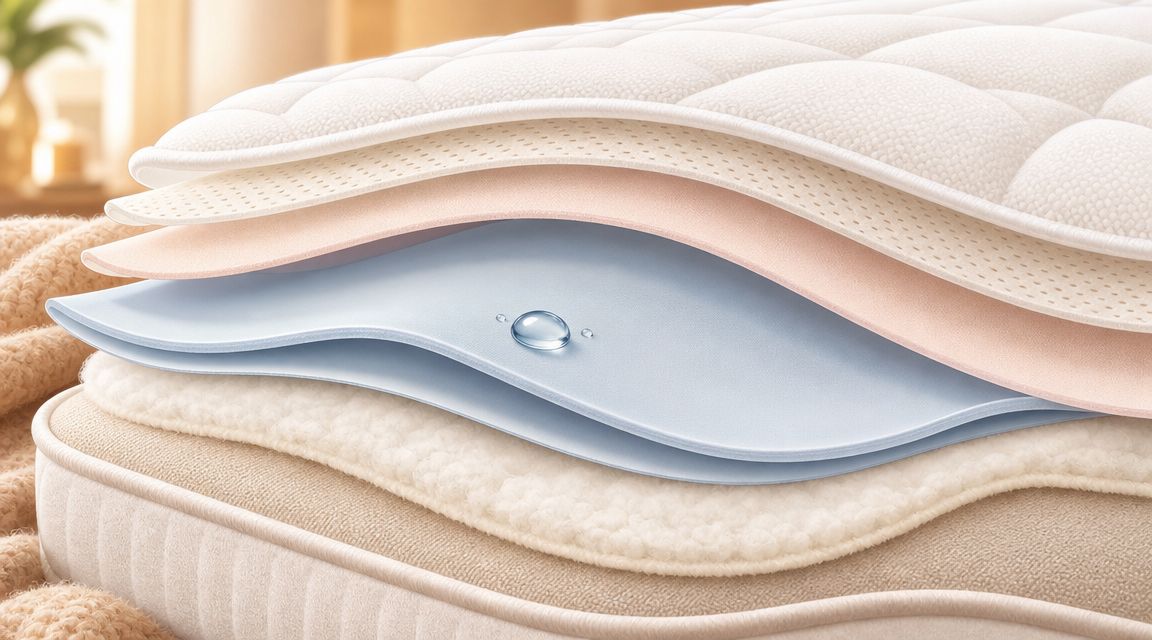
The key layer is usually a thin PU or TPU membrane. According to LeafScore's guide to choosing a safe waterproof mattress protector, effective waterproof covers often use a thin polyurethane or thermoplastic polyurethane barrier that blocks liquid while staying breathable. In certified products, that waterproof layer is often less than 5% of the total product, which helps preserve comfort and reduce heat buildup.
That's a useful clue for shoppers. The waterproofing shouldn't feel like a thick tarp. In better designs, it's a small part of the whole build.
Why some covers feel better than others
A soft top fabric can make the first impression feel nice, but the hidden barrier is what usually determines how the protector performs at night.
A shopper can think about it this way:
Thin membrane: Usually better for keeping the mattress feel closer to normal.
Breathable build: More likely to avoid that clammy sensation people worry about.
Quiet construction: Helpful for light sleepers who notice every rustle.
Overly thick laminated feel: More likely to change the feel of the bed.
Comfort clue: If a protector feels stiff in the hand, it may feel more noticeable under the sheets too.
Noise and heat are real shopping concerns
People don't ask for “membrane composition” in the showroom. They ask, “Will this make the bed hot?” and “Is it going to crinkle?” Those are the right questions.
Some waterproof covers are designed to be less noticeable in use, while others feel more obvious. A hot sleeper may want the thinnest breathable option available. A child's bed may call for stronger spill protection, even if the cover feels a bit more substantial. A guest room may need a balanced option that stays quiet and easy to wash.
That's why there isn't one answer for every home. The right choice depends on who's sleeping on the mattress and what kind of protection the family really needs.
Finding the Right Fit for Your BILTRITE Mattress
Fit is one of the most overlooked parts of buying a protector. Shoppers often focus on waterproofing first, then discover the cover slides around, pops off the corners, or shrinks after laundering. That's frustrating on any mattress. It's even more frustrating on specialty mattresses.
A common clue shows up right on product packaging. Many protectors advertise deep-pocket sizing for mattresses from 6 to 18 inches, as noted in this product listing for a deep-pocket waterproof protector. That tells shoppers something important. Fit is a real pain point, not a tiny detail.
Why specialty mattresses need more thought
A flip-able or two-sided mattress needs a protector that can come off and go back on without a wrestling match. If the protector is too tight, rotating and flipping become a chore. If it's too loose, it may bunch.
Heavy-duty mattresses often bring another challenge. They can be taller, denser, and harder to lift at the corners. A protector with weak elastic may start out fine and then lose its grip after wash cycles.
Senior living mattresses raise a different issue. Easy bed-making matters. A cover that fights the caregiver or the sleeper every time the sheets are changed isn't helping much, even if it's technically waterproof.
A simple way to measure before buying
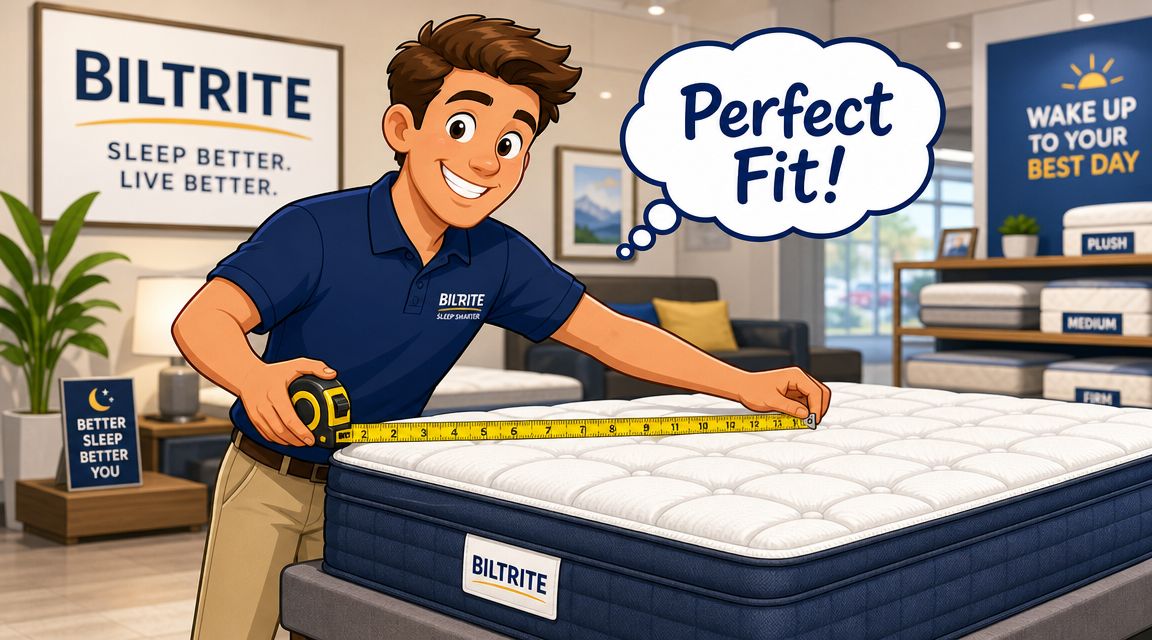
Before choosing a protector, measure the mattress height from the bottom edge to the highest point of the top surface. Don't guess based on what the tag says. Pillow-top and euro-top models can fool the eye.
A good fit check includes:
Measure the depth: Use the full mattress height, not an old estimate.
Think about movement: Adjustable bases and frequent repositioning put more stress on elastic corners.
Account for flipping: Two-sided mattresses need a protector that can handle regular removal and reinstallation.
Check laundering reality: A cover that fits once but tightens up later can become a long-term annoyance.
For help confirming standard dimensions before measuring depth, BILTRITE offers a handy mattress size chart.
A protector that fits “close enough” often becomes the one that bunches at midnight.
Match the protector to the sleeper
Different homes need different answers:
Mattress type
What matters most
Flip-able and two-sided
Easy removal, strong elastic, less bunching
Heavy-duty
Deeper pocket, durable edge hold
Senior living
Simpler setup, steady fit, low fuss
Kids or guest room
Practical spill protection, easy washing
Local in-store guidance can be particularly helpful. Generic guides rarely address the actual fit problems that show up on thicker, specialty, or regularly flipped mattresses.
Easy Care Tips and Getting It All Set Up
A waterproof protector does its job best when it stays clean, flat, and intact. Once it's on the bed, the next challenge is simple care. That matters because the protective layer works by creating a continuous liquid barrier above the mattress surface, and products that pair that barrier with breathability are technically preferable, as described on this waterproof protector product page. That same page also notes that some designs are machine washable and can fit mattress depths from 6 to 22 inches.
Good habits that help the protector last
Always start with the care label on the product itself. Materials vary, and waterproof layers can be damaged by harsh treatment. In most homes, the best routine is the gentle one.
A few practical habits go a long way:
Wash after accidents promptly: Letting moisture or odor sit makes cleanup harder.
Use mild laundry settings: Rough cycles and excessive heat can be hard on waterproof backing.
Dry with care: High heat may be tougher on the barrier than people realize.
Keep a spare if possible: One on the bed, one in the linen closet makes life easier.
Bedding is easier to rotate when the household isn't waiting on one protector to finish the wash.
Making setup easier on larger beds
King beds, heavy mattresses, and adjustable bases can make protector setup awkward. Two people usually have an easier time than one. One person can anchor the first corners while the other stretches the remaining side into place.
For everyday home care, these steps help:
Start at the top corners so the protector sits square.
Smooth the center panel before pulling down the lower corners.
Check side tension to make sure the cover isn't twisted.
Add sheets only after rechecking the fit so bunching doesn't get hidden underneath.
Choosing a waterproof mattress cover gets easier once the family knows what matters. Not just “waterproof” on the package, but the details. How it feels. How it sounds. Whether it fits a thick mattress. Whether it stays put after washing. Whether it works well on a flip-able bed, a heavy-duty model, or a senior sleeping setup.
That hands-on guidance is where a local showroom can be useful. Since 1928, BILTRITE Furniture-Leather-Mattresses has helped Metro Milwaukee families sort through practical home questions, including how to protect the mattresses they plan to keep for years. With over 60 mattress models and a wide range of sleepers to serve, from kids to seniors to households looking for heavy-duty options, the conversation usually comes back to the same goal. Keep the bed comfortable while protecting it well.
What in-store guidance helps uncover
A family may walk in thinking any waterproof protector will do. Then they remember the mattress is extra thick. Or two-sided. Or sitting on an adjustable base. Or being used in a senior living setting where easy sheet changes matter.
Those details change the recommendation.
A helpful store conversation can sort out:
Feel concerns: Some sleepers notice heat or sound more than others.
Fit concerns: Deep pockets and elastic strength matter more on specialty mattresses.
Use concerns: Kids' beds, guest rooms, and caregiver setups don't all need the same style.
Long-term concerns: A protector should work with the mattress, not fight it.
Buy the protector for the way the bed is actually used, not for the label that sounds nicest.
Local shopping still has an advantage here
There's value in seeing bedding products in person and talking through the little details that online listings often skip. That's especially true for families comparing options for support beds, heavier mattresses, or flip-able designs. It also fits the values of a family-owned business that's rooted in the Milwaukee area and proud of its local approach.
A protector won't make a mattress feel brand new forever. But the right one can help preserve the mattress a family already loves, and that's a smart move.
If a household in Metro Milwaukee is trying to choose the right waterproof mattress cover for a flip-able bed, a heavy-duty mattress, a senior sleeping setup, or a family guest room, BILTRITE Furniture-Leather-Mattresses is a practical place to start. The Greenfield showroom gives shoppers a chance to see options in person, ask fit and comfort questions, and get help from a team that's been serving local families for generations.