Furniture Thrift Store Finds: A Milwaukee Shopper’s Guide

A thrift store chair in the window can stop a Milwaukee shopper in a second. The lines are interesting. The wood looks old in the good way. The price tag seems friendly. Then the questions start. Is it sturdy, or just charming? Is it a smart buy, or the start of a repair project nobody asked for?
That mix of excitement and hesitation is normal. A furniture thrift store can be one of the most fun places to shop for a home, especially for anyone who wants a space with personality and a sensible budget. It can also be where a “great deal” turns into a lot of lifting, cleaning, tightening, and second-guessing.
For families around Metro Milwaukee, furniture choices usually aren't just about style. They're about everyday life. Will the piece survive kids, pets, movie nights, guests, and Wisconsin moves from one house or apartment to the next? Will it fit through a narrow stairwell? Will it still look good after real use?
That's why this guide takes the whole journey seriously. It treats thrifting as a smart option in some situations, and it treats buying new as the better route in others. The goal is simple. Help Milwaukee neighbors make better furniture decisions, whether they're chasing a one-of-a-kind vintage find or looking for something dependable from a local showroom with roots that go way back.
Table of Contents
- Welcome to the Great Furniture Adventure
- Why Is Everyone Talking About Thrifting Furniture
- The Thrill of the Hunt Versus the Guarantee of New
- Your Smart Shopper's Inspection Checklist
- Bringing Your Thrifted Treasure Home Safely
- Tips for Finding Gems in Metro Milwaukee
- When New Furniture Is the Right Choice for Your Family
Welcome to the Great Furniture Adventure
There's a certain kind of furniture shopper who spots an old armchair and immediately starts decorating a whole room around it. The fabric might be dated, but the shape has charm. The wood might need polish, but the bones look promising. That's the fun of a furniture thrift store. It invites imagination.
A shopper might walk in looking for a nightstand and leave thinking about a dining bench, a bookcase, and a lamp with more personality than anything in a catalog. Then reality taps on the shoulder. Is the finish hiding damage? Do the drawers stick? Does the chair smell musty? Can that table even make it up the stairs?
That's where experience helps. Milwaukee has plenty of shoppers who love the hunt, but furniture is different from picking up a small picture frame or a stack of dishes. A sofa, dresser, or dining table affects daily life in a bigger way. It takes up space, it gets heavy use, and mistakes are harder to undo.
BILTRITE Furniture understands that side of the story because furniture has been part of its family story for generations. According to the company history at BILTRITE Furniture, BILTRITE Furniture was founded in Milwaukee in 1928 by Irwin Kerns and his wife Frieda Kerns as a custom upholstery shop, marking the start of a 98-year, fourth-generation family-owned business that has remained locally operated in Metro Milwaukee since its inception.
A Milwaukee point of view
That local history matters because homes here come with real-world furniture challenges. Some families are furnishing a first apartment. Others are filling a bungalow, condo, lake place, or downsized space. Some are searching for one interesting accent piece. Others need a room that works hard every day.
A long-standing local furniture business sees all of those situations. It also sees the value in helping shoppers think clearly, whether the answer is “yes, that thrifted chest is worth bringing home” or “no, that piece is going to cost more time and trouble than it's worth.”
Neighborly advice: The smartest furniture shoppers don't ask only, “Is this cheap?” They ask, “Will this work well in daily life?”
For readers who enjoy the Milwaukee side of that legacy, this look at a local furniture tradition in Milwaukee adds extra context. It's a reminder that furniture isn't just merchandise. In a city like this, it's part of family life, neighborhood life, and the stories people build at home.
Why Is Everyone Talking About Thrifting Furniture
Furniture thrifting gets attention for an obvious reason. It can save money. But that's not the whole story, and most regular thrift shoppers know it.
Many people head to a furniture thrift store because they want something with character. A pre-owned wood table may have a warmer look than a flat-packed piece. An older chair may have details, curves, or craftsmanship that feel more personal. Some shoppers enjoy owning something that doesn't look like it came from the same room set as everyone else's.
The appeal goes beyond price
Thrifting also fits how many households now think about waste. Buying a used piece keeps that item in circulation instead of sending it toward disposal. For shoppers who care about reusing, repairing, and decorating more thoughtfully, that matters.
The growth of the category shows this isn't a tiny hobby. The second-hand furniture market projection published at this market outlook says the global second-hand furniture market is projected to grow from US$ 26.3 billion in 2025 to US$ 42.8 billion by 2032, driven by affordability, environmental consciousness, and a demand for unique items.
That projection helps explain why more shoppers are browsing resale spaces with serious intent. They're not just looking for backup furniture or temporary furniture. They're shopping for homes they care about.
Why the hunt feels rewarding
Part of the appeal is emotional. A furniture thrift store gives shoppers a small sense of discovery. The inventory changes. The search feels active. A piece can feel earned instead of ordered.
That said, confusion often comes from mixing different goals together. A shopper may want all of these at once:
- A low price: Spend less up front.
- A unique look: Find something that feels personal.
- A quick solution: Get it home and start using it right away.
- Long-term durability: Expect it to hold up for years.
Sometimes a thrifted piece checks all four boxes. Often, it checks two or three.
Good thrift shopping starts when a shopper knows which goal matters most for that trip.
That mindset makes the experience more enjoyable. If the goal is a conversation piece, patience helps. If the goal is a heavily used family item, the shopper needs a tougher filter. The best furniture decisions usually come from matching the purchase to the job it has to do.
The Thrill of the Hunt Versus the Guarantee of New
A furniture thrift store and a new furniture showroom solve different problems. One offers surprise, variety, and lower entry prices. The other offers consistency, condition, and more predictability. Neither path is “right” for every room.
A shopper looking for a side table with charm may be thrilled to hunt for it. A family replacing the main living room sofa before hosting relatives may want less adventure and more certainty. That's a practical difference, not a style difference.
Two good paths with different tradeoffs
Used furniture shopping can feel exciting because it leaves room for luck. A shopper might find solid wood construction, vintage styling, or a size that fits an awkward corner beautifully. It also asks more from the buyer. Inspection matters. Transport matters. Cleaning matters. Timing matters.
New furniture removes much of that uncertainty. The buyer knows what the piece is, what shape it's in, and what support comes with it. That can be a big relief when the purchase needs to work right away in a busy home.
Here's a side-by-side look.
Thrift Store Find vs. New BILTRITE Piece At a Glance
| Factor | Furniture Thrift Store | New from BILTRITE |
|---|---|---|
| Price at purchase | Often lower up front | Higher up front, but ready for daily use |
| Style | One-of-a-kind and ever-changing | More consistent selection and style coordination |
| Condition | Sold as-is in many cases | New condition |
| Time required | More searching, inspecting, cleaning, and transporting | More straightforward buying process |
| Risk | Hidden wear, repairs, odors, or fit issues | Lower uncertainty |
| Support | Usually limited after purchase | Professional guidance in store |
| Delivery experience | Often handled by the buyer | Delivery support available |
| Best for | Accent pieces, projects, flexible shoppers | Main-use furniture, family spaces, dependable comfort |
The environmental case for secondhand furniture is real, too. The U.S. thrift industry data summarized here notes that thrift operations divert 1.5 billion lbs of waste from landfills annually and reduce CO2 emissions by 20 million tons yearly in the U.S. That gives resale shopping a meaningful role for households trying to reduce waste.
How to choose without overthinking it
A simple way to decide is to ask three questions.
- How much risk feels acceptable: A thrifted bench for the entry may be fine. A sofa used every night is a bigger commitment.
- How quickly the piece is needed: If guests arrive soon, a project piece may create stress.
- How much effort sounds fun: Some shoppers enjoy refinishing. Others want a chair that's ready today.
For readers who like browsing value-focused room ideas, these seasonal furniture finds with year-round appeal offer another practical way to think about timing and value without relying only on thrift luck.
Your Smart Shopper's Inspection Checklist
The difference between a smart thrift purchase and an expensive headache usually shows up in the inspection. A piece may look good under store lighting and still have problems hiding underneath, behind, or inside it.
That's why a furniture thrift store shopper needs a routine. Not a complicated routine. Just a reliable one.
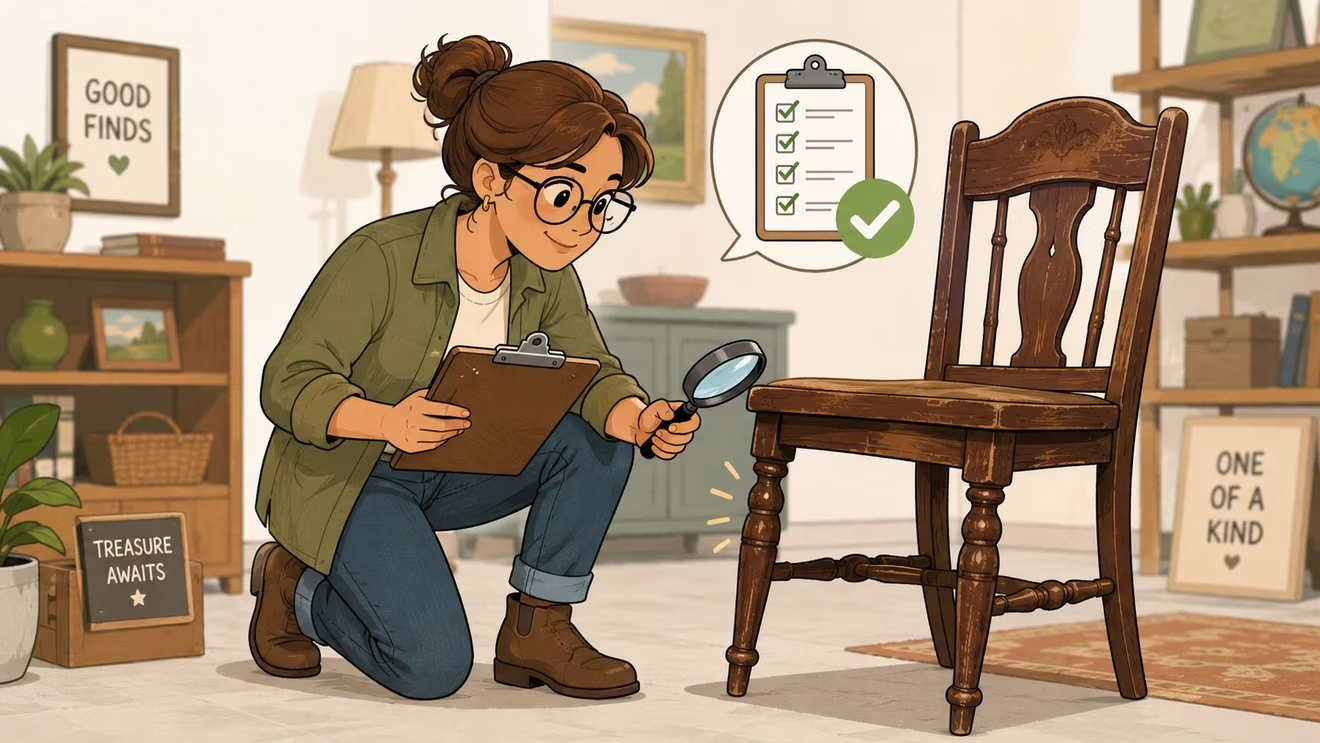
Start with the structure
Before looking at color or style, test whether the piece is sound.
- Give it a wobble: Chairs, tables, and dressers should feel stable. Movement at the joints can mean repairs are coming.
- Check the underside: Flip over what can safely be flipped. Cracks, split wood, sagging support, or rough repair work often show up there first.
- Open everything: Drawers should slide. Doors should line up. Hardware should feel attached, not loose and tired.
- Look at the back panel: Warping, staining, and patchy repairs can suggest moisture trouble.
A solid-looking piece can still have hidden costs. The renovation cost warning in this furniture makeover article states that hidden structural repair costs for thrift store furniture can often exceed 40% of the purchase price, and a 2024 survey found 62% of first-time furniture flippers underestimated renovation expenses.
Use the nose and the hands
Smell matters more than shoppers expect. A musty odor, smoke smell, or heavy fragrance can be hard to remove. If the scent is strong in the store, it may feel stronger at home.
Touch matters too. Run a hand along edges, arms, and seat rails.
Practical rule: If a shopper wouldn't want to touch it twice in the store, it probably won't feel better at home.
Look for sticky finishes, rough patches, bubbling veneer, or fabric that feels damp, brittle, or oddly stiff. Each clue says something about age, storage conditions, or past repairs.
Watch for the budget trap
The common mistake is focusing only on the sticker price. A low tag can feel like a win until this list starts growing:
- Supplies for cleanup: Cleaners, polish, sandpaper, or fabric care products.
- Basic repairs: Tightening hardware, replacing glides, fixing a drawer bottom.
- Bigger fixes: Structural work, upholstery help, or wood refinishing.
- Transportation: Renting or borrowing the right vehicle, plus help carrying it.
That's how a small bargain becomes a much bigger project. A shopper interested in wood quality can also use this guide for spotting real wood furniture to separate solid construction from surfaces that only look substantial at first glance.
Bringing Your Thrifted Treasure Home Safely
Once a thrifted piece passes inspection and makes it home, the job isn't done. Safety starts at the door. Used furniture should be cleaned before it settles into a bedroom, family room, or nursery.
The first step is quarantine, at least briefly. Keep the item in a garage, enclosed porch, or easy-to-clean area if possible. That gives the household time to inspect again in better light and clean it properly without spreading dust or pests into the main living space.
Clean by material, not by guesswork
Different surfaces need different treatment. One cleaner does not fit every piece.
- For solid wood: Vacuum crevices first, then wipe gently with a cleaner suitable for finished wood. Dry the surface well.
- For metal: Remove dust and residue, then dry fully to discourage rust.
- For upholstery: Vacuum thoroughly, including seams and underside areas. If odor or staining lingers, the cost and effort may outweigh the bargain.
- For drawers and interiors: Wipe, air out, and check corners carefully before adding clothes, linens, or toys.
A rushed cleanup is where trouble starts. Dirt hides in seams. Odors settle into enclosed spaces. A piece can look tidy and still not be ready for family use.
Some items shouldn't be thrifted
Now, the advice gets firm. Some categories are better bought new because hygiene and safety matter more than savings.
Never bring home a used mattress, crib, or car seat if the goal is dependable household safety.
Mattresses can carry hygiene concerns and are much harder to evaluate with confidence. Cribs and car seats involve safety standards and structural trust that shoppers shouldn't have to guess about. Those pieces do too important a job.
For large finds, moving day brings its own risks. A heavy dresser or reclining sofa can damage walls, stairs, and backs if handled carelessly. Before wrestling a big item upstairs, this guide on moving heavy furniture upstairs offers useful planning tips.
Set up the room carefully
After cleaning, place the piece and test it in real use. Sit in the chair. Open the drawers. Check whether it rocks on the floor. Add felt pads if needed. Anchor tall storage pieces when appropriate.
That last step gets overlooked, especially when everyone is tired from hauling furniture around. A careful finish keeps the thrift-store excitement from turning into a home hazard.
Tips for Finding Gems in Metro Milwaukee
Metro Milwaukee is a fun place to thrift because neighborhoods have different personalities. One part of the area may turn up older traditional wood pieces. Another may lean more eclectic, apartment-sized, or mid-century in feel. Shoppers who stay curious usually learn those patterns over time.
The strongest local strategy is simple. Don't shop only when something is urgently needed. Browse when there's no pressure. That's when the hunt stays enjoyable, and judgment stays sharp.
Shop the area with a local mindset
A Milwaukee shopper can treat thrifting like a rotating neighborhood routine.
- Try different neighborhoods: Inventory often reflects the homes and move patterns nearby.
- Go back often: A furniture thrift store changes quickly, so one disappointing visit doesn't mean the next will be the same.
- Watch community sales: Church rummage sales, moving sales, and estate sales can surface pieces with strong quality and good proportions.
- Measure first: Keep room dimensions and doorway measurements handy before heading out.
That last point saves a lot of frustration. A dresser that looks compact on the sales floor can suddenly feel huge in a bungalow hallway or upper-flat stairwell. Milwaukee homes have charm, but they also have tight corners.
Know what kinds of finds are worth the drive
Smaller wood pieces often make the best local thrift targets. End tables, bookcases, benches, side chairs, and accent cabinets can offer a lot of visual payoff without taking on too much risk. Large upholstered pieces ask for more scrutiny and more transportation effort.
The best local thrift find is often the one that solves a real need and still leaves enough energy to enjoy bringing it home.
Shoppers dealing with older homes or tighter entries may also appreciate these ideas for furniture that works with narrow doorways. That kind of planning matters in Milwaukee more often than people expect.
The local angle also makes thrifting more personal. It's not just bargain hunting. It's a way of furnishing a home with pieces that feel connected to the community, the housing stock, and the practical rhythms of living here.
When New Furniture Is the Right Choice for Your Family
A thrifted piece can be a great decision when the shopper wants character, has time to inspect carefully, and can tolerate a little uncertainty. New furniture becomes the smarter choice when daily performance matters more than the thrill of discovery.
That's especially true for the pieces a family relies on constantly. The main sofa. The dining set used for weeknight meals and holidays. The bed and mattress that affect rest every single night. Those purchases carry more weight than a decorative accent chair or occasional table.
A simple decision framework
New furniture usually makes the most sense in these situations:
- The piece will get heavy daily use: Family sofas, primary beds, and dining sets need dependable structure.
- Cleanliness matters most: Sleep and personal-contact items aren't the place for guesswork.
- The room needs a coordinated fit: Matching scale, finish, and comfort is easier when the buyer can compare options directly.
- The household wants lasting value: Better materials and inspected construction can save trouble later.
For Milwaukee families, solid wood construction is a big part of that conversation. Well-made USA-made and Amish-made furniture offers a different kind of value than a lucky thrift find. It starts ready to use, and it's built for the long haul. That matters in homes where furniture is expected to survive real life, not just look good for a season.
Why mattresses belong in the new category
Mattresses deserve their own category because they combine comfort, hygiene, support, and daily use. This isn't an area where secondhand experimentation makes much sense.
The feature on the BILTRITE Mattress Center notes that the store stocks over 60 models and 500+ mattresses, with expert sleep specialists, free white-glove delivery on qualifying purchases, and old mattress removal.

That kind of support changes the shopping experience. Instead of guessing from appearance alone, the household can evaluate comfort, support, scale, and setup more confidently. The same logic applies to many everyday furniture pieces. Some purchases are more satisfying when they come with guidance, durability, and fewer surprises.
For shoppers who want furniture with personality, a furniture thrift store still has a place. For shoppers who need comfort, reliability, and long-term confidence, new furniture often wins the argument.
BILTRITE Furniture-Leather-Mattresses has helped Metro Milwaukee families furnish their homes since 1928 with affordable, better-quality furniture and mattresses built for real life. With a strong focus on USA-made, Amish-made, and solid-wood pieces, plus a mattress center featuring over 60 models, there's a lot to see in person. Readers who are ready to move beyond guesswork can visit BILTRITE Furniture-Leather-Mattresses in Greenfield and talk with a friendly team that's there to help, not pressure.