Solid Wood Entryway Furniture: A BILTRITE Family Guide

Shoes by the door. Keys on the counter. Mail landing wherever there's an open spot. That's how a lot of entryways start out, especially in busy family homes around Metro Milwaukee. The space works hard, but it rarely gets the same attention as a living room or bedroom.
That's a shame, because the entryway is the first hello for everyone who walks in. It's also the first thing the family sees when coming home after work, school, errands, and winter weather. The right solid wood entryway furniture can turn that clutter zone into a space that feels calm, useful, and welcoming.
For families shopping local and thinking long term, this choice matters even more. BILTRITE Furniture was founded in 1928 by Irwin Kerns, an upholsterer and furniture builder, and has remained a fourth-generation, family-owned business serving the Metro Milwaukee community since then, as shared on BILTRITE's history page. Nearly a century of helping local families has taught one simple lesson. The furniture that gets used every day should be built to handle real life.
Table of Contents
- Your Entryway The First Hello for Your Home
- What Solid Wood Furniture Really Means to Us
- Finding the Right Furniture Pieces for Your Entryway
- How to Choose the Right Size and Wood Material
- The BILTRITE Difference USA and Amish-Made Quality
- Easy Tips for Styling Your New Entryway Furniture
- Come Say Hi and Find Your Forever Furniture
Your Entryway The First Hello for Your Home
A familiar scene plays out every evening. One family member drops keys near the door. Someone else kicks off shoes. A backpack lands on a chair that was never meant to hold backpacks in the first place. Before long, the entryway feels less like a welcome and more like an obstacle course.
That small area does a big job. It catches the rush of daily life, handles wet boots and shopping bags, and gives guests a first look at the home. When that space has the right furniture, the whole house feels more settled. A sturdy table can create a dependable drop zone. A bench can give everyone a spot to sit while pulling on boots. A hall tree can bring some order to coats and bags that usually wander.
A good entryway doesn't need to be fancy. It just needs to make coming home feel easier.
That practical point of view has deep roots in Greenfield and the larger Milwaukee area. Families often want furniture that looks warm, works hard, and still feels like part of the home years later. That's one reason solid wood keeps coming up in these conversations. It has presence, but it also has purpose.
For readers thinking through the basics of shape, storage, and placement, BILTRITE shares more ideas in this guide to entry table elements that make a space work. It helps answer a common question. What belongs in an entryway, and what just adds clutter?
What Solid Wood Furniture Really Means to Us
“Solid wood” gets tossed around a lot, and that can make furniture shopping confusing. Some pieces look like wood on the outside but are built from lower-cost core materials under a thin surface layer. Real solid wood is different. It's wood through and through.
That matters most in an entryway because this furniture takes a beating. Bags get dropped on it. Boots bump into it. Wet gloves and umbrellas show up in winter. A piece that only looks sturdy may not age well under that kind of use.
A simple way to tell the difference
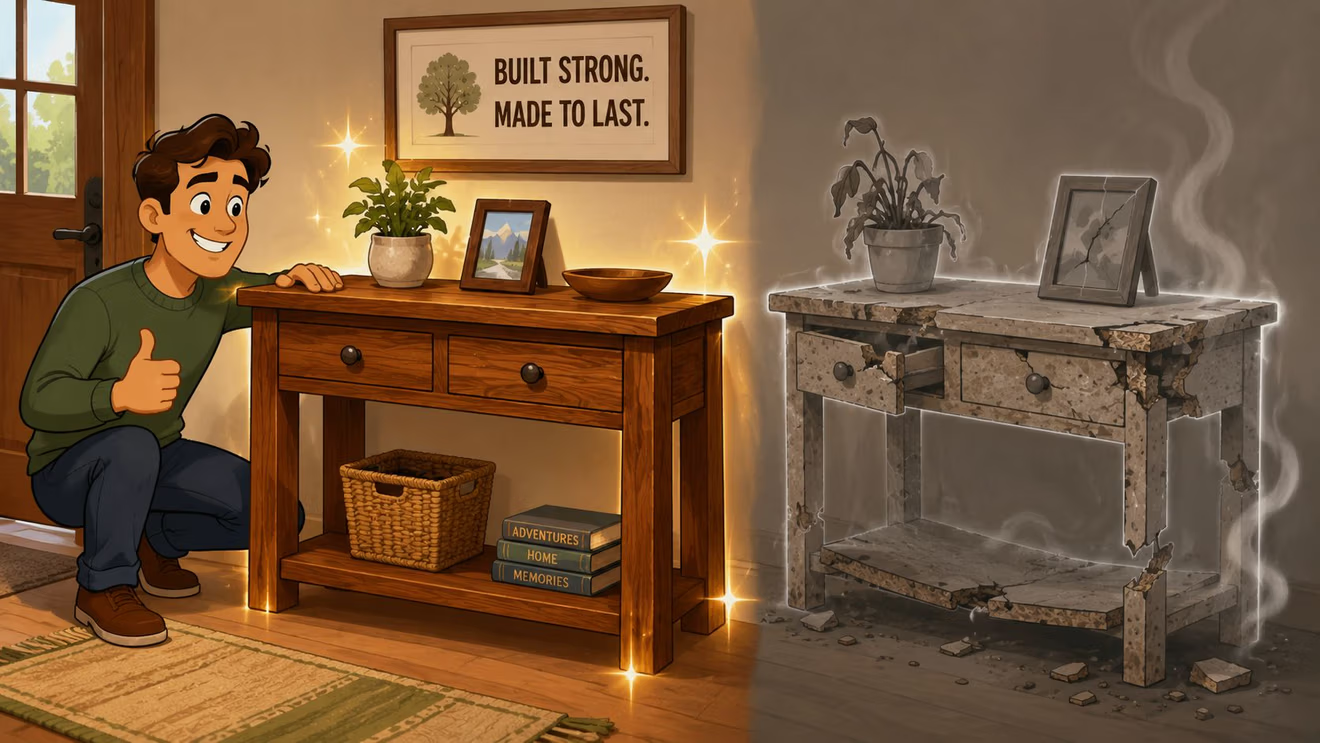
A helpful comparison is this. Solid wood is like a real apple. What's on the outside matches what's inside. Lower-cost alternatives can be more like a candy shell. They may look appealing at first, but the structure underneath is what decides how well the piece holds up.
That's why material quality matters so much in a hardworking part of the home. Premium solid wood pieces use knot-free hardwoods like cherry or oak, which provide superior structural integrity. This helps prevent warping and cracking under humidity changes common in entryways, while engineered wood often suffers from edge swelling and joint degradation, as explained by this overview of solid wood entry pieces.
For shoppers who want a deeper breakdown, this article on the benefits of solid wood furniture explains why long-term durability often starts with the material itself.
Why families notice the difference later
The biggest difference usually isn't on day one. It shows up later.
- After a scratch: Solid wood often gives families more options because the surface can age with character instead of looking ruined.
- After seasonal changes: Entryways deal with damp air, dry heat, and temperature shifts. Better wood construction handles that stress more gracefully.
- After years of use: A dependable entryway piece doesn't just decorate the wall. It becomes part of the household routine.
Practical rule: If a furniture piece is going to greet the family every single day, it should be built for daily contact, not occasional display.
That's the heart of the “buy local, buy for life” mindset. Solid wood entryway furniture isn't only about appearance. It's about choosing a piece that keeps doing its job without asking to be replaced every few years.
Finding the Right Furniture Pieces for Your Entryway
Not every entryway needs the same solution. A narrow hallway, a busy family foyer, and a small apartment landing all ask for different things. The trick is matching the furniture to the problem that needs solving.
Some homes need a place for keys and mail. Others need shoe storage more than anything else. And some need an all-in-one setup because coats, backpacks, scarves, and boots all pile up in the same few feet of space.

A quick look at solid wood coat racks and related entry pieces can help shoppers picture what kind of storage style fits their home.
Three common choices and what each one does well
| Piece | Works well for | What to expect |
|---|---|---|
| Console table | Keys, wallets, mail, lamps, décor | Slim profile and easy fit in tighter spaces |
| Entryway bench | Shoes, boots, sitting down, baskets underneath | Useful in family homes where people need a seat near the door |
| Hall tree | Coats, bags, hats, shoes, one-stop storage | Larger footprint, but a lot more function in one piece |
A console table is a strong choice when the household needs a simple drop zone. It gives the family a clear place to unload the little things that otherwise spread across the kitchen counter. It also leaves room above for a mirror or art.
A bench helps in homes where people pause at the door. That's common in Wisconsin homes, especially during snowy months. A bench makes it easier to pull off boots and keep bags from ending up on the floor.
A hall tree earns its keep when the entryway needs to do everything. Hooks, seating, and storage all work together. For a family with kids, it can turn one wall into a command center.
Match the piece to the household rhythm
A useful way to choose is to ask a few practical questions.
- Always losing keys? A console with a tray on top may solve the daily scramble.
- Tired of shoe piles? A bench with room below can keep pairs together.
- Need coat storage near the door? A hall tree gives outerwear a home without using extra closets.
One home may need only one piece. Another may combine two, such as a console on one wall and a bench on the other. The furniture doesn't have to do everything by itself. It just has to fix the problem that keeps happening.
How to Choose the Right Size and Wood Material
Shoppers often fall in love with a piece before checking whether it fits. That's normal, but it's also where frustration starts. Entryways can look roomy until a table goes in and suddenly everyone is bumping elbows, bags, and winter coats.
The easiest fix is a tape measure. Width, depth, and height matter, but depth is usually the detail that causes the most trouble in a tight hallway.
Start with the walkway
Entryway console tables typically range from 30 to 72 inches wide and 12 to 18 inches deep to maintain a minimum 30 to 36 inches of clearance for traffic flow, and a height of 30 to 32 inches is ergonomically preferred for daily use, according to this console table dimension guide.
That sounds technical, but the takeaway is simple. People still need to walk through the room comfortably after the furniture goes in.
If a table is so deep that family members have to turn sideways to get past it, the piece is too big for that spot.
A simple measuring routine helps:
- Measure wall width where the furniture will sit.
- Measure open walking space from the wall to the nearest obstacle, such as stairs, another wall, or a door swing.
- Mark the depth on the floor with painter's tape so the family can walk around it before buying.
- Check height against nearby features like a mirror, window trim, or light switch.
Pick a wood that matches daily life
Once the size is right, the fun part starts. Different woods give solid wood entryway furniture a different personality.
| Wood Type | Key Characteristics | Best For |
|---|---|---|
| Oak | Strong look, noticeable grain, sturdy feel | Busy family homes and classic styling |
| Cherry | Warm tone that grows richer with age | Traditional rooms and homes that want warmth near the door |
| Maple | Cleaner, lighter appearance | Brighter spaces and simpler styling |
For shoppers comparing species and finishes, this guide on the best wood for furniture is a useful starting point.
Some families love the visible grain and character of oak because it feels grounded and substantial. Others lean toward cherry because it brings warmth into an area that can otherwise feel cold or purely functional. Maple often appeals to homeowners who want a lighter, cleaner look.
Two easy mistakes to avoid
- Buying by photo alone: Entryway pieces can look smaller in pictures than they feel in a real hallway.
- Ignoring what happens around the piece: Doors need to swing. People need to pass. Coats and bags need room too.
The goal isn't to squeeze in the biggest furniture possible. It's to choose a piece that makes the space work better every day.
The BILTRITE Difference USA and Amish-Made Quality
For families who care where furniture comes from, this part matters. Material is only one half of the story. The other half is who built the piece and how they built it.
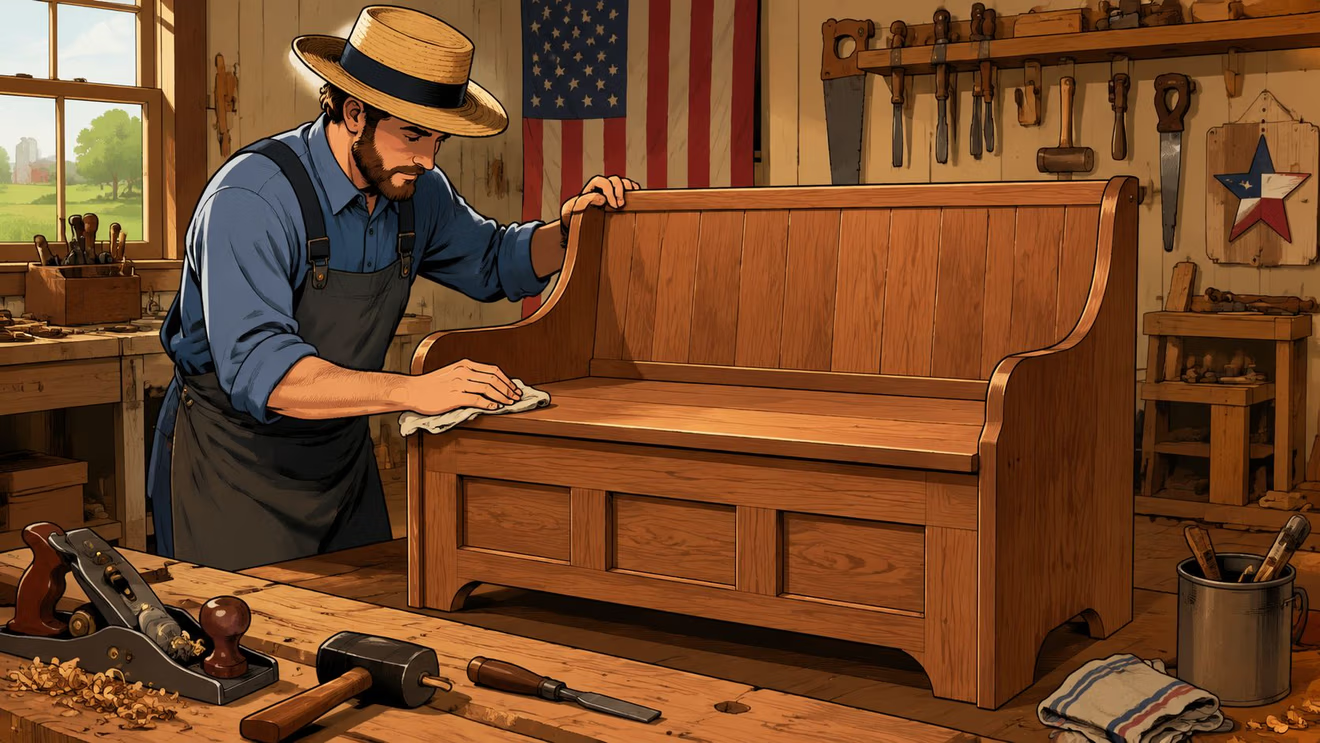
BILTRITE specializes in USA-made and Amish-made solid wood furniture and uses a distinct “USA Made” icon in store to help customers identify locally crafted, American-built pieces, as noted in this feature on BILTRITE's focus on American-made furniture. That kind of labeling makes shopping simpler for people who want furniture tied to domestic craftsmanship rather than anonymous mass production.
Why local craftsmanship matters
A local showroom gives shoppers something a product page can't. They can open drawers, feel the finish, compare woods side by side, and talk through tradeoffs with someone standing right there. That matters with entryway furniture because little details decide whether a piece fits family life or just looks nice for a week.
There's also a larger shift behind that preference for real materials and better construction. In North America, the solid wood segment holds the largest share at 42.3% of the wooden furniture market, and the entryway furniture market is projected to reach USD 15.5 billion by 2033, according to Strategic Market Research's entryway furniture market report. That demand points to a clear pattern. Homeowners keep choosing durable, authentic pieces for spaces that get heavy daily use.
Readers who want more background on construction traditions can explore what Amish furniture means in practical terms.
Why this matters beyond style
The “buy local, buy for life” idea isn't only about nostalgia. It solves a real problem. A lot of households are tired of furniture that feels disposable. They want a bench, hall tree, or console that still looks at home after years of shoes, backpacks, and seasonal chaos.
That's where American-made and Amish-made solid wood furniture stands out.
- It supports domestic craftsmanship. The purchase stays connected to American workers and workshops.
- It fits the values of a family-owned showroom. A fourth-generation local business often thinks differently about longevity than a fast-turn retail model.
- It turns furniture into a long-term household item. Entryway furniture shouldn't feel temporary.
Durable furniture changes the shopping mindset. Instead of asking how cheaply a family can fill a space, it encourages them to ask how well that space can function for years.
That's a much better question.
Easy Tips for Styling Your New Entryway Furniture
Once the furniture is in place, styling should make the area easier to use, not harder. The strongest entryways don't have a dozen decorations fighting for space. They mix a few useful items with a few personal ones.
Keep the top surface useful
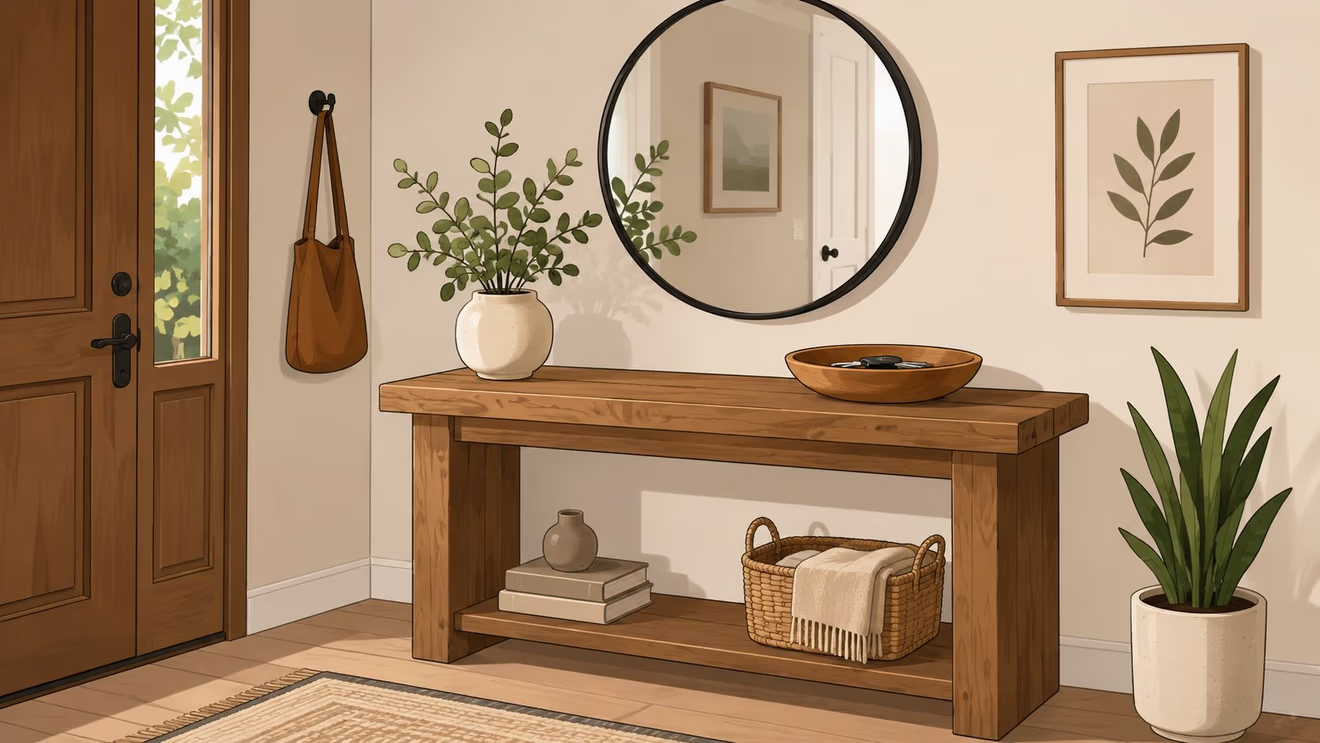
A console table top can disappear under clutter fast, so it helps to give each item a job.
- Tray or bowl for small items: Keys, sunglasses, and loose change stay contained instead of wandering.
- Lamp for warm light: A softer light source makes the entry feel friendlier than a bright overhead fixture.
- Mirror above the table: This adds function and helps bounce light around the space.
A mirror is especially helpful in smaller entryways because it visually opens the wall without taking floor space. A lamp works well for homes where family members come and go early or late, when overhead lighting can feel too harsh.
Add warmth without adding clutter
A styled entryway should still leave room for real life. One or two personal touches usually do more than a crowded collection of accents.
A few easy options work in many homes:
- Family photos: These add personality without getting in the way.
- A plant or greenery: This softens the harder lines of wood, hooks, and walls.
- Seasonal accents: A small change on the table can refresh the whole space.
- Pillows on a bench: These add comfort if the bench gets daily use.
Less usually looks better in an entryway because this room already carries visual traffic from coats, shoes, and bags.
Bringing photos of the entryway into the showroom can also help shoppers make smarter styling choices. Wall color, floor tone, and nearby furniture all affect which wood finish and scale will feel right once the piece is at home.
Come Say Hi and Find Your Forever Furniture
Choosing solid wood entryway furniture is really about choosing how the home welcomes people in. It's a practical decision, but it's also personal. The furniture by the front door handles the rush of daily life and helps set the mood for the whole house.
For local families, buying well often means buying once. A solid wood piece built with care can keep serving the household through changing seasons, growing kids, new routines, and plenty of Milwaukee weather. That's the meaning behind “buy local, buy for life.”
BILTRITE Furniture-Leather-Mattresses offers USA-made, Amish-made, and solid wood furniture in a Greenfield showroom for shoppers who want to see materials and construction in person. The store's team brings over 400 years of combined experience, and the mattress department includes over 60 distinct models with 500+ mattresses in stock, as listed by GoodBed's BILTRITE retailer profile. The showroom is also closed on Sundays and Mondays, reflecting a family-first approach that fits the values behind local shopping.
Ready to find a solid wood piece that makes the front door feel more welcoming and more organized? Visit BILTRITE Furniture-Leather-Mattresses in Greenfield and talk with the team about entryway furniture, USA-made and Amish-made options, or even a new mattress while in the store. A local showroom visit lets shoppers see the wood, feel the build quality, and choose furniture built for real family life.