Furniture Risers: Expert Tips for Your Home


A lot of people reach the same point the same way. A favorite sofa starts feeling a little too low. A bed that once felt just fine now takes more effort in the morning. A chair in the family room is still comfortable, but standing up from it has turned into a small project.
That's where furniture risers enter the conversation. They're simple, but they can make everyday living easier when they're chosen well and installed carefully. They can also create new problems if the fit is off, the material isn't right, or the furniture is heavier than the risers can safely handle over time.
Milwaukee families have been asking practical furniture questions like this for generations. BILTRITE Furniture was founded in Milwaukee in 1928 by Irwin Kerns and his wife Frieda Kerns as an upholstery shop, marking the beginning of a 4th-generation family-owned business, as noted in this history of the Kerns family business. Around here, the best answer isn't always “replace the furniture.” Sometimes a small adjustment makes a big difference.
Table of Contents
- A Little Lift Can Make a Big Difference
- What Are Furniture Risers and Why Use Them
- How to Choose the Right Furniture Risers
- Exploring Different Riser Materials and Types
- Safe Installation for Your Cherished Furniture
- Risers in Action and Your Milwaukee Experts
A Little Lift Can Make a Big Difference
A low seat doesn't seem like a big deal until someone has to get out of it several times a day. Knees notice. Hips notice. Backs notice. That extra effort can sneak up slowly, especially with deep sofas and plush chairs that sit lower than expected.
Furniture risers solve a very specific problem. They raise the piece off the floor so the user doesn't have to drop down as far to sit or work as hard to stand back up. For some households, that change is about comfort. For others, it's about accessibility and confidence during everyday routines.
Everyday moments where risers help
A few common examples come up again and again:
- The favorite sofa problem: The sofa still looks good and feels good, but it sits too low for easy standing.
- The guest room bed issue: Visitors need a bed that's easier to get in and out of without replacing the whole frame.
- The small-space storage fix: A little more clearance under the bed can make bins and baskets suddenly useful.
- The apartment adjustment: A renter may need a simple change without buying a whole new bedroom or living room set.
Some homes need compact pieces from the start, and some need small modifications after move-in. That's why guides on small space furniture solutions often go hand in hand with practical accessories like risers.
Practical rule: If the furniture still fits the room and still feels good once someone is seated, risers may solve the problem without changing the whole setup.
Why this topic gets confusing
People often assume risers are all the same. They aren't. The right riser for a lightweight guest bed may be wrong for a heavy solid-wood bed. The right shape for a square leg may be unsafe for a narrow round leg. Even a small mismatch can make furniture feel unstable.
That's especially important in homes with better-quality furniture. A beautifully built piece can last for years, but that same sturdy construction means more weight on every contact point with the floor. The riser has to match the furniture, not just the idea of “raising it a bit.”
A little lift can help a lot. It just has to be the right lift.
What Are Furniture Risers and Why Use Them
Furniture risers are support blocks placed under the legs or base points of furniture to raise its height. They're usually used under beds, chairs, sofas, tables, and some storage pieces. The idea is simple. Lift the furniture a few inches so it works better for the person using it.
Early in the process, it helps to see what they look like in a real-world setup.

The three most common reasons people use them
Some uses are about comfort. Others are about function.
Easier sitting and standing
A chair or sofa that's too low can make daily movement harder than it needs to be. A modest lift can improve body position and reduce the effort it takes to rise.Extra storage space
Under-bed storage becomes much more useful when containers can slide underneath. That matters in condos, apartments, guest rooms, and kids' rooms.Better fit for the user
Not every bed or seating piece comes in the right height for every household. Risers can act as a practical adjustment when the furniture itself is otherwise working well.
How much lift is common
Some riser systems are fixed height, while others let users add height in small increments. One adjustable style raises furniture from a base of 3 inches up to 6 inches with 0.75-inch clip-on extensions, and supports up to 500 lbs per unit, according to this practical occupational therapy guide on raising chairs, settees, and beds.
That kind of adjustability helps when the household is trying to fine-tune comfort rather than make a dramatic change all at once.
Where people make the wrong assumption
The most common misunderstanding is that any lift is a good lift. That isn't true. Raising furniture changes how weight sits on the legs and how the piece behaves when someone sits, stands, or shifts around. The more valuable or substantial the furniture, the more carefully that change should be handled.
Some adjustable-height systems are also a separate category entirely. Households considering bed changes may want to review how adjustable bed height works before assuming traditional risers apply to every setup.
A riser isn't just a spacer. It becomes part of the furniture's support system the moment weight goes on it.
How to Choose the Right Furniture Risers
Choosing furniture risers comes down to three things. Height, weight, and stability. Most problems trace back to one of those being guessed instead of measured.
Start with the height you actually need
People often buy the tallest riser available and hope for the best. That can leave a sofa feeling awkward or a bed feeling too high to use comfortably.
A better approach is to measure the current height, then compare it with the height that feels easier and more natural. Even a modest increase can change how a chair or bed feels during daily use.
Helpful measurements include:
- Seat height from floor to cushion top
- Bed height from floor to top of mattress
- Leg width or base width where the riser will sit
- Clearance around the furniture so the lifted piece still feels proportionate in the room
A measuring guide like how to measure furniture can help households avoid guessing.
Check the load rating carefully
This part matters even more with substantial pieces. Professional-grade heavy-duty furniture risers are engineered to support a maximum static load of 1300 pounds per unit, according to this heavy-duty riser product specification.
That sounds reassuring, but static load is only one part of the picture. It refers to supported weight when the load is resting in place. Real homes involve people sitting down, standing up, shifting to one side, leaning on an arm, or dropping onto the edge of a mattress after a long day.
Selection note: The riser has to support the furniture and the way the furniture is used.
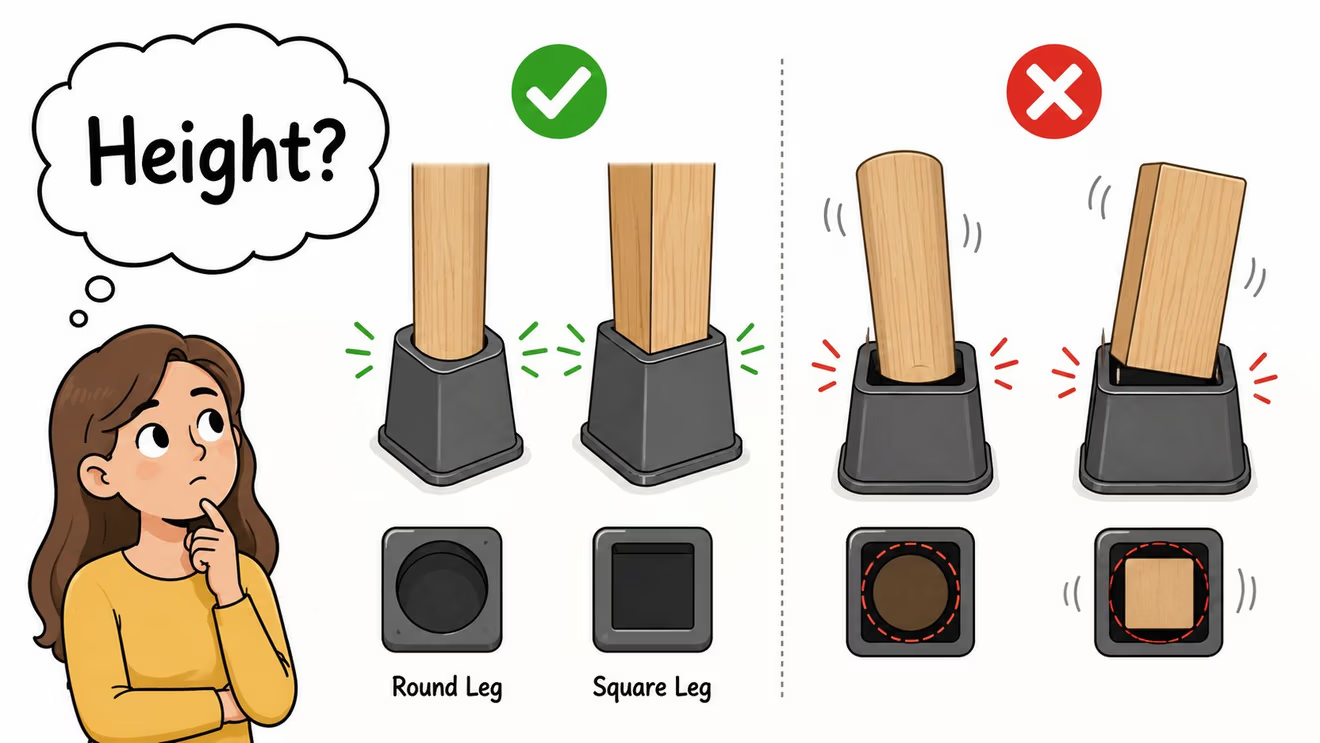
Make sure the leg fits the cup
A wide cup with a narrow leg can let the furniture shift. A shallow cup may not hold the leg securely. An uneven fit can be especially troublesome on slick floors or with taller lifts.
When checking fit, look for:
- A snug opening: The leg shouldn't rattle around inside the riser.
- Full contact: The leg or castor should sit fully and evenly in the well.
- Uniform use: Every floor-contact point needs matching support.
- Stable footprint: The base of the riser should look proportionate to the furniture above it.
Match the riser to the furniture style
A lightweight occasional chair and a heavy solid-wood bed don't ask the same thing from a riser. The first may work with a simple option. The second may need a more conservative setup, a stronger material, or a different solution altogether.
When the furniture is valuable, handcrafted, or built from real solid wood, caution usually pays off.
Exploring Different Riser Materials and Types
Not all furniture risers are made from the same material, and that matters. The material affects strength, grip, appearance, and how well the riser plays with the furniture over time.
Common materials at a glance
| Material | Pros | Cons | Best For |
|---|---|---|---|
| Plastic | Affordable, easy to find, often lightweight | Can feel less reassuring under very heavy furniture, appearance may be more noticeable | Temporary use, lighter furniture, basic storage lift |
| Wood | Strong, classic look, often blends better with solid-wood furniture | Can cost more, may offer fewer quick-adjust options | Better-quality furniture, visible furniture legs, style-conscious rooms |
| Metal | Very durable, strong support feel | Heavier, less common, may look more industrial | Utility settings, users prioritizing maximum toughness |
| Adjustable modular designs | Flexible height changes, useful for fine-tuning | More parts mean more setup attention | Testing different heights, uneven floor conditions |
Fixed height versus adjustable height
Some households want a straightforward answer. A fixed-height riser works well when the needed lift is already clear and the floor is even.
Adjustable risers help when the household is still deciding what feels right. They can also be useful when one room isn't perfectly level or when a piece needs a little experimentation before it feels comfortable.
Material choice matters more with premium furniture
A good riser should support the piece without drawing unwanted attention or creating new wear points. That's why material choice becomes a bigger issue with higher-end furniture, especially hand-finished wood. A cheap-looking riser under a beautifully made bed or sofa can look out of place. Beyond aesthetics, the wrong surface can be harder on the furniture leg.
Wood risers often make more visual sense under wood furniture. Plastic risers often make more practical sense when storage and simplicity matter most.
There isn't one winner for every home. The best material is the one that fits the furniture, the floor, the room, and the way the piece gets used every day.
Safe Installation for Your Cherished Furniture
Installation is where small mistakes turn into real problems. A riser that looked fine in the package can become risky if the furniture isn't lifted evenly, if one leg isn't centered, or if a single floor-contact point is left unsupported.
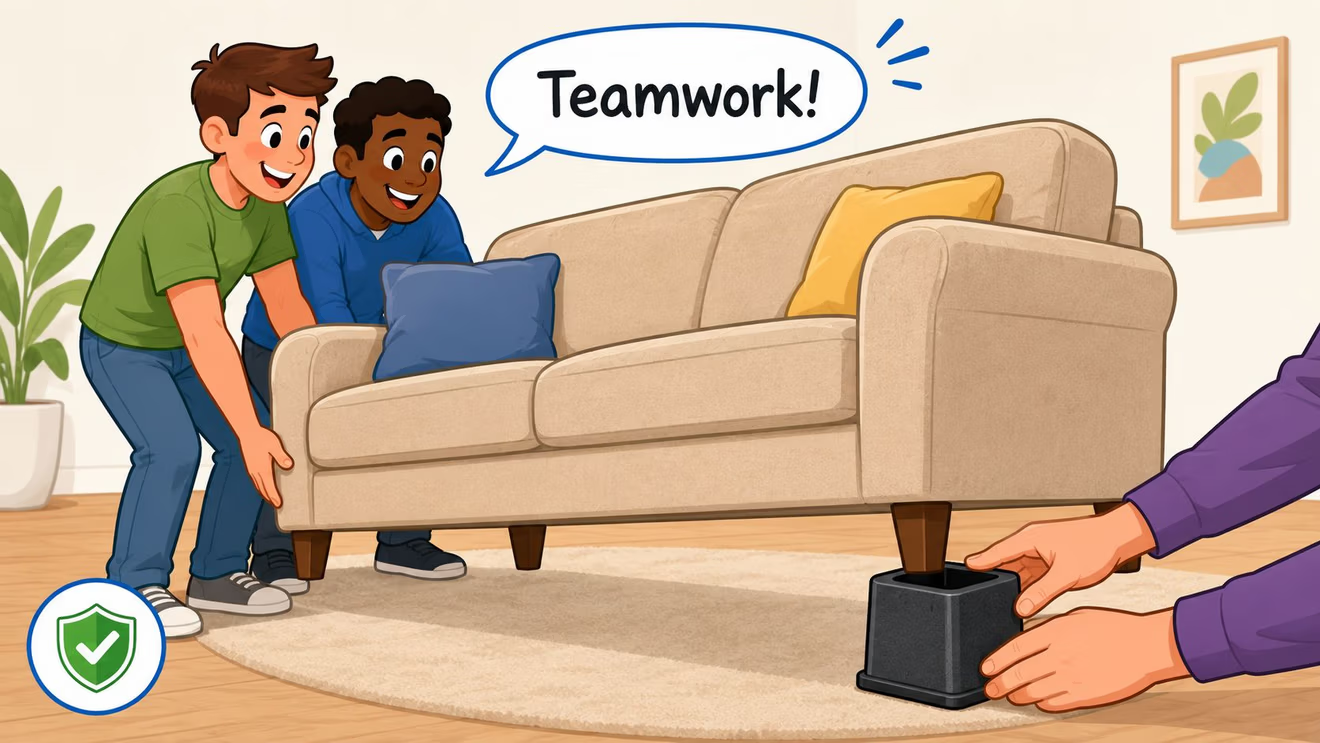
Install them slowly and with help
Large furniture should never be forced, dragged, or tipped carelessly just to slide a riser underneath. Two people are usually better than one because they can lift and lower the piece in a more controlled way.
A safe routine usually looks like this:
- Clear the area first: Rugs, cords, and small objects should be out of the way.
- Lift one side gently: Keep the motion controlled instead of jerking the frame upward.
- Center each leg carefully: The leg or castor should sit fully inside the cup or well.
- Lower the furniture slowly: Watch each contact point as the weight settles.
- Repeat for the other side: Don't rush the final placement.
Every leg touching the floor needs support. Leaving one leg directly on the floor while the others sit on risers creates uneven stress and can make the piece unstable.
Heavy solid-wood furniture needs extra caution
This is the part many generic guides skip. The critical gap in existing content is the lack of data on long-term stability risks for heavy solid-wood furniture when raised. While manufacturers claim high capacity, no independent testing addresses how dynamic loads cause plastic creep or micro-fractures over time, according to this discussion of long-term riser stability questions.
That matters because homes don't use furniture in static poses. People sit on sofa arms, scoot to the edge of cushions, drop onto the side of a bed, and shift weight at odd angles. Over time, those movements can test a riser very differently than a simple weight rating on a package suggests.
Some risers may handle a still load well but respond very differently to repeated everyday movement.
Protect the floor and the furniture finish
Safety isn't only about collapse. It's also about wear. Risers can scuff floors, mark wood legs, or create pressure points on delicate finishes if the surface contact is rough or uneven.
Households that care about preserving finishes should pay close attention to contact surfaces and review practical ideas for how to protect floors from furniture. A riser should solve one problem without creating another.
With cherished furniture, slower is better. Conservative choices are better. And if the setup feels even slightly off once installed, it's worth stopping and rechecking everything.
Risers in Action and Your Milwaukee Experts
Furniture risers show up in all kinds of homes for all kinds of reasons. A college student may need under-bed storage in a tighter bedroom. An older adult may need a favorite chair lifted to make daily sitting and standing less tiring. A guest room may need a small update so visitors feel more comfortable without replacing every piece in the room.
That practical side is part of a much larger shift in how people think about their homes. The global assistive furniture market, including furniture risers, was estimated at $3.8 billion in 2020 and is projected to reach $5.3 billion by 2026, reflecting increased demand for adaptive home solutions, according to this global assistive furniture market report summary.
A look at the local showroom experience helps explain why in-person guidance still matters.

When risers are a smart fix
Risers make sense when the furniture is still serving the household well and only the height feels off. That includes situations like these:
- A well-loved bed frame that sits too low
- A sturdy armchair that needs easier access
- A small bedroom that needs more storage underneath
- A temporary setup during recovery or changing mobility needs
In those cases, a thoughtful adjustment can be more sensible than a full replacement.
When risers may be the wrong answer
Sometimes risers reveal a deeper mismatch. The furniture may be too deep, too soft, too low by design, too large for the room, or too hard for the user to enter and exit safely even after it's raised.
That's where in-person advice beats anonymous online purchasing. A real conversation can help sort out whether the issue is height alone or whether the piece no longer fits the user's body, room, or daily routine. It can also help with related decisions such as delivery planning and services like white-glove delivery when a new piece becomes the better choice.
Why local guidance still matters
Milwaukee homes have a mix of needs. Some families want small-scale furniture that fits condos and bungalows. Some want heavy-duty seating for busy households. Some need senior-friendly comfort without giving up style. Some are committed to USA-made or Amish-made solid wood and want advice that respects that investment.
That's why local expertise still has a place. It helps people think through the details that broad online guides tend to flatten. It also gives households a chance to see scale, test height, check leg construction, and ask the kind of practical questions that don't fit neatly into a product listing.
BILTRITE Furniture was founded in Milwaukee in 1928 by Irwin Kerns and his wife Frieda Kerns as an upholstery shop, and the business remains a 4th-generation family-owned company. BILTRITE also closes on Sundays and Mondays so the team can be with family and friends, while serving customers Tuesday through Saturday, as shared on the company's history page. That family-first approach tends to show up in the guidance too. It's neighborly, practical, and focused on helping people make good long-term decisions.
BILTRITE Furniture-Leather-Mattresses has been serving Metro Milwaukee since 1928 with affordable, better-quality furniture and mattresses, including many USA-made, Amish-made, and solid-wood options built to last. For anyone weighing furniture risers against a furniture replacement, the best next step is often an in-person conversation. Visitors can explore BILTRITE Furniture-Leather-Mattresses and stop by the Greenfield showroom Tuesday through Saturday to see furniture up close, ask questions, and get friendly help from a team that values family, craftsmanship, and local service.