Small Scale Dining Room Furniture: A Milwaukee Guide


A lot of Milwaukee-area homes have a dining spot that asks for some creativity. It might be a bungalow with a narrow pass-through, a condo where the dining area shares space with the living room, or an apartment nook that seems too small for a “real” table. Chairs scrape the wall, someone has to scoot sideways to sit down, and dinner starts to feel like a traffic drill.
That's where smart small scale dining room furniture changes the whole mood of a home. The right table shape, the right chair profile, and the right storage piece can turn a cramped corner into a welcoming everyday hangout. At BILTRITE, a fourth-generation family business serving Metro Milwaukee since 1928, helping neighbors solve tricky room layouts has always been part of the job. A smaller dining area doesn't mean giving up comfort, style, or durability. It just means every choice has to work a little harder.
Table of Contents
- Making Big Memories in Small Dining Spaces
- Measure Twice and Buy Once
- Find Your Ideal Small Space Table
- Smart Seating and Storage Solutions
- More Than Just Size Considerations
- Your BILTRITE In-Store Shopping Checklist
Making Big Memories in Small Dining Spaces
One common Milwaukee story goes like this. A family moves into a charming older home, falls in love with the woodwork, then realizes the dining room was built for a different era of furniture. The inherited table looks nice, but once the chairs are out, nobody can get past without turning sideways. Breakfast feels rushed. Game night never quite happens there. The room exists, but it doesn't really work.
That's why small scale dining room furniture matters so much. A room doesn't need to be large to feel useful. It needs a layout that respects how people move, sit, gather, and live every day. A compact dining area can still handle coffee in the morning, homework after school, and fish fry takeout at night if the furniture fits the space instead of fighting it.
A smaller dining room usually isn't one big problem. It's a series of little friction points, and the right furniture removes them.
Many shoppers start by looking for the slimmest pieces they can find. That can help, but slim alone isn't the answer. The stronger approach is to match scale, shape, and function to the room. A round pedestal table may open up legroom. A bench may tuck in neatly. A solid wood chair with a narrower profile may feel more grounded than a bulky upholstered one.
For homeowners who are starting that search, BILTRITE shares more ideas on furniture choices for smaller spaces. The main takeaway is simple. A compact dining area can still feel warm, practical, and built for everyday family life.
Measure Twice and Buy Once
A small dining room can fool you. An empty floor looks generous, then a table arrives, chairs slide back, and the path to the kitchen disappears.
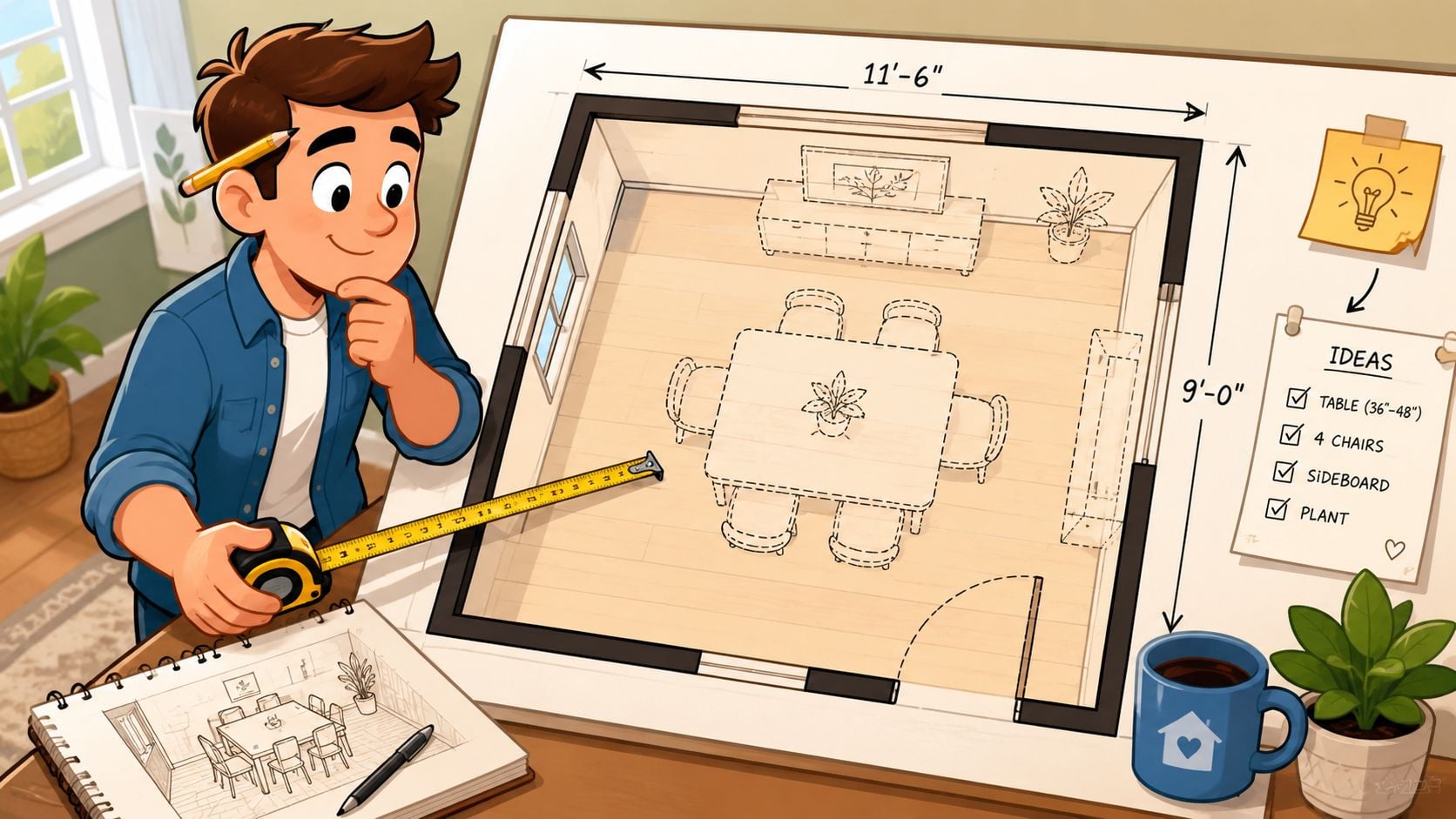
The fix starts with measuring the room the way you will live in it. In a dining space, the table size is only part of the story. The space around it is what decides whether supper feels relaxed or cramped.
Start with the room, not the table
A good working guideline is to leave about 36 inches around the table so chairs can move and people can pass comfortably. Some tighter spots can function with less, but designers often use that measurement as a reliable target for everyday circulation, as noted in Better Homes & Gardens' dining room layout advice.
That number helps clear up a common mistake. Homeowners measure wall to wall, find a table that fits inside those dimensions, and stop there. Real life asks for more space than a showroom pose. Chairs pull back. Knees shift. Someone carries in a casserole. A grandparent may need a steadier, wider path than a younger guest.
Use a simple routine and the room gets much easier to read:
- Measure the full dining area. Write down the width and length of the usable space.
- Mark anything fixed. Include heat registers, radiators, trim that sticks out, door swings, windowsills, islands, and pieces that will stay put.
- Reserve walking space first. Build the clearance zone before choosing the table footprint.
- Tape the layout on the floor. Painter's tape makes the size real fast. It works like a full-scale practice run.
If you want a second set of eyes before heading out, BILTRITE offers a helpful guide on how to measure furniture for a proper fit.
Map real life movement
Good measurements should follow your habits, not just your walls. The side facing the kitchen usually needs more room than the side against a corner. A patio door, walker, or serving cart changes the layout too. For seniors especially, easy entry and exit can matter just as much as the table dimensions themselves.
One practical rule keeps people out of trouble. Measure for the chair while someone is using it, not for the table while nobody is sitting there.
Try a quick mock-up at home. Set one of your current chairs where a new chair would go. Pull it out as if someone just sat down for Friday fish fry. Then walk behind it, open the nearby door, and turn the corner with a dish in your hands. If you feel pinched during that little test, the finished room will feel tighter every day.
Paper measurements get you close. Seeing solid wood tables, slimmer chair profiles, and different base styles in person gets you the rest of the way. That is one reason folks around Milwaukee still come into our showroom. You can test the reach, the legroom, the chair pull-back, and whether a USA-made piece fits your home before you buy it.
Find Your Ideal Small Space Table
The table does most of the heavy lifting in a small dining area. It sets the traffic pattern, determines legroom, and decides whether the room feels open or boxed in. In tighter homes, shape matters just as much as size.
A practical benchmark for small dining rooms is a table footprint of about 24 to 36 inches wide by 30 to 48 inches long, which helps preserve chair clearance while still seating 2 to 4 people. Design guidance also recommends keeping roughly 36 inches of circulation space around it, as noted in this guide to choosing a dining set for a small area.
Three table types that earn their keep
A round pedestal table is often the friendliest choice in a square or awkward room. Without corners, it softens the traffic pattern. Without legs at all four corners, it can give diners more freedom with chair placement and knees. This style often feels easier in breakfast nooks and compact eat-in kitchens.
A drop-leaf table suits homes where the dining area has to do more than one job. One or both leaves can stay down during daily use, then lift when company comes over. That makes it a strong option for condos, apartments, and multipurpose rooms where floor space matters every day, not just occasionally.
An extendable table works well for people who want a normal compact footprint most of the time but don't want to borrow folding furniture for guests. It asks for a bit more planning, though. The expanded size should still make sense in the room when the leaves are in use.
Small-Scale Dining Table Comparison
| Table Type | Best For | Space-Saving Feature |
|---|---|---|
| Round pedestal | Tight square rooms and easy conversation | No sharp corners and more open legroom |
| Drop-leaf | Multi-use spaces and flexible daily living | Leaves fold down to shrink the footprint |
| Extendable | Small households that host occasionally | Expands only when extra seating is needed |
One table style isn't “right” for every home. The better question is how the room gets used most often. If dinner is usually a quiet meal for two, a drop-leaf may make everyday life easier. If the table is also the puzzle table, laptop desk, and holiday card station, an extendable top may earn its spot.
For shoppers comparing actual options, small kitchen table sets for compact spaces can help narrow the field. Seeing several shapes side by side often makes the decision much easier than trying to guess from dimensions alone.
Smart Seating and Storage Solutions
A small dining room usually feels crowded because of the pieces around the table, not the table alone. Chairs that stick out too far, a bench that is hard to get in and out of, or a cabinet that blocks the walkway can make a good table feel like the wrong choice.
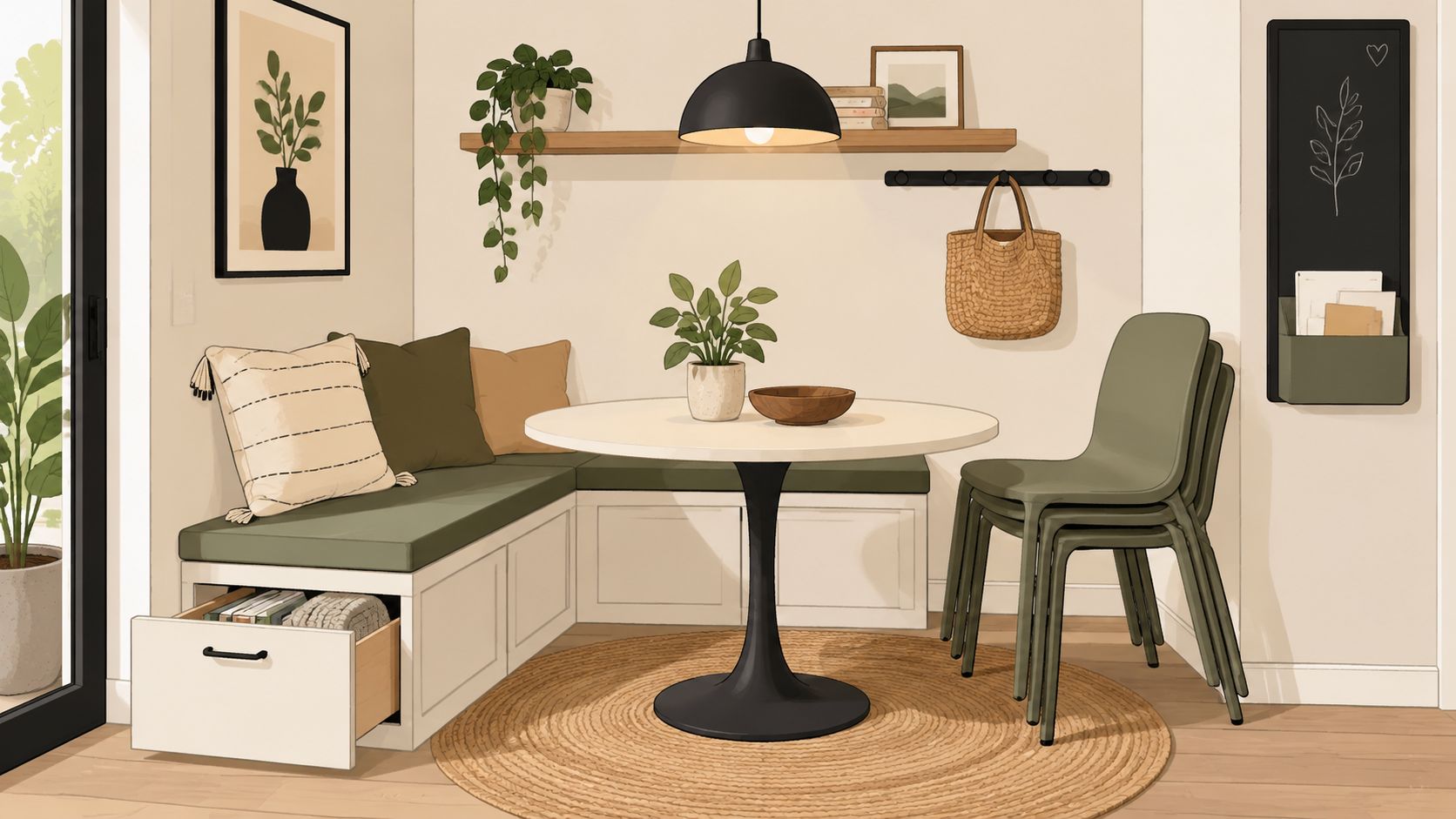
Chairs and benches that reduce visual clutter
Armless chairs are often the easiest fit in a compact dining area. They slide in cleanly, keep sightlines more open, and usually take up less side-to-side space than chairs with broad arms or heavy frames. In a room where every inch counts, that lighter outline matters.
Bench seating can solve a different problem. It works like a drawer under the table. Push it in after the meal, and the room opens back up for walking, cleaning, or helping grandkids with a puzzle. In breakfast nooks and eat-in kitchens, that flexibility is hard to beat.
Comfort and access still need a close look. A bench may seat more people, but it can be awkward for an older adult with limited mobility or anyone who does not want to scoot sideways to sit down. In those homes, a mixed setup often works better. A bench on one side, slim chairs on the other, and easy end access can make the room feel friendly instead of fussy.
That is one reason shopping in person helps so much. A chair can look trim online and still feel bulky once you pull it out, sit down, and stand back up.
Storage that helps without crowding
Small dining rooms collect clutter fast. Linens, serving pieces, candles, mail, kids' art projects, and the extra set of placemats all need a home. If they do not have one, the tabletop becomes the catch-all.
A few storage pieces tend to earn their keep in tighter rooms:
- Slim sideboards: Good for dishes and linens without jutting too far into the walkway.
- Corner cabinets: They use a spot many rooms waste and keep the center of the space clear.
- Small hutches: These add vertical storage, which is often smarter than adding width.
- Dining benches with storage: A practical choice for nooks where one piece needs to do two jobs.
Depth matters as much as height. A storage piece that looks modest in a photo can feel oversized if its doors swing into a traffic path or if it crowds a walker, cane, or dining chair. That is especially important for seniors who need steady, easy movement around the room.
BILTRITE Furniture-Leather-Mattresses carries small scale furniture options, including dining and storage pieces, for shoppers who want to compare compact solutions in person. If you are sorting through cabinet depth, door style, and what needs to be stored nearby, our guide to choosing the right dining storage piece is a useful place to start. Then come see these pieces firsthand in our Milwaukee showroom. You can open the doors, test the seating, and get a practical opinion from people who have helped local families furnish tricky rooms for generations.
More Than Just Size Considerations
A compact dining set has to do more than fit. It has to hold up. In a smaller home, the dining area often works harder than expected. It may serve meals, homework, paperwork, puzzles, and conversations all in one week. That kind of daily use is exactly why construction quality matters.
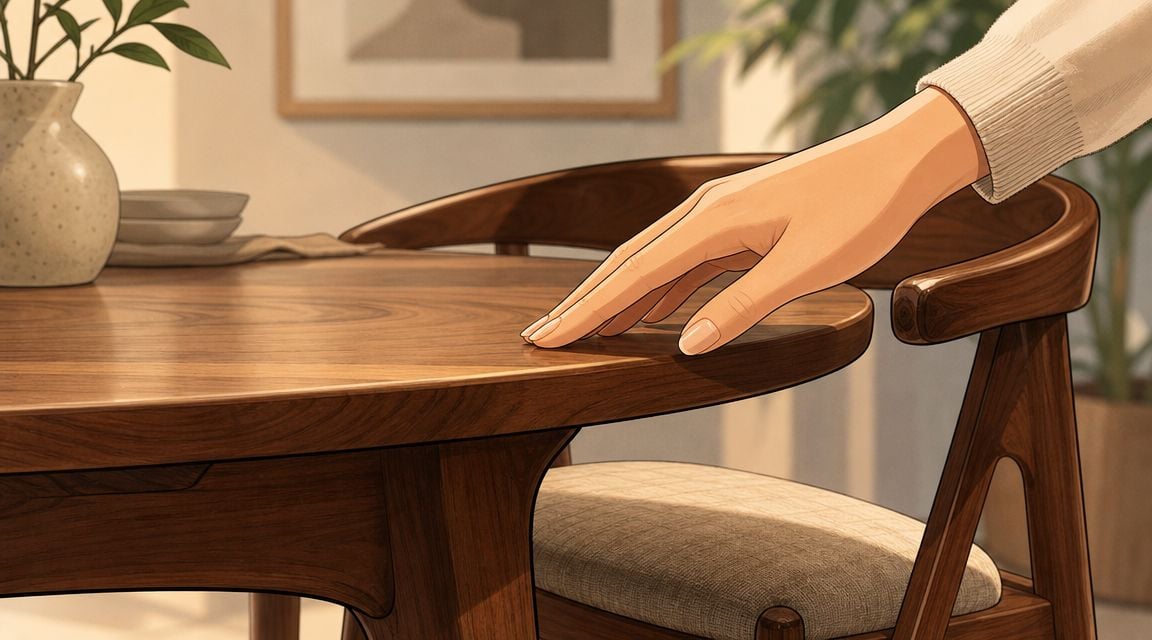
Why material matters more in a compact room
In a large house, one underperforming piece can sometimes hide. In a small dining room, every piece gets noticed. A table that wobbles, a chair that feels flimsy, or a finish that doesn't wear well becomes part of daily life very quickly.
That's one reason solid wood furniture has such staying power. It brings visual warmth, repairability, and a steadier feel than many lightweight alternatives. For homeowners who care about long-term use, especially in a room that sees everyday action, quality construction is not an extra. It's part of making the room successful.
A durable finish matters too. Small spaces ask people to live close to their furniture. Hands touch the edge of the table constantly. Chairs get moved more often. Bags and mail land where they shouldn't. Those details add up. BILTRITE has a helpful look at choosing a wood finish for a dining table for shoppers weighing everyday practicality along with style.
Accessibility belongs in the conversation
Small-scale dining advice often focuses on apartments and visual openness, but accessibility deserves equal attention. Guidance on multigenerational and accessibility needs, especially for seniors, is often overlooked. Standard advice usually centers on clearances, yet it rarely connects that thinking to heavier-duty construction or features like chair arms and stable pedestal support that can improve safety and ease of use for aging households, as discussed in this accessibility-focused small dining discussion.
That changes how a compact dining room should be evaluated. A bench may save space, but it may not be helpful for someone who needs easier entry and exit. A slim chair may look airy, but a sturdier chair with arms may provide needed support. A pedestal table can open knee space, but its base should still feel steady and secure.
For seniors, caregivers, and multigenerational families, a useful checklist includes:
- Stable support: A table base should feel grounded, not tippy.
- Easy ingress and egress: Chairs should allow comfortable sitting down and standing up.
- Durability: Compact doesn't have to mean delicate.
- Comfort over trend: The room should support real daily use, not just a neat photo.
A small dining room can still be generous. It just has to be generous in the right ways.
Your BILTRITE In-Store Shopping Checklist
By the time a shopper reaches the showroom, the goal should be clarity. Not every exact item has to be chosen yet, but the room, the habits, and the priorities should be understood. That makes in-store testing much more productive and a lot more enjoyable.
BILTRITE has served Metro Milwaukee since 1928, and the in-person experience matters because dining furniture is physical in a way photos can't fully capture. Chair comfort, edge shape, base stability, finish tone, and the way a leaf mechanism works all make more sense when they're right in front of the shopper.
What to bring to the showroom
A little preparation saves time and prevents second guessing. The most helpful items are simple.
- Room measurements: Bring the width and length of the dining area, plus notes on doors, windows, and nearby furniture.
- A few phone photos: Pictures help explain traffic paths, flooring color, trim style, and how close the dining area sits to the kitchen or living room.
- Daily use notes: It helps to know whether the table is mainly for two people, family meals, occasional guests, or mixed use.
- Problem points: A shopper should know what's bothering them now, whether that's bumping into chairs, lack of storage, or trouble getting seated comfortably.
What to test in person
A good showroom visit is hands-on. Sit in the chair. Pull it out. Push it back in. Rest forearms on the table. Check whether the pedestal interferes with feet. Open drawers. Try the leaf system. Touch the finish under normal light.
This is also the moment to ask practical questions:
- Will this chair tuck fully under the table?
- Does this base leave enough knee room?
- Would a bench help this layout, or make access harder?
- How will this wood finish handle everyday family use?
- Is there a sturdier version for a senior living setup or heavy-use room?
The Greenfield showroom is where those answers become much clearer. BILTRITE doesn't sell online, which means the attention stays on helping shoppers compare real furniture in person. The store is family-owned, closed on Sundays and Mondays for family time, and staffed by a team with deep experience helping Milwaukee-area households sort through practical room challenges.
For many homes, the right small scale dining room furniture isn't the flashiest piece. It's the one that fits, feels good, lasts well, and makes everyday meals easier.
Ready to sort out that tricky dining space with real help and real furniture you can touch? BILTRITE Furniture-Leather-Mattresses would love to welcome Milwaukee-area shoppers into the Greenfield showroom for a friendly, no-pressure visit. Bring measurements, photos, and questions. The team can help compare small-scale, USA-made, Amish-made, solid-wood, and accessibility-minded options that make sense for the home and the people using it.