3 DAY MATTRESS SALE! THURSDAY - FRIDAY - SATURDAY!
LABOR DAY SALE HELD OVER ENDS SATURDAY, SEPTEMBER 19 AT 5PM!
NO CREDIT CARD FEES!
1000's of Items IN-STOCK + 500 Mattresses!
Largest selection of USA Made Furniture & Mattresses + Amish Made!
FREE In-Store Design Services!
BUY LOCAL & LOVE YOUR HOME!
3 DAY MATTRESS SALE! THURSDAY - FRIDAY - SATURDAY!
LABOR DAY SALE HELD OVER ENDS SATURDAY, SEPTEMBER 19 AT 5PM!
NO CREDIT CARD FEES!
1000's of Items IN-STOCK + 500 Mattresses!
Largest selection of USA Made Furniture & Mattresses + Amish Made!
FREE In-Store Design Services!
BUY LOCAL & LOVE YOUR HOME!
OPEN LABOR DAY | Tuesday-Thursday 10am to 6pm | Friday 10am to 7pm | Saturday 10am to 5pm | Sunday Closed To Be With Family & Friends | Monday Showroom Closed
5430 West Layton Ave, Greenfield - Metro Milwaukee
Saturday afternoon at the furniture store usually brings the same scene. One person is rubbing a swatch between their fingers, another is worrying about the dog, and somebody else is thinking about spills, sunshine, or how a sofa will fit in a smaller room. That's exactly why sofa set cloth material matters so much, because the cloth decides how the piece will live in a home every single day.
A sofa can look gorgeous on the floor and still be wrong for the household. The fabric can feel too warm, show every mark, snag too easily, or demand more care than a busy family wants to give. The right cloth choice makes the room easier to live in, easier to clean, and easier to enjoy.
At BILTRITE, that's how the conversation usually goes. We don't start with the prettiest swatch and stop there. We talk through family life, pets, sunlight, small rooms, and the way a sofa gets used from Monday morning to Sunday night, because the cloth is part of the household, not just the décor.
Why Sofa Set Cloth Material Matters More Than Style
A family can fall in love with a shape, a color, and a leg style, then realize later that the room still doesn't work. The dog jumps up. The kids snack on the cushions. The sun hits one side of the sofa every afternoon. That's where sofa set cloth material starts to matter more than the look of the frame.
The cloth affects comfort, cleaning, durability, and how long the sofa still looks fresh. A fabric that resists wear can make a busy living room feel calm instead of fussy. A fabric that stains easily can turn everyday living into a constant cleanup job.
The showroom question behind every swatch
A lot of shoppers ask for a fabric that looks good. The better question is, “How will this behave in our home?” A couple with a neat sitting room may want one answer, while a family with pets, grandkids, and snack time on the couch needs another. The cloth choice changes the whole experience of the room.
That's why the showroom conversation is more useful when it starts with lifestyle. We look at who sits there, how often the sofa gets used, and what usually happens around it. A neutral color can still be the wrong choice if the weave is too delicate or the finish can't handle daily life.
Practical rule: choose the cloth for the way the sofa will be used, not for how it looks on the first day.
Shoppers who want a deeper walk-through of upholstery basics can pair this guide with BILTRITE's upholstery material overview. It's the same kind of plain-English thinking we use when talking with families in Greenfield.
The Building Blocks of Sofa Fabric
Before comparing fabrics one by one, it helps to know what the fabric is. Upholstery can come from natural fibers like cotton, linen, and wool, or synthetic fibers like polyester and nylon. Natural fibers come from plants or animals, while synthetics are man-made polymer-based materials, and that difference explains why two fabrics that look similar can behave very differently in cleaning and wear (sofa-advisor.com).
Reading the spec card without getting lost
Two labels matter a lot on a fabric card. GSM tells you fabric weight, and heavier cloth often feels denser and holds up better in everyday use. Upholstery guides place many residential sofa fabrics in the 250 to 370 GSM range, while denser, higher-durability fabrics often run 370 GSM+ (Hengsheng Textile).
The other label is the rub count, usually shown as Martindale or Wyzenbeek. It is a wear test for friction. Supplier guides used in the upholstery trade say 15,000+ double rubs works as a practical minimum for residential seating, 25,000+ fits heavy-use homes better, and 30,000+ is typical of contract or commercial-grade upholstery (Alibaba Smart Buying Guide).
Cleaning codes in plain language
Cleaning codes matter because they tell a shopper what kind of care the cloth expects. A W code means water-based cleaning is allowed. S means solvent-based cleaners only. W/S gives more flexibility, while X means vacuuming or very limited cleaning only.
Hold a swatch to the light, scrunch it in the hand, and read the care label before falling in love with the color.
That simple habit saves a lot of regret later. A beautiful fabric that cannot be cleaned easily can become stressful fast, especially in rooms where people live instead of just visit.
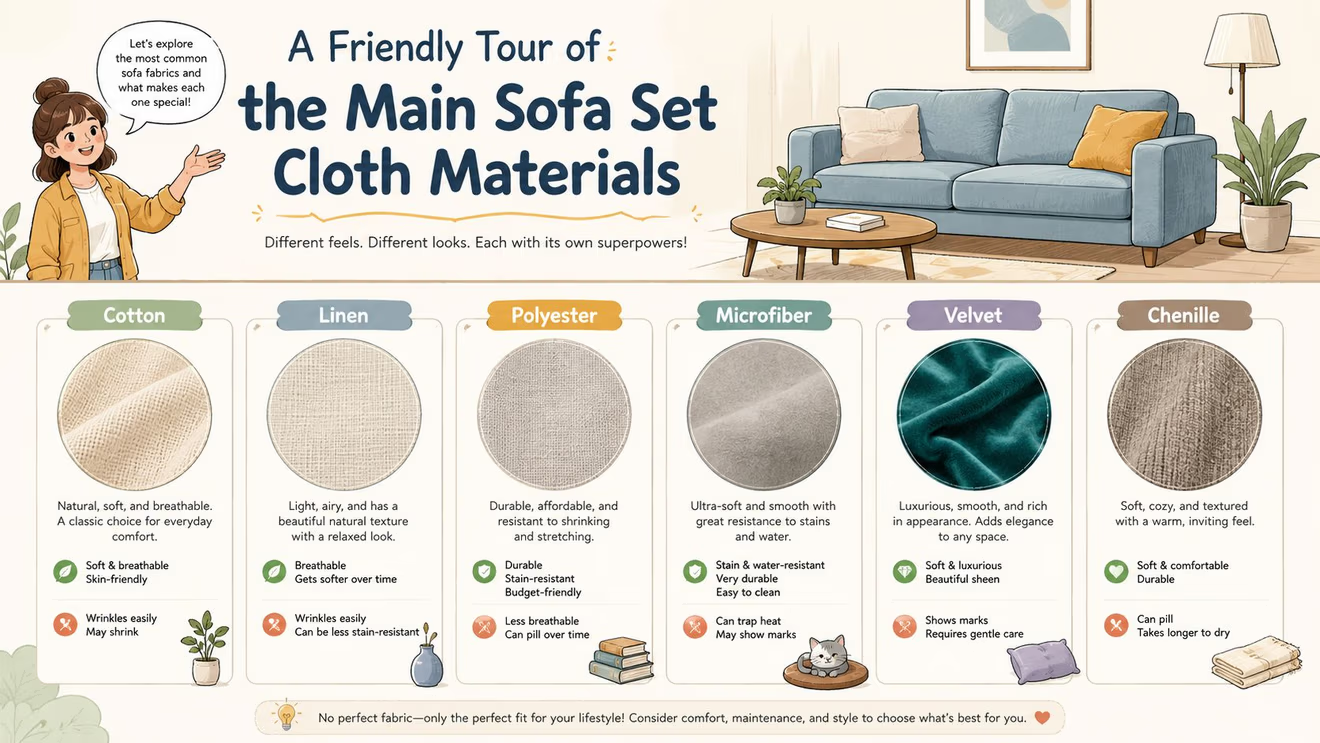
A Friendly Tour of the Main Sofa Set Cloth Materials
Cotton and linen, easygoing and familiar
Cotton and linen feel relaxed. They breathe well, they look casual, and they suit homes that want a softer, lived-in feel. The tradeoff is that they tend to ask more from the owner, especially in rooms where spills, pets, or heavy daily use are part of the picture. Cotton/linen also showed damage in 37% of cases in a 2025 survey of 1,333 sofa owners, which is higher than the overall average of 33% across materials (Which).
Wool, wool blends, and the workhorse middle ground
Wool has a sturdy, trustworthy feel. It often handles wear better than shoppers expect, and wool blends can keep some of that strength while softening the price or the hand-feel. In that same survey, wool had the lowest reported damage rate at 16%, and wool blends followed at 21% (Which). That makes wool a smart conversation starter for families who want comfort without babying the sofa.
Polyester, microfiber, chenille, velvet, and performance fabrics
Polyester and microfiber are the practical favorites for a lot of busy homes. Polyester-based upholstery is often described as stain-resistant and suitable for active households, and one buying guide notes microfiber around 50,000+ Martindale rubs, which points to strong abrasion resistance. Chenille feels plush and cozy, with a little texture under the hand, while velvet brings a dressier look and a soft surface that can still work well when it's made for upholstery rather than clothing. Velvet showed damage in 23% of cases in the 2025 survey, which puts it ahead of cotton/linen, real leather, and faux leather in that dataset (Which).
Performance fabrics deserve their own mental folder. They're engineered for spills and daily use, and many are built with tighter weaves or solution-dyed fibers that make cleanup easier. For families who want less fuss, that category often deserves a close look. BILTRITE's own performance fabric guide is a helpful companion when shoppers want to compare that idea against leather, standard fabric, and microfiber.
Fabric Family
Feel
Everyday Strength
Best Fit
Cotton, linen
Soft, casual, breathable
Comfortable but easier to mark
Low-traffic rooms
Wool, wool blends
Substantial, resilient
Strong wear performance
Family rooms with some care
Polyester, microfiber
Smooth, practical, durable
Often high abrasion resistance
Busy households
Chenille
Plush, textured, cozy
Comfortable but needs care
Relaxed seating areas
Velvet
Soft, dressy, rich-looking
Can be durable when made well
Statement rooms
Performance fabrics
Engineered, cleanable, family-friendly
Designed for spills and wear
Kids, pets, and heavy use
Matching Sofa Cloth to Real Households
The right fabric depends on who uses the room, not just how the room looks on move-in day. Families with kids and pets usually need a cloth that handles friction, quick cleanup, and repeated use without getting fussy. A more delicate fabric can still work, but only in a room that gets gentle treatment.
Four common household profiles
Household Type
Best Cloth Material
Why It Works
Kids and pets
Microfiber or performance fabric
Tight weave, easier cleanup, strong everyday wear
Seniors or caregivers
Easy-care synthetic or removable cover option
Less fuss, simpler upkeep, more practical maintenance
Small apartments
Smaller-scale sofa in a light, durable cloth
Easier to fit, easier to move, easier to live with
Style-first decorators
Linen blend or velvet
Strong visual character with a softer finish
A pet-heavy family usually benefits from microfiber or another tight-weave synthetic. These fabrics are built for constant contact, and they're less likely to look tired after a season of jumping, napping, and snack duty. For a senior living space, the better answer may be less about drama and more about ease, especially if the furniture needs to be easy to clean and simple to maintain.
What to avoid without overthinking it
A bright white cotton sofa in a busy TV room is asking for trouble. A delicate velvet sectional in a mud-zone entry space can become a maintenance headache. A lightweight fabric may look airy in the showroom, but if it can't hold up to the household routine, it's the wrong cloth for that job.
Shoppers sometimes think the fanciest cloth is the right one. Often, the wiser choice is the one that matches the pace of the home. That's where a family-run showroom conversation helps, because the room, the people, and the habits all matter together.
What to Check When You Shop in Person
Fabric swatches always behave better under store lights than they do at home. That's why the in-person test matters. A shopper can learn a lot by touching the fabric, folding it, and looking at how it reacts to light, pressure, and a little friction.
A simple showroom routine
Rub test: Run a thumbnail or coin gently across the swatch. If the surface changes too quickly, that's a warning sign.
Wrinkle test: Scrunch the fabric in the palm. If it creases hard and stays crushed, the cloth may need more care.
Light test: Hold the swatch near a sunny window. This helps reveal how color and weave behave in bright rooms.
Cleaning test: Ask for a sample and test a small spot with water or mild soap, if the care code allows it.
That routine keeps the decision grounded in reality. It's a lot better than guessing from a catalog photo.
Questions worth asking our team
The fabric is only one part of the sofa. Cushion fill, frame construction, removable versus attached cushions, and delivery fit all change the experience. A good sofa should feel strong in the frame, comfortable in the seat, and reasonable to care for over time.
Ask how the piece is built, then ask how the fabric will age on that build.
That kind of question gets a better answer than “What's your prettiest swatch?” It opens the conversation to the whole sofa, not just the surface. In Greenfield, that's the kind of practical walk-through our sales associates spend time on every day.
How Custom Fabrics and Amish-Made Sofas Change the Choice
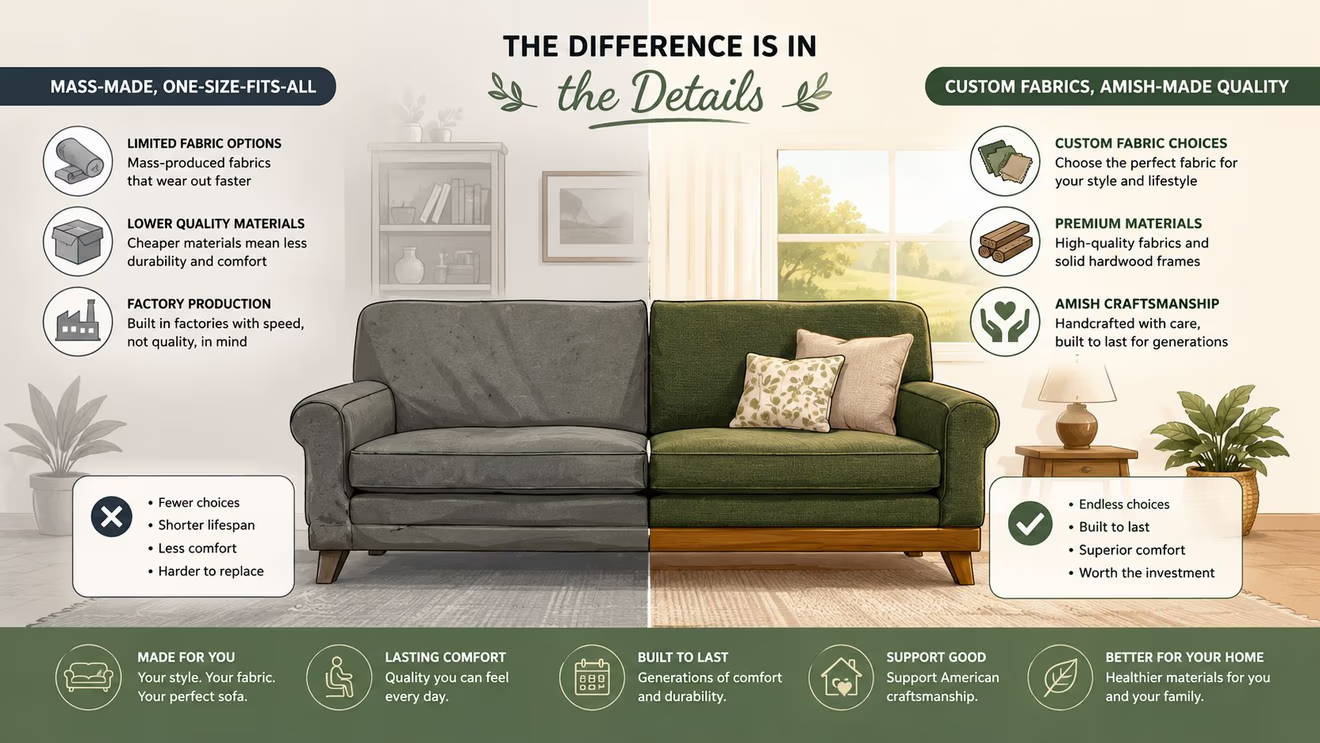
A lot of furniture shopping still treats fabric as something fixed. Pick from a short list, accept the limits, move on. Custom upholstery changes that conversation by letting the fabric and the frame work together instead of forcing one household to fit a one-size-fits-all option.
Why the frame matters as much as the cloth
A heavy-duty frame can make a stronger fabric choice worth the investment. A come-apart sectional can solve a doorway problem before the delivery truck even arrives. A smaller-scale sofa can make a studio, condo, or senior living room feel balanced instead of crowded. BILTRITE's custom upholstery fabric options let shoppers pick fabric on pieces that are already matched to real homes, not just showroom dreams.
Custom ordering also makes better sense when the room has a clear job. A family room that gets daily traffic may call for microfiber or a performance cloth. A more formal room may lean toward velvet or a linen blend. A carefully built frame gives the cloth a better foundation, and that matters over time.
What a custom order usually feels like
The process usually starts with a swatch and a conversation about how the sofa will be used. Then the shopper chooses the fabric, the frame, and the details that matter in the room. For some households, that means a USA-made option. For others, it means an Amish-built custom piece that feels more personal and more grounded in craftsmanship.
The advantage is not just choice, it's fit. The right cloth on the right frame can solve durability, size, and style at the same time. That's a more practical upgrade than many shoppers expect.
The Hidden Tradeoff Most Sofa Buyers Miss
Easy to clean is not the same thing as long lasting. That mistake catches a lot of people off guard. A fabric can wipe down beautifully on day one and still show pilling, flattening, or surface wear after months of friction.
Cleanability, durability, and comfort rarely peak together
Synthetic fabrics can be very practical, but some of them are more prone to pilling over time. That's why a “low-maintenance” label shouldn't be treated like a promise of long-term toughness. A tightly woven cloth with a solid rub count often gives better staying power in real family life, even if it doesn't feel quite as slick in the store.
The Which survey helps put that in context. Faux leather showed damage in 57% of cases, which was the worst result in that dataset, while real leather was at 40% and the overall average across materials was 33% (Which). That doesn't mean one category is right for every household, but it does show how much surface choice matters once daily use starts doing its work.
The question to ask before buying
A shopper should ask whether the fabric feels good, cleans easily, and still looks right after real use. Those three things rarely line up perfectly. The strongest buying choice is usually the one that balances them for the home, rather than chasing one feature at the expense of the others.
That's why a swatch test, a fabric spec card, and an honest talk about household habits belong together. One without the others gives only half the answer.
Caring for Your Sofa Set Cloth for Years to Come
Good cloth lasts longer when the owner treats it like part of the room's routine. Weekly vacuuming keeps grit from grinding into the fibers. Cushion rotation helps the wear spread out instead of sinking into one favorite seat.
Simple care habits that pay off
Vacuum regularly: Use a soft brush attachment to lift dust, crumbs, and pet hair before they settle deeper.
Rotate cushions: Flip and switch cushions if the sofa design allows it, so one spot doesn't take all the pressure.
Limit direct sun: Bright windows can fade cloth over time, even when the fabric still feels strong.
Blot spills fast: Clean according to the care code, and don't scrub hard at the first sign of a spill.
Watch pet hair buildup: Lint tools and regular vacuuming keep the fabric from looking tired too soon.
The care label still leads the way, especially for stain-resistant finishes or special weaves. For households that want a more natural cleaning approach, BILTRITE's fabric sofa cleaning guide is a useful reference to keep nearby.
A final showroom habit
Before leaving the store, sit on the sofa, touch the cloth, and ask how the piece will be cared for at home. A strong sofa choice should feel right in the room and make sense in the schedule. That's the kind of honest walk-through our family has tried to give Milwaukee shoppers since 1928, and it's one of the reasons we keep the showroom focused on real life, not just pretty displays.
BILTRITE Furniture-Leather-Mattresses in Greenfield offers in-stock sofas, custom upholstery options, and Amish-made pieces that let shoppers match the fabric to the way a home gets used. If you're sorting through sofa set cloth material choices for kids, pets, smaller rooms, or a more refined look, visit BILTRITE Furniture-Leather-Mattresses and come see the swatches, frames, and finishes in person.