3 DAY MATTRESS SALE! TUESDAY - WEDNESDAY - THURSDAY!
LABOR DAY SALE EXTENDED ENDS SATURDAY, OCTOBER 3RD AT 5PM!
NO CREDIT CARD FEES!
1000's of Items IN-STOCK + 500 Mattresses!
Largest selection of USA Made Furniture & Mattresses + Amish Made!
FREE In-Store Design Services!
BUY LOCAL & LOVE YOUR HOME!
3 DAY MATTRESS SALE! TUESDAY - WEDNESDAY - THURSDAY!
LABOR DAY SALE EXTENDED ENDS SATURDAY, OCTOBER 3RD AT 5PM!
NO CREDIT CARD FEES!
1000's of Items IN-STOCK + 500 Mattresses!
Largest selection of USA Made Furniture & Mattresses + Amish Made!
FREE In-Store Design Services!
BUY LOCAL & LOVE YOUR HOME!
OPEN LABOR DAY | Tuesday-Thursday 10am to 6pm | Friday 10am to 7pm | Saturday 10am to 5pm | Sunday Closed To Be With Family & Friends | Monday Showroom Closed
5430 West Layton Ave, Greenfield - Metro Milwaukee
Waking up hot, sore, or stuck in the same spot can make a mattress feel wrong long before it looks worn out. That's why so many shoppers start asking about latex mattress benefits, especially when they want a bed that feels supportive without that sinking, trapped feeling. At BILTRITE, we hear that concern a lot from Metro Milwaukee families who want something that sleeps cooler, lasts longer, and still feels comfortable night after night.
What Makes a Latex Mattress Different
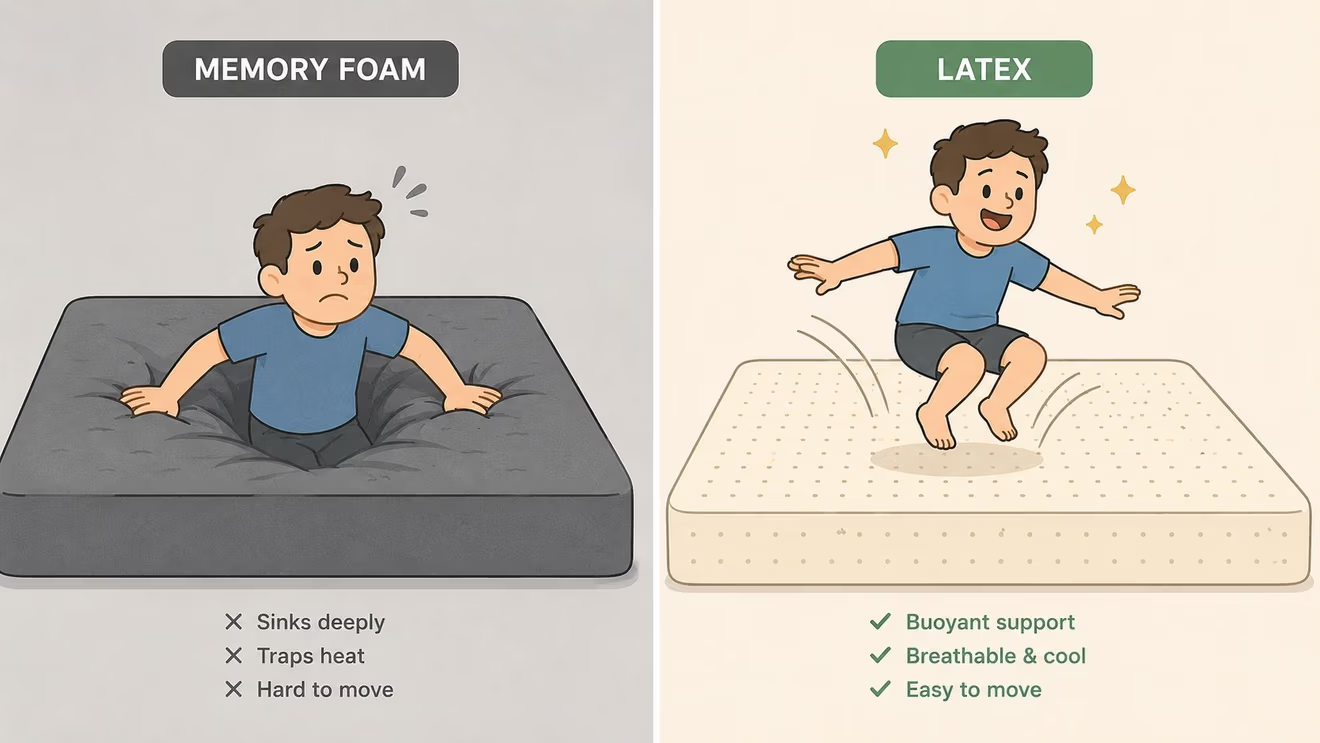
A lot of sleepers know the memory foam feeling right away. You lie down, it slowly gives way, and before long you're working a little harder than you'd like to shift positions. Latex feels different from the first touch because it is conforming yet buoyant, so it follows the body without swallowing it.
That difference matters. Latex mattress materials come from rubber tree sap in natural models, while some options use synthetic or blended materials, and the point of the material is not just softness, it's responsive support. The surface gives where the body needs pressure relief, then pushes back quickly enough to keep movement easy. That's why latex is often described as a middle ground between a cushy hug and a supportive lift.
For shoppers who like to understand the material before they buy, our What Is Latex Mattress? guide is a helpful starting point. It matches what many families notice in person, latex tends to feel lively, supportive, and less “stuck” than deeper-sinking foam beds.
Practical rule: if a bed makes changing position feel like work, the material is probably prioritizing deep contouring over easy movement.
That lively response is one reason latex gets discussed as a premium sleep investment. The comfort is immediate, but the value often shows up later, when the bed still feels supportive instead of tired.
The Science Behind Pressure Relief and Faster Sleep
A mattress can feel comfortable in the showroom, then leave you tossing at night if it lets pressure pile up in the wrong places. Latex earns its reputation because it spreads body weight more evenly, and that shows up clearly in pressure mapping. In a controlled body-pressure study, a latex mattress reduced peak body contact pressure on the torso and buttocks by up to 35.1% compared with polyurethane foam, and it increased the share of body-surface area in very low-pressure zones to 90.9% to 96.1% across five body regions, versus 82.1% to 91.8% for polyurethane, according to the published study in PMC. That kind of spread helps explain why latex can feel supportive without feeling rigid.
What that means on a real mattress
Less concentrated pressure usually means fewer spots that feel sore or compressed. For side sleepers, that can matter at the shoulders and hips, while back sleepers often notice the mattress holds them more evenly. The point isn't that latex feels hard, it's that it spreads load more effectively so one area isn't taking all the weight. If you want to see how that kind of support translates to real shopping, our pressure relief mattress guide is a helpful place to start before you test beds in person.
A separate real-world sleep study tracked more than 1,500 nights and found that participants fell asleep 3 minutes faster, a 9% reduction in sleep-onset latency, on the latex foam mattress, while reporting fewer nights of tossing and turning, down 48%, and fewer aches and pains, down 41%, in the same published findings from Sleep. That matters because pressure distribution and faster sleep onset are both basic sleep metrics. One reflects physical support, and the other suggests less discomfort at bedtime.
What to listen for in a showroom: a mattress can feel soft and still be supportive if it distributes pressure well.
Metric
Latex Foam Result
Improvement vs Polyurethane
Peak torso and buttocks contact pressure
Reduced
Up to 35.1% lower
Low-pressure body surface area
Increased
90.9% to 96.1% vs 82.1% to 91.8%
Sleep onset
Faster
3 minutes faster, 9% shorter latency
Tossing and turning
Fewer nights
Down 48%
Aches and pains
Fewer nights
Down 41%
For buyers trying to sort out latex mattress benefits from marketing language, this is the part that matters most. The material changes how the bed distributes body weight and how easily a sleeper settles in, and that is why a latex bed can feel different from the first few minutes in our showroom and still hold up well after years of real use.
Natural vs Synthetic and Dunlop vs Talalay
Latex can sound simple until the labels start showing up. Natural latex, synthetic latex, blended latex, Dunlop, Talalay, it's easy to wonder what any of that means in a store.
The material type matters first
Natural latex comes from rubber tree sap, while synthetic latex is made from petroleum-based compounds, and blended latex mixes those ideas together. Natural latex is often the choice for shoppers who want the longest lifespan and a more eco-conscious material, while synthetic or blended versions may fit a tighter budget. That's the basic tradeoff, more natural content usually means more cost, but also a stronger durability story.
The process changes the feel
Dunlop and Talalay describe how the latex foam is made, not just what it's made from. Dunlop generally feels denser and more substantial, while Talalay tends to feel softer and more consistent from edge to edge. That's why two latex mattresses can both say “latex” on the label and still feel very different in person.
A smart way to shop is to ask three simple questions:
What kind of latex is inside? Natural, synthetic, or blended.
Which process was used? Dunlop or Talalay.
How is the mattress layered? A firmer core with a softer surface often feels different from an all-soft build.
Ask to feel the surface with your hand, then sit and lie down for a minute. Latex tells the truth quickly.
For families looking at USA-made or Amish-crafted selections, those distinctions matter because craftsmanship alone doesn't define the comfort. The specific latex type does. If the mattress label is vague, ask for clarity before anyone starts talking about firmness.
Cooler Sleep and Allergy Resistance
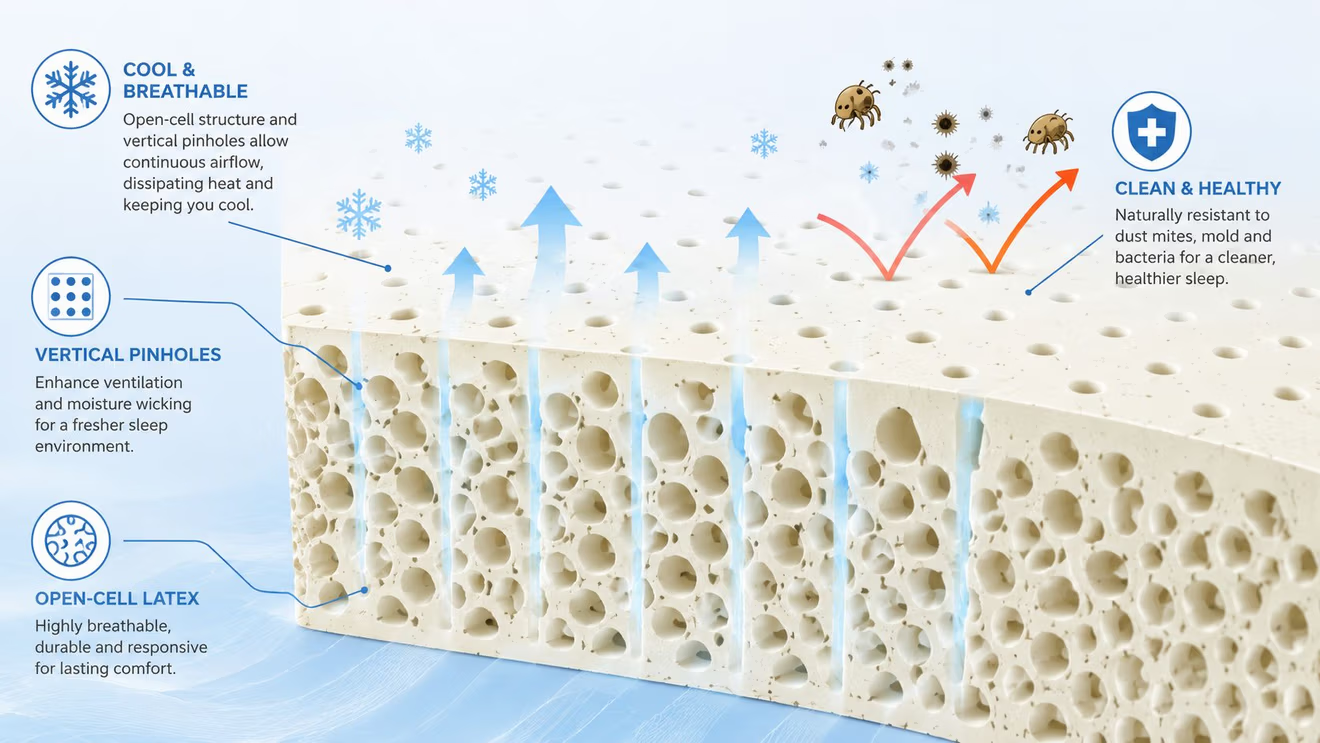
A hot sleeper knows the problem fast, the bed feels warm, then the warmth lingers and the night starts to slip away. Latex handles heat differently because its open-cell structure and ventilation pinholes let air move through the mattress instead of trapping it near the surface.
Why airflow changes the feel
Airflow changes how long body heat stays around you. When the material breathes, heat disperses more easily, and the sleep surface is less likely to feel enclosed or sticky. That difference matters for people who run warm and want a mattress that feels cooler without relying on a firmer, less forgiving surface. In published sleep data, users reported 179% more nights of mattress coolness on the latex foam mattress, along with 112% more nights of comfort, 143% higher perceived sleep quality, and 112% higher sleep satisfaction in Sleep.
Latex also fits many allergy-sensitive households because it is often described as hypoallergenic and resistant to dust mites, mold, and mildew. The practical reason is straightforward. A mattress that breathes well is less likely to hold the kind of moisture that can encourage buildup. For homes where bedroom cleanliness matters, our essential tips for maintaining a dust and allergen-free bedroom work hand in hand with a mattress that is easier to keep fresh.
A few simple checks help shoppers sort through the options:
Look for breathable construction. Open-cell latex and pinholes point to a mattress designed with airflow in mind.
Check the cover and layers. A breathable core works best when the cover and comfort layers also support air movement.
Think about moisture control. A cooler, drier sleep surface is usually easier to maintain over time.
That mix of cooler sleep and fewer places for common allergens to settle is a big reason latex earns attention from families who want a cleaner-feeling bed, not just a comfortable one.
Honest Tradeoffs You Should Consider
Latex has strong benefits, but it's not the right answer for every bedroom. The first drawback is simple, latex mattresses are heavy. That matters if the bed has to go up narrow stairs, turn a tight corner, or get rotated in a smaller apartment.
The second issue is feel. Latex is buoyant and responsive, which helps with repositioning, but some sleepers want deeper cradling. Others sharing a bed may also prefer a mattress that dampens motion more strongly than latex does, especially if one person is easily disturbed by movement.
There's also the cost conversation. Latex usually sits in a higher price range than basic innerspring options, and that can make it harder to compare on the spot. A cheap mattress may look easier on the wallet today, but latex asks buyers to weigh comfort, support, and long-term use together instead of focusing only on the sticker price.
A mattress should fit the room, the stairs, the sleeper, and the budget. If one of those four is off, the choice can feel wrong later.
That honesty is part of what makes latex worth evaluating carefully. For some households, the lighter-feeling, cushioned bed is still the better fit. For others, latex's springier feel and heavier build are exactly why it works.
Durability and the Flip-able Advantage
Durability is where latex really earns its reputation. Industry guidance commonly places latex mattresses in the 15 to 20 year range, and some high-quality natural latex models are described as lasting 20+ years in service, which lines up with latex's resilient structure and its high support factor. That support factor, also called compression modulus, means the surface can feel soft while the deeper layers firm up quickly under pressure, helping hold heavier body zones more steadily.
Why two-sided construction matters
A flip-able mattress adds another layer of value because wear doesn't concentrate on just one sleeping surface. At BILTRITE, our benefits of a two-sided mattress page explains why that kind of build matters for even wear over time. When a mattress can be flipped and rotated, the sleeper gets more usable comfort from the same materials, and that can stretch the life of the bed in a practical way.
That's where the math starts to make sense. A mattress that costs more upfront can still deliver better long-term value if it keeps its shape and support longer than a cheaper bed that wears out early. Families often think in terms of replacement cycles, not just purchase price, and latex fits that mindset well because it's built for the long haul.
For shoppers who want to judge durability in person, one useful approach is to sit, lie down, and test how quickly the bed rebounds after pressure. If it feels lively without feeling flimsy, that's usually a good sign. Latex's structure is a big reason it keeps its shape, but the construction details, layers, cover, and whether the mattress is flip-able, matter too.
Finding Your Match at BILTRITE
Latex is easier to understand when it's under your body instead of on a spec sheet. That's why a showroom visit helps, especially if you want to feel the difference between a buoyant surface, a firmer support core, and a mattress that stays comfortable when you shift positions. Our how to test a mattress guide gives shoppers a simple way to compare beds without guessing.
BILTRITE Furniture-Leather-Mattresses has a huge mattress department with over 60 models, and our team brings over 400 years of combined experience to the floor. That matters when someone needs help comparing latex feel, firmness, and long-term value in a way that fits the household.
A few practical reasons to stop in:
Try the feel in person. Latex is responsive, and the right feel can be hard to judge from words alone.
Ask about build details. Two mattresses can both be latex and still feel noticeably different.
Talk delivery needs early. Heavy mattresses, stairs, and tight spaces all affect what will work at home.
Plan around family time. We're closed on Sundays so our own families can spend the day together.
The Metro Milwaukee shopper who wants better sleep usually wants straight answers, not a sales pitch. That's how we like to help, by making the options clear and letting the mattress do the talking.
Ready to feel the difference for yourself? Visit BILTRITE Furniture-Leather-Mattresses in Greenfield and test latex mattresses in person, compare flip-able options, and get help from our experienced team. We'd love to help your family find a bed that fits your sleep style, your home, and your long-term comfort.