Area Rug for Small Living Room: Maximize Small Living Rooms

A small living room usually starts the same way. The sofa fits. The coffee table fits. Then the rug goes down, and suddenly the whole room feels off. The seating looks like it's floating, the floor looks chopped up, and a cozy space starts feeling tighter instead of warmer.
That's why choosing the right area rug for a small living room matters more than commonly realized. In Milwaukee homes, apartments, condos, and older layouts with quirky dimensions, the rug often does the heavy lifting. It connects the furniture, softens the room, and helps the space feel intentional instead of crowded. The good news is that this isn't complicated once the right rules are in place.
Table of Contents
- The Secret to a Cozier Small Living Room
- Getting the Rug Size Just Right
- Choosing a Rug to Visually Expand Your Space
- Picking a Rug Material That Lasts
- Arranging Furniture Around Your New Rug
- Come Say Hi and Find Your Ideal Rug
The Secret to a Cozier Small Living Room
You get the sofa in place, set down a rug that looked right in the showroom, and the room still feels off. In a small Milwaukee apartment or condo, that usually happens because the rug is acting like a loose accent instead of giving the seating area a clear shape.
The biggest shift is simple. Treat the rug as part of the floor plan. Once it relates to the sofa, chairs, and coffee table, the room feels warmer, calmer, and more finished.
A small living room feels cozier when the rug connects the furniture instead of floating between it.
I've seen this for years in local homes where square footage is tight and every piece has to earn its spot. A good rug can soften a compact room, quiet down all that exposed flooring, and make the seating area feel intentional. That matters even more in older Milwaukee flats and newer condos, where living rooms often need to handle conversation, TV time, and a walkway without feeling crowded.
Why small rooms feel unsettled without the right rug
When too much bare floor shows between the furniture pieces, the room reads as separate parts instead of one inviting spot to sit down. Even nice furniture can look disconnected that way.
A rug solves that by giving the eye a boundary. It tells the room where the living area starts and where it stops. That sense of order is what makes a compact room feel comfortable rather than busy.
What actually makes the room feel better
Three things do the heavy lifting:
- Connection to the seating area: The rug should support the furniture grouping so the room feels pulled together.
- Clear floor around the perimeter: Some visible floor at the edges keeps a small room from feeling overfilled.
- Visual weight that fits the space: Color, pattern, and pile all affect whether the room feels airy or heavy.
There is always some trade-off. A plush, dark rug can add warmth, but it may make a tight room feel heavier. A lighter, lower-pile rug often helps a small living room feel more open and is usually easier to live with in high-traffic homes.
If you want a quick visual before buying, our guide to area rug sizes for small living rooms and other rooms helps you compare proportions without guessing.
Getting the Rug Size Just Right
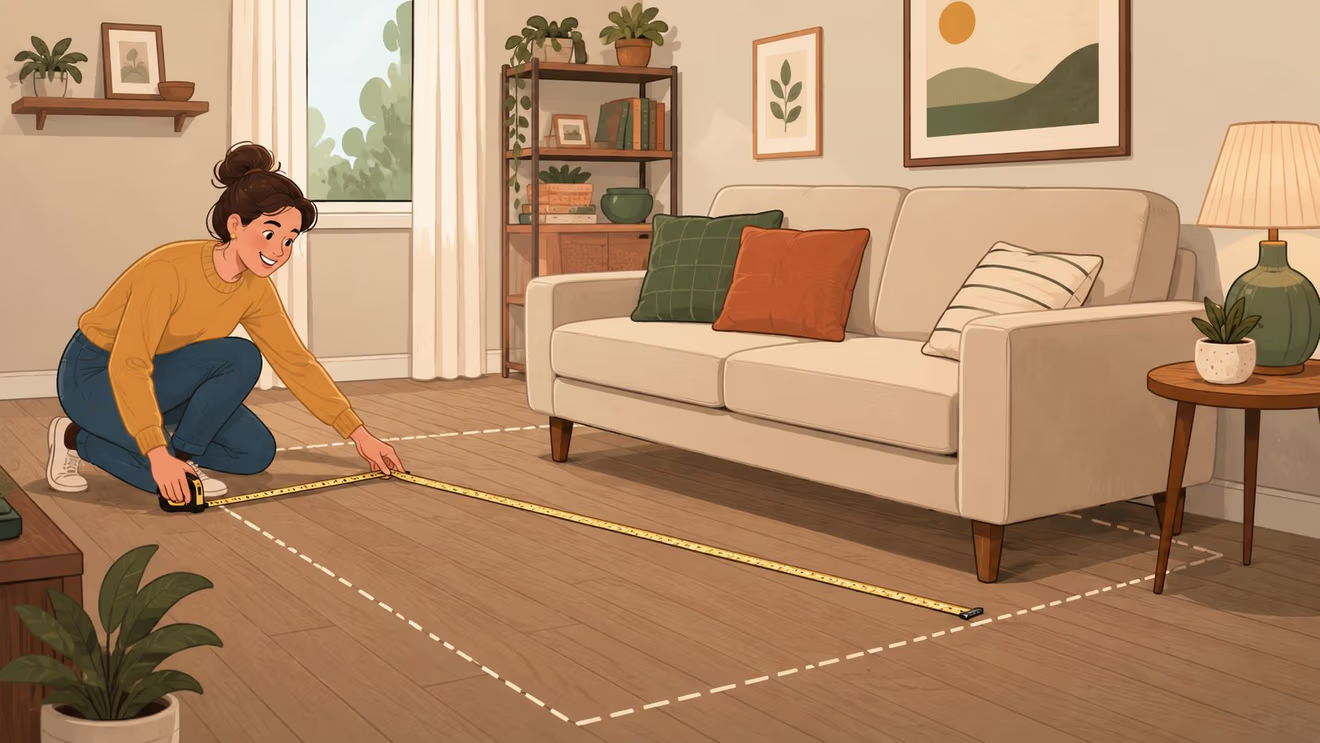
A tape measure settles this question faster than any guess. Most sizing mistakes happen because people shop by eye, then hope the rug will somehow make sense once it's in the room.
Why the small rug mistake happens
Smaller rugs can seem easier to place, but they often create the exact problem homeowners are trying to avoid. When the rug is too short or too narrow for the seating area, the furniture looks disconnected. The room can feel tighter because the eye reads separate pieces instead of one complete zone.
For living rooms measuring 11 feet by 13 feet or less, a 6 feet by 9 feet rug is the recommended size, and that rug should be longer than the width of the sofa for better balance, as noted in this guidance on living room rug sizing. That rule helps prevent the choppy look that happens when the sofa visually overpowers the rug.
A helpful next step is comparing common layouts with a simple sizing guide like this overview of area rug sizes for different rooms.
The placement rules that work
The easiest rule to follow is the front legs on rule. That means the front legs of the sofa and chairs sit on the rug, while the rest of the piece can stay off. It gives the room structure without requiring wall-to-wall coverage.
A second rule matters just as much. Leave visible floor around the rug so the room can breathe.
| Placement choice | What it does in a small room |
|---|---|
| Front legs on the rug | Connects the seating area |
| Rug wider than the sofa | Makes the arrangement feel balanced |
| Open floor around the perimeter | Keeps the room from feeling boxed in |
According to this advice on choosing an area rug, a living room rug should leave 6 to 18 inches of exposed floor around the edges, with 8 inches often recommended in smaller spaces. The same guidance also supports the front legs on placement as the standard way to anchor larger seating pieces.
Practical rule: If the rug only touches the coffee table and misses the seating, it's too small for the job.
This is one of those decisions that changes everything. The right size doesn't just fill floor space. It makes the room feel calmer, wider, and more finished.
Choosing a Rug to Visually Expand Your Space
Once the size is handled, the room starts responding to color and texture. Many small living rooms then either open up or start feeling heavy.
Light color does more than decorate
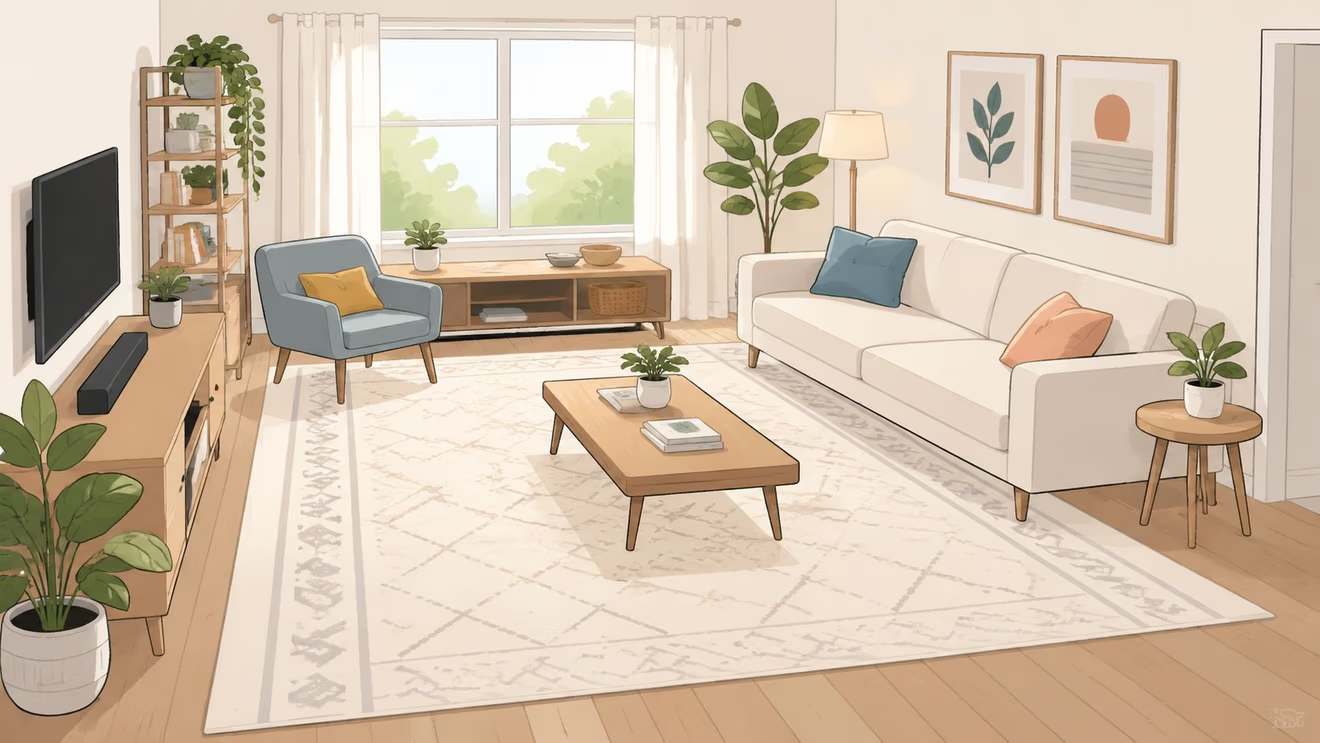
A rug with a lighter background usually helps the room feel more open. Cream, soft gray, sand, muted blue, and gentle taupe tend to bounce light around instead of visually weighing the room down. That doesn't mean a small room has to be bland. It means the rug should support the room's scale.
Pattern can help too, but only when it stays disciplined. Simple geometrics, understated borders, and softer contrast usually work better than busy, high-contrast prints that cut the room into smaller visual pieces.
For homeowners trying to make a compact room feel more open overall, this guide on how to make a small room feel big pairs well with rug planning because it shows how floor coverings, furniture scale, and light all work together.
Texture and layering without the heavy look
Pile height often gets ignored, but it changes the room quickly. Flatweaves and low-pile rugs are ideal for small rooms because they reduce allergen trapping, ease cleaning, and avoid visual bulk, according to Jaipur Living's small-space rug advice. That same source notes a 2025 interior design trend report found that 68% of urban apartment dwellers use layered rugs for texture.
That layered look can work beautifully in a small living room when it's handled lightly. A neutral flatweave underlayer with a smaller patterned low-pile rug on top adds interest without making the room feel overstuffed.
A smart way to think about style choices is this:
- Choose light backgrounds when the room needs to feel wider.
- Use low-pile construction when furniture already fills most of the space.
- Layer carefully if the room needs warmth and personality without extra bulk.
Thick, fluffy rugs can feel cozy underfoot, but in a compact room they often look heavier than they feel.
The best visual result usually comes from restraint. A rug doesn't need to shout to make the room memorable.
Picking a Rug Material That Lasts
Style gets attention first, but material determines how the rug lives day to day. A living room rug handles foot traffic, shifting furniture, snacks, pets, and regular cleaning. In a smaller room, that wear shows up faster because the same pathways get used over and over.
Match the rug to the room's real life
Some households need softness first. Others need easy cleanup. The right material depends less on what sounds luxurious and more on what the room goes through each week.
A practical breakdown looks like this:
- Wool: Often chosen for comfort, resilience, and a more substantial feel.
- Synthetic fibers: Often a smart fit for busy households that want easier maintenance.
- Flatwoven constructions: Helpful in rooms where lower profile and easier movement matter most.
The trade-off is straightforward. Softer, more natural-feeling rugs may ask for more care. Easier-clean materials may feel more casual. Neither choice is wrong if it fits the household.
Why craftsmanship still matters
Material is only part of durability. Construction matters too. Edges, backing, density, and the overall finish affect how long a rug keeps its shape and appearance.
That same quality-first mindset shows up in the wider home furnishing world. BILTRITE is known for specializing in USA-made and Amish-made furniture, with in-store symbols that identify locally crafted, solid wood pieces built to support American jobs and craftsmanship. That attention to build quality is one reason many shoppers also care about long-term value in textiles and upholstery. The same thinking appears in practical guidance around performance fabrics and everyday durability.
A rug should fit the household, not just the color palette. If the room gets heavy use, durability and maintenance should win the tie every time.
Arranging Furniture Around Your New Rug
A rug can be the right size and still look wrong if the furniture placement fights it. In a small living room, arrangement matters just as much as rug selection because every piece is visible at once.
Build one connected seating zone
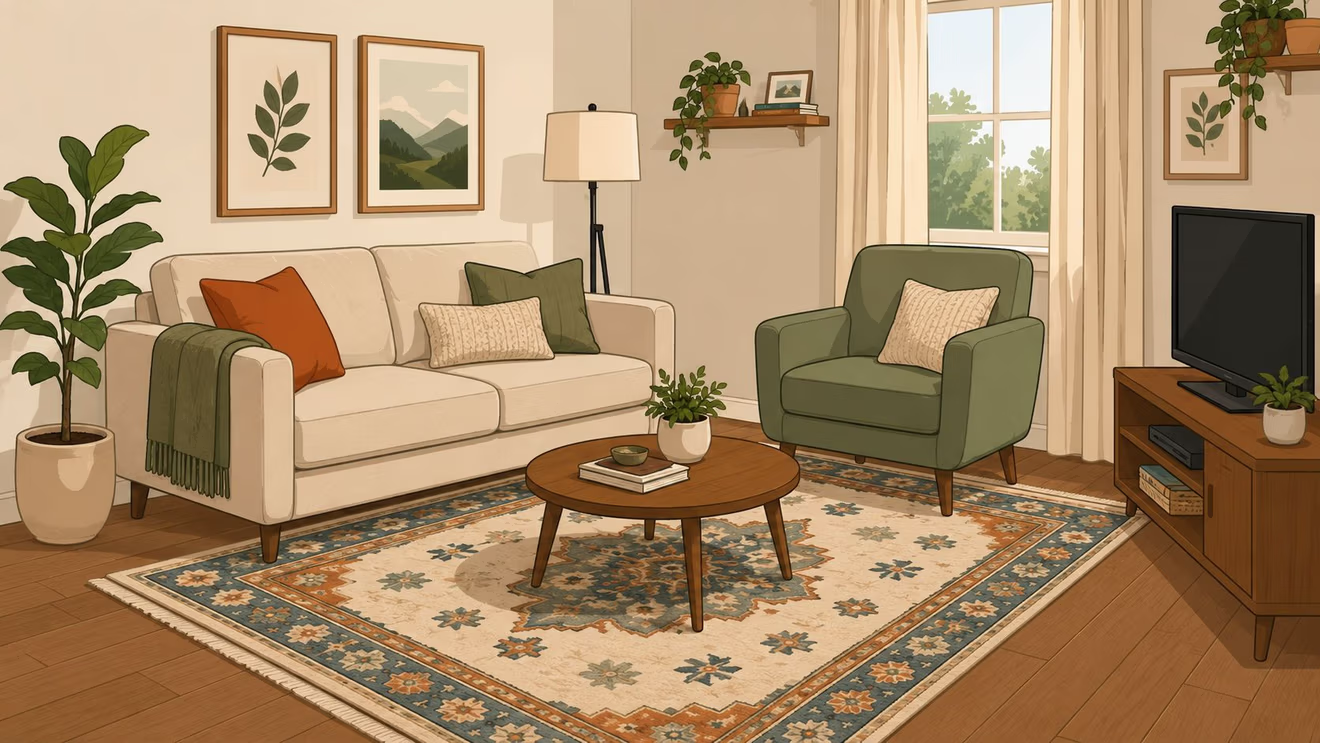
The strongest layout usually creates one clear conversation area. The sofa faces in. Chairs angle toward it. The rug sits underneath enough of each piece to show they belong together. That's why the front-leg placement covered earlier works so well. It creates connection without demanding an oversized footprint.
A useful visual reference is this guide on how to place an area rug in a living room, especially for homeowners trying to solve tight layouts with standard furniture pieces.
When every seat touches the rug in some way, the room feels planned. When none of them do, the room feels temporary.
Use smaller scale pieces wisely
Furniture scale demonstrates its value. BILTRITE describes its small scale furniture as designed for apartments, condos, smaller homes, and senior living communities, with designs that maximize comfort and functionality, as shown on its small scale furniture page. That kind of proportional thinking makes a major difference in compact Milwaukee homes.
Here are three layout habits that usually work well:
- Keep the sofa as the anchor. Let it set the rug position, then place chairs in relation to that.
- Avoid crowding every edge. A little negative space around the seating group keeps the room relaxed.
- Choose pieces that fit the pathways. Narrower arms, trimmer frames, and flexible pieces often make the rug look larger because they leave more visible surface.
For older homes, condos, and upper flats, practical delivery matters too. Come-apart seating can solve the very real challenge of getting larger upholstered furniture through tight stairwells or narrow doorways. Good design always has a practical side.
Come Say Hi and Find Your Ideal Rug
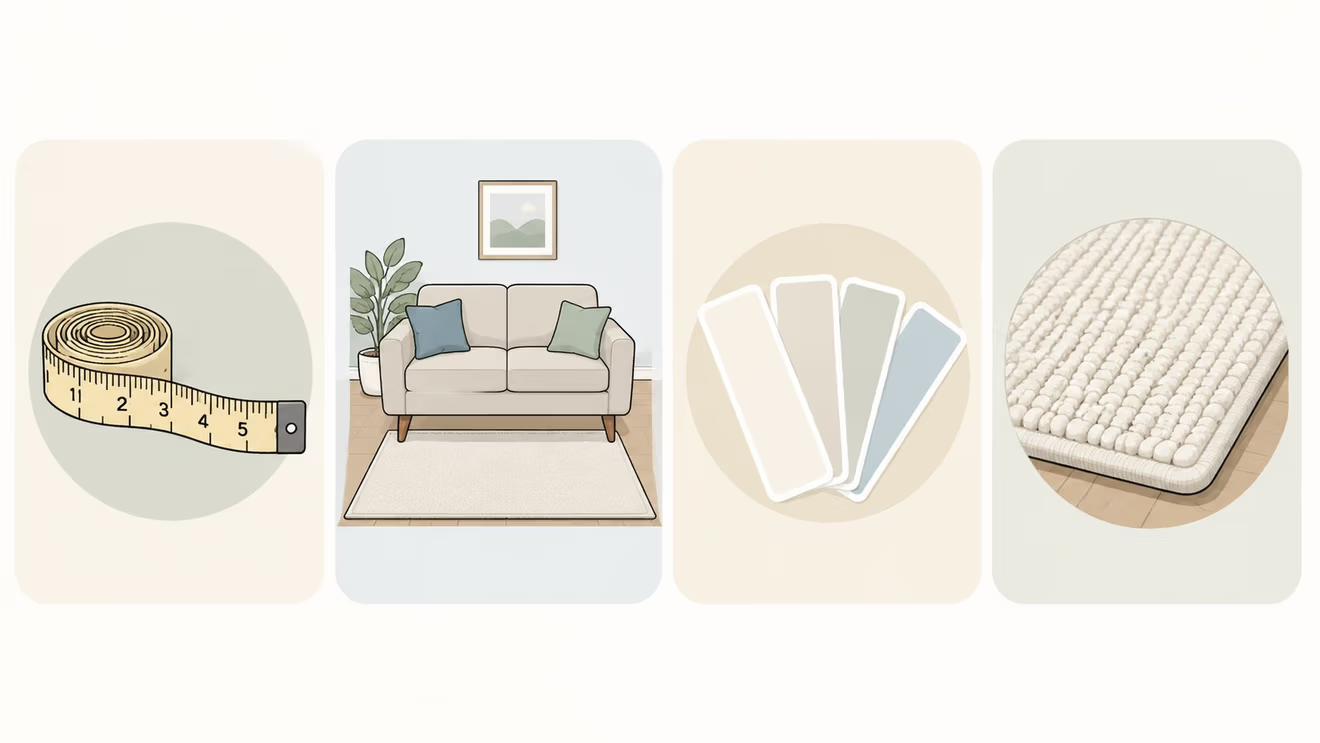
You can measure a room perfectly and still end up with the wrong rug if the color reads colder in person, the pattern feels too busy, or the pile is thicker than you expected. I see that all the time in smaller Milwaukee apartments, condos, and older homes where every choice shows.
What to bring before visiting
A few basics make the visit much more productive:
- Room measurements: Bring the overall room size and the seating area dimensions.
- Sofa width: That quickly rules out rugs that will look too small.
- A few photos: Daylight photos help more than dim evening shots.
- Fabric, flooring, or paint references: Even a phone photo can help narrow down color and pattern.
Why seeing rugs in person helps
Small rooms are less forgiving. A rug that looks soft beige online can show up gray in your condo. A bold pattern can take over a tight seating area. A high pile can feel great underfoot but make a compact room look heavier than you want.
Seeing rugs in person helps you judge those trade-offs with real confidence. You can compare tones against your sofa, check texture with your own hands, and decide whether a pattern adds interest or starts crowding the room.
That matters here in Milwaukee, where many homes have tighter footprints, tricky natural light, and rooms that need furniture scaled to fit. It also helps to shop where the staff understands practical concerns, like fitting pieces into upper flats, condos, and narrower entries.
If you want to visit, our Greenfield showroom location details make it easy to plan the trip.
A small living room rarely needs anything flashy. It needs a rug that fits the room, works with the furniture you own, and feels right once you see it in person. That is usually the difference between a rug that merely fills space and one that makes the whole room feel settled.