Your Guide to American Made Mattress Brands You Can Trust


Mattress shopping usually starts the same way. A family wakes up stiff for the third morning in a row, decides it's finally time, and then gets buried in a mess of labels, comfort claims, and sales language that all starts sounding the same.
That confusion gets even worse when “American made” enters the picture. Some mattresses are made here. Some are assembled here. Some use the phrase loosely enough that shoppers walk away thinking they bought one thing when they really bought another. That's frustrating, and frankly, it's why so many people put off replacing a bed longer than they should.
Since 1928, BILTRITE has helped Metro Milwaukee families cut through that kind of noise. As a fourth-generation family-owned business, the store has seen every mattress trend come and go. The goal isn't to make mattress shopping dramatic. It's to make it understandable, comfortable, and worth the trip to Greenfield.
Table of Contents
- Feeling Lost in a Sea of Mattresses Let Us Help
- What American Made Really Means for Your Mattress
- The Feel Good Benefits of a USA Made Mattress
- How to Be a Mattress Detective and Verify Claims
- Finding Your Match Beyond the USA Label
- Your BILTRITE Buying Checklist for a Great Night Sleep
- Common Questions and Your Next Step
Feeling Lost in a Sea of Mattresses Let Us Help
A lot of mattress shoppers walk into a store already tired. Not just sleepy. Tired of comparing foam to hybrid, plush to firm, “cooling” to “supportive,” and “Made in USA” to whatever a marketing team decided that phrase should mean.
That's the core problem. The mattress itself is only half the battle. The other half is figuring out which claims are meaningful and which ones are just decoration.
A couple might start with one simple goal, sleep better without waking each other up, and end up staring at ten beds that all promise comfort. A parent shopping for a teenager might want something durable and supportive, then get handed a pitch full of vague buzzwords. None of that helps.
A mattress purchase gets easier fast when shoppers stop chasing slogans and start checking construction, labels, and who's standing behind the bed.
That's where an experienced local store makes a difference. A family business that's been serving Metro Milwaukee since 1928 has heard the same questions for generations, and most of them are good questions. What's this mattress made of? Where was it built? Why does one bed feel supportive for five minutes but not for a full night?
For shoppers who want a helpful starting point before they visit a showroom, BILTRITE offers a practical guide on how to shop for a mattress without getting overwhelmed.
Why local guidance still matters
There's a reason people still want to lie down on a mattress before choosing one. Comfort is personal. Support is personal. And when a label says “American made,” that claim deserves a closer look from someone willing to answer real questions.
Families don't need pressure. They need a guide who can translate mattress language into plain English and help them sort what matters from what doesn't. That's the kind of help that turns a confusing shopping trip into a smart decision.
What American Made Really Means for Your Mattress

A shopper walks into a mattress store, sees a big “Made in USA” sign, and assumes the question is settled. It isn't. On a mattress, that claim has to mean something specific.
Under FTC guidance, a product advertised as Made in USA must be all or virtually all made here. That is a much tighter standard than assembled in USA. For your family, that difference matters because a mattress is not one piece. It is a stack of parts that have to work together night after night, including foam, coils, fabric, stitching, and edge support.
A plain example helps. A true Made in USA mattress is built here in the full sense of the claim, not just finished here. An assembled in USA mattress may use major imported parts and put them together domestically. Stores should be able to explain that in plain English without dancing around it.
That matters in real life, not just on a label.
If a manufacturer controls more of the build process close to home, it is easier to keep the feel consistent from one mattress to the next. It is also easier for a local store to get straight answers when a customer asks where the bed was built, what is inside it, and who stands behind it if there is a problem later.
Here is what to check when a brand says “American made”:
- The exact claim: Is it “Made in USA” or “Assembled in USA”?
- The factory location: A real U.S. manufacturing location should not be a mystery.
- The law tag: This often gives useful clues about origin and materials.
- The build details: Foam type, coil unit, cover, and quilting should be explained clearly.
- The answers you get in store: Honest brands and honest retailers do not get slippery when you ask basic questions.
That last point is a big one. In a local showroom, you can press for specifics face to face. You can ask to see the law tag. You can ask where the mattress was built and whether the components are domestic. That is a lot harder to verify from a pretty product page online.
Families who already care about buying well-made pieces for the rest of the home usually appreciate that same transparency in the bedroom. BILTRITE shares more of that local, craftsmanship-first perspective in its guide to American made furniture companies and why domestic craftsmanship matters.
A good “Made in USA” claim should hold up under simple questions. If it doesn't, keep looking.
The Feel Good Benefits of a USA Made Mattress
You bring a mattress into your home and your kids jump on it before the plastic is even off. That bed is going to hold your family up for years. You should feel good about where it came from, how it was built, and whether the people selling it can look you in the eye and answer simple questions.
That peace of mind is a real benefit.
A USA-made mattress often feels like a smarter, more grounded purchase because the story behind it is usually easier to follow. You are not just buying fabric, foam, and coils. You are choosing a product made under rules you can understand, from a manufacturer a local store can talk to, with a clearer path if something goes wrong later.
That matters to families. It matters to stores like BILTRITE too.
Supporting local feels personal
For plenty of Milwaukee-area shoppers, buying American-made lines up with how they already furnish the rest of the house. They want products made with care. They want to support skilled work closer to home. They want their dollars to stay connected to real jobs, real factories, and real communities instead of disappearing into a supply chain no one can explain clearly.
That is part of the appeal. The purchase feels more intentional.
It also changes the shopping experience. In a local showroom, an American-made mattress often comes with a better conversation. You can ask who built it. You can ask why it feels the way it does. You can get practical answers from people who know the product instead of vague marketing copy on a screen.
If you care about that same craftsmanship-first approach across the bedroom, BILTRITE shares more about why American-made bedroom furniture is worth considering.
Better peace of mind at home
There is a practical side to this too. Mattresses sold in the United States must meet federal flammability requirements under 16 CFR Part 1633. For a family buying a bed they will use every night, that kind of baseline accountability matters.
So does honesty.
A legitimate USA-made mattress claim usually gives shoppers more confidence in what they are bringing home because the brand and the retailer should be able to explain the build, the origin, and the warranty support in plain English. That does not guarantee every domestic mattress is great. Some are excellent. Some are average. But a truthful American-made claim gives you a stronger starting point for asking the right questions and judging quality for yourself.
And that is the feel-good benefit. You sleep on the mattress, but you also sleep with the decision. Choosing one that reflects your values, supports domestic craftsmanship, and comes with answers you can verify in person feels better in a family home.
How to Be a Mattress Detective and Verify Claims
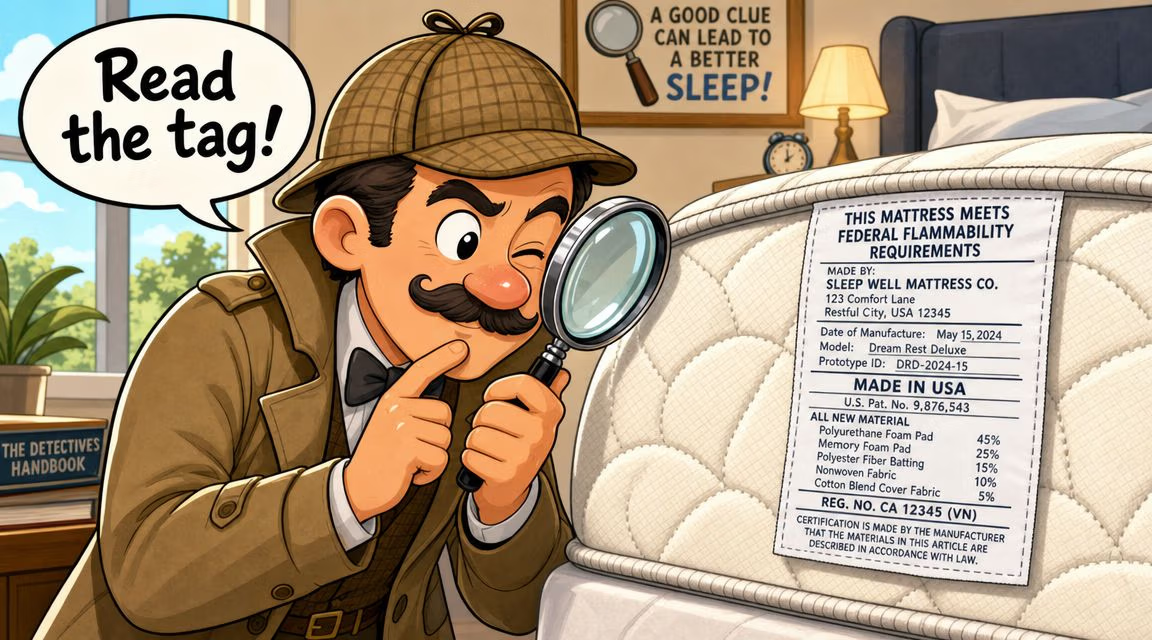
You are standing in a showroom, one mattress feels right, and the sign says “Made in USA.” Good. Now verify it before you trust it.
That is how smart mattress shopping works in a local store. You do not need industry jargon. You need a tag, a few plain questions, and a salesperson who can answer without dancing around the details.
Start with the tag and the store conversation
The law tag is the fastest place to begin. It will not tell you everything, but it should tell you enough to spot whether a claim has substance behind it.
Check these first:
- Read the law tag carefully. Look for the manufacturer's name, material listing, and any clear manufacturing information.
- Ask who built the mattress. A good store should be able to name the factory or brand without hesitation.
- Ask whether it is made in the USA or assembled in the USA. Those phrases mean different things.
- Ask where the main parts come from. Coils, foam, fabric, and covers may not all come from the same place.
Do this while the mattress feel is still fresh in your mind. Lie down, pay attention to comfort and support, then match that experience to what is inside the bed. BILTRITE breaks down how to test a mattress in the showroom before you buy.
Ask better questions and expect straight answers
The big point is simple. Assembly origin and component origin are not the same thing.
A mattress can be built in the United States and still use some imported parts. That does not automatically make it bad. It does mean the claim needs context, especially if supporting American manufacturing matters to your family.
Here are the questions that separate real answers from sales fluff:
| What to ask | Why it matters |
|---|---|
| Is this made in the USA or assembled here? | It clarifies what the claim actually means |
| Where do the main components come from? | It shows how much of the mattress is sourced domestically |
| Is it fiberglass-free? | It addresses a concern many families now ask about |
| What certifications does it carry? | It helps you check material and emissions standards |
Certifications can help, too. Common ones shoppers ask about include CertiPUR-US® for certain foams and GREENGUARD for low chemical emissions. Those labels do not replace a clear origin story, but they do give you another way to check whether a brand is being transparent.
If a mattress comes with a strong American-made claim, the explanation should be just as strong.
This is where a real local store earns its keep. In a place like BILTRITE, you can read the tag, ask who made the bed, ask what is inside it, and get an answer from someone standing right there with you. That beats guessing from a product page every time.
Honest retail should feel plain and comfortable. The store should show you the tag, explain the materials, and tell you what they know in plain English. That is how you avoid paying for a story and come home with a mattress your family can trust.
Finding Your Match Beyond the USA Label
A family can do all the homework on American-made claims and still end up with the wrong bed. It happens every day. The label tells you where a mattress was made. It does not tell you whether your shoulders will ache, whether your lower back will stay supported, or whether the bed will still feel good a few years from now.
Start with how you sleep. Then match that to the construction.
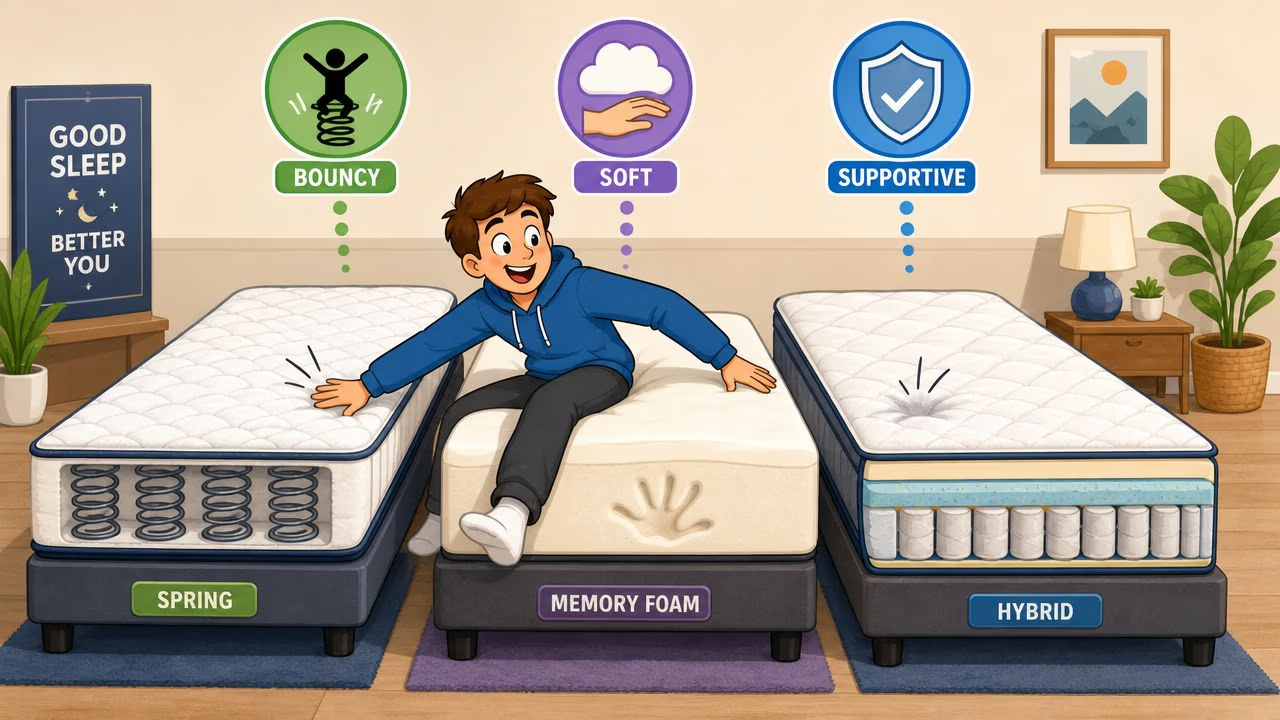
Three common mattress builds and who they suit
Most shoppers land in one of three camps. The trick is being honest about what your body likes, not what the marketing copy says you should like.
| Type | What it usually feels like | Good fit for |
|---|---|---|
| Innerspring | More traditional, buoyant, easier to move on | People who like a familiar feel and stronger pushback |
| Foam | More contouring and pressure relief | Sleepers who like a closer, cushioned surface feel |
| Hybrid | A mix of contouring comfort and coil support | Families who want balance rather than an extreme feel |
Innerspring still has a loyal following for good reason. It feels supportive, breathable, and easy to move on. Foam appeals to sleepers who want pressure relief around the hips and shoulders. Hybrid models sit in the middle and work well for many couples because they blend surface comfort with steadier support underneath.
That is hard to judge from a product page. A mattress can sound perfect online and feel wrong within two minutes in a showroom. If you are weighing store shopping against web shopping, BILTRITE breaks down the pros and cons in this guide on whether buying a mattress online is the right move.
Why flip-able mattresses deserve more attention
Here is the straight answer from people who have watched mattresses in real homes for decades. Two-sided mattresses deserve a serious look.
They wear more evenly because the sleep surface is not taking all the pressure in one direction year after year. For households that want better long-term value, that matters. A well-built one-sided mattress can still be a good choice, but a flip-able design gives you another tool to manage wear and keep comfort more consistent.
That old-school construction never stopped being practical.
A mattress you can rotate and flip gives your family more control over comfort and longevity.
A few details deserve extra attention while you test models in person:
- Support core: Ask what sits under the comfort layers and how it supports body weight.
- Comfort materials: Look for clear information about the foam, fiber, latex, or upholstery inside.
- Edge support: Sit and lie near the perimeter. It should feel stable, not collapsed.
- Surface feel: Notice whether you feel stuck, lifted, cushioned, or firmly supported.
- Rotation or flip design: Beds built for more even wear often hold their feel longer.
A local family business gives you an edge over online guesswork. In a showroom like BILTRITE Furniture-Leather-Mattresses, you can lie on an innerspring, then a foam model, then a hybrid, and feel the difference right away. You can also compare flip-able and two-sided options side by side and ask plain questions until the answer makes sense.
That is how smart mattress shopping should work. Use the USA label as one part of the decision, then choose the build that fits your body and your home.
Your BILTRITE Buying Checklist for a Great Night Sleep
A mattress showroom visit doesn't need to feel awkward or rushed. It should feel useful. The right store setup lets shoppers slow down, ask direct questions, and compare support instead of guessing from ads.
Many local families find relief. They can stop researching in circles and start testing what feels right.
What a smart showroom visit looks like
A practical checklist helps:
- Start with your current problem: Is the issue pressure, motion, back support, sleeping hot, or all of the above?
- Wear comfortable clothes: It's easier to test mattresses accurately when shoppers can relax.
- Lie down long enough to notice support: A quick sit on the edge doesn't tell the whole story.
- Ask to see the tag and specs: A strong mattress should come with clear information.
- Compare more than one feel: Even shoppers who “know” they want plush or firm often change their mind after trying a few.
At BILTRITE, that process happens in a large mattress department with over 60 models available to test and a team with over 400 years of combined experience, according to the company information provided in the publisher brief.
Why in person still wins for mattresses
The biggest advantage of visiting the showroom is simple. Real people can answer follow-up questions in real time. They can point out a two-sided construction, show where the support differs from one bed to another, and help shoppers narrow the field without turning it into a sales performance.
A good local showroom visit also helps families judge value more clearly. Better-quality mattresses aren't always the cheapest on the floor, but they're often the ones that make more sense after a shopper sees the build, tests the feel, and understands what they're paying for.
The mattress that looks similar from ten feet away may feel completely different after ten minutes.
That's why this step matters. A family spends a lot of time in bed. It's worth touching, testing, and verifying before making the call.
Common Questions and Your Next Step
A family walks into a mattress store after weeks of scrolling online, and the same questions hit fast. What does “Made in USA” mean? Is it worth paying more? How do you know you're not just buying a nice story on a law tag?
Here are the straight answers.
Quick answers shoppers ask all the time
Is “Made in USA” the same as “assembled in USA”?
No. They are different claims, and the difference matters. Ask the store which claim applies to the mattress you're considering, then ask what parts are sourced here and what parts are not. A good retailer should answer that clearly, without dancing around it.
Are American-made mattresses more expensive?
Usually, yes. They often cost more than imported options, but price alone misses the point. What matters is whether the mattress is built well, fits your body, and holds up for the long haul. A cheaper bed that quits on you early is no bargain.
Are they regulated for safety?
Yes. Mattresses sold in the United States must meet federal flammability rules. That baseline matters, but it should not be your only checkpoint. Safety compliance is expected. Comfort, support, durability, and honest labeling are what separate a mattress you tolerate from one you sleep well on.
What should matter most after the label?
Construction and fit. The flag on the tag does not tell you whether the mattress keeps your spine in line, relieves pressure at your shoulders, or sleeps too firm for your side-sleeping habits. The right mattress is the one that matches how your family sleeps.
Is it worth shopping in person?
Yes. This is one purchase where local still wins.
You can ask to see the law tag. You can ask where the mattress was built. You can lie down long enough to feel whether your hips sink too far or your shoulders get jammed up. And if you are shopping at a real family business, you can get honest answers from people who have helped neighbors through this decision for years, not a product page written to sound reassuring.
For Metro Milwaukee families, that next step is simple. Visit the Greenfield showroom, try a few models, and ask direct questions about labels, materials, and construction. BILTRITE has been helping local families since 1928, and that matters. Stores with roots in the community tend to care about getting the match right, because they plan to see you again.
BILTRITE Furniture-Leather-Mattresses helps Metro Milwaukee shoppers compare American-made and other better-quality mattress options in person at its Greenfield showroom. Families can stop in, try different constructions, ask about labels and materials, and get straightforward guidance from an experienced local team. To learn more before visiting, explore BILTRITE Furniture-Leather-Mattresses.