5 Piece Living Room Furniture Set Guide: Milwaukee

Moving into a new Milwaukee home can feel like living out of cardboard boxes while the living room sits there empty, waiting for real life to happen. The couch hasn't arrived, the coffee table is still a question mark, and every chair seems to belong somewhere else. That's usually the moment a 5 piece living room furniture set starts making a lot of sense, because one coordinated purchase can turn a blank room into a place where family, guests, and weekday routines all land naturally.
A good five-piece bundle does more than fill space. It gives the room a starting point, so the big decisions, like layout, scale, and finish, become easier to see in context. For families who want a cohesive look without stitching together mismatched pieces one by one, that's a real relief.
Introduction to 5 Piece Living Room Furniture Sets
A young family moving into a Milwaukee home often has the same first-night realization. The boxes are stacked, the TV is up, and the room still doesn't feel settled because there's nowhere for anyone to sit together. A 5 piece living room furniture set can solve that early-stage scramble by giving the room a shared look and a clear purpose from day one.
That matters because living rooms do a lot of jobs at once. They hold movie nights, homework, visiting relatives, and the kind of everyday sitting that never shows up in showroom photos. When the main pieces are chosen as a group, the room usually feels calmer, because the scale, shape, and finish are already speaking the same language.
For many households, that kind of coordination saves shopping time too. Instead of trying to match a sofa to a table to a stand, the buyer starts with one finished idea and then checks whether it fits the room and the way the family lives. That's where the value lives, not just in the count of pieces, but in how those pieces work together.
Core Components of a 5 Piece Living Room Furniture Set
A 5 piece living room furniture set usually gives a room its basic working shape. The common mix is a sofa, coffee table, two end tables, and a TV stand, which helps a shopper see how the room will function as a whole instead of treating each item like a separate decision. That matters in a family home, where one piece might hold snacks, another might hold a lamp, and the sofa has to carry the daily sitting that happens before and after dinner.
The tradeoff is simple. More pieces can bring better coordination, but they also ask more of the room in terms of space, traffic flow, and storage. A set that looks complete on a showroom floor may still feel tight at home if the layout does not leave room for walking, opening doors, or setting down a drink without shifting furniture around.
A buyer also needs to watch the meaning of the count. One store may describe a five-piece set one way, while another may group the furniture differently, so the label alone is not enough. The better habit is to check the exact contents, then decide whether the pieces work for the way the room is used.
What to verify before delivery
Before anything gets ordered, each piece should be matched to a real spot in the room. A sofa that fits the wall but crowds the walkway, or a TV stand that dominates a smaller room, can make the set feel awkward even when the style is right. That is why a careful look at footprint, not just appearance, gives a more honest answer.
Practical rule: the count matters less than the footprint. If the room cannot hold the layout, the set will never feel well arranged for long.
This is also where in-store shopping helps in a way online browsing cannot always match. In a family-owned showroom, you can stand beside the sofa, sit in the chair, and judge the scale against your own height and comfort needs instead of guessing from a screen. A good sales floor visit lets you notice the details that matter over time, and a careful look at what to look for in a new sofa or chair helps you judge support, frame feel, and comfort before the furniture ever reaches your home.
Planning Your Layout and Measuring Your Space
A set can look right in the showroom and still crowd a real living room once it reaches the house. The first job is to measure the room you live in, then compare those numbers with the full footprint of the five-piece set, including walkways, door swings, and the space people need to live comfortably. Because five-piece sets can be grouped differently from store to store, the label alone never gives the full picture.
Measure the room like a mover, not like a decorator
Start with the longest wall, the doorway, and the route into the room. Then mark where people need to pass, where cabinet doors open, and where a drink or book will be set down without bumping into anything. Taping the furniture shape on the floor gives a clearer answer than judging by eye from the doorway.
That same habit helps on delivery day. If a sofa is too wide for a hall or a table base is too bulky for a landing, the problem shows up before the truck is already at the curb. A room should leave enough breathing room for daily movement, not just enough space to squeeze in every piece.
A simple check keeps the planning honest.
- Door widths first: Measure the narrowest opening before anything else, because that is often the point that decides what can enter the room.
- Hallway turns next: A straight hallway is one thing, but a tight corner can change what will fit once the piece is tilted or carried in.
- Focal point last: Decide where the eye goes first, then place the largest piece to support that view instead of blocking it.
Measure the path the furniture takes, not just the room where it lands.
Families who shop in person often find this easier because they can judge scale with their own eyes instead of guessing from a screen. For a practical way to turn measurements into a floor plan, these living room arrangement ideas can help connect the numbers to a layout that works in daily use.
Choosing Materials and Styles for Your Furniture Set
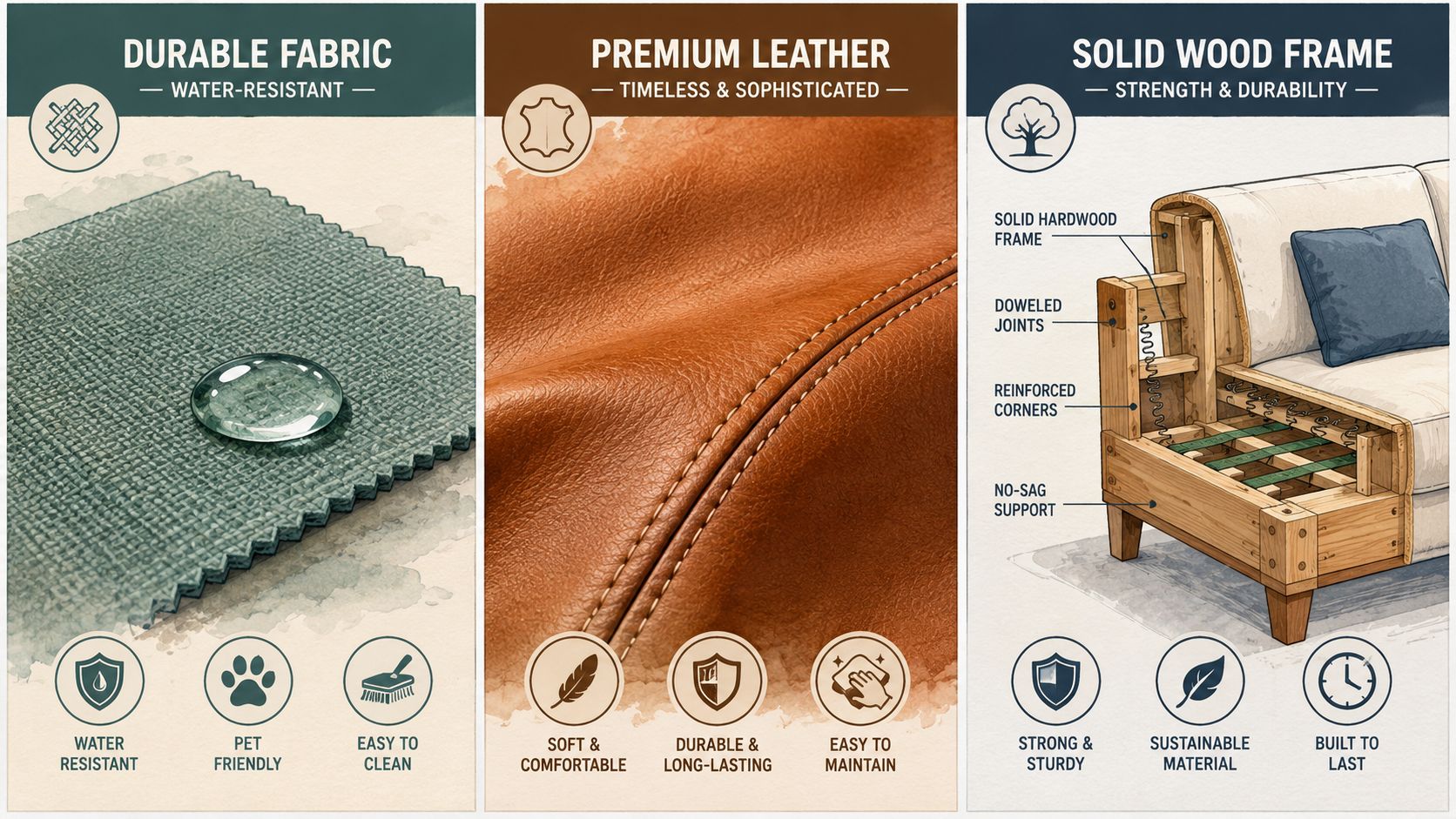
Material choice changes how a room feels the moment someone sits down. Fabric tends to read soft and welcoming, leather brings a cleaner visual line, and real wood grounds the room with structure and warmth. For a family trying to balance comfort, upkeep, and style, those differences matter more than a matching color name on a tag.
Fabric, leather, and wood each solve a different problem
Fabric upholstery often feels easier for relaxed family living because it brings a softer hand and a wide range of textures. Leather can be a smart fit for homes that want a cleaner look and a wipeable surface, especially in a room that sees regular traffic. Real wood, especially in tables and stands, adds weight and visual steadiness that can make the whole set feel more settled.
For shoppers who care about origin and craftsmanship, USA-made and Amish-made furniture are worth looking for in person. BILTRITE Furniture-Leather-Mattresses, for example, carries furniture with those kinds of labels in its Greenfield showroom, along with solid wood options that let buyers check the material before deciding. Since the store doesn't sell online, the showroom visit becomes the moment when finish, feel, and construction can all be examined side by side.
A finish can look rich in a photo and feel completely different under natural light. In the showroom, that difference is obvious fast.
The best choice also depends on daily habits. Homes with kids, pets, or frequent guests may lean toward materials that are easier to maintain, while design-focused rooms may put more weight on texture and visual tone. For a broader look at upholstery choices and how they behave over time, this upholstery materials guide gives useful background.
A family doesn't need the fanciest finish to make a room feel finished. It needs the material that fits the room's actual life, not just its mood board.
Exploring Custom and Small Scale Options
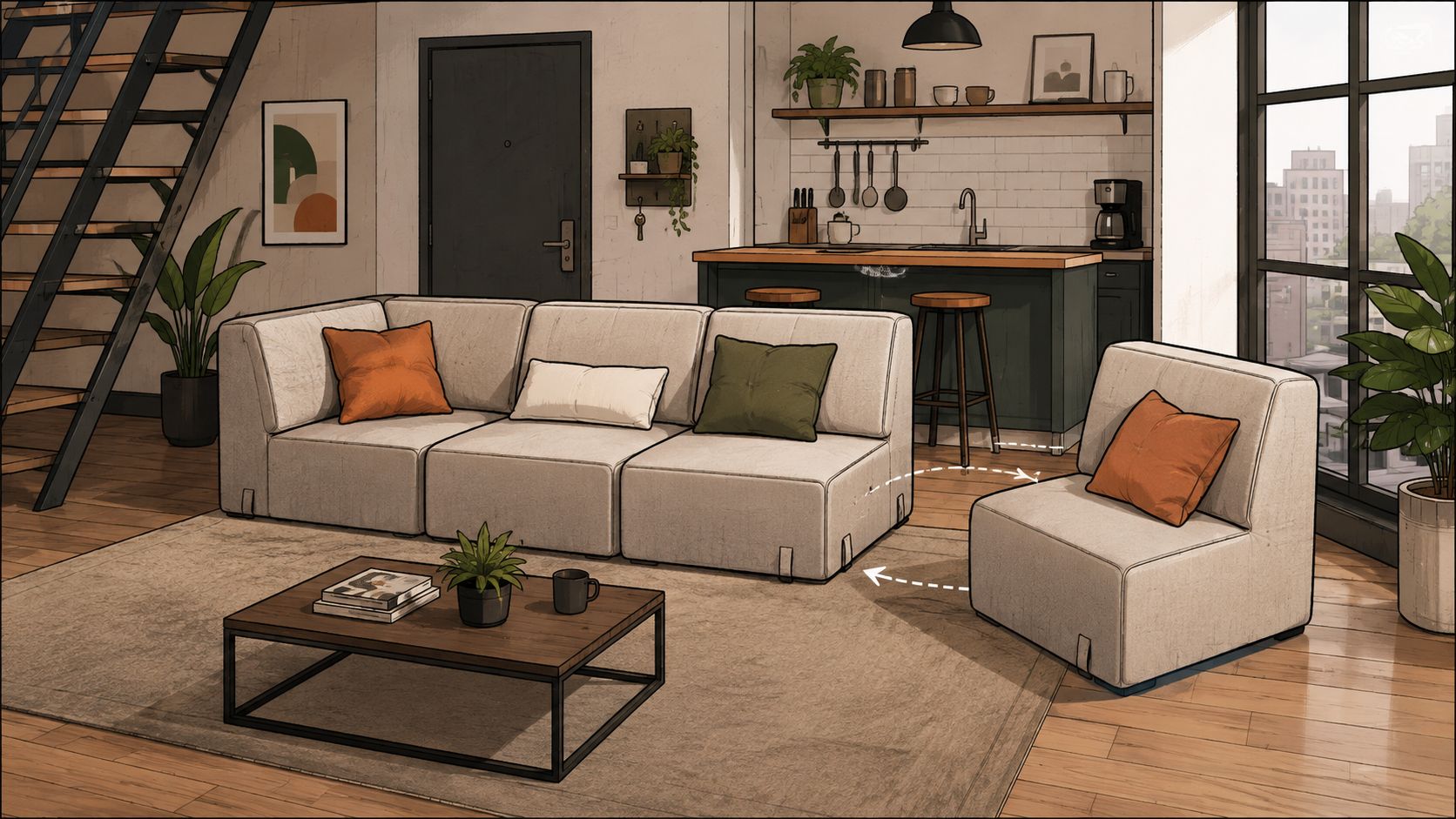
A rigid bundle is not always the smartest answer. In a loft apartment, a senior living space, or a room with awkward corners, the key is to fit the seating, storage, and open space to the room without making it feel crowded. That is where piece count starts to matter in a different way. Five pieces can sound complete on paper, but the right mix for a family room often comes down to fit, not just count.
Why smaller or mixed pieces can win
Retail bundles usually aim for a coordinated look, but that neat match can come with tradeoffs. Mixing individual pieces can give you better durability, easier replacement, and more layout flexibility than a fixed set built around the same template. For shoppers comparing set options, Wayfair's living room set category shows how often bundles are sold as a package first and a room solution second.
That matters most in homes where every square foot has a job. A smaller loveseat, a lighter chair, or an ottoman that also works as a table can make walking paths easier while still keeping the room visually tied together. In a lived-in room, that practical comfort often matters more than reaching a fixed piece count.
A custom approach also solves the “almost right” problem. Maybe the room needs a sectional with a shorter return. Maybe the tables need a different finish so the room does not feel too heavy. Flexible combinations let the room form around the people using it, not the other way around.
Good fit beats full count. If a piece blocks movement or overwhelms the wall, it is too large for the room, no matter how complete the set looks.
For shoppers who want a made-to-order path, BILTRITE's getting started with custom order process is one way to build around fabric, leather, wood, finish, and hardware choices while keeping the room coordinated. That kind of flexibility helps when the room is small, the doorways are tight, or the family wants the new pieces to match the rest of the house more closely.
Ensuring Durability and Heavy Duty Performance
A room set gets tested every day. Kids flop onto the cushions, guests lean on the arms, and tables get nudged during ordinary living. That is why frame and joint construction deserve more attention than decorative details that only show up from across the room.

What to look for inside the frame
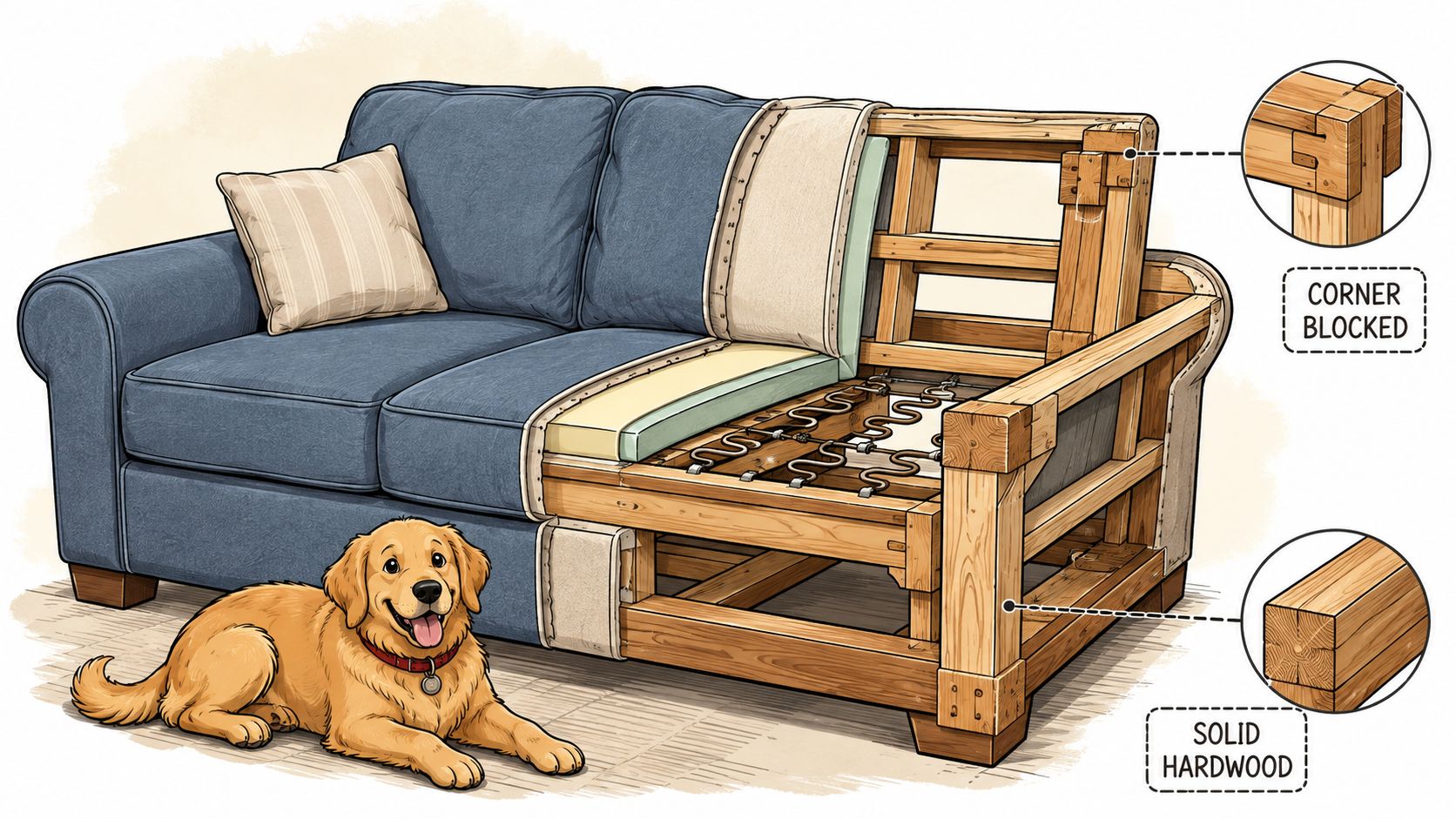
A sturdy frame often starts with solid wood, hardwood, or quality plywood, then adds corner blocking, glued joints, and secure connectors where pieces meet. Those parts work together the way a good house frame does, each connection helping the next one stay square under everyday use.
For example, a modular sectional can use solid wood plus plywood construction, rubberwood legs, and secure inter-piece connectors. Another higher-spec modular sectional can use kiln-dried solid hardwood and plywood with corner-blocked, glued joints and a 350-lb per-seat capacity. A separate product note can also list a 15-minute assembly time and a 10-inch wall-clearance requirement for reclining. The same kind of careful build is the reason shoppers who want to compare structure and support often start with this guide to heavy-duty living room furniture. The point is not just whether the set looks complete, but whether the frame can keep its shape once real life starts using it.
Those details matter because they show how the furniture behaves under load. Hardwood or hardwood-and-plywood frames with corner-blocked joints tend to resist racking better, while secure connectors help keep modular sections aligned after repeated use. In plain language, the piece stays quieter, steadier, and less likely to pull apart where the seams meet.
For families, pet owners, and frequent hosts, that is the heart of the decision. A strong seat rating and a reinforced frame usually tell more about long-term living-room performance than trim details, polished legs, or decorative stitching. If the set feels solid when it is moved, sat on, and reconfigured, that is a good sign it was built for real homes.
The heavy-duty question belongs before the style question. A living room set that can handle everyday use without wobbling or separating saves frustration later, especially in a busy house where the furniture is meant to be lived with, not handled like display art.
Managing Delivery and Easy Assembly
Delivery day can either feel smooth or feel like a puzzle nobody wants to solve. That's why the smartest prep happens before the truck arrives, when the paths are clear and the room is ready for the pieces to move in without nicking walls or blocking exits.
Start by clearing the route from the front door to the living room. Then measure any tight spots again, especially if the home has narrow hallways, stair turns, or older trim that reduces opening space. If the set includes come-apart pieces, that can make a real difference in mature homes where access matters as much as appearance.
A simple delivery checklist helps keep the day calm.
- Clear the path: Move shoes, rugs, side tables, and other obstacles before arrival.
- Check floor protection: Ask how the surfaces will be handled during placement.
- Confirm assembly needs: Know whether the set arrives ready to place or needs setup in the room.
- Plan for old-item removal: If the room is being refreshed, line up removal in advance so the new pieces don't wait around.
Families who shop in-store often like the chance to talk through this in person, because the details are easier to understand when someone can explain what comes apart and what doesn't. That's where a local showroom team with a lot of shared experience can make the process feel less like a gamble and more like a plan.
Budget Tips and Shopping Local in Metro Milwaukee
A five-piece set can make budgeting easier when it solves several needs at once. One coordinated purchase can be simpler than piecing together individual items over several shopping trips, and a set that fits the room well can reduce second-guessing later. For sectional seating guidance, Rooms To Go's five-piece sectional seating guidance notes that these sets can seat five to seven people, which helps explain why they work well for families and frequent hosts.
Local shopping adds another layer of value. A family-owned store in Greenfield can walk buyers through in-stock bundles, custom options, and room-specific advice without turning the process into a pressure job. BILTRITE's showroom approach also makes it easier to compare USA-made, Amish-made, and solid wood pieces in person, which matters when the goal is long-term use instead of a quick visual fix.
Closed on Sundays, the store keeps family time at the center of its rhythm, and many Milwaukee households appreciate that pace. The experience is slower, more personal, and built around seeing the furniture before it enters the home.
Ready to make the room feel like home? Visit BILTRITE Furniture-Leather-Mattresses in Greenfield to explore living room sets, small-scale pieces, and sturdy options for busy families. The showroom team can help match the right pieces to your space, your style, and the way your home really works.