3 DAY MATTRESS SALE! TUESDAY - WEDNESDAY - THURSDAY!
LABOR DAY SALE EXTENDED ENDS SATURDAY, OCTOBER 3RD AT 5PM!
NO CREDIT CARD FEES!
1000's of Items IN-STOCK + 500 Mattresses!
Largest selection of USA Made Furniture & Mattresses + Amish Made!
FREE In-Store Design Services!
BUY LOCAL & LOVE YOUR HOME!
3 DAY MATTRESS SALE! TUESDAY - WEDNESDAY - THURSDAY!
LABOR DAY SALE EXTENDED ENDS SATURDAY, OCTOBER 3RD AT 5PM!
NO CREDIT CARD FEES!
1000's of Items IN-STOCK + 500 Mattresses!
Largest selection of USA Made Furniture & Mattresses + Amish Made!
FREE In-Store Design Services!
BUY LOCAL & LOVE YOUR HOME!
OPEN LABOR DAY | Tuesday-Thursday 10am to 6pm | Friday 10am to 7pm | Saturday 10am to 5pm | Sunday Closed To Be With Family & Friends | Monday Showroom Closed
5430 West Layton Ave, Greenfield - Metro Milwaukee
A standard twin bunk mattress is 38 by 75 inches, and a comforter around 66 by 86 to 68 by 90 inches gives about 8 to 10 inches of overhang on each side. That's the sweet spot for a top bunk, because it tucks in securely without dragging down where it can become a nuisance.
A lot of parents get handed a bunk bed setup and suddenly realize the bedding part is trickier than it looked in the store. The frame is up, the mattress is in, and now the question is simple enough to ask but easy to get wrong, what comforter size works up there?
How to Size Comforters for Bunk Beds
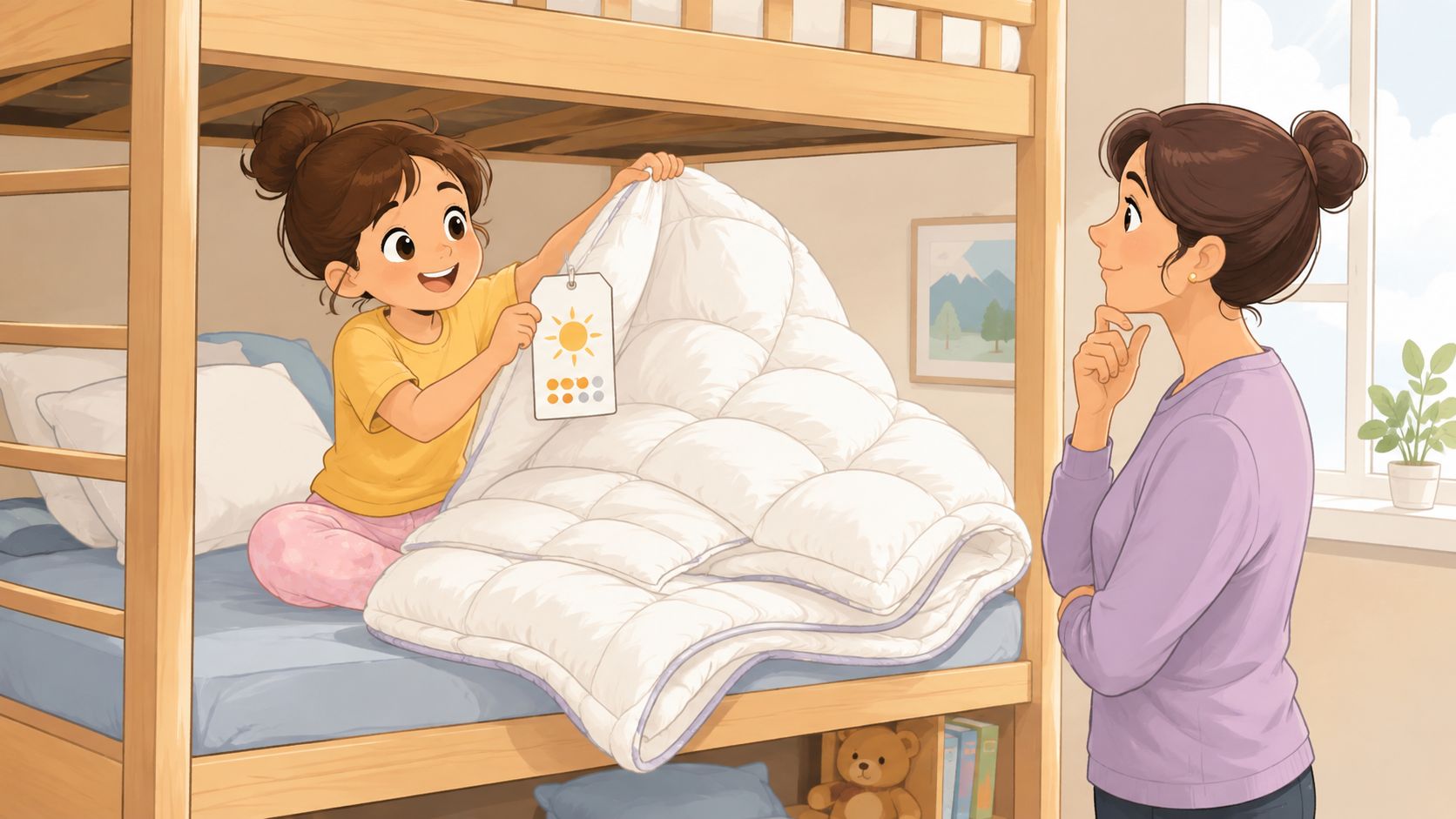
The first sizing mistake families make is reaching for a regular comforter and assuming it'll just “work.” On a bunk bed, fit matters more than on a lower bed, because the upper bunk has less clearance and less forgiveness for extra fabric. The better approach is to size from the mattress outward, not from the comforter inward.
A typical twin bunk mattress is 38 by 75 inches, and many guides point to comforters around 66 by 86 inches to 68 by 90 inches for a controlled drape on top bunks, with about 8 to 10 inches of overhang on each side for secure tucking without floor drag or heavy bunching on the frame. Mattress depth matters too, because bunk mattresses are often shallower, commonly around 6 to 8 inches deep, and that thinner profile changes how the sides hang and how tidy the bed looks. For many families, the best choice is a twin or twin XL comforter, since bunk beds are commonly built around smaller footprints and thinner mattresses than standard beds. These sizing basics line up with guidance that comforters should match the mattress, not overpower it, and that side drop should account for mattress depth as well as width and length. Bunk-bed comforter sizing guidance helps frame that rule, and comforter size charts show why twin and twin XL proportions are usually the right starting point.
Practical rule: if the comforter looks dramatic on the bed, it's probably too much for a top bunk.
A simple way to shop is to measure the mattress first, then check how far the comforter will fall past each side. If the drop will nearly reach the floor, that's too much fabric for an upper bunk. If the comforter covers the mattress neatly and still allows a little tuck, the fit is usually in the right range.
Bunk Bed Comforter Sizing Quick Reference
Mattress Size
Typical Mattress Depth
Recommended Comforter Size
Twin
About 6 to 8 inches
About 66 by 86 inches to 68 by 90 inches
Twin XL
About 6 to 8 inches
About 68 by 90 inches
For a deeper sizing walkthrough, a mattress size chart can help parents compare the mattress footprint before choosing bedding.
Understanding Fill Types and Warmth Levels
Once the size is right, fill type becomes the next big decision. That choice affects how warm the comforter feels, how much bulk it adds to the top bunk, and how easy it is for a child to sleep comfortably through the night. A bunk bed can feel warmer than a regular bed just because the sleep space is more enclosed, so the fill matters more than many shoppers expect.
Lightweight fills for easier everyday use
Cotton and microfiber fills are a smart fit when the goal is lighter warmth and easier handling. They tend to feel less bulky, which makes them friendlier for upper bunks that already have limited space around the rails and ladder. They also make sense in warmer rooms or for kids who sleep hot, since too much loft can turn the top bunk into a stuffy little pocket.
Plush fills for colder bedrooms
Down and down-alternative fills bring a softer, fuller feel that works well in colder months. The tradeoff is bulk, and on a bunk bed that extra loft can make the bed harder to smooth, tuck, and remake. For a child who loves a cozy, tucked-in feel, that may still be worth it, but the decision should be made with the bed's height and available clearance in mind.
A useful way to think about it is warmth without weight. The upper bunk doesn't need the thickest option in the room, it needs the option that keeps a child comfortable without turning bedtime into a wrestling match with the bedding. For more fill comparisons, the comforter types guide is a good place to sort through the common materials before buying.
A lighter comforter can feel just as inviting as a plush one if it stays put and doesn't fight the bed frame.
Families also tend to do better when they match the fill to the room, not to the packaging. A warm upstairs bedroom and a child who kicks off blankets call for a different comforter than a draftier room or a quieter sleeper who likes more insulation.
Top Bunk Safety and Secure Fit
Bunk beds come with a real safety record, so bedding choices should be part of the conversation, not an afterthought. Nationwide Children's Hospital reports 36,000 bunk bed-related injuries every year among children in the United States, and about half of those injuries happen in children younger than 6. The same source says boys are injured more often than girls, and that bunk bed injuries are usually worse than injuries from standard beds, with the head and neck among the most affected areas. Nationwide Children's Hospital bunk bed safety information is a sobering reminder that the top bunk needs more than cute bedding.
Why loose bedding makes the upper bunk harder to use
A comforter that's too long, too bulky, or too loose can add clutter to a space that already has guardrails, ladders, and limited headroom. That doesn't mean children can't have soft bedding, it means the bedding should stay close to the mattress and out of the way of nightly climbing, turning, and making the bed. On a top bunk, tidy bedding is a safety feature as much as a style choice.
Best practice: choose bedding that stays aligned with the mattress edge, not one that hangs low enough to interfere with movement.
Specialty bunk-bedding designs exist for exactly this problem. Fitted, hugger-style, elasticized, and zipper-secured systems are all aimed at keeping bedding in place without making the bed miserable to remake, and that focus matches the practical need families have in real homes. The point isn't to eliminate comforters. The point is to keep the comforter from turning into extra clutter around the rails.
The loft-bed safety and layout guide is worth a look for families trying to balance comfort with a tight sleeping setup. The same thinking applies whether the bed is for a child's room or a shared space where daily use matters.
Laundering and Durability Tips
A bunk bed comforter gets used like everyday furniture, not a display piece. Kids climb up with snacks, books, stuffed animals, and sometimes a mystery spill, so the bedding has to handle repeated washing without falling apart. That's why durability should matter just as much as softness.
Look for care that fits real family life
Machine-washable comforters are the easiest choice for busy households. Parents don't need a special-cleaning project for a top bunk, they need bedding that can be refreshed quickly and put back on the bed without a lot of fuss. Reinforced stitching at the corners and edges is especially helpful because those spots take the most strain when the comforter gets tugged, lifted, and remade again and again.
Cotton blends and durable microfiber tend to make sense for everyday bunk use because they balance softness with practical wear. They're also easier to keep looking neat after regular laundering, which matters in a room where bedding may be handled more often than on a guest bed. The complete bedding and mattress protector guide can help parents think through the rest of the bedding setup at the same time.
Easy habits that help the comforter last
A few small habits go a long way. Wash the bedding before it gets heavily soiled, follow the care label, and avoid overstuffing the washer so the fill can move freely. That keeps the comforter from getting lumpy and helps the stitching stay intact.
For a guest-room bunk that sees occasional use, a more decorative fabric may be fine. For the everyday bunk, though, easy care usually wins. A comforter that looks good for one season but wears out fast isn't a bargain for a family that needs the bed ready every night.
Styling Ideas for Kids, Teens, and Guest Rooms
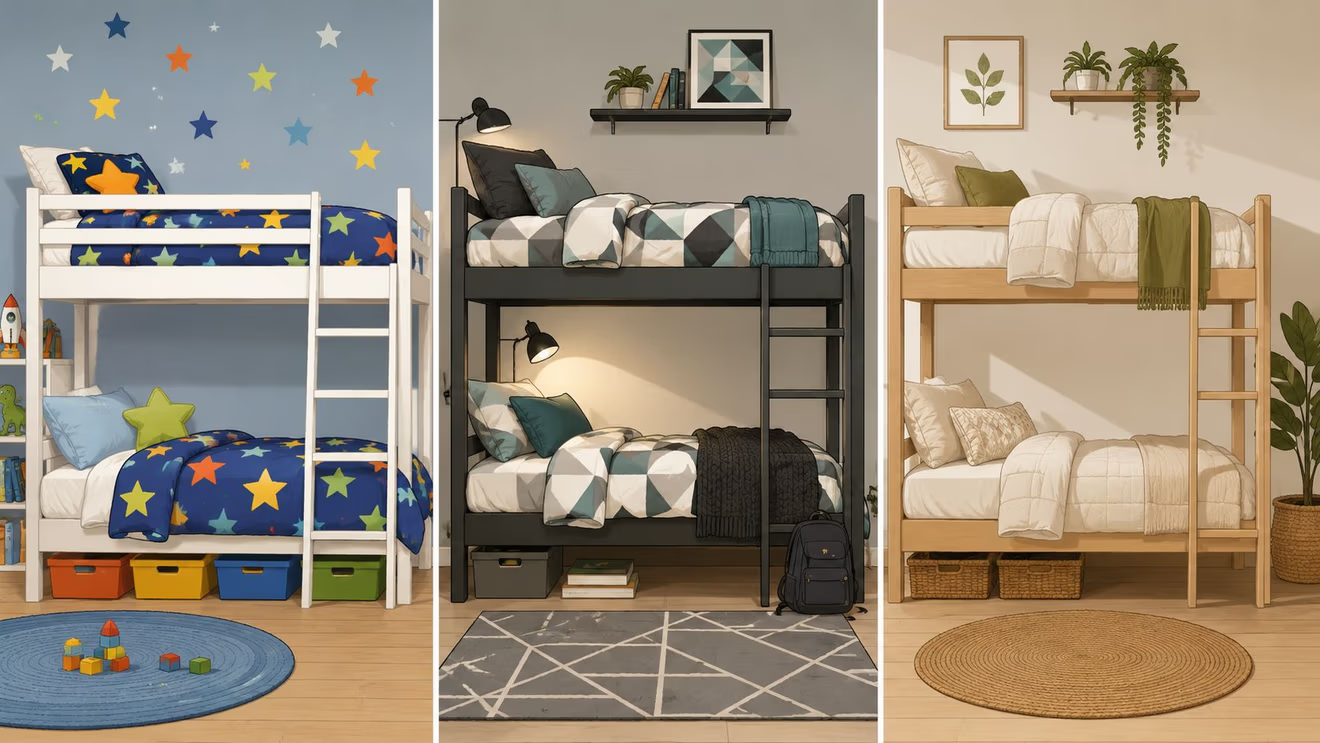
The best part of bunk bedding is how fast it changes the room's personality. One comforter can make the whole bed feel playful, polished, or calm depending on the color, pattern, and texture. That's why style still matters, even when safety and fit come first.
For younger kids
Bright colors and cheerful prints usually land well in younger rooms because they make bedtime feel friendly instead of formal. A child who loves animals, stars, or bold patterns often connects with the bed faster when the comforter feels fun and familiar. In a shared room, one lively comforter can also help each bunk feel like its own little space.
For teens and guest rooms
Older kids usually want something more restrained. Textured solids, quiet patterns, and neutral palettes with one accent color tend to age better and feel less childish as tastes change. Guest-room bunks benefit from the same approach, since a cleaner look feels more welcoming and less theme-heavy.
The small-space bedroom ideas guide pairs well with this mindset, because bunk beds often live in rooms where every choice has to earn its place. A comforter that matches the room's scale and mood can make the bed look intentional instead of squeezed in.
A bunk bed looks more finished when the comforter fits the room's purpose, not just the mattress size.
Color pairing matters too. Light bedding can make a small room feel more open, while deeper tones can make a bunk setup feel grounded and cozy. The trick is to keep the look simple enough that the bed still feels easy to live with every day.
Why Local Shopping and Custom Options Matter
Local expertise makes a real difference. BILTRITE is a fourth-generation, family-owned showroom serving Metro Milwaukee since 1928, and that kind of history changes the conversation from “what looks nice?” to “what will work in this house?” Families who walk in with a bunk bed problem often leave with a better answer because they can talk through sizing, feel, and daily use with people who've seen plenty of tricky rooms.
We don't sell online, and we're closed on Sundays so we can stay family-first. That's part of why the showroom experience matters so much. Our sales associates bring over 400 years of combined experience, and the point is help, not pressure. Shoppers can compare feel, look at in-stock choices, and ask questions that don't fit neatly into an online filter.
BILTRITE also offers USA-made and Amish-made furniture, plus affordable custom options for families who want more control over fabric, finish, and details. The larger store selection matters here too, since the mattress center carries over 60 models and 500 mattresses in stock, which gives families a better sense of how bedding and support work together in real rooms. That kind of hands-on visit is especially useful for bunk beds, where the wrong choice can be awkward every single night.
Come on down to our showroom and see for yourself, because a comforter for a bunk bed should feel right in the room, not just in a cart. If the bed is for a child, a guest room, or a tight shared space, a hands-on visit makes it easier to choose bedding that fits the way the family lives.
Frequently Asked Questions
Should a bunk bed comforter be the same size as a regular twin comforter?
Usually, yes, a twin or twin XL comforter is the right place to start. The key is not to oversize it, because extra length can create bulk on the top bunk and make the bed harder to use. The fit should follow the mattress, not overwhelm it.
Is a thicker comforter always warmer?
Not always. Thickness adds loft, but warmth depends on the fill type and how the comforter holds heat in the room. A lighter comforter can still feel cozy if it matches the child's sleep style and the bedroom temperature.
What matters more, style or function?
For bunk beds, function comes first. A comforter that stays put, launders easily, and doesn't interfere with the ladder or rails is the safer everyday choice. Style should support that decision, not replace it.
Can a family use a normal comforter on the top bunk?
They can, but it's worth checking the drape carefully. If the comforter hangs too low, bunches at the edges, or feels hard to remake, it's probably not the right choice for the upper bunk.
BILTRITE Furniture-Leather-Mattresses has the kind of local showroom help that makes bunk-bed bedding decisions simpler, from sizing advice to hands-on comparisons. If you're ready to find comforters, mattresses, and bedroom pieces that fit your family's space, visit BILTRITE Furniture-Leather-Mattresses and come see us in Greenfield.