




Blue Glass Table Lamp Buying and Styling Guide


A blue glass table lamp solves a very specific problem in a room: the space needs color, but it doesn't need a full makeover. In a Metro Milwaukee home, that usually means a bedroom that feels a little flat, a living room with solid wood furniture that needs a softer touch, or a new condo where every piece has to pull its weight. Blue glass does that nicely, because it brings color, light, and visual texture without shouting for attention.
The best part is that a blue glass table lamp can read in different ways depending on the room. It can feel coastal, modern, transitional, or vintage. That flexibility is why shoppers keep coming back to it, especially when they want one object to do more than just sit there.
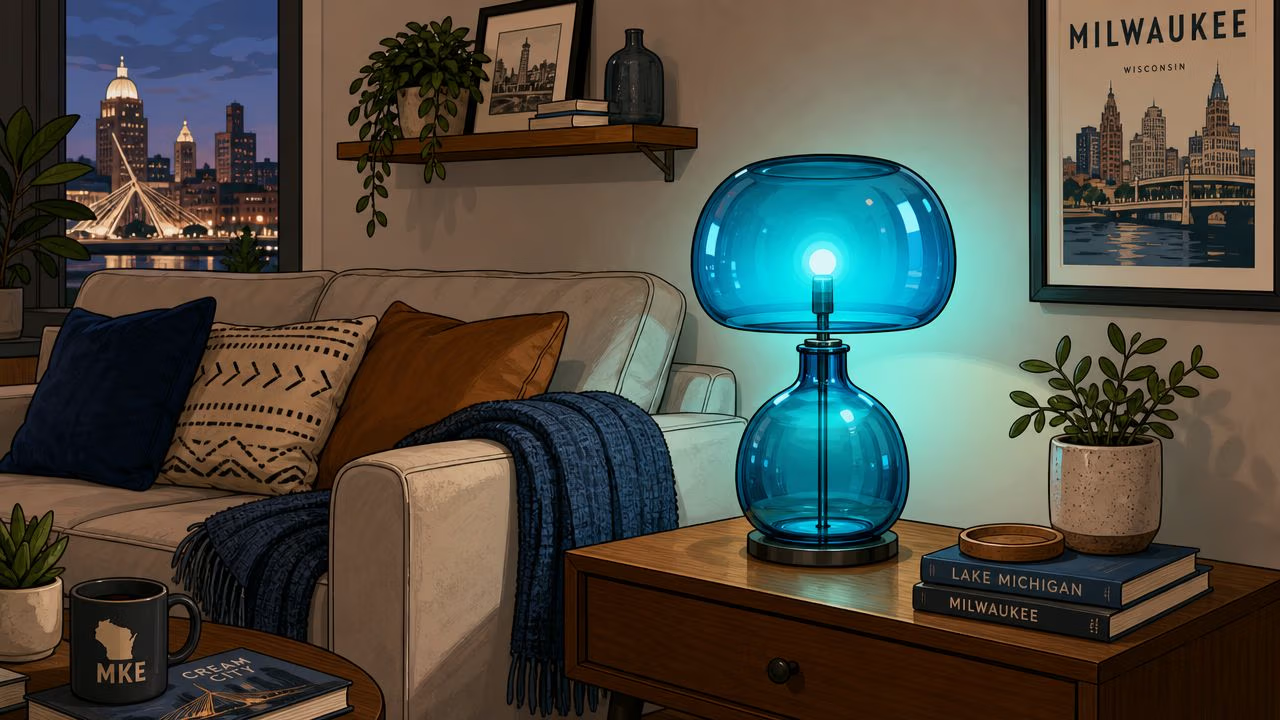
The smart move is to treat it like a lighting decision, not just a decor decision. Size, shade, bulb, and placement matter just as much as the glass color. A little planning keeps the lamp looking collected instead of random, and that's where the good rooms start.
Why a Blue Glass Table Lamp Might Be Your Next Favorite Piece
A blue glass table lamp works when a room already has good bones and just needs a sharper note. A sofa, a wood nightstand, and a wall that feels too safe can all benefit from one piece that brings color without turning the whole room upside down. Add blue glass, and the room gets a focal point that feels deliberate instead of decorative filler.
That is why this kind of lamp earns its place in real homes. It gives a room a color story without forcing a full palette change, and it sits comfortably beside modern furniture and more traditional pieces. The glass itself does a lot of the work, because translucent material catches light differently than ceramic, wood, or metal.
Why the material matters
Blue glass is more than a color choice. Cobalt or copper-bearing glass can filter and redistribute the emitted spectrum, which reduces short-wavelength output compared with clear glass and shifts the feel of the light toward cooler or neutral territory depending on the bulb and the glass saturation. Denser coloration usually means a stronger effect and a dimmer-looking result, even when the bulb's output stays the same.
That makes the lamp useful in places where glare feels harsh. A bedroom, reading nook, or console table can all benefit from that softer visual result. For a broader design backdrop, the history of table lamps stretches back to ancient Mesopotamia and Egypt, where people used primitive oil lamps made from clay or metal vessels burning plant oil. The modern decorative lamp is just the polished version of an old household necessity, as outlined in historical overviews of table lighting and BILTRITE's guide to adding color without painting.
Practical rule: choose blue glass when the room needs atmosphere first and brightness second. If the room already gets strong daylight, the lamp's color will show off better and feel more intentional.
What to expect before buying
A shopper should think through four things before falling in love with a lamp on sight, style, size, shade, and bulb. Blue glass can look airy in one shape and heavy in another, so the base form matters. Once those decisions are lined up, the lamp becomes easy to place and much easier to live with.
Understanding Blue Glass Styles and Finishes
Blue glass isn't one look, and that's the good news. The wrong choice usually happens when a shopper likes the color but doesn't think through how the finish changes the lamp's weight and mood. A deep cobalt base, for example, reads very differently from a lighter aqua piece, even before the bulb is turned on.
Start with the glass type
Cobalt glass is the most assertive option. It gives a room a stronger color hit and tends to feel bolder against neutral furniture. Aqua runs softer and often feels friendlier in bright, casual rooms. Mercury-style finishes feel more vintage and reflective, which can be useful when a room needs a little shimmer without a lot of color density.
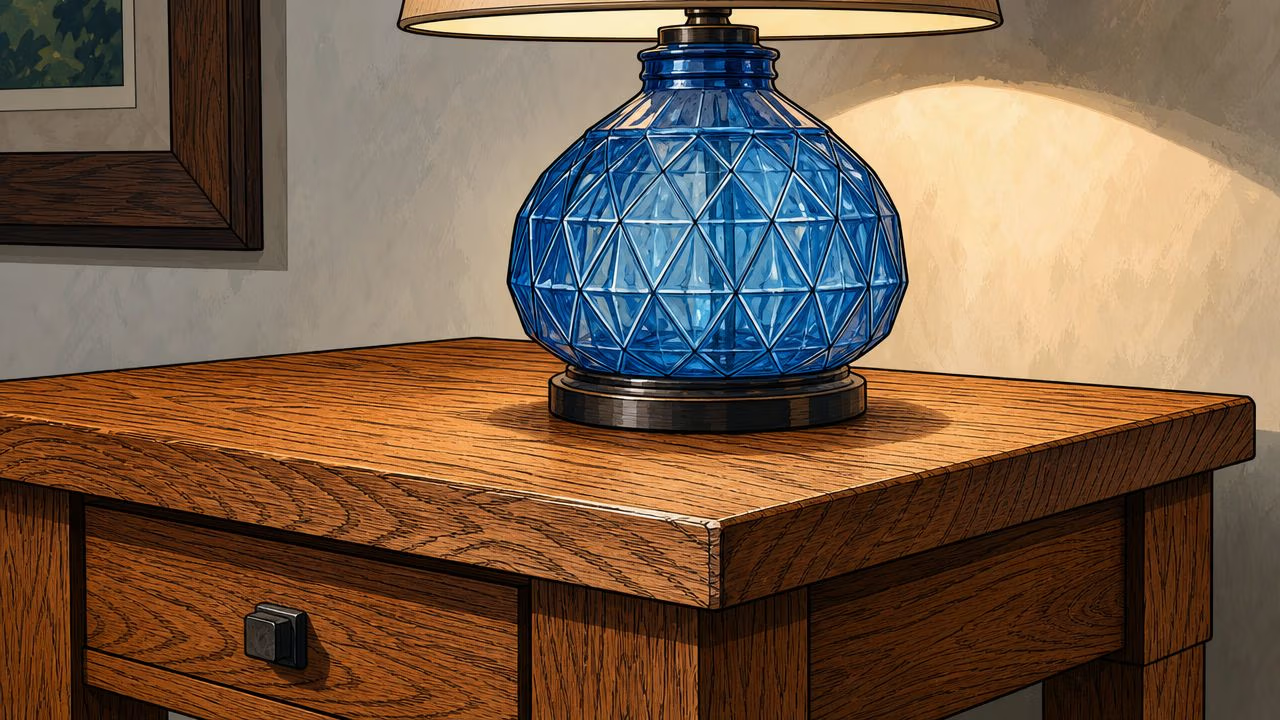
Textured or ribbed glass adds another layer. It breaks up the light, gives the lamp more presence, and keeps the base from feeling too plain. That matters in rooms with simple furniture, because the lamp can supply the pattern the rest of the room doesn't have.
For a closer look at reflective finishes, the mercury glass table lamps collection is a useful visual reference, even if the final choice ends up being a deeper blue or a more transparent piece.
Then look at shape and hardware
Base shape changes everything. Urn and bottle forms lean classic and work well with traditional wood furniture. Geometric silhouettes feel cleaner and newer, especially when they're paired with straight-lined sofas or more structured seating. Hardware matters too. Brass warms the blue, nickel keeps it crisp, and oil-rubbed bronze grounds it.
A simple way to narrow the field:
- Choose cobalt if the room needs a stronger focal point and can handle a more saturated accent.
- Choose aqua if the room already has enough visual activity and needs a lighter note.
- Choose mercury glass if the room leans vintage or needs reflective softness.
- Choose ribbed or textured glass if the lamp must add interest without relying on pattern.
When the finish matches the room's mood, the lamp feels chosen, not random.
Getting the Size and Proportion Right
Sizing is where a lot of lamp purchases go sideways, and blue glass makes the problem sneakier. A translucent base can read lighter and smaller than an opaque ceramic or wood lamp, so people often buy too little and then wonder why the table looks empty. The fix is simple, measure the table, the seating height, and the lamp together instead of judging the base alone.
Use the room's sightline first
Independent design guidance says the bottom of the lampshade should sit no higher than eye level when seated, the shade should be about one-third of the total lamp height, and the lamp should generally be no more than 1.5 times the height of the table it sits on. Those numbers are practical because they keep the lamp from looking top-heavy or undersized.
The eye-level rule matters most in bedrooms and living rooms where people sit. If the shade lands too high, the lamp feels stiff and overbuilt. If it lands too low, it starts crowding the table and throwing light in the wrong direction.
The lamp should serve the table, not swallow it.
Adjust for the room, not just the rule
Bedside tables usually need a calmer, slightly more restrained lamp because they sit close to the headboard and pillow line. Console tables can take a taller lamp if the room needs vertical lift, especially in an entry or behind a sofa. Small-scale apartment furniture needs the most discipline, because a translucent blue base can visually disappear if the shade is oversized.
A swing arm table lamp is a good reminder that motion and reach matter too, especially when a lamp has to fit a tight bedside or reading spot. Still, the main idea stays the same, proportion first, decoration second.
A useful showroom habit is to step back and squint. If the shade looks like it's floating too high or crowding the table edge, it's the wrong size. Blue glass rewards good proportion because the material already has visual interest built in. A translucent blue base also carries more visual weight than people expect, so it needs enough lamp and shade mass to feel anchored beside Amish pieces and other solid-wood furniture. That balance keeps a Metro Milwaukee room from feeling top-heavy on one side and underfurnished on the other.
Choosing the Right Shade and Bulb
The shade controls how the lamp behaves at night, and the bulb controls whether the lamp feels inviting or harsh. That pairing matters more with blue glass than with an opaque base because the glass can either soften or deepen the effect depending on what sits above it. The wrong shade can make a lovely base feel awkward fast.
Shade shape changes the silhouette
A drum shade gives a blue glass lamp a cleaner, more modern look. An empire shape feels more traditional and usually spreads light in a gentler cone. Bell shades soften the overall profile, while rectangular shades work well when the lamp sits on a narrow console or a more angular side table.
Fabric choice matters too. Linen keeps the light relaxed, silk reflects a little more elegance, and paper shades can sharpen the contrast. On a blue glass base, a lighter fabric usually preserves the color's freshness, while a darker shade can make the whole lamp read moodier and more contained.
Bulb choice affects comfort and safety
An LED bulb is the practical choice for a glass lamp because it produces less heat and reduces the risk of thermal stress at the shade interface. That matters for glass, since the material has lower thermal tolerance than many other lamp materials. Heat management is especially important in enclosed or semi-enclosed designs.
Color temperature is the next decision. A 2700K warm-white LED suits a bedroom because it feels calmer. A 3000K neutral bulb works better in a home office or reading corner where the lamp has to support clearer task lighting. Dimming capability is worth having too, because it lets the room shift from work mode to evening mode without changing fixtures.
For a broader look at how light quality changes a room, the living room lighting guide is a useful companion. A blue glass lamp earns its keep when the shade and bulb let the glass do its job instead of fighting it.
Styling Blue Glass with Solid Wood and Amish Furniture
Blue glass and solid wood work well together because they solve opposite problems in the room. Wood brings warmth and structure, while the glass adds color and lightness. In a Metro Milwaukee home with Amish-made or USA-made furniture, that balance matters even more. The lamp should add character without pulling attention away from the joinery, grain, and finish that make those pieces worth owning.
Let the lamp play a supporting role
Oak, cherry, and quarter-sawn white oak all pair well with blue glass because their natural tone grounds the color. On a console or nightstand, the lamp should act like an accent, not the center of the display. Leave breathing room around the base and keep the surface clear enough that the lamp reads as intentional, not crowded.
Texture helps the pairing hold together. A woven rug, linen upholstery, and matte wood finishes keep blue glass from feeling too sleek. If the furniture already has strong grain or visible joinery, a simpler lamp shape usually looks better than a highly ornate one. For a closer look at the benefits of solid wood furniture, the basic idea is simple, solid wood gives the lamp a steady partner and keeps the room from feeling flimsy.
The same rule applies in smaller rooms and senior living spaces, where every piece needs to earn its place. A blue glass lamp still works there, but the scale should stay modest so the room does not feel busy or top-heavy. A carefully chosen lamp from BILTRITE Furniture-Leather-Mattresses can sit comfortably with solid wood seating or bedroom pieces when the proportions stay in check.
Build a calm visual hierarchy
Keep one element dominant. If the furniture has a strong wood tone, let the lamp be the color accent. If the room already has plenty of blue in fabrics or art, choose a softer glass finish so the lamp supports the room instead of competing with it.
Blue glass and Amish-made furniture make sense together because both depend on clean materials and good proportions. That keeps the room steady instead of overworked. A translucent blue base brings visual weight of its own, so it needs a solid wood setting that can hold that presence without looking crowded or flimsy.
A lamp with the right proportion also helps the room feel more settled. Short, squat bases can disappear on heavy wood furniture, while oversized shapes can overpower narrow tops and make the surface feel cramped. The best result comes from a lamp that looks designed for the piece beneath it, not forced onto it.
Caring for Your Blue Glass Table Lamp
Blue glass is sturdy enough for daily use, but it still needs sensible care. Dust and grime dull the color first, then the finish starts to lose the crisp look that made the lamp appealing in the first place. The good news is that maintenance is easy if the lamp is handled like a glass piece, not a throwaway accessory.
Keep the glass clean without being rough
A soft, lint-free cloth is the right tool for routine cleaning. Harsh or abrasive cleaners can scratch the surface or cloud the finish, so they're a bad trade for a small amount of shine. Light dusting on a regular basis also keeps buildup from settling into the grooves if the lamp has a ribbed or textured base.
Always support the base when moving the lamp. Grabbing the neck or socket puts unnecessary stress where the lamp is most vulnerable. That's especially true in homes with kids or pets, where a lamp can get nudged more often than expected.
Treat the bulb and socket carefully
Let the bulb cool completely before replacing it. That simple habit protects hands and also reduces the chance of stressing the socket area. Avoid overtightening the bulb, since that can crack the socket or create wear that shows up later.
Placement matters too. A lamp on a stable table with enough clearance is less likely to tip, and that helps protect the glass as well as the furniture around it. In busy households, the safest spots are the ones where the cord stays out of the walking path and the lamp doesn't sit at the edge of the surface.
Good care keeps the lamp looking like a design choice instead of a maintenance problem. That's the goal with any piece meant to stay in the room for years.
Visit BILTRITE to See Blue Glass Lamps in Person
A blue glass table lamp is the kind of piece you judge with your eyes, not from a screen. The color shifts under different light, the proportions read differently beside real furniture, and the finish changes once it sits next to wood, upholstery, and wall color. That is why a showroom visit makes sense, especially if you are trying to match a lamp with Amish or solid-wood furniture in a Metro Milwaukee home.
BILTRITE has been family-owned since 1928, and the store's Greenfield showroom at 5430 West Layton Avenue is set up for this kind of hands-on decision-making, according to the store's published company details. The team has over 400 years of combined experience, and the store stays closed on Sundays and Mondays so families can spend time together. That family-first rhythm fits this kind of purchase. It is thoughtful, practical, and meant to last.
There is a real advantage to shopping in person. Blue glass has visual weight, and that weight changes from one lamp to the next. Some bases read airy because the glass is translucent, while others feel denser and more grounded, and that difference matters beside a solid-wood table or a heavy Amish piece. Size alone does not solve that problem. You need to see whether the lamp supports the furniture or gets lost on it.
A showroom visit also helps with proportion. A lamp that looks right on an open display table can feel too small on a thick wood nightstand, or too large on a narrow accent table with strong joinery. Standing in front of the piece lets you judge how the blue glass holds its own without overpowering the room. That is the practical test that matters in real homes.
Come on down to our showroom and see for yourself. A visit makes it easier to compare lamp shapes, finishes, and room pairings in one trip, and our team will help without pressure. If you want a blue glass lamp that works with your home instead of fighting it, visit us in Greenfield today!