Your Guide to Amish Made High Chairs


A lot of families start in the same place. A baby is getting ready for first bites, a grandparent wants to give something meaningful, and the search for a high chair suddenly gets more complicated than expected. One option looks easy to wipe down. Another folds up small. Then a solid wood chair appears, and the question changes from “What works for now?” to “What will still look good and hold up years from now?”
That's where Amish made high chairs stand out. They don't feel like short-term baby gear. They feel like furniture. For many parents and grandparents, that difference matters because the high chair sits right in the middle of everyday family life, next to the dining table, in photos, at birthday dinners, and through plenty of messy meals.
At BILTRITE, that question comes up often in the Greenfield showroom. As a fourth-generation family furniture store serving Metro Milwaukee since 1928, Amish and solid wood furniture has been part of the conversation for decades. Families usually want the same three things. They want a chair that feels sturdy, looks beautiful in the home, and makes sense for daily use with a little one.
Table of Contents
- What Makes an Amish High Chair a Family Heirloom
- Built for Wiggles and Spills Safety and Durability
- From Wood Finish to Cushions Customizing Your High Chair
- Choosing the Right Chair for Your Little One and Your Home
- The BILTRITE Experience Finding Your High Chair In-Store
- Frequently Asked Questions About Amish High Chairs
What Makes an Amish High Chair a Family Heirloom
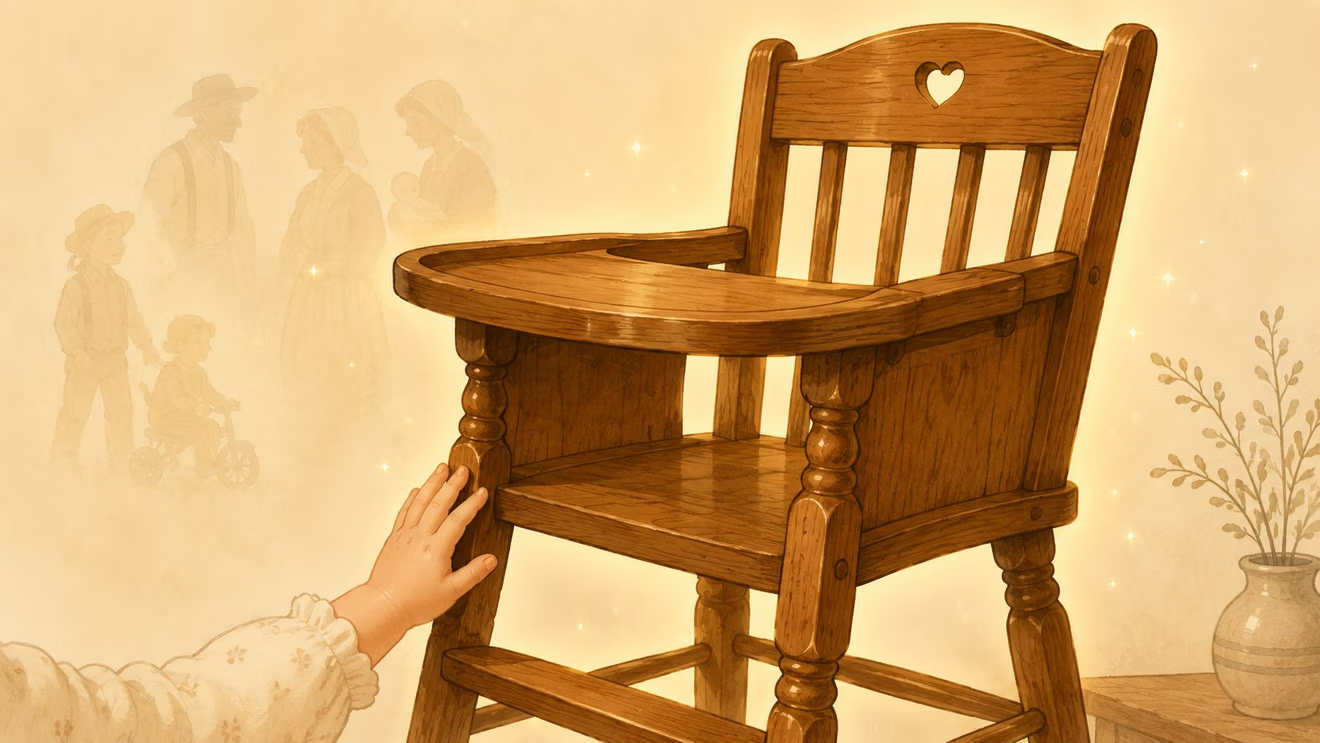
The first thing many shoppers notice is the feel. An Amish high chair doesn't feel hollow or temporary. It feels grounded, like a real dining chair that happens to be designed for a child.
That starts with the materials. Amish-made high chairs are typically built from solid wood, often using traditional hardwoods associated with Amish furniture such as oak, cherry, maple, walnut, hickory, and pine, rather than particle board or laminate, as described in this overview of Amish furniture traditions and regions. Those woodworking communities are concentrated in Pennsylvania, Indiana, and Ohio, which helps explain why Amish furniture remains such a well-known American artisan category.
Why solid wood changes the conversation
For a new parent, “solid wood” can sound like a style preference. It's more than that. It affects how the chair feels when a child leans, wiggles, kicks a footrest, or gets lifted in and out several times a day.
A solid wood chair usually gives families a different kind of confidence because it feels substantial at the table. Grandparents often notice this right away. Parents often notice it after comparing a few chairs side by side.
Practical rule: If a high chair looks like it belongs with the dining furniture instead of in the toy aisle, that usually tells a family something about how it was built and how long it's meant to stay in the home.
Many families also care about the story behind the furniture. Amish furniture is widely known for handcrafted construction and a wood-first approach. That identity matters when the goal isn't just to get through the baby stage, but to choose something that still looks right in the home later on. Families who want to learn more about that background often appreciate this closer look at the advantages of Amish furniture.
Why families call them heirloom pieces
“Heirloom” doesn't have to mean fancy. In a family furniture setting, it usually means something simpler. The piece is made well enough, and looks good enough, that nobody feels the need to replace it quickly.
That matters for a high chair because baby furniture often gets treated as disposable. An Amish-made chair pushes in the opposite direction. It's chosen more like a dining piece than a temporary accessory.
A few signs families often look for include:
- Real wood grain: Each wood species has its own personality, so the chair feels more like part of the home.
- A furniture look: The design often blends more naturally with dining sets, buffets, and kitchen furniture.
- Long-term mindset: The chair is usually selected with the idea that it may stay in the family rather than head to the curb after one stage of use.
That's why Amish made high chairs appeal to parents and grandparents who want more than convenience alone. They want a useful chair, yes, but they also want a piece that carries some warmth and permanence.
Built for Wiggles and Spills Safety and Durability
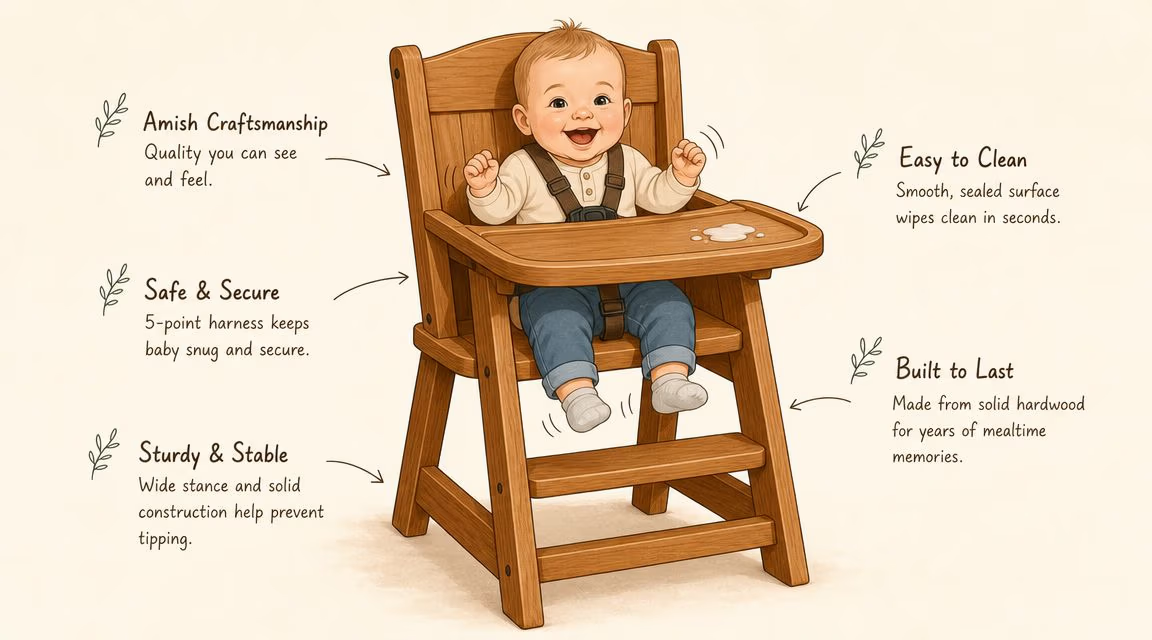
Safety questions should come first. Parents and grandparents aren't only asking whether a chair looks sturdy. They're asking whether it works well during real meals, with squirming, reaching, snack tossing, and rushed cleanup.
Independent Amish furniture sellers describe many of these chairs as being built from American hardwoods and solid wood, with practical features that may include seat safety straps, lockable trays, and high-grade varnish resistant to water for easier cleanup, as noted on this page about Amish high chair materials and features.
What helps in everyday use
The strongest argument for this style of chair is durability. Hardwood construction helps the chair feel stiff and dependable under repeated daily use. Families don't need engineering terms to notice that difference. They usually feel it the first time they press on the tray or nudge the frame.
A few features deserve a close look:
- Seat restraint options: If a model includes a strap, families should check how it fastens and how easy it is to use consistently.
- Tray function: A lockable or sliding tray can make daily use smoother, especially when an adult is carrying a child with one arm.
- Finish quality: Water-resistant varnish matters because high chairs deal with spills constantly. Applesauce, milk, and damp wipes test the finish every day.
A good high chair needs to work after the cute stage. That means the seat, tray, and finish still need to feel dependable during the messy stage.
Families also ask about joinery and frame strength. That's a smart question, especially with wood furniture. A useful starting point is this explanation of what a mortise and tenon joint is, because strong joinery is one of the things that helps wood furniture stay firm over time.
The honest tradeoff
Amish made high chairs aren't usually the lightest option in the room. That's important to say plainly. The same hardwood build that gives them durability can also mean more weight and less portability than many mass-market chairs.
For some families, that's not a drawback at all. They want one stable chair that stays at the table. For others, especially those who move a high chair from room to room or fold it away often, portability matters more.
This comparison can help:
| Consideration | Amish made high chair | Lightweight baby gear style |
|---|---|---|
| Everyday feel | More furniture-like | More portable |
| Movement around the home | Usually less convenient | Usually easier |
| Visual fit with dining room | Often stronger | Often more utility-focused |
| Long-term wear | Often a key strength | Varies by model |
Another point can get missed. Product pages for Amish high chairs often emphasize durability more than they explain how a specific model addresses current day-to-day safety expectations. That means families should ask direct questions in the showroom about restraint systems, tray security, stability, and how the chair is intended to be used.
From Wood Finish to Cushions Customizing Your High Chair
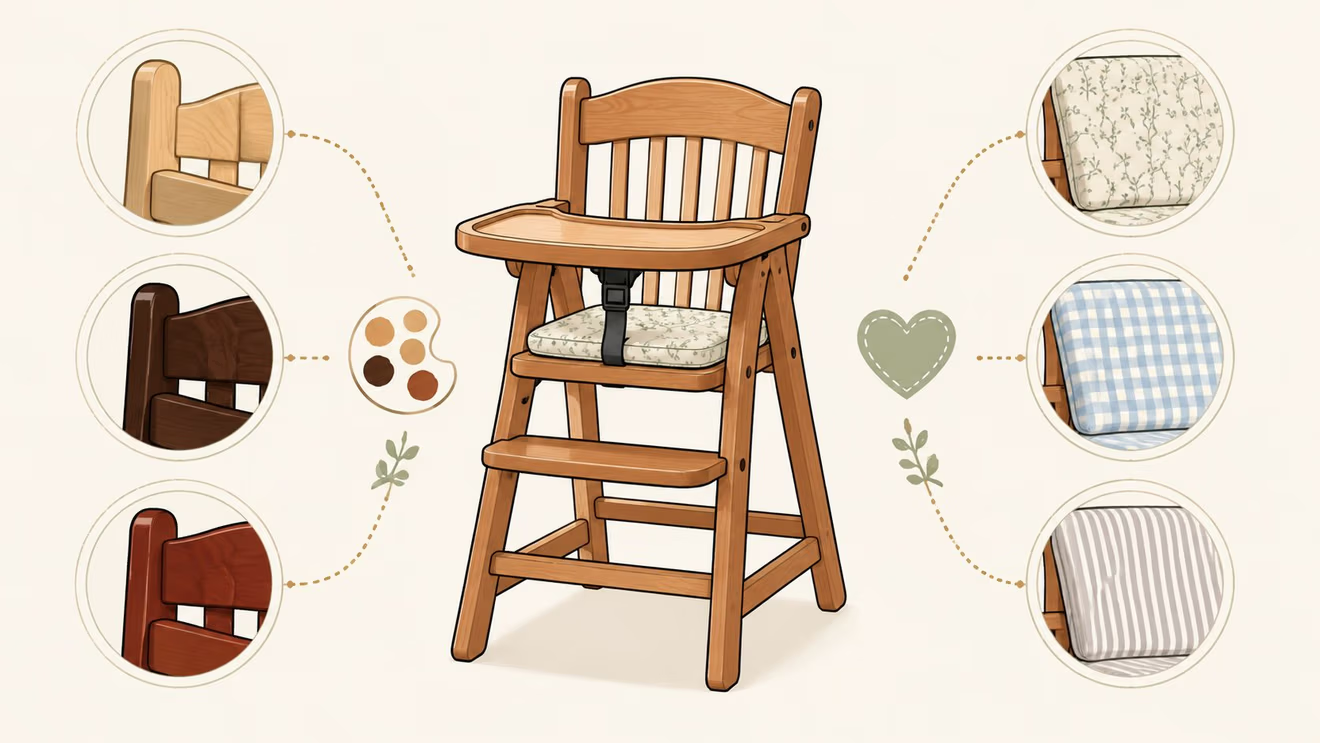
Now, shopping gets fun. Once a family decides they like the feel of a solid wood high chair, the next question is usually how to make it fit the home instead of looking like an odd extra piece.
That usually starts with wood and finish. Some families want the high chair to blend with an existing dining table. Others prefer it to stand on its own with a slightly warmer or richer tone. Either approach can work well, as long as the finish feels intentional.
Start with the wood tone
A practical way to choose is to compare the chair with nearby furniture, not just with a paint sample. Dining tables, hutches, and kitchen islands all affect how the wood will read in the room.
These questions help narrow it down:
- Does the dining set lean light or dark? A high chair can either coordinate closely or add gentle contrast.
- Is the room formal or relaxed? Oak often reads classic and familiar, while cherry can feel a bit dressier.
- Will the chair stay visible all day? If yes, finish matters even more because the chair becomes part of the room's look.
Families who are comparing stain choices often find it helpful to review broader advice on the best wood finish for a dining table, since many of the same visual questions apply to a high chair that lives beside it.
Then think about daily comfort
Cushions can make a chair feel softer and more welcoming, but they also add one more surface to keep clean. For some families, that's worth it. For others, a simpler wood seat is easier to live with.
A balanced way to think about it looks like this:
- Add a cushion if: the family wants a cozier look, a softer seat, or a little more visual connection to nearby upholstered dining chairs.
- Skip the cushion if: cleanup speed matters most and the family prefers a simpler, more wipeable setup.
- Match with purpose: A neutral cushion usually stays versatile longer than a busy pattern.
The right customization choice isn't the fanciest one. It's the one that still feels sensible after a long dinner and a quick wipe-down.
This part of the process is hard to judge on a screen. Wood undertones, sheen, and fabric texture almost always make more sense in person.
Choosing the Right Chair for Your Little One and Your Home

A beautiful chair can still be the wrong chair if it doesn't fit the table, the room, or the family's routine. That's why measurements matter before style decisions take over.
One concrete example helps. An Amish bow high chair listing gives dimensions of 37.5 inches high, 12 inches deep, with a 15-inch-wide seat and a seat height of 21.5 inches off the ground, which places it at roughly dining-height compatibility for family meals, according to this Amish bow high chair size example. Those numbers don't describe every chair, but they show why families should compare chair height with their own table setup.
Measure first, then shop
A tape measure can prevent a lot of frustration. Families should check the table height, nearby walking space, and whether the chair needs to tuck in neatly when not in use.
A simple checklist helps:
- Table relationship: The tray and seat need to make sense with the family's dining height.
- Room flow: A solid wood high chair can feel more substantial in a compact breakfast nook than in a large dining room.
- Daily placement: Some households keep the chair in one spot. Others need to shift it around more often.
Style matters too, but fit comes first. A graceful bow-back chair may look lovely, but it still has to make sense beside the table and within the room's traffic pattern.
Questions worth asking in the showroom
Families often feel more confident when they bring a few practical questions with them. These are especially helpful for parents who haven't bought a high chair before.
- How will this chair be used most days? Daily dining in one location calls for a different choice than occasional visits from grandchildren.
- Does the family want furniture look first, or convenience first? Neither answer is wrong. The better answer depends on the home.
- Will the chair need to coordinate with kid-friendly living spaces nearby? This broader guide to kid-friendly and pet-friendly furniture choices can help families think through durable finishes and everyday practicality across the home.
Some families also ask whether a high chair can keep serving a purpose after the earliest stage passes. That's a good instinct. Better furniture decisions usually come from asking how long the piece will remain useful, not just whether it solves today's need.
The BILTRITE Experience Finding Your High Chair In-Store
Furniture shopping changes when grandparents and parents can put a hand on the wood, pull a chair out from a table, and look at the finish in natural light. That's especially true with a high chair, because photos can flatten the details that matter most.
At BILTRITE Furniture-Leather-Mattresses, families shop this category in person rather than through a checkout cart. That means they can compare wood species, inspect finish color, and get a better sense of scale before making a decision.
What families notice right away
The first surprise is usually the weight and steadiness. The second is the finish. On a screen, many wood tones look similar. In person, they don't.
That touch-and-feel step matters because a high chair sits close to eye level during meals. Families want to know whether the color works with their table, whether the wood grain feels smooth, and whether the chair looks calm and welcoming in the room.
A showroom visit also makes safety conversations easier. A family can point at a tray, ask how it locks, ask how the seat area feels for the child, and discuss whether the chair matches their routine at home.
Some furniture categories can be chosen from a photo. A solid wood high chair usually makes more sense when a family can stand next to it and judge the details for themselves.
In-stock and custom options
Some shoppers want to bring something home soon. Others are happy to wait for a chair in a specific wood or finish that better matches the dining room. Both paths can make sense.
The difference usually comes down to priorities:
- In-stock choices: Good for families who need a chair sooner and are comfortable choosing from available combinations.
- Custom orders: Better for families who prioritize matching a dining set, a stain direction, or a particular overall look.
- Guided help: BILTRITE's team works with families face to face, which makes it easier to talk through the practical details without pressure.
That's also where a family-owned store can feel different. Since 1928, BILTRITE has served Metro Milwaukee with a showroom-centered approach. The store doesn't sell online, and it's closed on Sundays and Mondays to support family time. For many shoppers, that approach feels more personal and more useful when the purchase is something meant to stay in the family for years.
Frequently Asked Questions About Amish High Chairs
Can one chair serve more than one child
In many homes, yes. Solid hardwood construction is a big reason families choose this category in the first place. With proper care, these chairs are often kept for younger siblings, visiting grandchildren, or later family use.
That long-life appeal is part of why they're often described as heirloom furniture instead of disposable baby gear.
Are the materials and finishes easy to live with
They can be, especially when the chair includes a durable varnish and surfaces that wipe clean without fuss. Day-to-day ease still depends on the exact design, including the tray setup and whether the family adds a cushion.
Parents and grandparents should ask direct questions about how the finish handles regular cleanup and which features are included on the specific chair they're considering.
What happens if a family wants a custom order
Custom ordering usually means more choice in wood and finish, along with more waiting than an in-stock purchase. The exact timing depends on the builder and the details of the order, so it's better handled as a conversation than a guess.
That's one more reason many families prefer to shop in person. They can look at samples, ask practical questions, and leave with a clearer idea of what fits the room and the routine.
Families who are weighing Amish made high chairs often get the clearest answer by seeing the wood, finish, and scale in person. BILTRITE Furniture-Leather-Mattresses welcomes shoppers to the Greenfield showroom to compare options, ask questions, and get friendly guidance from a team that has served Metro Milwaukee since 1928.