Solid Wood Furniture San Diego: Find Quality Pieces in 2026


A lot of shoppers looking for solid wood furniture in San Diego are standing in the same spot, mentally speaking. They've found a dining table they like, a bedroom set that looks sturdy, or a media console with a finish that seems rich and warm. Then the questions start. Is it really solid wood? Will it hold up near the coast? Will it fit up the condo stairwell? Is the higher price worth it?
That's where old-school furniture common sense still helps. A family business that has helped homeowners since 1928 learns that quality questions sound a lot alike, whether the home is in Metro Milwaukee or Southern California. The setting changes. Good furniture principles don't. Buyers still want honest construction, durable materials, and pieces that feel good to live with for years.
Table of Contents
- Your San Diego Solid Wood Furniture Adventure
- What Does Real Solid Wood Furniture Mean
- Choosing Your Wood and Construction Style
- How to Inspect Furniture Quality in the Showroom
- Finding Great Furniture Makers in San Diego
- Budgeting and Delivery in San Diego
- Your Solid Wood Furniture Buying Checklist
Your San Diego Solid Wood Furniture Adventure
A San Diego family might start with something simple. The old dining table has seen one too many homework sessions, holiday meals, and coffee mug rings. They want something warmer, stronger, and less disposable. They walk into a showroom, see tags that say “wood,” “hardwood,” and “solid,” and suddenly the search gets muddy.

That's why solid wood furniture San Diego shoppers are considering deserves a slower look. The category isn't some tiny specialty corner of home furnishings. The global solid wood furniture market was valued at US$5.76 billion in 2025 and is projected to reach US$8.36 billion by 2035, which shows buyers continue to value durability and the sustainable character of real wood.
A growing category still includes plenty of confusion, though. Some pieces are built for decades. Others just wear the look of wood for a short season. Buyers need a way to sort one from the other without feeling like they need a trade school class first.
Practical rule: Good furniture shopping starts with three questions. What is it made of, how is it built, and will it work in the home it's going into?
That's the same thinking behind advice like the benefits of solid wood furniture. The appeal isn't only style. It's the mix of strength, repairability, and character that tends to get better as a piece lives with a family.
A good San Diego search also benefits from a little patience. A sunny bungalow, a coastal condo, and a downtown apartment don't ask the same things from a dresser or dining table. One home may need a larger statement piece. Another needs something that can turn a tight hallway without damaging the walls or the furniture.
That's where this kind of buying adventure gets more enjoyable. Once a shopper knows what solid wood means, what woods are commonly used, and how to inspect build quality by hand, the whole process feels less like guesswork and more like choosing with confidence.
What Does Real Solid Wood Furniture Mean
One of the biggest mix-ups in furniture shopping happens with the phrase solid wood. Many shoppers hear “wood” and assume all wood furniture is roughly the same. It isn't.
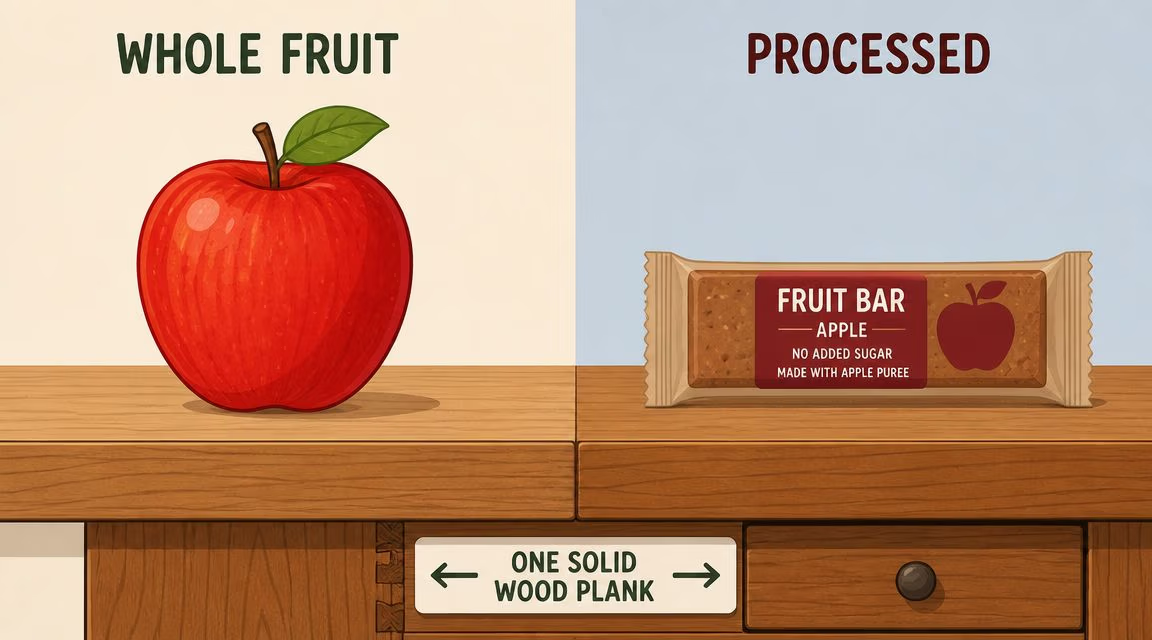
A simple way to think about it is this. A whole apple and an apple-flavored snack are related, but they're not the same thing. Real solid wood furniture is made from actual lumber pieces, not just a printed wood look or a thin wood skin over a different core.
Solid wood, veneer, and particleboard
Solid wood means the visible structural parts are made from real wood boards or panels. Those parts can be shaped, joined, sanded, repaired, and sometimes refinished later in life. That matters to families who want a table or dresser to survive everyday use instead of aging out quickly.
Wood veneer uses a thin slice of real wood over another material. Veneer isn't automatically bad. In some applications, it can be useful and attractive. The confusion starts when shoppers think veneer and solid wood are interchangeable. They're not.
Particleboard or similar composite cores are more budget-oriented materials often used under laminates or thin surfaces. These pieces can fill a short-term need, but they usually don't offer the same long-term feel, repair options, or structural confidence as solid hardwood furniture.
A shopper doesn't need to reject every non-solid component. The key is knowing which parts are structural, which parts are decorative, and whether the seller explains that clearly.
Why families keep coming back to solid wood
Solid wood furniture San Diego buyers often want is popular for a reason. It tends to feel heavier, steadier, and more grounded in a room. It also develops character as it ages. Small dents, softened edges, and changes in tone often read as lived-in charm rather than failure.
Many family-owned stores try to make this easier to spot. At BILTRITE, shoppers are guided by a Real Solid Wood icon in the showroom so they can quickly identify pieces made with solid wood. That kind of label is helpful anywhere. If a store offers solid wood, it should make the materials easy to understand instead of turning the details into a mystery.
A shopper can also ask a very direct question: “Which parts of this piece are solid wood?” That question clears a lot of fog fast.
A few common misunderstandings
- “If it looks like wood, it is solid wood.” Not always. Grain patterns can be printed, repeated, or applied as surface layers.
- “Heavier always means better.” Sometimes, but not by itself. Poor construction can still hide inside a heavy piece.
- “All solid wood pieces are heirloom quality.” Not necessarily. Species, joinery, drying, and finishing all matter.
The goal isn't to become suspicious of everything in the showroom. It's to learn the difference between honest materials and clever marketing language.
Choosing Your Wood and Construction Style
Wood has personality. Some species feel casual and relaxed. Some look refined and formal. Some hide everyday wear better than others. And when a piece has to carry weight, take bumps, or stand up to years of family use, species choice matters.
Reputable makers commonly use cherry, walnut, hickory, oak, and maple because their density and stiffness provide higher wear resistance and stronger structural performance in load-bearing furniture, as noted by Lawrance on common hardwood choices for solid-wood furniture.
Wood species shape the feel of a piece
The table below gives a practical overview rather than a lab test. Shoppers usually aren't picking a wood in a vacuum. They're matching a species to a room, a lifestyle, and the amount of visible wear they can live with.
Common Solid Woods at a Glance
| Wood Type | Hardness | Color | Best For |
|---|---|---|---|
| Oak | High | Light to medium brown | Dining tables, bed frames, everyday family furniture |
| Maple | High | Light, clean, subtle grain | Contemporary styles, dressers, desks |
| Walnut | Medium to high | Rich brown, often darker | Bedroom furniture, statement pieces, media cabinets |
| Cherry | Medium | Warm reddish brown that deepens over time | Formal dining, bedroom pieces, classic case goods |
| Hickory | High | Varied tones with bold grain | Rustic looks, busy households, hard-working tables |
Oak often appeals to buyers who want visible grain and durability. Maple gives a cleaner, calmer look and fits many modern interiors. Walnut brings depth and richness. Cherry has warmth and a more traditional furniture feel. Hickory has a lot of visual motion and stands up well in active homes.
For deeper guidance on species and style, choosing the right hardwood for longevity and style is a useful way to think through the tradeoffs.
Construction matters as much as the wood
A beautiful hardwood top can still disappoint if the piece is assembled poorly. That's why seasoned furniture shoppers always look at the build, not just the finish.
Here's what usually separates stronger construction from shortcut construction:
- Joinery that locks parts together: Dovetails, mortise-and-tenon work, and well-fitted corner blocking all suggest the maker planned for stress over time.
- Mechanical strength in the right places: Frames, table aprons, drawer boxes, and chair joints take real abuse. Those areas deserve more than a few fast staples.
- Consistent fit: Drawer fronts should sit evenly. Doors should line up cleanly. Gaps should look intentional, not accidental.
A strong species with weak joinery is like good lumber turned into a flimsy ladder. Material matters. Craft matters just as much.
Some San Diego buyers also see woods such as teak, acacia, mango wood, or white oak in the local market, especially through custom or specialty makers. Those can be appealing choices when the builder is clear about construction details and finish methods. The smart move isn't to chase one fashionable species. It's to ask whether the wood fits the job and whether the furniture was built with care.
A family choosing a kitchen table for everyday meals may lean toward oak, maple, or hickory. Someone furnishing a quieter guest room may fall in love with walnut or cherry. There's no single right answer. There is a right match.
How to Inspect Furniture Quality in the Showroom
Most shoppers can spot quality with their hands long before they learn furniture vocabulary. That's good news, because a showroom visit should feel practical, not intimidating.

In coastal markets like San Diego, wood gains and loses moisture as humidity changes. Quality furniture is engineered with that movement in mind by using well-dried hardwood and stable joinery to reduce seasonal warping or joint stress, as explained in Casa Dega's notes on wood movement and construction.
Start with movement and stability
A simple inspection routine can tell a shopper a lot in just a few minutes.
- Open the drawers fully: They should move smoothly and feel supported, not loose or scratchy.
- Give the case a gentle wiggle: A dresser or nightstand shouldn't rock easily under light pressure.
- Press on the top corners: If the piece twists or creaks right away, construction may be light.
- Sit, lean, or rest a hand where weight goes: Dining chairs, benches, and bed rails should feel settled and secure.
A solid piece often feels calm. It doesn't chatter, wobble, or sound strained under normal handling.
Look where many shoppers forget to look
Turn some attention to the less glamorous views. That's often where the truth lives.
Check the underside of a table. Look behind a dresser. Peek into the drawer box instead of stopping at the drawer front. The hidden areas show whether the maker stayed consistent after the pretty exterior was finished.
A few things to look for:
- Drawer interiors: Solid sides, tidy joints, and a clean fit suggest care.
- Back panels: Thin, flimsy backs can signal a lighter-duty build.
- Finish consistency: Look across the surface from different angles for blotchy stain, rough sanding, or drips.
- Hardware feel: Pulls and hinges should feel anchored, not loose or tinny.
Furniture quality often reveals itself on the back, underneath, and inside. The visible front rarely tells the whole story.
Shoppers who want a little extra confidence can also review how to tell if furniture is real wood. That kind of checklist helps when a label is vague or the grain pattern raises questions.
One more showroom habit helps in San Diego. Ask how the piece is finished and how it handles seasonal moisture movement. A good seller should be comfortable answering that in plain English. If the explanation gets slippery, that says something too.
Finding Great Furniture Makers in San Diego
San Diego gives buyers a mix of options. Some shoppers want a ready-to-take-home piece from a showroom. Others want a custom table sized to a breakfast nook, condo dining area, or specific wall. Both routes can work well if the business is transparent about materials and construction.
A helpful local sign of market maturity is onlyrustic.com, which notes over three decades of experience and a 16,000-square-foot facility in San Marcos. That matters because it shows the San Diego area supports both retail display and custom fabrication, not just quick-turn furniture sales.
What to search for
Broad searches often lead to broad results. More specific search terms usually bring up better fits for serious solid wood buyers.
Try phrases like:
- Handcrafted solid wood furniture San Diego
- Custom solid wood dining table San Diego
- Solid hardwood bedroom furniture San Diego
- Made-to-order wood furniture near San Diego
Those searches tend to surface businesses that talk about wood species, shop capabilities, dimensions, stains, and construction details instead of only showing styled room photos.
What to ask before placing an order
A good maker or retailer should welcome clear questions. Silence, vagueness, or evasive answers aren't a great sign.
Useful questions include:
- What wood species is this made from?
- Which parts are solid wood and which are not?
- How are the drawers or joints constructed?
- Can the size be adjusted for a smaller room or difficult delivery path?
- What finish is used, and how should it be cared for?
For shoppers who want custom work or made-to-order sizing, custom solid wood furniture options offer a good example of the kinds of conversations to have, especially around dimensions, finish selection, and room fit.
A trustworthy furniture partner usually sounds grounded, not flashy. The business should be able to explain where the wood comes from, how the piece is built, and what kind of home it suits. Family-owned stores tend to understand that instinctively. They know a furniture purchase is part design choice, part trust decision.
Budgeting and Delivery in San Diego
Solid wood furniture usually asks for a bigger upfront investment than throwaway furniture. That doesn't make it expensive in the long run. It makes it a different kind of purchase.

A family comparing options should think in terms of lifespan, daily use, and repairability. A dining table that serves for many years, can handle refinishing, and still feels sturdy after several moves often delivers better value than a cheaper piece that starts loosening up early.
Budget for years of use, not just today
Good budgeting questions sound like this:
- How hard will this piece work? A kitchen table takes more abuse than an occasional chair.
- Is this a long-term room? A primary bedroom dresser may deserve more investment than a stopgap guest-room piece.
- Can the furniture age gracefully? Solid wood usually wins here because wear often looks natural rather than fatal.
For buyers who need smaller footprints or flexible access solutions, BILTRITE Furniture-Leather-Mattresses carries solid wood, Amish-made, small-scale, and come-apart furniture categories in its Greenfield showroom. That's relevant because the same principles apply in San Diego. Room size and access can matter just as much as finish color.
Delivery questions matter early
One issue gets overlooked all the time. Will the furniture get into the home?
A local guide from San Diego Rustic notes that urban buyers should ask about come-apart or knock-down designs for easier access to apartments, condos, and homes with narrow hallways or stairwells. That's especially useful in neighborhoods with tighter entries, older buildings, elevators, or HOA move-in rules.
Before buying, measure these:
- Doorways: Width and height, including trim
- Hallways: Narrow points and turns
- Stairwells: Ceiling clearance, landings, and railings
- Elevators: Interior dimensions and door opening
- Room path: The route from entry to final placement
Buying the right size for the room isn't enough. The piece also has to survive the trip from the truck to the spot where it will live.
It also helps to ask about white glove delivery service, especially for heavier solid wood pieces. Delivery teams that place, assemble, and position furniture can prevent a lot of avoidable damage and frustration.
Your Solid Wood Furniture Buying Checklist
A shopper standing in a San Diego showroom doesn't need a notebook full of technical jargon. A short checklist works better.
Start with the basic material question. Ask what species the piece uses and which parts are solid wood. Then move to construction. Ask how drawers are joined, how the frame is reinforced, and whether the piece is built with normal wood movement in mind.
Next, inspect it by hand.
- Open and close everything: Drawers and doors should feel steady.
- Check for wobble: Light pressure should not create rocking or twisting.
- Look inside and underneath: Hidden areas reveal build quality.
- Study the finish in good light: Uneven color and rough sanding are warning signs.
- Confirm delivery fit: Measure entries, stairs, elevators, and final room placement.
A practical buyer also asks about care. What cleaner is safe? Will the finish need special attention? Can the top be repaired or refinished later if life leaves a mark?
That's the heart of solid wood furniture shopping. Buy for how a household lives. A family with kids, pets, guests, and daily traffic needs honest durability more than fancy wording on a tag.
The old furniture-store saying still holds up. Buy it nice or buy it twice. Solid wood furniture San Diego shoppers choose carefully can become part of family life for a long stretch, and that's usually the whole point.
If a furniture search ever brings someone through southeastern Wisconsin, BILTRITE Furniture-Leather-Mattresses welcomes showroom visitors in Greenfield. Since 1928, this fourth-generation family business has focused on better-quality furniture, mattresses, USA-made and Amish-made options, and friendly guidance that helps shoppers compare materials, scale, comfort, and construction in person.