Expert Guide: Placement of Area Rugs in Bedroom

A lot of bedrooms reach the same stage. The bed is in place, the dresser fits, the nightstands look right, and yet the room still feels a little unfinished. The floor looks bare. The first step out of bed feels chilly. The whole space needs something to connect it.
That's where the placement of area rugs in bedroom design starts to matter. A rug doesn't just add softness. It helps the bed feel grounded, gives the room shape, and makes the space feel more settled day to day. For many homeowners around Metro Milwaukee, this is the step that causes the most second-guessing.
At BILTRITE, that kind of question comes up all the time. As a fourth-generation family business serving the Milwaukee area since 1928, the team has helped neighbors pull together bedrooms of every size, from compact condo layouts to roomy primary suites. A little guidance goes a long way, especially when the room already has a bed worth showing off. For readers planning a whole-bedroom refresh, these dream bedroom ideas from BILTRITE can help tie the whole space together.
Table of Contents
- Welcome to Your Coziest Bedroom Ever
- The Golden Rules for Sizing Your Bedroom Rug
- Our Favorite Rug Layouts for Queen and King Beds
- Thinking Outside the Box with Runners
- Finishing Touches Safety and Style
- Ready to Roll? Come Say Hi!
Welcome to Your Coziest Bedroom Ever
A common scene plays out like this. A Milwaukee homeowner gets the bed frame set up, makes the bed with fresh bedding, steps back, and thinks, “Why does this still feel a little empty?” The furniture is there, but the room doesn't feel finished.
That's usually the moment when a bedroom rug moves from “nice idea” to “missing piece.” The right rug softens the room in a practical way. It gives tired feet a warmer place to land in the morning, helps quiet the look of a large wood floor, and makes the sleeping area feel intentional instead of scattered.
For families who invest in solid wood furniture, USA-made pieces, or Amish-made bedroom sets, that finishing layer matters. A rug can support the scale of the furniture rather than compete with it. It can also help a smaller room feel calmer when the layout is handled well.
A bedroom rug works best when it supports the bed first and decor second.
That practical approach tends to work in real homes. It isn't about chasing rules for the sake of rules. It's about making the bedroom feel comfortable, lived-in, and easy to enjoy through every Wisconsin season.
The Golden Rules for Sizing Your Bedroom Rug
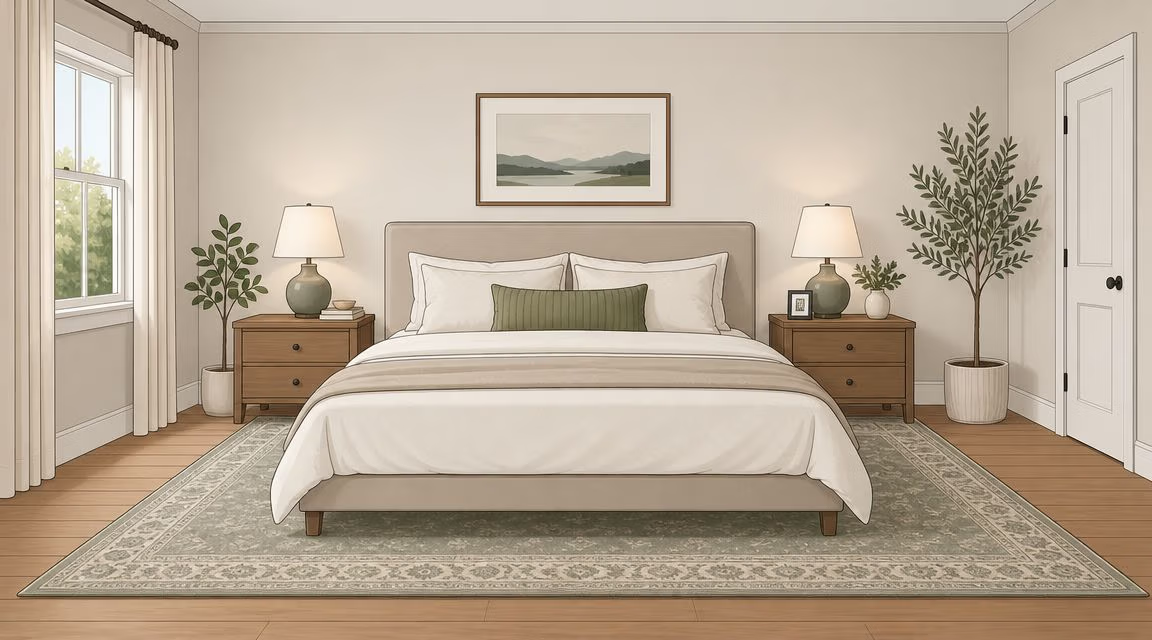
A bedroom rug should act like a frame around the bed. If it's too small, the bed can look like it's hanging over the edges. If it's too big, the room can start to feel crowded and heavy. Good placement of area rugs in bedroom spaces comes down to proportion.
Why the rug matters so much
The rug's job is simple. It should visually anchor the sleeping area and create comfort where people step. That sounds obvious, but many shoppers focus on color and pattern first and size second. That's usually backward.
A rug that fits the room well can make the whole setup feel calmer. The bed looks centered. The nightstands make sense. The walkway around the bed feels easier to use. Those are the details people notice, even if they can't quite explain why the room looks better.
The two measurements that keep rooms balanced
A widely used rule is to place the rug under the lower two-thirds of the bed and let it extend about 18 to 24 inches beyond the bed's sides and foot, while leaving about 6 to 18 inches of exposed floor between the rug and the walls, according to this bedroom rug sizing guide.
That sounds technical, but it's easy to apply in a real room.
- At the sides of the bed: That extra rug width gives a soft landing spot when getting in and out of bed.
- At the foot of the bed: The extension helps the rug look connected to the bed instead of tucked under it like an afterthought.
- At the room perimeter: A visible border of floor helps the rug feel placed, not wall-to-wall.
A simple sizing guide can also help translate those rules into common bed layouts. BILTRITE's area rug size guide is useful for shoppers who want to compare room dimensions and rug proportions before moving furniture around.
Practical rule: If the rug looks like a small island under the bed, it probably needs to be larger.
Here's a quick reference for standard pairings that are commonly used:
| Bed type | Common rug size |
|---|---|
| Twin | 5×8 |
| Full | 6×9 |
| Queen | 8×10 |
| King | 9×12 or 10×14 |
Those sizes don't replace measuring, but they give a strong starting point for most bedrooms.
Our Favorite Rug Layouts for Queen and King Beds
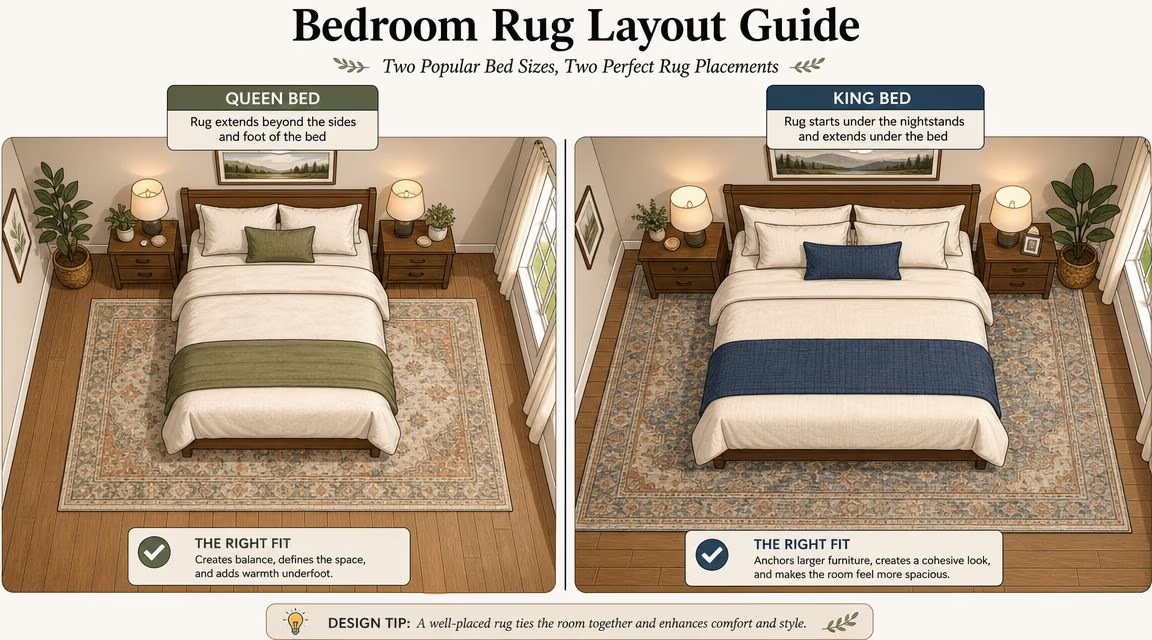
Some design choices feel abstract until they're tied to a real bed size. Bedroom rug placement gets easier once people can picture an actual queen or king in the room. Common guidance notes that rug placement has settled into three widely used layouts, with a queen often paired with an 8×10 rug and a king with a 9×12 rug, while the rug usually extends at least 18 to 24 inches beyond the bed, as outlined in this rug placement overview.
For shoppers double-checking bed dimensions before choosing a layout, BILTRITE's mattress size chart can help make the scale easier to visualize.
The Two-Thirds Tuck
This is the layout many families end up liking most. The rug starts under the lower portion of the bed, while the headboard area and nightstands stay on bare floor. It gives the room structure without demanding an oversized rug.
For a queen bed, this often creates a clean and comfortable frame. For a king bed, it helps the larger furniture feel less visually heavy. It also works nicely when the room includes a dresser across from the bed and clear floor space is needed near the walls.
Why it works so well:
- It looks balanced: The bed feels anchored, not floating.
- It's practical: The main stepping zones are covered.
- It suits many bedrooms: Standard rooms often handle this layout more comfortably than a full furniture-on-rug setup.
The All-In Anchor
This approach places the whole bed and both nightstands on the rug. The look is more formal and unified. It can be a strong choice when the bedroom is spacious enough to support a larger rug without crowding walkways.
This layout often appeals to homeowners who want a more dressed, refined look. It also pairs nicely with substantial wood bedroom furniture because the rug becomes a broad foundation underneath everything.
Still, this isn't automatically the right answer for every room. If the rug reaches too close to the walls, the room can feel boxed in. The larger the furniture grouping, the more important surrounding floor space becomes.
In a large primary bedroom, a generous rug can make the furniture feel settled. In a tighter room, the same idea can make the layout feel squeezed.
The Foot-of-the-Bed Float
This layout gives more visual attention to the rug itself. The rug sits under the lower part of the bed and extends into the open area at the foot. It works especially well when there's a bench at the end of the bed or when the room needs a little extra texture without covering too much floor.
The effect is lighter and a bit more modern. It can also help when the nightstands vary in size or when the head of the bed is close to a window wall and a full under-bed layout doesn't feel natural.
A quick way to compare the three:
| Layout | Best for | Visual effect |
|---|---|---|
| Two-Thirds Tuck | Standard bedrooms | Grounded and easygoing |
| All-In Anchor | Larger bedrooms | Unified and dressier |
| Foot-of-the-Bed Float | Modern or flexible layouts | Open and lighter |
The best layout usually isn't the fanciest one. It's the one that fits the bed, leaves comfortable walking space, and supports how the room gets used every day.
Thinking Outside the Box with Runners
Not every bedroom wants one big rug under the bed. Some rooms are smaller. Some layouts are awkward. Some homeowners prefer to see more of their hardwood floor. In those cases, runners can solve the comfort problem without forcing a large-rug look.

When runners make more sense than one large rug
A pair of runners placed on each side of the bed gives softness exactly where it's needed most. That makes them a smart choice for guest rooms, apartments, condos, and bedrooms where a larger rug would either crowd the walls or slide awkwardly under other furniture.
Runners also suit people who want a less formal feel. They break up the floor visually without covering so much of it. In rooms with strong wood grain or beautiful flooring, that can be a real advantage.
A single accent rug or a rug at the foot of the bed can also work well. That option adds color and texture in a lighter way, especially if the room already has enough visual weight from a solid wood bed, chest, or upholstered bench.
A quick side-by-side look
| Option | Works well when | Main benefit |
|---|---|---|
| Two side runners | The room is narrow or compact | Soft landing on both sides |
| One rug at the foot | The room needs a little texture | Keeps more floor visible |
| Full under-bed rug | The room has room to breathe | Creates one anchored zone |
For readers who like comparing rug ideas across the home, this BILTRITE guide to placing an area rug in the living room offers another useful way to think about how rugs define space.
Matching runners can widen the look of the bed while keeping the room lighter and more open.
That flexibility is part of what makes bedroom rugs fun. There isn't one formula for every home. There's a practical choice for the room that exists.
Finishing Touches Safety and Style
Good rug placement can fix a room's visual balance, but the final details decide whether the setup feels polished and safe. That's especially true in family homes, homes with older adults, and bedrooms where hardwood floors need protection.

The mistakes that change the whole look
One of the strongest methods is to place the rug under the lower two-thirds of the bed and size it so it extends 18 to 24 inches beyond both sides. Common mistakes include choosing a rug that's too small, which makes the bed look ungrounded, and placing the rug too close to the wall, which can crowd the room, as explained in this area rug placement guide.
Those two problems show up often because they seem harmless at first. But once the bed is in place, the room can feel off-balance fast.
A quick check helps:
- Look at the sides first: If there's barely any rug showing, the bed may overpower it.
- Check the wall gap: If the rug nearly touches the walls, the room can feel tighter than it is.
- Stand at the doorway: If the rug doesn't visually support the bed, the layout may need adjusting.
Why the rug pad matters
A rug pad is not optional in a bedroom that gets daily use. It helps reduce shifting, adds cushioning, and protects the floor underneath. That matters with wood floors, especially in rooms with heavier furniture that stays in place for years.
For homeowners thinking about long-term floor care, BILTRITE's floor protection guide offers practical advice that applies well beyond the bedroom. In that same practical category, BILTRITE Furniture-Leather-Mattresses is one local option for shoppers who want to coordinate bedroom furniture, mattresses, and room-finish details in person rather than guessing from a screen.
A well-placed rug should feel good, stay put, and support the furniture around it. Style matters, but safe footing and floor protection matter too.
Ready to Roll? Come Say Hi!
The placement of area rugs in bedroom spaces gets much easier once the room is viewed as a whole. The bed sets the scale. The rug supports it. The open floor around both creates the comfort and balance people notice when they walk in.
That practical way of decorating fits how many Milwaukee families shop. They want a room that looks warm, works every day, and still feels good years from now. Since 1928, BILTRITE has helped local homeowners make those choices with less stress and more confidence. The showroom team brings centuries of combined experience, and the store stays focused on in-person help, better-quality furniture, and family-first values. For anyone planning a visit, BILTRITE's Greenfield location details are here.
Bring room measurements. Bring a few photos. Bring questions. The showroom is built for exactly that kind of conversation.
If the bedroom still feels like it needs that last cozy layer, a visit to BILTRITE Furniture-Leather-Mattresses can help turn rough ideas into a room that feels settled, comfortable, and ready for everyday life.