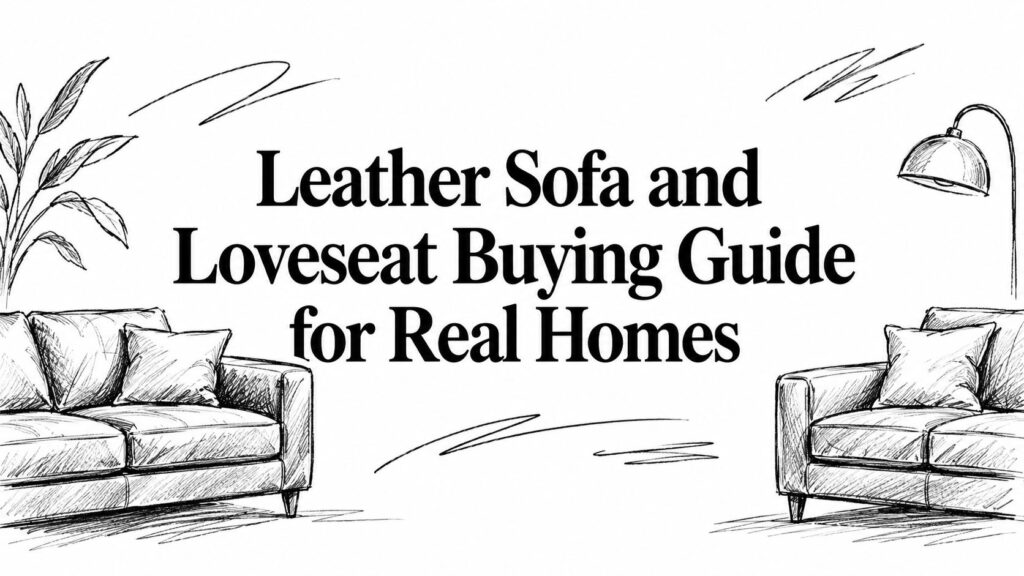
Leather Loveseats for Sale: A Milwaukee Buyer’s Guide


You’re probably staring at an open spot in the living room right now. Maybe it’s a Bay View bungalow with a narrow front door, a Brookfield condo that needs seating that won’t swallow the room, or a family room that gets used hard every single day. You want something handsome, comfortable, and durable. You also don’t want to make an expensive mistake.
That’s exactly why leather loveseats for sale deserve a little more thought than a quick scroll and a “good enough” click.
Our family has been helping Metro Milwaukee homes since 1928, and we’ve learned something simple over four generations. A loveseat can look great in a photo and still disappoint once it lands in your house. The leather might not wear the way you hoped. The frame might not hold up. The size might be wrong. Worst of all, it might not even make it through the doorway.
Your Guide to Finding a Great Leather Loveseat
A leather loveseat is one of those pieces people keep longer than they expect. It becomes the chair-and-a-half for movie nights, the place where grandkids pile in, the quiet reading seat by the lamp, or the everyday landing zone after work. That’s why the buying decision matters.
People clearly still value leather for that mix of style and staying power. The broader leather furniture market was valued at USD 72.4 billion in 2025 and is projected to reach USD 118.6 billion by 2034, according to Dataintelo’s leather furniture market report. That doesn’t mean every leather loveseat is worth bringing home. It means buyers keep coming back to the category because good leather furniture solves a real need.
We’ve seen that play out for decades in Milwaukee-area homes. A young couple wants a small-scale loveseat that won’t crowd the room. A retired homeowner wants something supportive and easier to get in and out of. A growing family wants leather because it handles real life better than fussier upholstery.
Good loveseat shopping starts with three questions. What kind of leather is it, what’s inside it, and can it actually work in your space?
If you want a broader sofa shopping checklist before you step onto the showroom floor, our guide on how to buy a sofa is a smart place to start.
Leather loveseats for sale aren’t hard to find. Good ones are. The difference shows up in the leather itself, the frame under it, and whether the store helping you understands Milwaukee homes well enough to ask the right questions.
Decoding Leather Types and Grades Without the Jargon
Leather terms scare people off for no good reason. They sound technical, but the buying decision is pretty practical. You’re choosing how natural you want the material to feel, how much wear you expect it to handle, and how closely your budget needs to be watched.
A good way to think about it is baking. Some ingredients are close to their original form. Others are refined for consistency. Others are made from leftovers pressed into something usable. Leather works the same way.
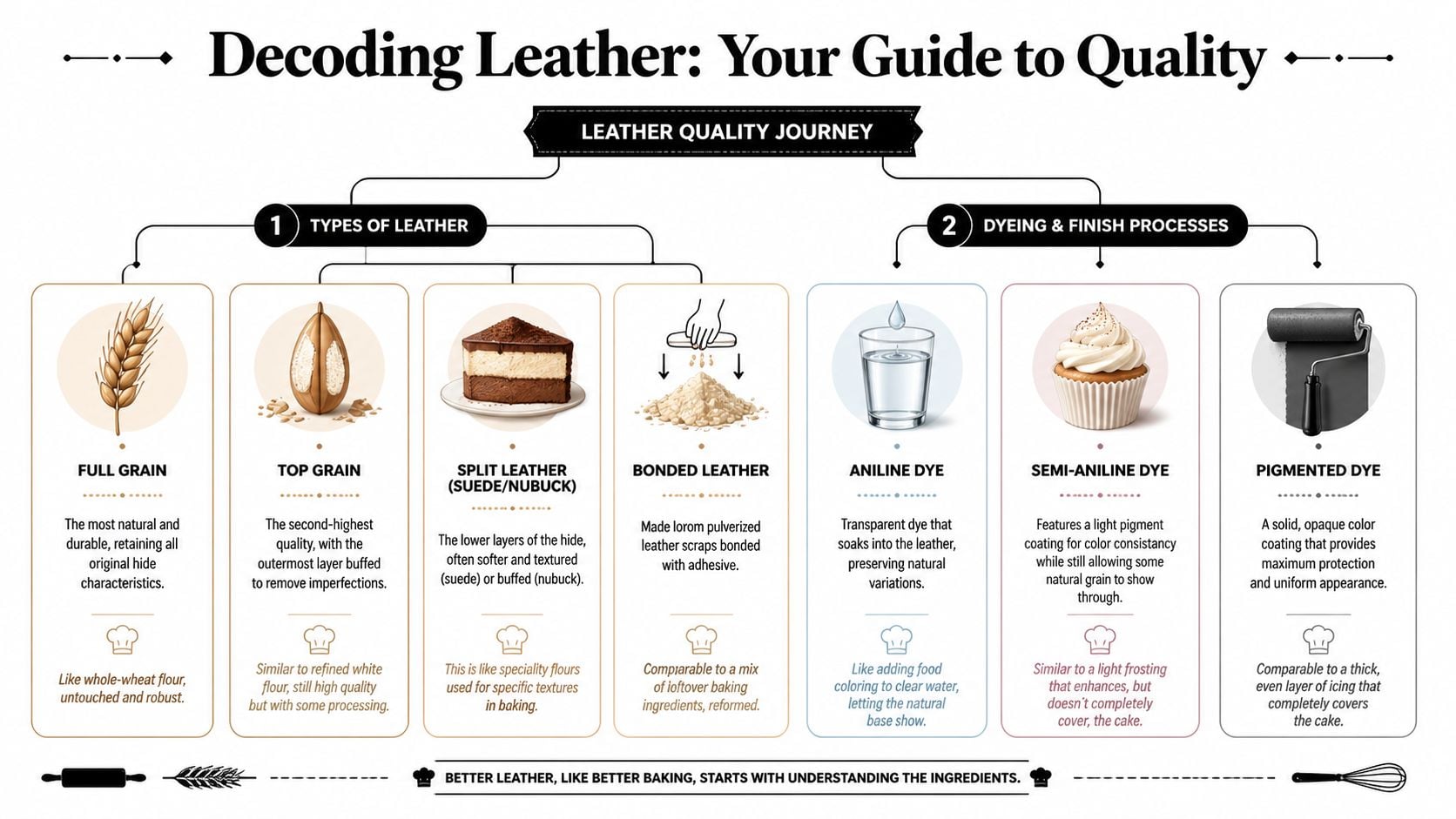
The leather types that matter most
Full grain is the most natural version. It keeps the original surface of the hide, which means you’ll often see more character. If you love patina and don’t mind a material that tells the truth about use, this is a strong pick.
Top grain is usually the sweet spot for many homes. It’s refined a bit, more uniform in appearance, and still gives you real leather quality. If you want a leather loveseat that feels upscale but still practical for daily use, top grain is where I’d tell most shoppers to start.
Split leather comes from lower layers of the hide. It can still have a place, especially in certain looks and finishes, but it doesn’t usually give you the same long-term feel as top grain on a hardworking loveseat.
Bonded leather is the budget conversation. It uses leather scraps combined with other materials to create the leather look at a lower cost. That category exists for a reason. In fact, value-oriented options like bonded leather sofas held 26% market share in 2023, according to Intel Market Research’s leather sofa market report. That tells you plenty of shoppers want the appearance of leather without paying for premium hide quality.
What the finish changes
The type of dye and finish matters just as much as the grade.
Here’s the quick version:
| Leather finish | What it looks like | Who it suits |
|---|---|---|
| Aniline | More natural variation | Buyers who like character and a lived-in look |
| Semi-aniline | Balanced look with some protection | Families who want warmth and a bit more consistency |
| Pigmented | More uniform color and surface protection | Busy homes that want easier everyday living |
If you’ve ever touched two brown loveseats that looked similar online but felt completely different in person, finish was probably part of the reason.
Practical rule: If you want leather that feels rich and natural, lean toward top grain with a finish that still lets some of the hide show through. If your household is rougher on furniture, a more protected finish is often the smarter choice.
My blunt advice on value
Don’t buy a loveseat based on the word “leather” alone. That word covers a wide range of quality.
If your budget allows, I’d recommend top grain before I’d chase a cheaper bonded piece. You’ll usually get a better hand-feel, better aging, and a better long-term ownership experience. If budget is tight, bonded leather can still make sense, but go in with open eyes. You’re buying the look first, not the same level of longevity.
If you want a plain-English breakdown of the difference, our post on top-grain and full-grain leather helps cut through the marketing language.
Whats Inside Matters Most Construction and Comfort
You can buy beautiful leather and still end up with a loveseat that feels tired far too soon. The reason is simple. The outside sells the piece. The inside determines whether it still supports you after years of movie nights, naps, kids climbing over the arms, and daily use in a real Milwaukee home.
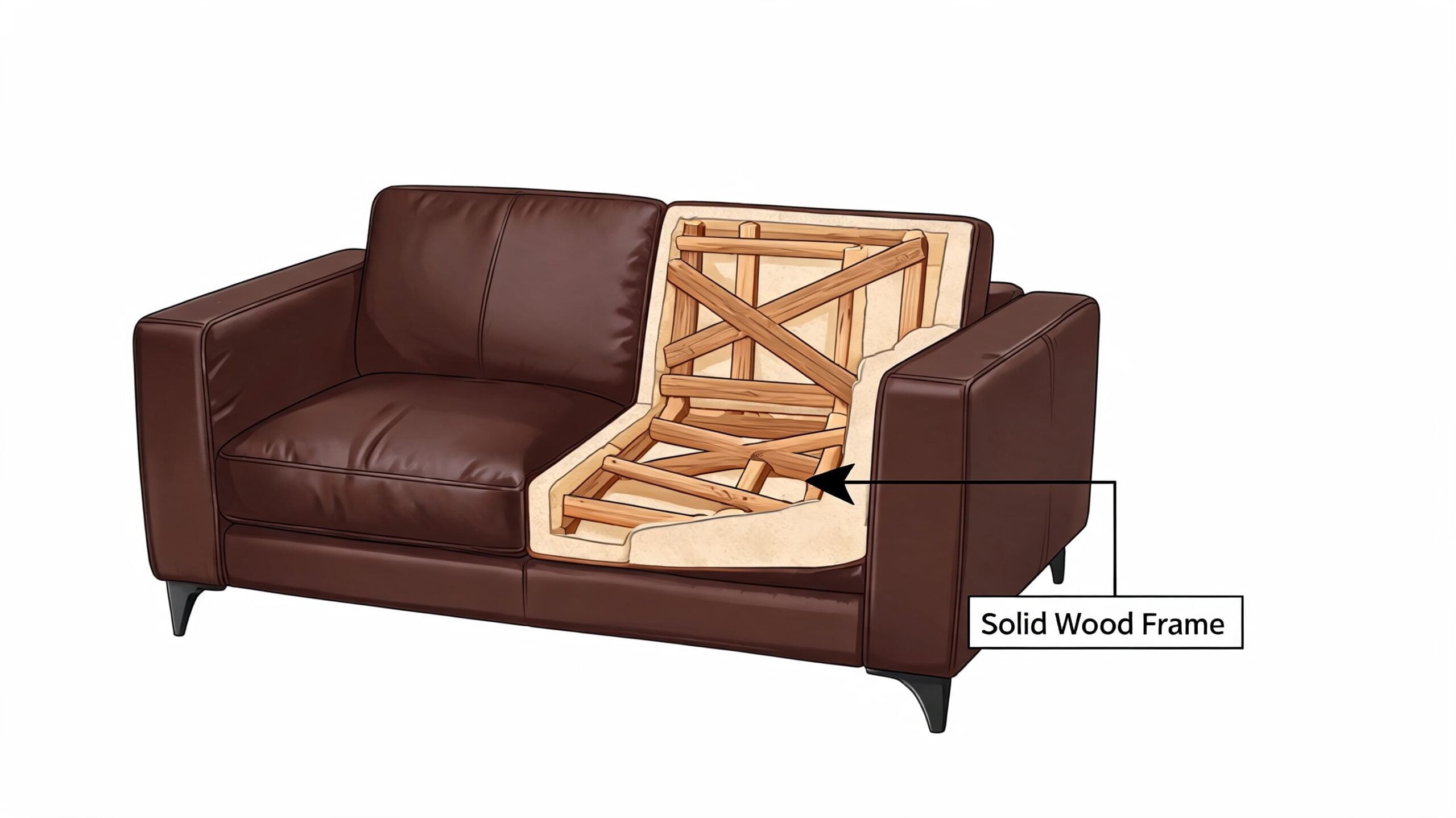
Start with the frame
A loveseat frame should be solid wood or kiln-dried hardwood if you want it to last. That is the standard I’d look for first, especially if the piece will get heavy everyday use.
According to this Mason leather loveseat product reference, some hardwood-framed leather loveseats are rated for substantial per-seat weight and built to resist flex better than softer wood construction. That matters because furniture usually wears down a little at a time. Joints loosen. Arms shift. Seats lose their shape. A stronger frame slows all of that.
Pay even closer attention if the loveseat is for:
- Families with kids who climb, flop, and push furniture hard
- Seniors who need dependable support getting up and down
- High-use homes where this seat gets used every day, not once a week
- Smaller spaces where one loveseat has to do a lot of work
Suspension and cushions decide how it feels every day
Frame strength keeps a loveseat standing. Suspension and cushions decide whether you still enjoy sitting in it.
Sinuous springs are a good sign in many leather loveseats. They help spread weight across the seat and support the cushions more evenly than cheaper, less stable systems. Then look at the cushion core. A loveseat that feels soft for thirty seconds can still break down fast if the inside is weak.
Here’s the in-store test I recommend:
- Sit all the way back and check whether the seat supports your hips and lower back.
- Press down on the seat and front edge. It should feel supportive, not hollow.
- Use the arms when standing up if support matters in your home. They should feel steady.
- Sit for more than a minute. Comfort that disappears after sixty seconds is not real comfort.
Soft is not the same as supportive. The best loveseat feels comfortable on day one and stays that way.
Kiln-dried wood is one detail you should care about
Kiln-dried wood has had excess moisture removed before the frame is built. That helps the frame stay more stable over time as indoor humidity changes through the seasons.
That may sound like a small technical detail. It is not. Hidden construction choices are often what separate a loveseat that holds up for years from one that starts complaining early.
This is one area where shopping in person pays off. You can sit longer, test the arms, feel the seat edge, and ask direct questions about the frame and suspension instead of guessing from a product page. If you want a plain-English checklist before you go, this guide on what to look for in your new sofa or chair is a smart one to keep handy.
What I’d recommend for different buyers
The right build depends on how you live.
| If this sounds like you | Prioritize this |
|---|---|
| You want long-term value | Top-grain leather, kiln-dried hardwood frame, supportive suspension |
| You need extra support | Firmer cushions, stable arms, easier sit-to-stand comfort |
| You live in a smaller home | A compact frame that still feels sturdy, with seats that do not collapse under regular use |
| You expect heavy daily wear | Strong frame joinery, dependable springs, cushions built to hold their shape |
My blunt advice is simple. Do not judge a leather loveseat by color, stitching, or first impression alone. Check what is inside, because that is what you live with.
Finding the Right Fit for Your Milwaukee Space
A loveseat can be the right size on paper and still be wrong for your home. Milwaukee houses prove that every week. Older bungalows, condos with elevators, upper flats, tight stair turns, narrow basement rec rooms, senior living apartments. Furniture delivery is rarely as simple as “it’s only a loveseat.”
That’s why size shopping needs to start with access, not color.
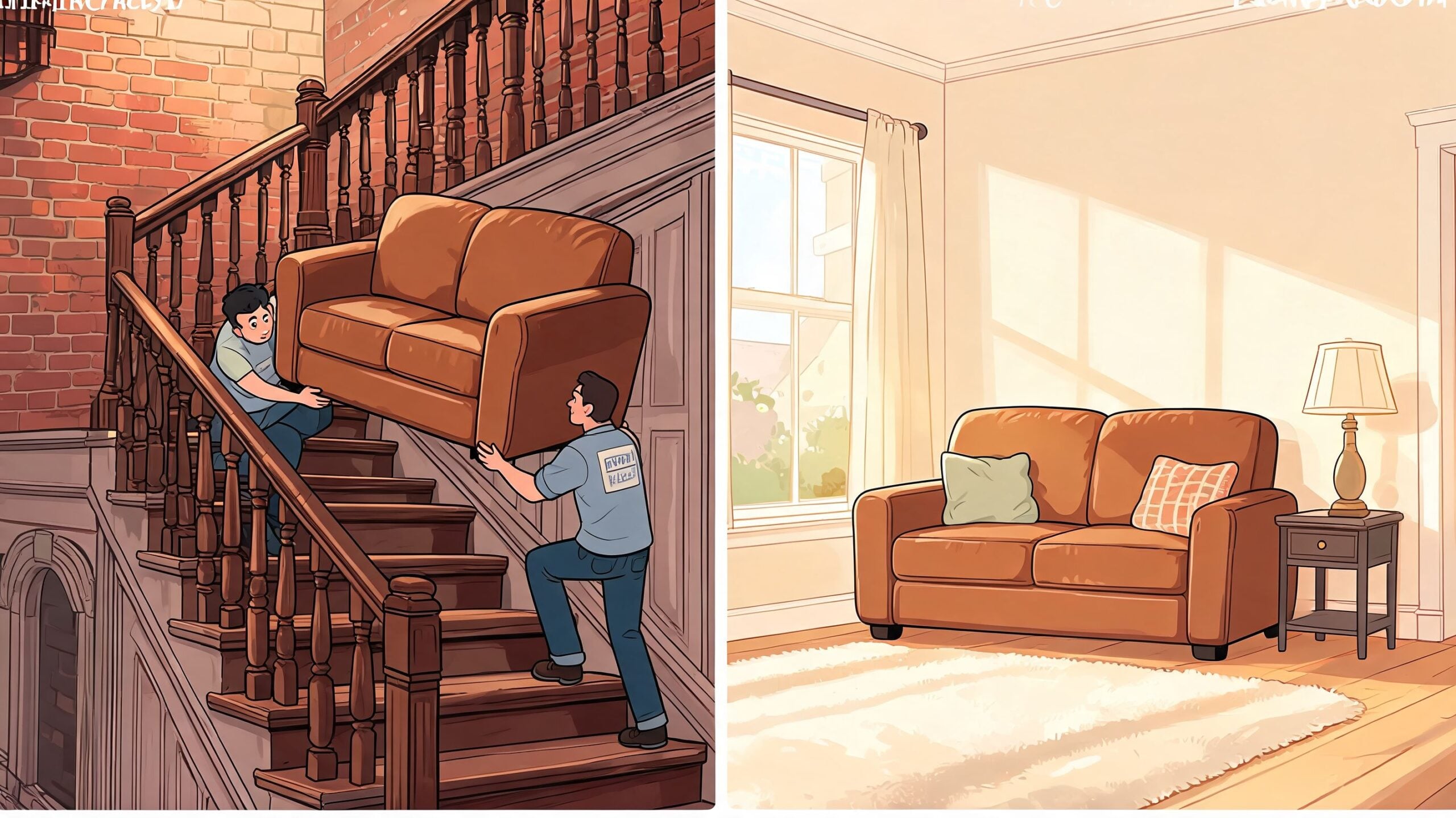
A 2025 Houzz survey found that 60% of urban apartment dwellers report issues with furniture delivery in tight spaces, according to this market-gap reference discussing leather loveseat delivery concerns. I believe it. We hear versions of that story all the time. The piece looked manageable online. Then it met the stairwell.
Measure the path before you fall in love
The wall is often measured first. Good start. Not enough.
Measure these before you buy:
- Entry door width and height. Include door trim if it sticks in.
- Hallway width. Tight turns matter as much as straight runs.
- Stair width and ceiling clearance. Watch low overhead spots.
- Elevator interior size if you live in a condo building.
- Final room placement. Leave space for walking and side tables.
If you want help with the numbers to track, our overview of sofa dimensions in inches makes this easier.
Small scale beats oversized almost every time in compact rooms
People often assume bigger seating feels more luxurious. In a smaller room, that’s usually wrong. A loveseat with cleaner arms, a tighter profile, and sensible depth can make the room feel calmer and easier to use.
That’s especially true for:
| Space type | What usually works better |
|---|---|
| Condos and apartments | Smaller scale loveseat with lighter visual bulk |
| Older Milwaukee homes | Compact frame that can handle tighter entries |
| Senior living spaces | Supportive seat height and easy-access proportions |
| Multipurpose rooms | Loveseat that leaves breathing room for traffic flow |
There’s also the delivery question nobody asks soon enough. Can the piece be taken apart if needed? Come-apart upholstery can be a lifesaver in homes with tricky access. It’s one of those features that sounds boring until it saves the day.
Measure the route, not just the room. The best loveseat in the world is useless if it gets stuck halfway up the stairs.
A little local common sense goes a long way
This is why buying leather loveseats for sale in person makes so much sense. Someone should be asking about your front steps, your condo hallway, your stair turns, and whether the room needs a compact silhouette. Big-box listings usually stop at width, depth, and a polished photo. Real furniture advice goes farther than that.
A loveseat should fit your life before it tries to fit your décor.
Express Your Style With Customization and Finishes
Durable doesn’t have to mean dull. That myth needs to go.
Some shoppers hear “built to last” and picture bulky, stiff, dark brown seating that belongs in somebody else’s house. That’s not how a good loveseat purchase should work. You should be able to choose something that fits your room, your routine, and your taste without giving up on construction quality.
Start with the room mood
Before you get distracted by swatches, decide what role the loveseat plays.
If it’s going into a formal sitting room, you may want cleaner lines, a structured back, and a more polished leather. If it’s headed to the family room, you might want a warmer tone and a seat that invites people to settle in. For a condo or apartment, a slimmer arm and lighter visual profile often looks sharper than a chunky, overbuilt silhouette.
Here’s a simple way to narrow the look:
- Classic rooms usually pair well with roll arms, warmer leather tones, and wood legs
- Contemporary spaces often look better with track arms, simpler lines, and cleaner profiles
- Casual family rooms can handle softer cushions and leather that will develop more visible character
- Smaller rooms benefit from tight backs and less visual bulk
Pick the customization points that actually matter
Not every option matters equally. Some choices change the whole look. Others are barely noticeable.
Focus on these first:
Leather color
This is the biggest mood setter. Warm browns feel grounded. Lighter neutrals can open up a room. Darker shades feel dressier and often hide everyday variation more easily.Leg finish
Don’t ignore the wood tone. It can connect the loveseat to tables, floors, or other wood furniture in the room.Seat feel
A precisely structured seat reads neater. A softer sit feels more relaxed. Neither is wrong. Match it to how you live.Arm style
Narrower arms save space. Shaped arms can feel more traditional and inviting.
If you’re customizing, choose the leather for your lifestyle first and the trend second. Trends rotate. Daily comfort doesn’t.
Why in-person selection wins
A showroom offers a real advantage. You can compare warm brown against cooler taupe. You can see whether one finish reads too orange in your lighting style. You can sit in two loveseats that look similar and realize one feels far more supportive.
That’s also where experienced guidance helps. A seasoned furniture person can tell when the leather you love will work with your existing wood tones, when a narrow arm will save the room, or when a certain silhouette will fight the rest of your space.
A loveseat should look like it belongs in your home, not like it wandered in from a catalog page.
Making Your Loveseat Last A Lifetime
A quality leather loveseat deserves better than neglect. The good news is leather care isn’t complicated. You don’t need a dozen products and a weekend project. You need a few steady habits.
The first one is simple. Keep it clean. Dust the surface, wipe up spills promptly, and don’t let grime build up in seams and creases. Leather tends to reward regular light care more than occasional heroic effort.
Daily habits that make a real difference
A loveseat with a kiln-dried solid wood frame and sinuous spring suspension can see 30 to 40% less foam compression over 5 years compared to basic systems, and that stronger construction often supports a lifespan of 10+ years in a busy home, according to this Stevens leather loveseat construction reference.
That tells us something useful. Longevity starts with good construction, but care still matters.
Use these habits:
- Keep it out of harsh direct sun when possible, especially if one side of the room gets blasted every afternoon.
- Rotate how you use it so one seat doesn’t take all the wear.
- Condition the leather as recommended instead of guessing with random products.
- Blot spills fast and avoid aggressive scrubbing.
If you want a practical care walkthrough, our article on how to condition your leather sofa is worth bookmarking.
Don’t ignore placement and delivery
Where the loveseat lands in your room matters too. Give it enough breathing room from heat sources. Don’t wedge it so tightly into a corner that the leather rubs hard against rough walls every day. Small friction points become visible over time.
And yes, delivery matters. A well-built loveseat can still get damaged if it’s jammed through a doorway carelessly. White-glove delivery and thoughtful placement aren’t fluff. They help the piece start its life in your home the right way.
Leather ages well when people use it, care for it, and stop treating it like a disposable purchase.
Come Say Hi! Why Visiting Our Greenfield Showroom Matters
Buying leather seating without sitting on it is a gamble. You can study dimensions, zoom in on photos, and read product copy all night long. None of that tells you how the seat feels under your back, whether the arm height is comfortable, or if the leather has the texture you want.
That’s the biggest reason an in-person visit still matters.

When you walk a showroom floor, you learn fast. One loveseat looks right but sits too deep. Another has a better seat height for a senior parent. Another has the leather finish you didn’t know you preferred until you touched it. That’s the kind of decision-making you just can’t fake on a screen.
We’re proud to be a fourth-generation family business serving Metro Milwaukee since 1928, and we still believe this kind of purchase deserves real conversation. Our team isn’t there to rush you. They’re there to help you compare construction, scale, comfort, leather feel, and delivery realities.
We’re also proud of doing business in a family-first way. We don’t sell online, and we’re closed on Sundays and Mondays so our people can spend time with theirs. That isn’t old-fashioned stubbornness. It’s part of who we are.
Come down to Greenfield, sit in a few options, ask the practical questions, and take your time. Leather loveseats for sale are easy to browse. They’re much easier to choose well when you can feel the difference.
Your Leather Loveseat Questions Answered
Is leather a smart choice for families?
Usually, yes. Leather tends to suit busy households because it’s easier to live with than many delicate fabrics. The key is choosing the right leather grade and finish for the kind of use your home gives it.
Should I choose top grain or bonded leather?
If your budget allows, I’d choose top grain for a loveseat you expect to keep and use often. Bonded leather can work for a tighter budget, but it’s more of a value play than a long-haul one.
Are leather loveseats good for small rooms?
They can be excellent for small rooms if the scale is right. Look at arm width, overall depth, and how visually heavy the piece feels, not just the width number.
What matters more, the leather or the frame?
The frame wins that argument. Nice leather over weak construction is still a weak loveseat. The strongest purchases get both right.
How firm should a loveseat be?
Firm enough to support you, soft enough that you’ll use it. Seniors and high-use households often do better with a seat that’s easier to get out of, while lounge spaces can handle a softer sit.
Do I really need to worry about delivery before I buy?
Absolutely. Tight stairs, narrow halls, and older Milwaukee homes make this a real issue. Measure early and ask about access solutions before you get attached to a specific piece.
Is it worth seeing leather in person?
Yes. Color, texture, support, and scale are much easier to judge in person. Leather is a tactile material. Buying it blind is risky.
Ready to shop BILTRITE Furniture-Leather-Mattresses in person? Come see us in Greenfield and let our family help your family find a leather loveseat that fits your room, your routine, and your everyday life. We’d love to say hi.