Wall Saver Recliners: A Friendly Buyer’s Guide


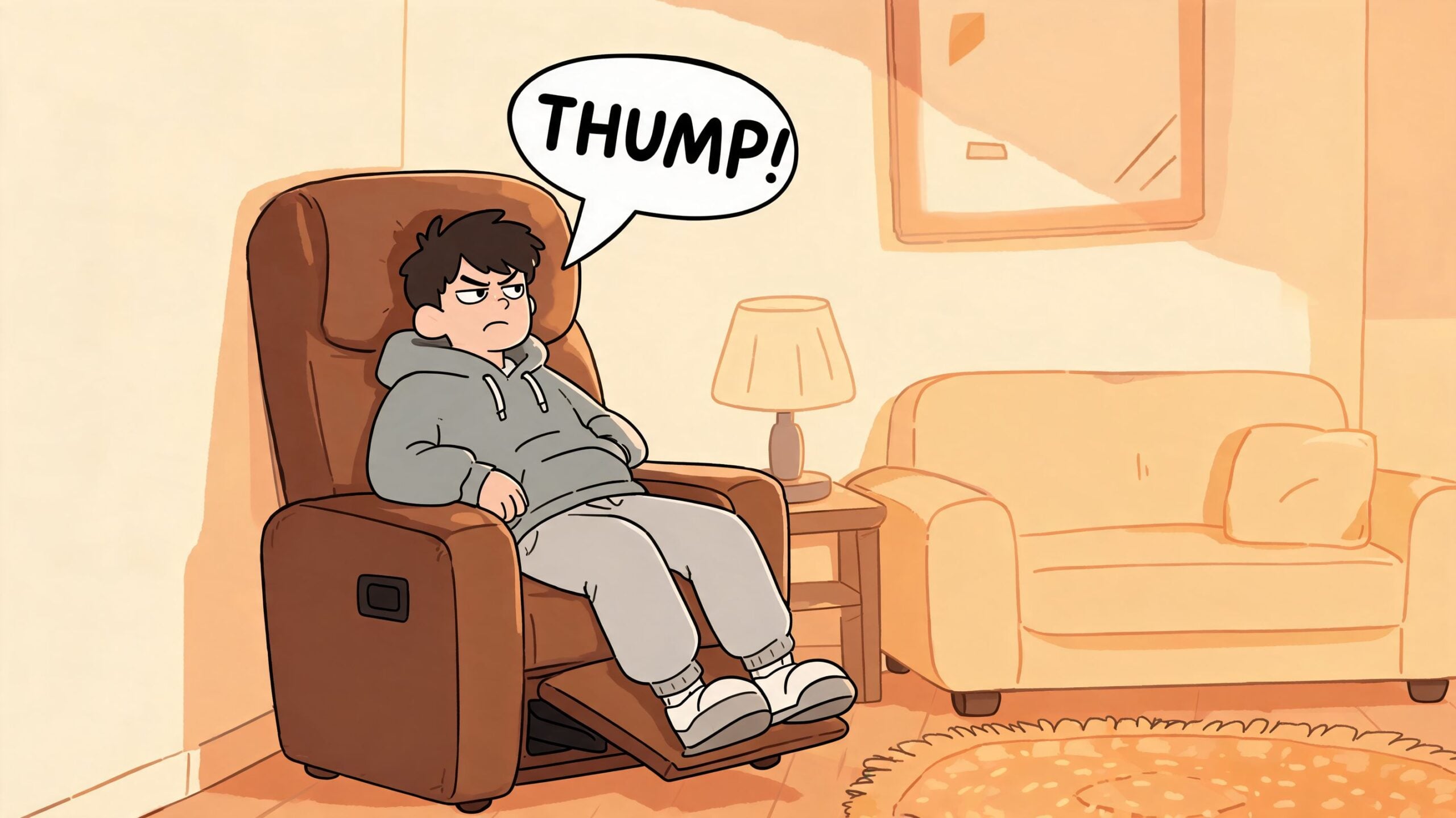
That little thump against the wall can tell you a lot about a recliner.
Maybe you’ve heard it in your apartment living room. Maybe it happened in a condo where every inch matters. Maybe it was your first clue that the chair you liked in the store didn’t really fit the way you live at home. That’s where wall saver recliners start making a whole lot of sense.
We’ve been helping Milwaukee-area families furnish their homes since 1928, and this is one of those categories that sounds technical at first but becomes very simple once you see how it works. If you’ve been wondering whether wall saver recliners are worth it, how much space they really save, or which features matter most, you’re in the right place.
Welcome to a World of Space-Saving Comfort
A lot of folks start their wall saver search the same way. They want the comfort of a recliner, but they don’t want the chair parked halfway into the room just so it can lean back.
That’s a real issue in Metro Milwaukee homes. Apartments, condos, smaller ranch homes, and senior living spaces often need furniture that works smarter, not just bigger. A recliner can feel wonderful when you’re sitting in it, but not so wonderful when you’re stepping around it all day.
Wall-hugger recliners first showed up in the 1970s as a space-saving answer to that problem, according to this overview of the evolution of recliner technology. That design made it possible to place a recliner much closer to the wall than older styles that commonly needed 12-18 inches behind them to fully extend.
Good furniture advice starts with real life: if a chair fits your body but not your room, it’s not the right chair.
We like wall saver recliners because they solve a practical problem without giving up comfort. They’re especially helpful for people who want a cleaner furniture layout, easier walkways, or a chair that doesn’t dominate the whole room.
And if you’ve ever felt unsure about the terms, the measuring, or the features, you’re not alone. That confusion is normal. A lot of the names overlap, and a lot of product descriptions skip the plain-English explanation people need.
What Exactly Is a Wall Saver Recliner
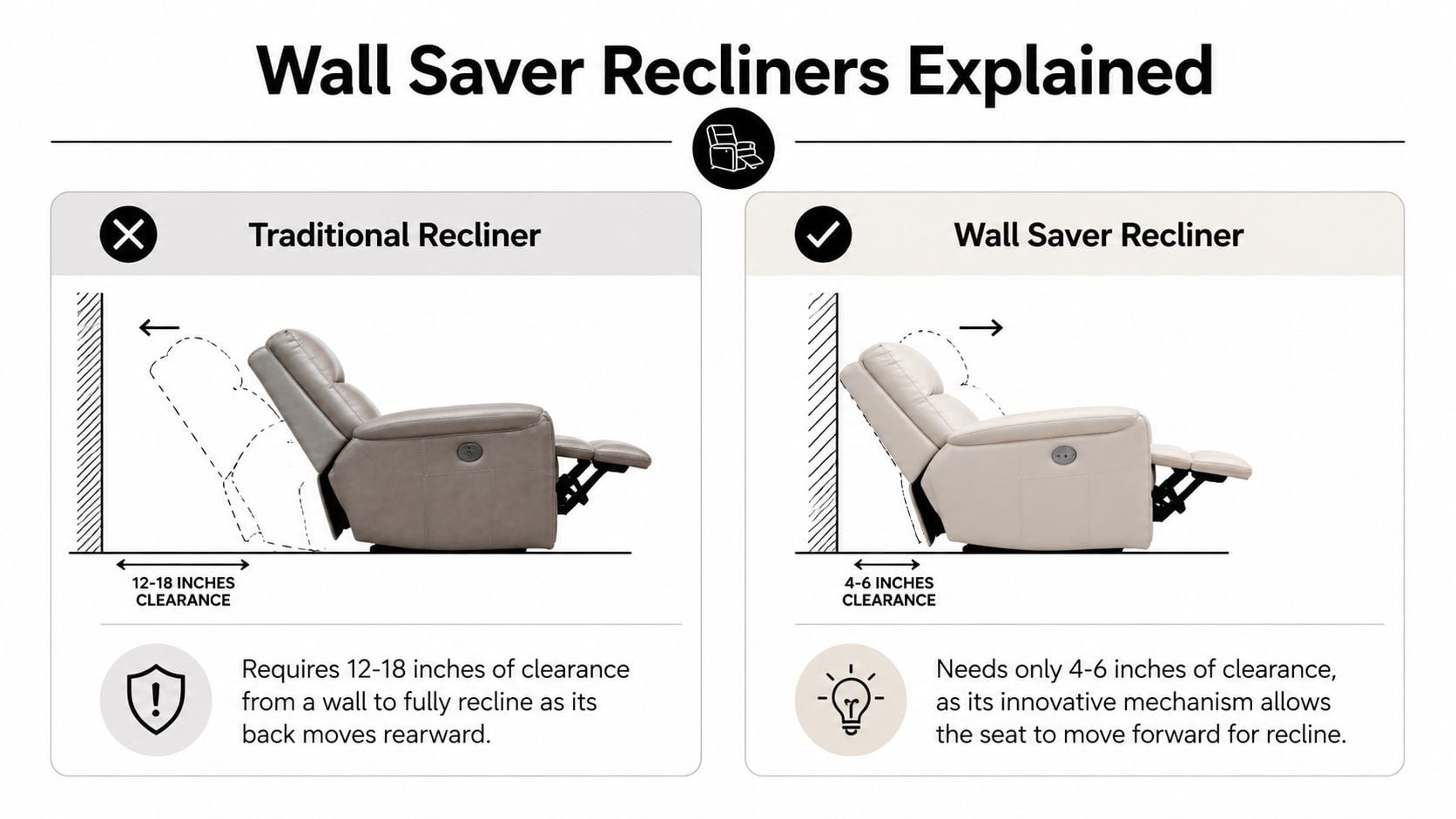
A wall saver recliner is a recliner designed to sit close to the wall and still open up comfortably. The easiest way to think about it is this: instead of pushing far backward first, the chair’s seat moves forward as it reclines.
That’s the big difference.
How the mechanism works
A standard rocker recliner usually needs more room behind it because the back travels rearward. A wall saver recliner uses a gliding track mechanism on a heavy-duty steel base, and that mechanism lets the seat slide forward before the chair leans back. According to this mechanical demonstration of a wall-saver recliner, many models can fully recline with only 4-6 inches of wall clearance, compared with 11 inches or more for standard rocker recliners.
If you’ve ever opened a drawer that glides out smoothly before you reach what’s inside, that’s a useful mental picture. The chair doesn’t just tip backward. It moves in a more controlled path.
Wall saver, wall hugger, and zero wall
These names often trip people up.
In everyday furniture shopping, wall saver, wall hugger, and sometimes zero wall are all used to describe recliners built for tight spaces. The details can vary by manufacturer, so it’s smart to ask exactly how much wall clearance a specific chair needs. But the shared idea is the same: you get reclining comfort without having to float the chair far into the room.
Here’s the quick comparison:
| Recliner type | Typical wall clearance |
|---|---|
| Traditional rocker recliner | 11 inches or more |
| Wall saver recliner | 4-6 inches |
That space difference is why these chairs work so well in smaller homes, TV rooms, bedrooms, and senior living apartments.
If you’d like a broader look at powered motion seating styles, our guide to types of power reclining seating helps sort out the language.
When shoppers say, “I need a recliner, but I can’t waste space,” this is usually the category they mean.
Choosing Your Recliner's Best Features
A wall saver recliner earns its keep in two ways. It saves space, and it needs to feel good enough that you want to use it every day.
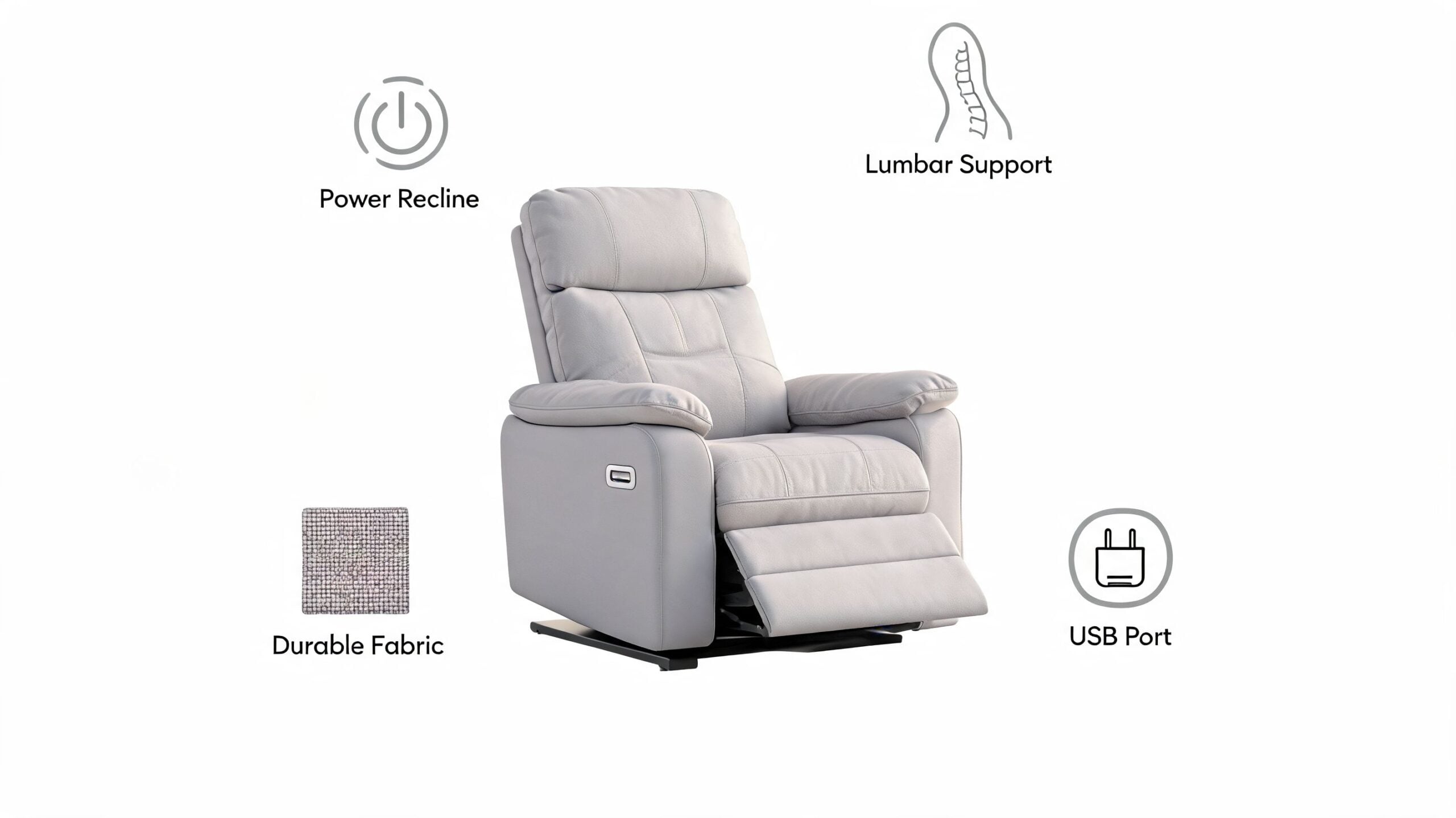
Shoppers in Milwaukee often start with the footprint, especially in condos, bungalows, apartments, and senior living spaces. That makes sense. But after helping families choose recliners for decades at BILTRITE, I can tell you true satisfaction usually comes from the parts you do not notice at first glance. The frame, the support, the upholstery, and the way the controls work all shape whether a chair still feels like a favorite a few years from now.
Start with the frame
The frame is the chair’s skeleton. If that part is weak, the padding and fabric cannot make up for it.
One detail that gets overlooked is USA-made and Amish-made construction. Many imported recliners look attractive on the sales floor, but build quality can vary a lot from one model to the next. Domestic makers often put more attention into heavier-duty frames, better joinery, and replacement parts that are easier to get later. For Milwaukee households that use a recliner every night, that matters.
Ask a few plain questions before you buy. Is the frame solid wood, engineered wood, or a mix? What supports the reclining mechanism? Is the chair built for daily use by one person, or regular use by the whole family? Those answers usually tell you more than a sales tag ever will.
Upholstery changes how the chair lives in your home
The cover you choose affects comfort, upkeep, and how relaxed you feel using the chair.
Fabric is often the easygoing choice for busy households. It can feel warmer and softer right away, and many performance fabrics are easier to live with if grandkids visit, the dog jumps up, or snacks make their way into the TV room. Leather gives you a different kind of value. It wears in with character, wipes up quickly, and fits homes seeking a more refined aesthetic.
A good test is simple. Picture a normal Tuesday night in your house. If you would worry about every cup of coffee or paw print, the upholstery is probably not the right match.
Power or manual
This choice depends on how you sit, how often you recline, and how easy you want the chair to be to use.
Manual recliners appeal to people who like a straightforward handle or push-back design. Power recliners offer more control, which can be a big help if you read in the chair, watch long movies, nap, or deal with stiffness in your back or legs. Instead of settling for one or two stopping points, you can fine-tune the position.
If you are comparing powered models, these features are often worth a close look:
- Power headrest: supports your head and neck without forcing the whole chair farther back
- Power lumbar: adds lower-back support where many people feel strain first
- USB charging: useful if this is also your reading or phone-charging spot
- Extended footrest: gives taller users better support through the calves and heels
If lower-back comfort is high on your list, our guide to adjustable lumbar support explains what that feature changes in everyday use.
Specialty comfort features
Some wall saver recliners include comfort upgrades that go beyond basic reclining. Zero Gravity is a good example. It changes the angle of your body so your legs and back feel more evenly supported. For some people, that position feels like pressure is taken off the lower back after a long day.
That kind of feature is especially helpful for the shoppers we meet who want more than a TV chair. They want a chair for recovery after work, a comfortable seat after surgery, or a recliner that is easier to get in and out of as mobility changes with age.
A feature deserves its price when you use it often. Headrest adjustment, lumbar support, and easy power control are not extras if they make sitting more comfortable every evening.
One example in this category is the Power Wall-Saver Recliner 170-97-21 from HomeStretch available through BILTRITE Furniture-Leather-Mattresses, which is a factual example of the type of powered wall saver many shoppers compare when they want compact placement with added adjustment.
How to Find the Right Fit for Your Home
Measure twice, relax once.
That little saying saves people a lot of frustration. Most wall saver recliner problems don’t come from the chair being uncomfortable. They come from skipping one of the measurements that matters.
Measure the room and the path
Start with the space where the recliner will sit. Check width, depth, and the room needed in front of the chair when the footrest is up. Then look at what people forget: the route into the home.
That means front doors, apartment entries, stair turns, elevators, hallway corners, and room doorways. A recliner that fits your living room on paper can still be a headache if it won’t make the turn at the top of the stairs.
That’s why come-apart recliners matter. Some models are designed so delivery is easier in tighter homes, condos, and older Milwaukee houses with trickier access.
Our guide on how to measure furniture walks through the process in plain language.
Don’t ignore body fit
A chair can fit the room and still fit the person poorly.
If your feet hang off the footrest, your head lands above the back cushion, or the seat feels too deep to stand up from easily, the dimensions are wrong for you. Seniors and caregivers run into this issue often because many buying guides stop at room size and barely talk about ease of use.
Check weight capacity and mobility needs
This is one of the most overlooked parts of shopping for wall saver recliners. A lot of content focuses on the small-space angle and says very little about weight capacity, limited mobility, or whether a recliner works well for senior living. One industry discussion points out that guidance is often thin here, even though standard models commonly fall in the 250-400 lb range while heavy-duty needs may be over 500 lbs, as noted in this overview of wall hugger recliner considerations.
That doesn’t mean everyone needs a heavy-duty model. It means you should ask before you buy.
Use this quick checklist:
- Seat height: Is it easy to get in and out without a deep drop?
- Arm support: Can you push off comfortably when standing?
- Control style: Is a button easier than a manual handle?
- Capacity: Does the chair match the user, not just the room?
- Delivery shape: Will it fit through the home without trouble?
Some of the smartest furniture shopping happens before you fall in love with a fabric. Start with fit, path, and function.
Wall Savers for Every Milwaukee Lifestyle
A wall saver recliner can solve very different problems depending on who’s using it. That’s one reason this category has grown and changed over time.
Recliners have been evolving since around 1850, when the French introduced a portable camp bed design that could serve as a chair, bed, or chaise longue. The 1928 patent by Edward Knabusch and Edwin Shoemaker helped modernize recliner mechanics, and today’s models include motorized systems, ergonomic design, and integrated technology, as described in this history of the historical evolution of chairs.
A Bay View apartment
A young couple moves into their first apartment. They want movie-night comfort, but the living room also has to handle a coffee table, a lamp, and a path to the balcony door.
A bulky old-school recliner would crowd the room. A wall saver gives them the comfort they want while keeping the layout cleaner. In that setting, small-scale proportions matter as much as the recline itself.
A Greenfield senior living space
A daughter helps her dad furnish a smaller apartment after a move. He still wants his own chair. He just needs one that’s easier to use and easier to place.
Powered wall saver styles can make daily life simpler. A smooth reclining motion, supportive arms, and easier access matter more than flashy extras. For families comparing options with mobility support, our page about a recliner with lift for elderly can help clarify what to look for.
A busy family room in Waukesha
Two kids, one dog, and one chair that everybody claims first. That’s a familiar scene.
This household usually needs a wall saver recliner with sturdier construction, a practical cover, and a shape that doesn’t eat up the room. The history of recliners matters here because modern designs didn’t appear overnight. They were refined over many generations, and today’s specialized models reflect that long process of improvement.
Different homes need different chairs. A good wall saver recliner should match the room, the user, and the pace of everyday life.
Keeping Your New Recliner Happy and Healthy
A wall saver recliner has a job to do every day. It slides, tilts, supports your legs, and helps you settle in for a quiet evening, a Packers game, or an afternoon nap. Like a good pair of work boots, it lasts longer when you give it basic care on a regular basis.
Start with the part you touch most. Upholstery.
Fabric recliners do best with routine vacuuming, especially along the seat cushion, arms, and the creases where crumbs and dust like to hide. Spills should be cleaned quickly and according to the care instructions for that specific material. Leather needs a different approach. Keep it clean, keep it out of harsh sun when you can, and condition it from time to time so it stays flexible instead of getting dry or stiff. Our guide on how to condition a leather sofa walks through the same care basics that help many leather recliners.
The mechanism needs a quick look too.
Wall saver recliners are built to move in a specific path, so the area underneath and behind the chair should stay clear. Kids' toys, pet beds, charging cords, and bunched-up throws can interfere with the motion. In Milwaukee homes where every inch matters, that little habit goes a long way.
A few habits that help
- Keep the track area clear: Check around the base before reclining, especially in tighter rooms or apartments.
- Use the controls with a light touch: Buttons, handles, and footrests work better and last longer when they are not forced.
- Pay attention to new sounds: Squeaks, rubbing, or uneven motion usually mean it is time to inspect the chair before wear gets worse.
- Protect the cover: Direct sunlight, rough cleaners, and skipped cleanings age fabric and leather faster than normal daily use.
If your recliner has power features, treat it a little like any other motorized item in the house. Give it room to operate. Keep the cord positioned safely. If something starts acting differently, do not keep pushing the button and hope it fixes itself.
A chair rarely goes from perfect to broken overnight. More often, it gives small warnings first. The footrest may close unevenly. One side may sound different from the other. The seat may start feeling slightly off-level.
That is the time to ask questions.
At BILTRITE, we have spent decades helping Milwaukee families choose furniture that holds up in real homes, not just in a showroom photo. A quick question early can prevent extra wear and help your wall saver recliner stay comfortable for years.
Come Say Hi and Find Your Favorite Chair
Wall saver recliners make sense for a lot of homes because they solve a practical problem in a comfortable way. They help when space is limited. They help when mobility matters. They help when you want your room to feel open without giving up the joy of putting your feet up to relax.
We’ve been part of the Metro Milwaukee community since 1928, and we still believe furniture shopping works better when you can sit in the chair, test the motion, feel the support, and talk with someone who knows the difference between a chair that looks good and a chair that lives well. That’s one reason we don’t sell online. We want people to try things in person and make a confident choice.
Why the showroom matters
Photos can’t tell you everything.
A recliner may look compact online and still feel too deep when you sit in it. Another may seem simple in a picture and turn out to be the one that fits your back just right. The only honest way to know is to spend a little time with it.
That hands-on experience also helps when you’re comparing:
| What to test in person | Why it matters |
|---|---|
| Seat height | Easier sitting and standing |
| Back support | Better comfort during longer use |
| Recline motion | Smoother operation feels different right away |
| Arm shape | Affects both comfort and mobility |
| Overall scale | Helps you judge whether it suits your room and body |
A local, family-first way to shop
We’re a fourth-generation family business, and that shapes how we do things. We care about affordable, better-quality furniture. We care about USA-made and Amish-made options. We care about helping people find something that suits their real home, not just a catalog page.
We’re also proud to be closed on Sundays so our families can be with each other. That family-first approach is part of who we are, and we think it shows in how we help customers too.
Our team brings over 400 years of combined experience, and that matters when you’re trying to sort through details like scale, support, construction, delivery access, and everyday comfort. No pressure. Just helpful guidance from people who’ve been doing this a long time.
If you’re shopping for wall saver recliners and want honest, local help, come visit BILTRITE Furniture-Leather-Mattresses in Greenfield. We’d love to help you compare styles, test comfort, and find a chair that fits your room and the way you live.