Heavy Duty Furniture Sliders for Carpet: Our Family Guide

A lot of living rooms reach the same moment. The sofa needs to shift a few feet, the dresser has to move for new carpet lines, or the bed frame needs to slide over so the room finally feels right. Then reality shows up. The furniture is heavy, the carpet grabs every leg, and nobody wants to wreck a good rug or strain a back doing a simple room refresh.
That's why heavy duty furniture sliders for carpet deserve more attention than they get. They're small, inexpensive, and they solve a very real problem for homeowners with solid wood bedroom sets, deep sectionals, recliners, and other built-to-last pieces. They're especially useful in homes with the kind of substantial furniture many Milwaukee-area families prefer.
Table of Contents
- The Agonizing Shuffle Rearranging Heavy Furniture
- What Are Heavy Duty Furniture Sliders Anyway
- How to Pick the Right Sliders for Your Home
- Using Your Sliders Like a Pro Our Step by Step Tips
- Common Slider Slip Ups and How to Fix Them
- Protect Your Investment with the Right Accessories
The Agonizing Shuffle Rearranging Heavy Furniture
Most households know the routine. One person lifts, another pushes, somebody says “watch the carpet,” and the whole thing turns into an awkward shuffle across the room. It's worse with real wood furniture, larger sectionals, and older pieces that were built with some honest weight behind them.
That struggle isn't rare. According to the National Association of Home Builders data summarized in the prompt source, slider use correlates with a 28% reduction in property damage claims during tenant transitions, with $1.2 billion in annual savings, and carpet repairs can run $150 to $450 while sliders often cost $10 to $25. That's the kind of math homeowners should pay attention to.
Practical rule: If a furniture move feels risky enough that someone says “maybe just drag it carefully,” it's already time for sliders.
A common example is the family room reset. A sectional gets pulled away from the wall to make better traffic flow, then the coffee table shifts, then the recliner has to move too. What looked like a quick update suddenly risks carpet snags and scuffed baseboards. A smarter layout should feel exciting, not expensive.
For households looking for fresh layout ideas before moving anything, these uncommon furniture arrangements can spark a better plan.
The bottom line is simple. Heavy furniture on carpet fights back. Sliders give homeowners an advantage without turning a room update into a repair bill.
What Are Heavy Duty Furniture Sliders Anyway
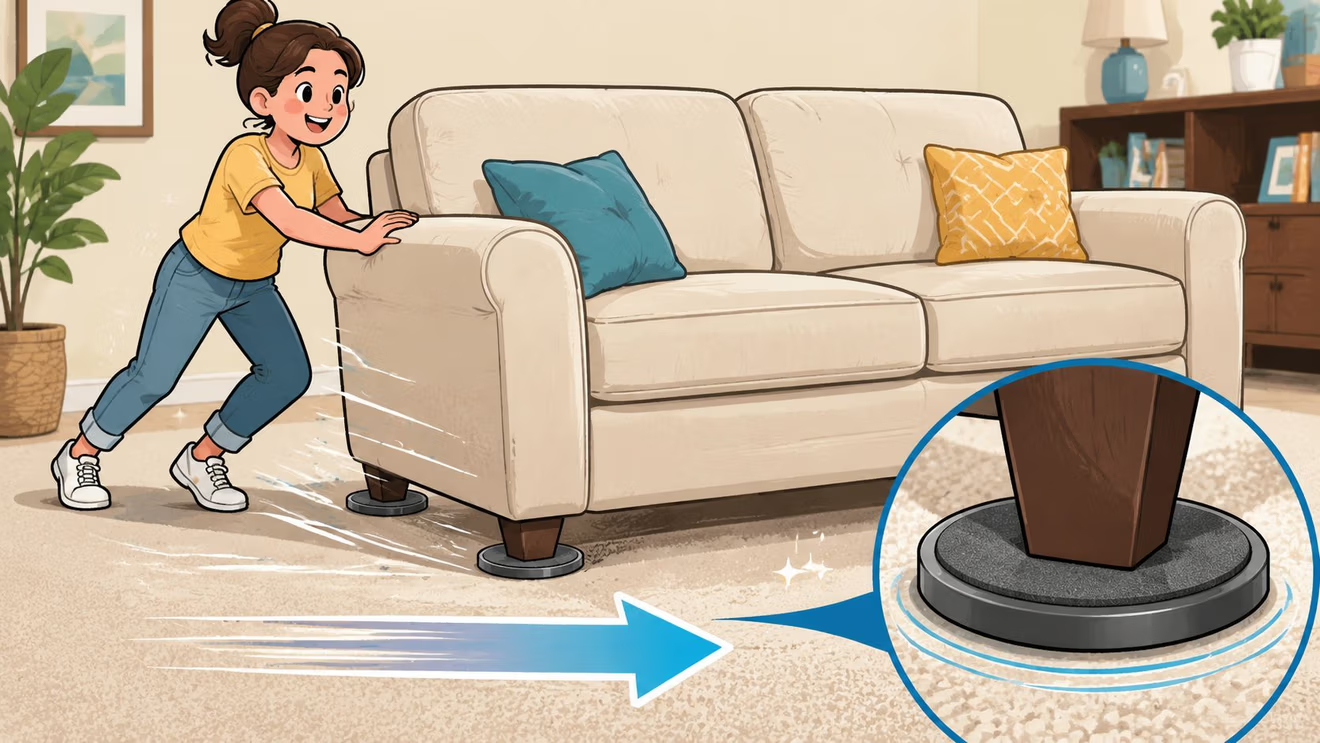
Heavy duty furniture sliders for carpet are simple tools with one job. They sit under the legs or corners of heavy furniture so the piece glides across carpet instead of digging into it. Think of them as little moving platforms that help weight move with less resistance.
They aren't all made the same, and that matters. For carpet, sliders often use felt and rubber foam or plastic and rubber foam construction, designed to combine low-friction movement with a secure grip on the furniture base, as described on this carpet slider materials reference.
How the parts work together
The slick side handles movement. The foam side helps hold the furniture in place.
That combination matters because carpet creates drag. A slider needs to move across the carpet surface while also staying attached under a chair leg, sofa foot, or bed rail corner. If the base is slippery but the top won't grip, the slider shoots out. If the top grips but the bottom doesn't move well, the furniture still feels stuck.
A good slider for carpet usually does these three things:
- Grips the furniture base well so it doesn't pop out mid-move
- Spreads the weight across a broader area so the leg doesn't bite into the pile
- Keeps movement smooth enough that two adults can guide the piece instead of wrestling it
What a good slider should do
The best heavy duty slider isn't the one with the loudest packaging. It's the one that matches the furniture and the carpet in the room.
For homes with larger sofas, recliners, and denser seating groups, it helps to think in terms of function instead of marketing. The slider should hold steady, move cleanly, and reduce stress on the carpet. That's especially helpful in rooms with substantial seating like the pieces featured in heavy-duty living room furniture collections.
Good sliders don't make heavy furniture weightless. They make the load manageable and far less destructive.
That's the difference. They won't replace common sense, but they can turn a dreaded move into a controlled one.
How to Pick the Right Sliders for Your Home
Most shoppers get tripped up when they see “heavy-duty” on the package and assume they're covered. That shortcut causes most slider problems.
The right pick depends on two things first. Carpet type and furniture load. If those don't match the slider, the move gets harder, not easier.
Start with the carpet, not the package label
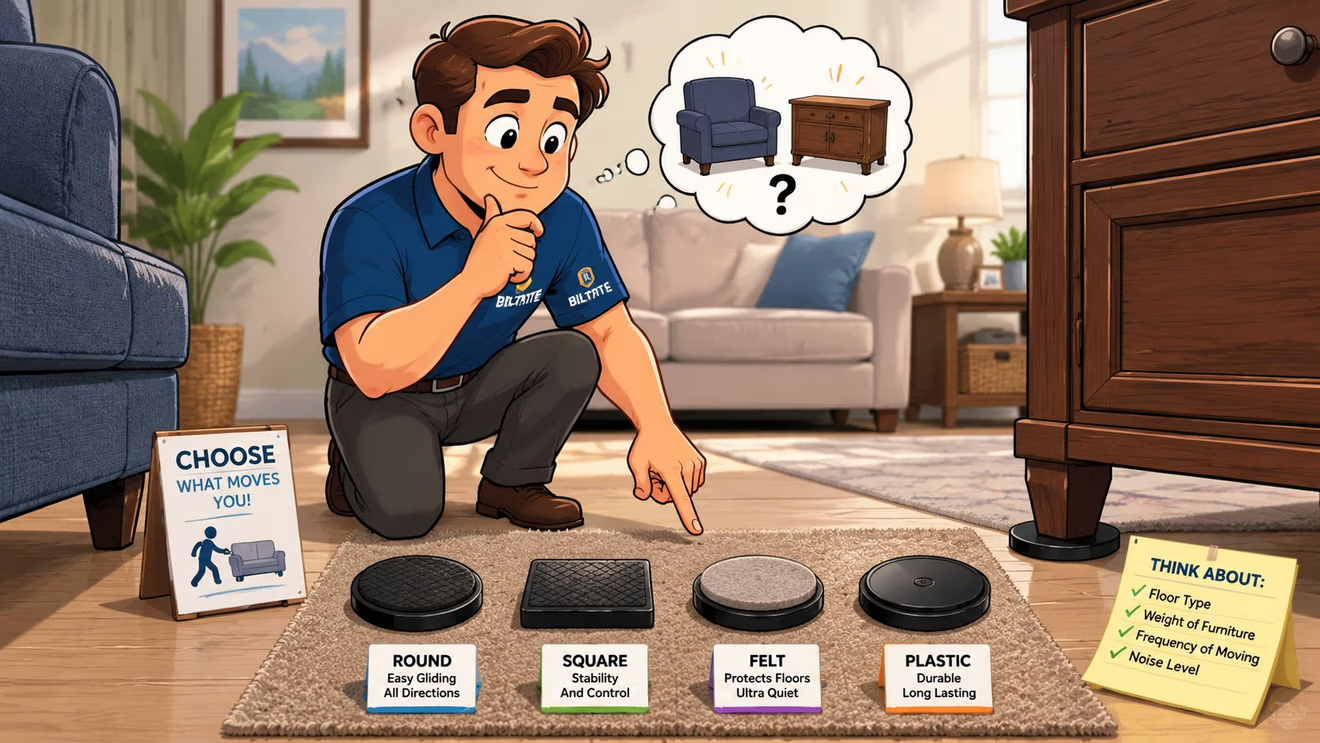
Low-pile carpet is the easiest surface for sliders. Medium-pile carpet needs a little more footprint. Plush carpet is where size really matters, because small sliders can sink down and create drag.
That's why generic “heavy-duty” claims don't say enough. A slider that works fine under a dining chair on tight carpet may struggle badly under a solid wood dresser on plush bedroom carpet.
The wrong slider usually doesn't fail in a dramatic way. It just drags, sinks, and makes everybody wonder why the move feels so hard.
A practical way to choose is to look at the room before the furniture. If the carpet feels deep underfoot, lean bigger. If the furniture has narrow legs and serious weight, lean bigger again.
Match the slider size to the furniture load
Slider geometry matters just as much as material. Larger heavy-duty sliders are commonly sold in sizes such as 4.3 inches and 4.75 inches, which increase surface area and reduce pressure so heavy items glide over carpet instead of digging in, as shown on this heavy-duty slider size reference.
That's not a small detail. It's the whole game.
A larger slider spreads the same weight over more area. That lowers pressure on the carpet pile and helps prevent the furniture leg from acting like a punch. For heavy wood furniture, big sectionals, and loaded dressers, larger sliders are the safer choice.
For anyone planning a move or rearrangement, measuring furniture the right way helps avoid another common mistake, which is setting up the move before checking actual dimensions and clearance.
A quick chooser
| Room setup | Better slider direction |
|---|---|
| Low-pile carpet + lighter chair or side table | Standard carpet slider can work |
| Medium-pile carpet + sofa or recliner | Larger heavy-duty slider is the smarter pick |
| Plush carpet + solid wood bed, dresser, or sectional | Choose a larger-format slider with strong grip |
| Narrow furniture legs + lots of weight | Prioritize bigger footprint over flashy “heavy-duty” wording |
Three blunt recommendations make this easier:
- Choose larger sliders for heavier furniture. This isn't overkill. It's the right tool.
- Don't trust the label alone. “Heavy-duty” means very little if the pad is too small.
- Treat plush carpet as a tougher job. It needs more bearing area, not more optimism.
That approach saves time, frustration, and carpet wear.
Using Your Sliders Like a Pro Our Step by Step Tips
A good slider still needs good setup. Most problems happen before the furniture even starts moving.
Before anything moves
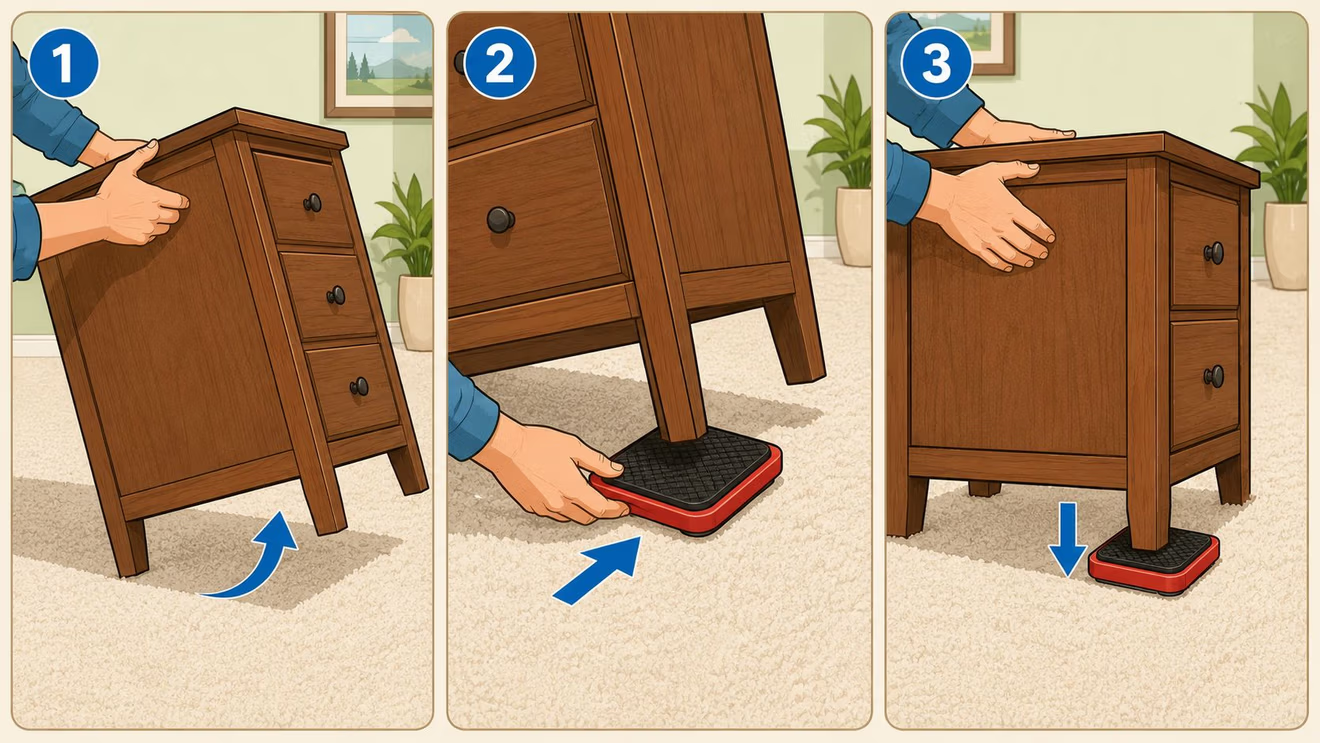
Clear the path first. Remove small rugs, baskets, lamps, cords, and anything that can catch under a leg or slider. Then decide exactly where the furniture is going. Wandering around the room while holding up a sofa corner is a bad plan.
Use a team lift for large pieces. Raise one corner just enough to place the slider under the contact point. Don't over-lift. The goal is placement, not a deadlift contest.
A few prep checks help a lot:
- Check each contact point: Every leg or load-bearing corner needs support
- Center the slider carefully: A half-on placement invites slipping
- Watch tall furniture: Dressers and bookcases need extra caution because weight shifts higher
The actual sliding process
Push slowly and stay level. Furniture should glide, not jerk. If one person is pulling and another is shoving from the side, the sliders can twist out.
Move a few inches at a time, then pause and check placement. That's especially smart on thicker carpet or when turning a piece through an angle.
Slow, even pressure beats brute force every time.
For larger moves with stair access involved, these practical tips for moving heavy furniture upstairs are worth reviewing before anyone starts improvising.
One-time move or regular rearranging
This part gets overlooked all the time. Slider choice should match how often the furniture will move.
A one-time room reset may do fine with a simpler option. Regular seasonal rearranging, vacuum access, or repeated cleaning behind a sectional calls for something more durable. Repeated use changes the equation because pad wear, carpet compression, and adhesive residue become more important over time, as noted in this overview of reusable versus one-time furniture slider options.
A practical split looks like this:
One-time move
Temporary help is often enough if the furniture won't move again soon.Frequent cleaning access
Reusable options make more sense because the job repeats.Regular room rearranging
Go bigger and sturdier. Repetition exposes weak pads fast.
That's the pro approach. Match the slider not only to the furniture, but also to the lifestyle.
Common Slider Slip Ups and How to Fix Them
Even good sliders can misbehave when the match is wrong. Most trouble comes from size, carpet depth, or bad placement.
A key issue is choosing by label instead of actual use. A “heavy-duty” slider that's too small for the furniture load or carpet depth can sink, increase drag, and fail to distribute pressure well, which defeats the whole purpose, as explained on this guide to matching glides to load and surface.
When the slider keeps slipping off
Usually, the leg isn't centered or the top surface isn't gripping the base well enough. Lift the piece again just enough to reset the slider directly under the weight point. If the furniture leg is narrow or uneven, a larger pad often holds better.
Another common problem is trying to move too fast. Quick shoves twist the slider sideways.
- Reset the contact point: Make sure the leg sits fully on the slider
- Reduce side-angle pushing: Push in the direction of travel
- Use all required sliders: Missing one corner throws off the entire move
When the furniture feels stuck
That usually means the slider is undersized for the carpet or the load. Plush carpet is the usual culprit, but heavy solid wood pieces can create the same issue on medium pile too.
Try these fixes:
- Switch to a larger slider if the current one feels buried
- Lighten the load by emptying dresser drawers or removing cushions
- Straighten the route because rug edges and transitions create extra resistance
If the piece wobbles, stop and reposition. Wobbling means the weight isn't sitting evenly. Furniture should feel supported before it moves another inch.
Protect Your Investment with the Right Accessories
Good furniture deserves good care. That applies to the carpet under it too. Heavy duty furniture sliders for carpet are one of those small accessories that make a big difference because they help protect both the room and the furniture during the kind of moves real families make all the time.
That matters even more with solid wood, Amish-made, USA-made, and other substantial pieces built for long-term use. Better-quality furniture often carries more weight, and that's exactly why smart accessories matter. The goal isn't just easier moving. It's avoiding unnecessary wear while keeping the home looking sharp.

For homeowners thinking long-term, floor protection tips for furniture are worth keeping in the same playbook as sliders, pads, and careful room planning.
One strong opinion belongs here. Cheap accessories that don't match the job aren't a bargain. They just delay the problem. The right slider size, the right material, and the right use pattern save hassle and help keep a home in better shape.
BILTRITE Furniture-Leather-Mattresses has helped Metro Milwaukee families furnish their homes since 1928 with affordable, better-quality furniture and mattresses, including USA-made, Amish-made, solid-wood, small-scale, and heavy-duty options. The Greenfield showroom gives shoppers a chance to see the craftsmanship up close, talk with a friendly team with deep experience, and get honest guidance without pressure. Ready to upgrade the room and protect it too? Visit BILTRITE Furniture-Leather-Mattresses and say hello in Greenfield.