Mattress Pad to Make Bed Softer: How We Choose Ours


A quality mattress pad or topper is the simplest way to make a bed softer without replacing the whole mattress. A layer in the 2- to 4-inch range, with about 3 inches often serving as a practical sweet spot, can add noticeable cushioning, but the right material and thickness matter just as much as softness.
After a long day, a too-firm bed can feel less like a place to rest and more like a flat board. A sleeper may wake with sore shoulders, tender hips, or the nagging feeling that the body never settled into a comfortable position. The good news is that a mattress pad or topper can change the top feel without requiring a complete bedroom overhaul.
The important distinction is support. A bed should cushion pressure points while still keeping the body aligned. A fluffy layer that feels wonderful for a few minutes may become hot, unstable, or overly compressed during the night. BILTRITE Furniture has helped Metro Milwaukee families choose mattresses and comfort layers since 1928, and the same practical rule continues to hold: softer isn't automatically better if the body loses support.
Table of Contents
- Why Your Bed Feels Too Firm
- Memory Foam vs. Latex vs. Fiberfill
- Choosing the Right Thickness and Density
- How to Install Your New Soft Layer
- When Softer Might Not Be Better
- Alternatives to a Standard Mattress Pad
- Visit Our Showroom for Expert Help
Why Your Bed Feels Too Firm
You wake with a tender shoulder, a stiff lower back, or a hip that feels bruised after sleeping on your side. Those clues point to a comfort problem, but they do not always mean the mattress needs the softest layer available. A firm surface can feel harsh, while too much cushioning can let the body sink out of alignment.
Start by separating surface firmness from support underneath. A mattress may feel hard because its comfort layers are thin, or because the foundation and mattress have developed uneven wear. Heat can also make a sleeper shift repeatedly, creating discomfort that feels like a firmness issue. Check the bed before buying anything: look for sagging, a tilted sleep position, uneven support, or a foundation that moves.
A simple showroom-style check
Lie in your usual position for several minutes. Notice whether pressure builds at the shoulder or hip, whether the lower back feels unsupported, and whether your body settles evenly. Turn from side to side. If movement feels unstable or the mattress compresses sharply beneath one area, adding plushness may hide a deeper problem.
In our Greenfield showroom, shoppers who expect a thin quilted pad to fix a very firm mattress are often surprised that a thicker topper is needed for meaningful pressure relief. A thin, lightly quilted mattress pad mainly protects the surface and adds modest cushioning. A thicker mattress topper changes the feel more noticeably, as explained in this mattress pad and topper guide. The right choice depends on whether you want a small comfort adjustment or a new sleep surface.
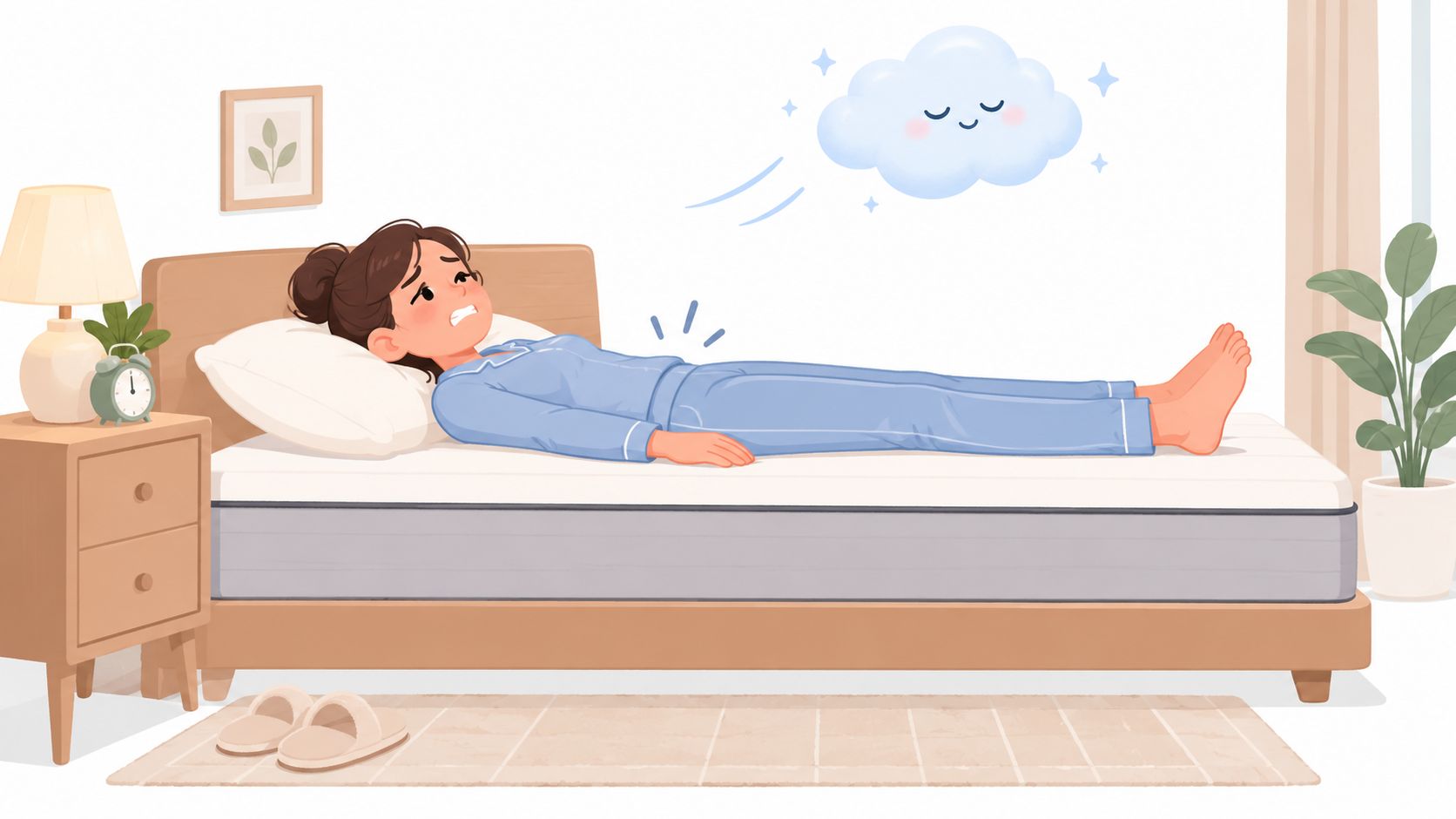
Practical rule: If the mattress is sound, adjust the comfort layer first. If it sags, bottoms out, overheats, or leaves the body tilted, inspect the mattress and foundation before adding more softness.
The growing interest in comfort layers reflects a practical goal: improve an existing bed without replacing it, as outlined in this mattress topper market analysis. That goal still requires restraint. A thick, dense layer may relieve pressure but can retain heat or make turning harder, while a fluffy layer may compress and leave the body unsupported.
BILTRITE's local showroom experience helps shoppers compare that trade-off in person. Its mattress firmness guide offers a useful starting point before testing options. Aim for enough give to cushion pressure points, while keeping the body level and supported.
Memory Foam vs. Latex vs. Fiberfill
A mattress pad can soften a firm bed, but the material determines whether your body feels supported or sinks into extra cushioning. The right choice depends on the response you want, how easily you move, and whether the added layer keeps you level instead of bottoming out.
| Material | How it feels | Often suits |
|---|---|---|
| Memory foam | Contouring, close-fitting, slower to respond | Sleepers who want pressure relief and a molded feel |
| Latex | Buoyant, responsive, gently cushioning | Sleepers who want softness without feeling trapped |
| Fiberfill | Fluffy, light, pillow-like | Sleepers seeking modest plushness and a traditional padded feel |
Memory foam creates the most noticeable change in surface feel. It molds around the shoulders and hips, which can make a firm mattress feel more forgiving and reduce pressure at those points. The trade-off is slower movement. A deep contour can make rolling over harder, and some sleepers may feel warmer inside the close-fitting surface.
Latex provides cushioning with quicker push-back. It lets the body settle slightly, then responds as you move, so it usually feels easier to turn on than slow-response foam. This suits sleepers who want softness with some lift rather than a heavily sunken feel. Our latex versus memory foam mattress guide explains the difference in response and contouring.
A showroom test makes that distinction easier to judge. At BILTRITE, we have customers lie on memory foam for two minutes, roll over, and then repeat the test on latex. That short comparison reveals slow contour versus quick push-back more clearly than pressing a hand into a sample. It also helps identify whether a plush layer cushions the body or lets the hips sink too far.
Match the material to the sleeper
Fiberfill works differently from foam. It adds a soft, quilted, hotel-style surface, but it generally does less to reshape the mattress underneath. Choose it for light cushioning or a fluffy top, especially when the existing mattress already provides adequate support.
Hot sleepers should favor breathable constructions over the thickest fluffy fill, which we can demonstrate side-by-side in the showroom. A buyer guide covering softness and cooling mattress pad considerations also shows why softness and cooling deserve consideration together.
Choose memory foam for pronounced contouring, latex for responsive cushioning, and fiberfill for lighter plushness. None is right for every sleeper. Test the surface long enough to notice pressure, movement, support, and heat before deciding.
Choosing the Right Thickness and Density
The softest layer is not always the most comfortable one. Thickness changes how much cushioning you feel, while density affects how quickly the material compresses and how steadily it supports your body. A thick pad can feel inviting in the showroom, then create alignment problems if it does not suit your sleeping position, body type, or existing mattress.
Choose the layer's overall feel first, then use density and material to refine the choice. As outlined in BILTRITE's foam density ratings and our in-store testing, lower-density foam, around 3 lb/ft³ or less, tends to feel softer, while 4-5 lb/ft³ usually offers a steadier balance of cushioning and support. This mattress topper thickness and density review provides additional background for reading those specifications.
A position-first decision
Side sleepers should begin with pressure relief. More cushioning can protect the shoulder and hip when the mattress feels unyielding. Lie on the layer long enough to check that your waist remains supported instead of dropping into a hollow.
Back sleepers usually need restraint. A moderate comfort layer can soften pressure around the shoulders and seat while keeping the pelvis from sinking too far. If the lower back feels unsupported, the layer is probably too soft or too thick.
Stomach sleepers need particular care. We often see them choose a very soft, thick foam layer and return it because the midsection dips too far. Starting with a thinner, responsive material, such as latex, can reduce that bottoming-out feeling and keep the surface more stable.
Heavier sleepers should inspect density closely. Low-density foam may feel plush at first but can compress more under concentrated weight. A denser middle-ground option often keeps the body from sinking through the comfort layer while still reducing pressure.
In our local showroom, customers can test these trade-offs by lying in their usual position and changing position several times. That practical check also exposes heat buildup. A thick, slow-responding layer may feel soft but retain more warmth, while a responsive construction can make movement easier.
A mattress pad makes a modest adjustment. A thicker topper changes the bed more noticeably, raises the sleep surface, may require deeper fitted sheets, and can make getting in and out less convenient. Choose enough material to relieve pressure, not so much that your body bottoms out against the mattress or loses support.
How to Install Your New Soft Layer
A soft layer only helps when it stays flat and stable. A topper that shifts, folds, or gathers can create pressure points, trap heat, and make a comfortable mattress feel uneven. Careful installation protects the comfort choice you made in the showroom.
Four steps for a stable setup
Prepare the mattress. Remove all bedding, vacuum loose debris, and check the surface for dampness or uneven support. The mattress should sit level on its foundation before the new layer goes on.
Follow the product directions. Foam may need time to expand and air out. Latex and fiber-filled layers should also be laid flat if the instructions call for it. Do not judge the final feel while the material is still compressed from packaging.
Center and smooth the layer. Match its corners and edges to the mattress, then work from the center toward the sides. At BILTRITE, we pay close attention to the shoulder and hip areas, where a small fold can become a pressure point overnight. Smooth the topper again after adjusting its position.
Secure the bedding. Choose a fitted sheet with enough depth to hold the mattress and comfort layer without pulling them into ridges. A deep-pocket sheet or compatible strap system may be needed for a thicker setup. For a moving base, check our guide to sheets for adjustable beds before fitting the sheet.
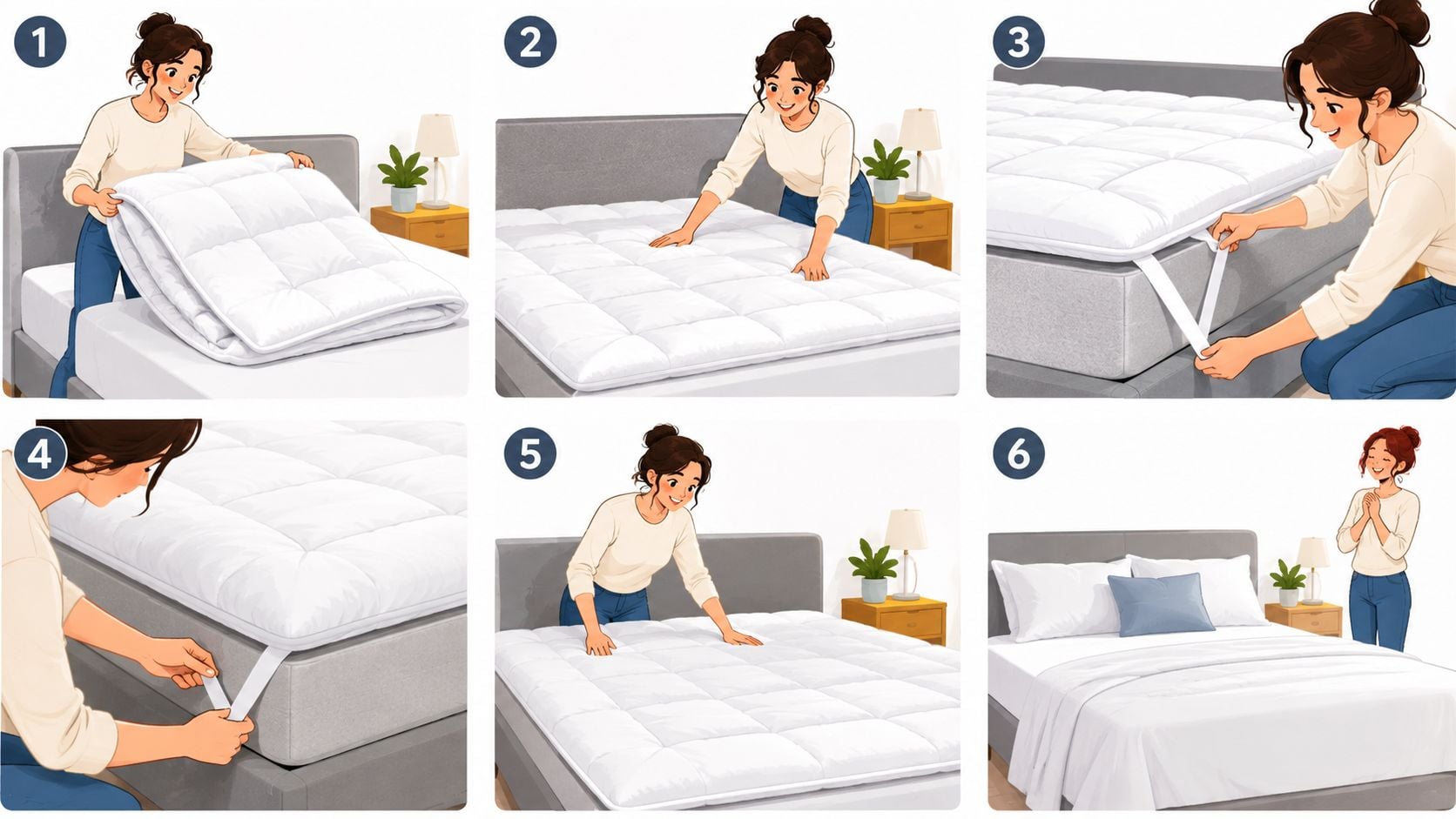
Give the material time to settle before deciding whether it works. A foam or latex layer may feel different after it expands and adjusts to the room and the sleeper. After one or two nights, inspect the surface for migration, bunching, sheet movement, or a new change in alignment.
A simple showroom check can prevent many of these problems. Lie in your usual position, turn as you would at night, and notice whether the layer feels supportive or whether your body sinks through it. Also check for warmth. Thick, slow-responding layers can feel plush while limiting airflow, so adding more material is not always the better solution.
A firm bed with shoulder pressure generally needs a cushioning layer that relieves contact without allowing the hips to bottom out. A warm sleeper may do better with a breathable construction. Back and stomach sleepers should install a modest layer first, since extra height can alter hip position.
Avoid stacking several loose pads. They can slide against each other and form wrinkles or concentrated pressure areas. For technical background on pressure and support surfaces, see this pressure and support-surface study. A smooth, secure layer remains the practical goal.
When Softer Might Not Be Better
A bed can feel wonderfully plush in a brief showroom test and still provide poor support through the night. The body needs cushioning at pressure points, but it also needs a reasonably level foundation beneath the pelvis, shoulders, and spine.
A sleeper should be cautious with an ultra-soft layer when the existing mattress already allows substantial sinking. Back and stomach sleepers are particularly likely to notice a dip beneath the midsection. Heavier sleepers may also compress a low-density layer further, creating a feeling of instability even when the first impression is comfortable.
Signs the layer is too soft
- The hips drop lower than the shoulders. This can indicate that the comfort layer is allowing too much sink.
- Turning becomes difficult. A slow, deep contour may make movement feel restricted.
- The body reaches the firm mattress underneath. Bottoming out means the layer isn't providing enough usable cushioning for the sleeper.
- Heat builds during the night. Additional plush material can reduce airflow around the body.
- The fitted sheet pulls or shifts. An overfilled setup may become unstable as the sleeper moves.
Supportive softness matters more than maximum softness. The right layer cushions the pressure points while allowing the mattress to carry the body evenly.
A pad shouldn't be asked to correct a sagging mattress. If the sleeper rolls toward the center, feels a visible hollow, or notices uneven support across the surface, a comfort layer may only follow the sag. Checking the bed frame and foundation is sensible before making the top thicker.
The same caution applies to persistent pain. A comfort accessory may improve surface pressure, but chronic back pain or ongoing numbness deserves medical attention rather than a series of increasingly plush bedding purchases. A mattress change can be part of the solution, but it shouldn't replace professional advice about a health concern.
The best trial is a calm one. Sleep in the usual position, notice morning comfort, and check whether alignment feels steady. If softness improves shoulder or hip pressure but creates lower-back discomfort, the layer is probably solving one problem while introducing another.
Alternatives to a Standard Mattress Pad
A standard pad is useful when the mattress needs a small comfort adjustment and a washable protective barrier. It isn't always the right tool for a very firm mattress, and buying the plushest pad available can create more problems than it solves.
The first alternative is a mattress topper. Its thicker construction changes the upper comfort system more substantially, making it more appropriate when a lightly quilted pad doesn't relieve pressure. A practical explanation of this difference appears in BILTRITE's guide to what a mattress topper does.
Choose the smallest change that solves the problem
A light fiber-filled pad may be enough when the mattress feels just a little hard or when the sleeper wants extra surface cushioning. A responsive latex layer can add give without the deep sink associated with slower foam. A memory foam layer may make the most noticeable difference for pressure around the shoulders and hips, though temperature and ease of movement still matter.
A quilted protector is another option when protection comes first. Some protective layers add mild plushness, but shoppers should keep expectations realistic. A protector won't turn a worn-out mattress into a supportive one, and waterproof construction may feel warmer than a breathable quilted layer.
The smartest comfort purchase is often the thinnest layer that solves the actual complaint.
Bedding can also fine-tune the result. A breathable sheet can reduce the warm sensation of a plush surface, while a different pillow can improve neck alignment when the mattress height changes. A thicker comforter adds top-of-bed coziness, but it won't relieve pressure beneath the shoulders or hips, so it shouldn't be treated as a substitute for a proper comfort layer.
When the mattress itself needs attention
A soft accessory can't repair a broken foundation, pronounced sagging, or a mattress that has lost its underlying support. In those cases, a foundation inspection or mattress replacement may be more sensible than adding layers. A new mattress also provides an opportunity to choose the comfort and support level together instead of trying to force an unsuitable surface into compliance.
The right solution depends on the complaint. Light firmness concerns call for a pad. Distinct pressure points call for a thoughtfully sized topper. Heat calls for breathable materials and fewer layers. Sagging calls for structural attention first.
Visit Our Showroom for Expert Help
Online descriptions can explain thickness and density, but a body can identify a comfort mismatch much faster by lying on the surface. In a showroom, shoppers can compare a lightly quilted pad with a deeper topper, notice the difference between responsive and contouring materials, and check whether the hips feel supported in a familiar sleeping position.
BILTRITE's Greenfield showroom includes a mattress department with over 60 models, giving shoppers room to compare feels rather than relying on a label alone. The store's sales associates bring over 400 years of combined experience, and their role is to help families narrow the choices without pressure.
Bring the real sleep problem
A useful showroom conversation includes a few practical details:
- The usual sleeping position
- The current mattress's age and condition
- The location of pressure or morning stiffness
- Whether the sleeper tends to overheat
- Whether the desired change is light cushioning or a major feel adjustment
A shopper can also ask to compare the current comfort goal against several thicknesses. That hands-on test often reveals that a moderate layer offers enough softness, while a thicker one creates too much sink or raises the bed uncomfortably.

As a fourth-generation, family-owned business serving Metro Milwaukee since 1928, BILTRITE focuses on affordable, better-quality furniture and mattresses, including USA-made, Amish-made, and solid-wood furniture. The showroom experience also helps shoppers consider the full setup, from mattress and comfort layer to frame height and bedding fit.
BILTRITE Furniture-Leather-Mattresses offers a broad mattress selection, helpful in-store guidance, and comfort options for households across Greenfield and Metro Milwaukee. Visit BILTRITE Furniture-Leather-Mattresses to test mattress pads, toppers, and supportive mattress choices in person, then come on down to the showroom and find a softer bed that still feels steady.