Luxury Mattress Toppers: The Complete Buying Guide


On a cold Milwaukee night, a couple can climb into bed exhausted, shift positions for hours, and still wake up sore. The mattress may not be the culprit. Often, the problem is the comfort layer between the sleeper and the mattress, especially when that layer no longer matches the body, the bedroom temperature, or the way each person sleeps.
A well-chosen luxury mattress topper can change a structurally sound bed without replacing the whole mattress. The trick is to stop treating “luxury” as shorthand for the softest, thickest, most cloud-like option. The better question is whether the topper delivers the right balance of pressure relief, rebound, breathability, density, and fit.
This guide follows that path through material choice, sleep position, specifications, care, and hands-on showroom testing. It also shows how a Milwaukee shopper can turn a confusing bedding decision into a practical comfort test.
Why Your Old Mattress Still Feels Off
In a Bay View bungalow, lake-effect wind rattles the windows while one sleeper rolls onto their back and the other curls sideways around a tender hip. Neither person slept well. One blames the mattress. The other blames the cold room. Both may be partly right, but the missing piece is often the top comfort layer.
A mattress can remain structurally useful while its surface comfort changes. Years of sleeping compresses foam and wears down cushioning materials. Coils may still provide a stable foundation, yet the upper layers can feel uneven or tired. A topper that once felt plush can also flatten beyond its useful life, leaving shoulders, hips, and lower backs to absorb more pressure than they should.
Three reasons comfort changes
The mattress surface has broken down. Repeated compression can create a less forgiving sleep surface, particularly where the body rests most often.
The old topper has lost its shape. Feather and fiber fills can flatten or migrate. Softer foam can develop impressions. The bed may still look acceptable while feeling very different at night.
The sleeper or room has changed. A person's preferred position, body weight, joint sensitivity, or tolerance for heat can shift over time. A bedroom that feels comfortable in winter may feel too warm in another season, and a topper chosen for one partner may not suit the other.
Practical rule: A topper can improve comfort on a mattress that still supports the body, but it can't repair a mattress that sags or lacks a sound foundation.
Before choosing an upgrade, shoppers should separate surface discomfort from structural failure. A useful starting point is this guide to signs that a new mattress may be necessary. If the mattress remains level and supportive, a fresh comfort layer may be the sensible route. If it has deep, persistent sagging, a topper will follow the problem underneath.
The decision becomes much easier when shoppers focus on four questions: Which material fits the sleeper, how does the topper match the sleep position, what do the specifications really mean, and can the combination be tested in person? That approach leads out of the topper maze and replaces guesswork with a bed that feels intentionally matched.
What Makes a Mattress Topper Luxury
A Milwaukee showroom walk-through makes the point quickly. One topper feels plush for a minute, then traps heat. Another has less loft but better rebound, airflow, and body support. Luxury is the layer whose rebound, breathability, density, fill, and cover suit the sleeper, the mattress, and the room temperature.
A high price, tall profile, or silky fabric cannot make the wrong topper luxurious.
The four comfort controls
Loft is the topper's uncompressed height. It changes the bed's profile and determines how much material sits between the sleeper and the mattress. Shoppers commonly find useful choices in the 2 to 4 inch range. Memory foam generally needs at least 1.5 to 2 inches to provide its full effect, as summarized in this luxury mattress topper resource.
Density describes how much foam is packed into a given volume. It affects compression, body support, and shape retention. For regular memory foam use, 4 to 5 pounds per cubic foot is a practical quality benchmark. Higher density creates a more substantial feel, though it can also retain more heat.
Fill is the material inside the topper. Memory foam, latex, wool, down, feathers, and layered constructions produce different combinations of contouring, airflow, resilience, and care needs. In our Milwaukee showroom, I start here because fill determines the topper's basic behavior.
Cover controls first contact with the sleeper. Cotton and Tencel covers support a more considered construction when the fabric breathes, comes off for cleaning, and fits securely. Corner straps or a shaped skirt help keep the topper from shifting beneath the sheets.
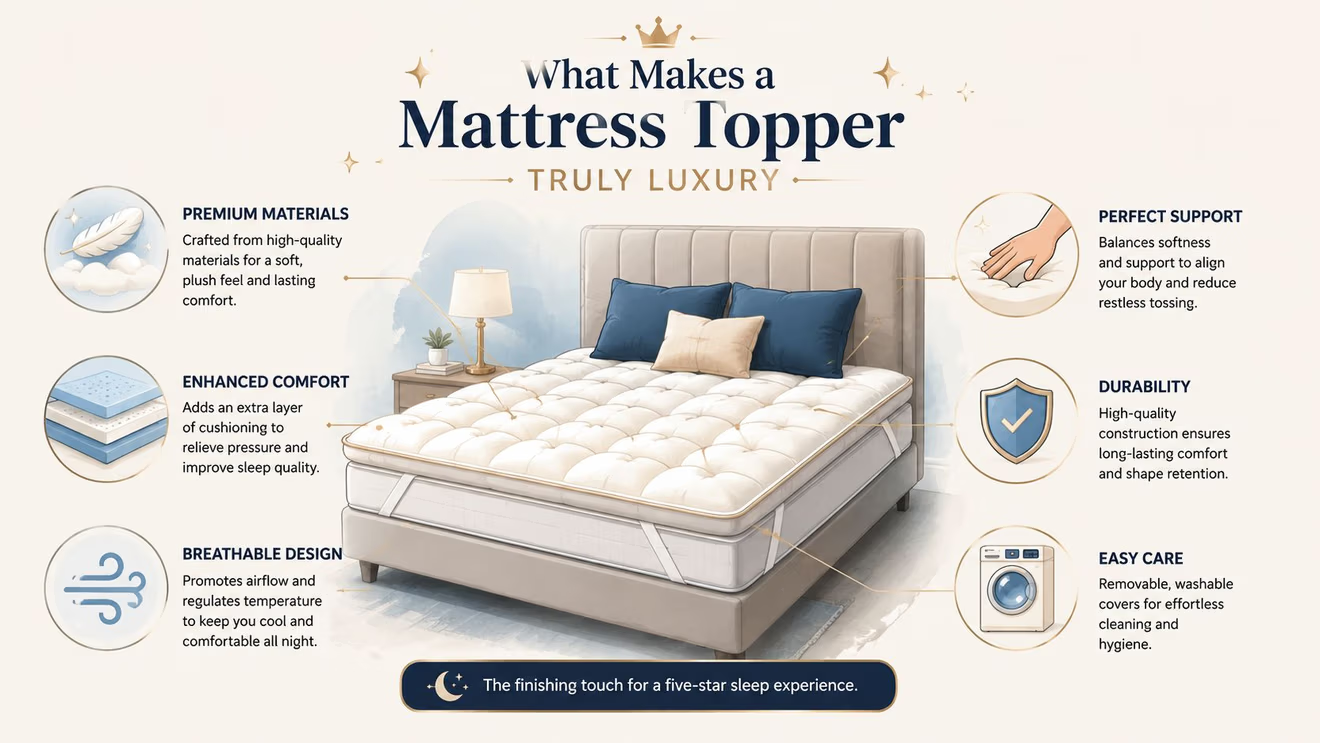
For a plain explanation of the comfort layer, read what a mattress topper does. The topper should change the surface while leaving the mattress's underlying support intact.
Luxury means the specifications agree with the sleeper. A dense, breathable, responsive topper can feel better than a thicker one that overheats or collapses.
My showroom rule is simple: test rebound, notice heat, and judge density together. A premium cover cannot rescue the wrong fill, and extra loft cannot compensate for poor density. Choose the combination that keeps the body aligned and comfortable after the novelty fades.
Comparing the Five Luxury Topper Materials
Material choice determines most of the nightly experience. Memory foam and polyfoam generally provide the closest contouring and strongest pressure relief, while latex offers more airflow and a springier response, as explained in this comparison of cooling mattress topper materials. Natural fills create a different kind of luxury, one based on lightness, loft, and temperature management.
| Material | Feel | Temperature | Best For | Care Note |
|---|---|---|---|---|
| Memory foam | Deep contour and close body hug | Can retain more heat | Side sleepers and pressure points | Spot-clean, don't soak |
| Latex | Buoyant, responsive, and springy | Usually more breathable | Combination and back sleepers | Wipe gently and air out |
| Down and feather | Airy, soft, and cloud-like | Breathable and insulating | Firm mattresses and lighter sleepers | Fluff and redistribute fill |
| Wool | Cushioned but structured | Helps regulate warmth | Hot sleepers and seniors | Brush or vacuum gently |
| Hybrid | Blended contour and rebound | Depends on the layers | Couples or mixed preferences | Follow the most delicate material's care needs |
Memory foam
Memory foam is the clear choice for a sleeper who wants the body held in place. It cushions shoulders and hips and can reduce the sensation of pressure on a firm mattress. The tradeoff is heat retention, slower movement, and possible odor during early airing.
Latex
Latex feels more like sleeping on the bed than sinking into it. It offers push-back, easier movement, and better airflow, although it usually doesn't relieve pressure as much as memory foam. A hot sleeper who dislikes a trapped, molded sensation should start with latex. Shoppers comparing these two broad feels can use this latex and memory foam guide.
Down and feather
Down and feather create a light, hotel-style surface over a firm mattress. They suit lighter sleepers who enjoy softness and don't need the topper to provide much structural support. The fill can flatten or shift, so regular fluffing isn't optional.
Wool
Wool is the practical temperature regulator. It can feel warm in winter and cooler in summer without creating the deep sink associated with dense foam. Seniors and hot sleepers who want gentle cushioning without a heavily molded feel should give wool serious consideration.
Hybrid designs
Hybrid toppers combine materials, such as foam with latex, wool with coils, or fiber with a supportive layer. They make sense for couples with different preferences, or for anyone who wants some contour without giving up breathability. A tired shopper can scan the table first, then begin with memory foam for maximum cradle, latex for responsive cooling, down and feather for airy softness, wool for temperature balance, and hybrid construction for compromise.
Matching a Topper to How You Sleep
Your sleep position should decide the topper before the package's “luxury” label does. In our Milwaukee showroom, I start by watching where your shoulder, hip, or pelvis settles, then match the layer's rebound, breathability, and density to your body and bedroom temperature.
Start with the position
Side sleepers need space for the shoulder and hip to sink without pressing into the mattress. Start with 3 to 4 inches of memory foam at 5 or more pounds per cubic foot, or a 3-inch soft Talalay latex layer around 22 to 24 ILD. The right choice cushions those wider pressure points while retaining enough density to keep you from bottoming out.
Back sleepers usually need a middle feel. A practical target is 2 to 3 inches of latex at 28 to 32 ILD, or memory foam in the 4 to 5 pound per cubic foot range. At the showroom, lie flat for several minutes and check that the shoulders receive cushioning while the pelvis and lumbar area stay supported.
Stomach sleepers need firm control. A 2-inch firm latex layer around 36 or more ILD limits excessive sink beneath the pelvis. A thin down-and-feather topper can add surface softness without creating a deep cradle, though it needs regular fluffing to maintain an even feel.
Adjust for body shape and weight
Heavier bodies, particularly those over 230 pounds, need denser materials and enough loft to avoid bottoming out. Lighter sleepers, especially those under 130 pounds, may get sufficient softness from a thinner, gentler build. A petite side sleeper often needs less depth than a broad-shouldered side sleeper. A broad-shouldered back sleeper may need shoulder cushioning while keeping the midsection firmer.
Seniors often need pressure relief around stiff joints, plus a breathable cover that does not make repositioning difficult. Combination sleepers should favor latex or a responsive hybrid. Easier movement matters as much as contouring when you change positions through the night.
| Sleep Position | Body Type | Best Material | Thickness | Density / ILD |
|---|---|---|---|---|
| Side | Broad shoulders or hips | Memory foam or soft Talalay latex | 3 to 4 inches | 5+ pcf memory foam, or 22 to 24 ILD latex |
| Back | Average build | Latex or medium memory foam | 2 to 3 inches | 28 to 32 ILD latex, or 4 to 5 pcf foam |
| Stomach | Any build needing firm support | Firm latex or thin feather fill | Around 2 inches or thin profile | 36+ ILD latex |
| Side | Petite frame | Soft latex or memory foam | Moderate profile | Softer feel, without excessive depth |
| Combination | Most body types | Latex or hybrid | Moderate profile | Responsive construction |
Couples with different needs should not default to the softest compromise. Try a split setup, a responsive hybrid, or a showroom test with both sleepers. Spend time in each usual position, and judge whether the surface stays breathable as well as comfortable. Shoppers focused on shoulder cushioning can also consult this side-sleeper topper guide.
Thickness, Loft, and Density Explained
Thickness tells you how tall the topper is. Loft describes the height and airiness of its fill before your body compresses it. Both influence sink, but material and density decide whether that height brings useful support or a temporary plush feel.
Topper profiles range from thin layers to deep constructions. Measure the topper with the mattress, then check the fitted sheet's pocket depth before buying. A tall layer can improve pressure relief, yet it can also alter the bed's support and make fitted sheets difficult to secure. In our Milwaukee showroom walk-through, I treat height as a starting point, not a luxury score.
Reading foam density
Memory foam density is measured in pounds per cubic foot, or pcf. Lower-density foam usually feels softer and more flexible, with less resistance to long-term compression. Mid-density foam suits regular nightly use for many sleepers, while higher density generally provides a more substantial, durable surface. Read this foam density explanation alongside the topper's material and construction, not as a stand-alone verdict.
Latex uses ILD instead. Lower ILD feels softer, while higher ILD gives firmer push-back and limits sink. Softer latex can cushion a side sleeper's pressure points. Firmer latex better suits stomach sleepers and anyone who wants stronger rebound. That rebound matters in a warm Milwaukee bedroom, where a breathable, responsive layer can feel more comfortable than dense foam that holds heat.
Dense latex and firmer, thinner toppers resist impressions better, while thicker, softer toppers face more mechanical fatigue, according to Sleep Foundation's topper methodology. Construction, care, body weight, and usage still affect the result, so treat specifications as guidance rather than a guarantee.
A stomach sleeper who chooses excessive loft may create a sway-back sensation. A heavier side sleeper can compress a thin, soft layer too quickly. In the showroom, I match rebound, breathability, and density to the sleeper's body and room temperature instead of chasing the tallest, softest option.
The number that matters most is the one that solves the sleeper's problem without creating a new one.
How to Test a Topper the Right Way in Store
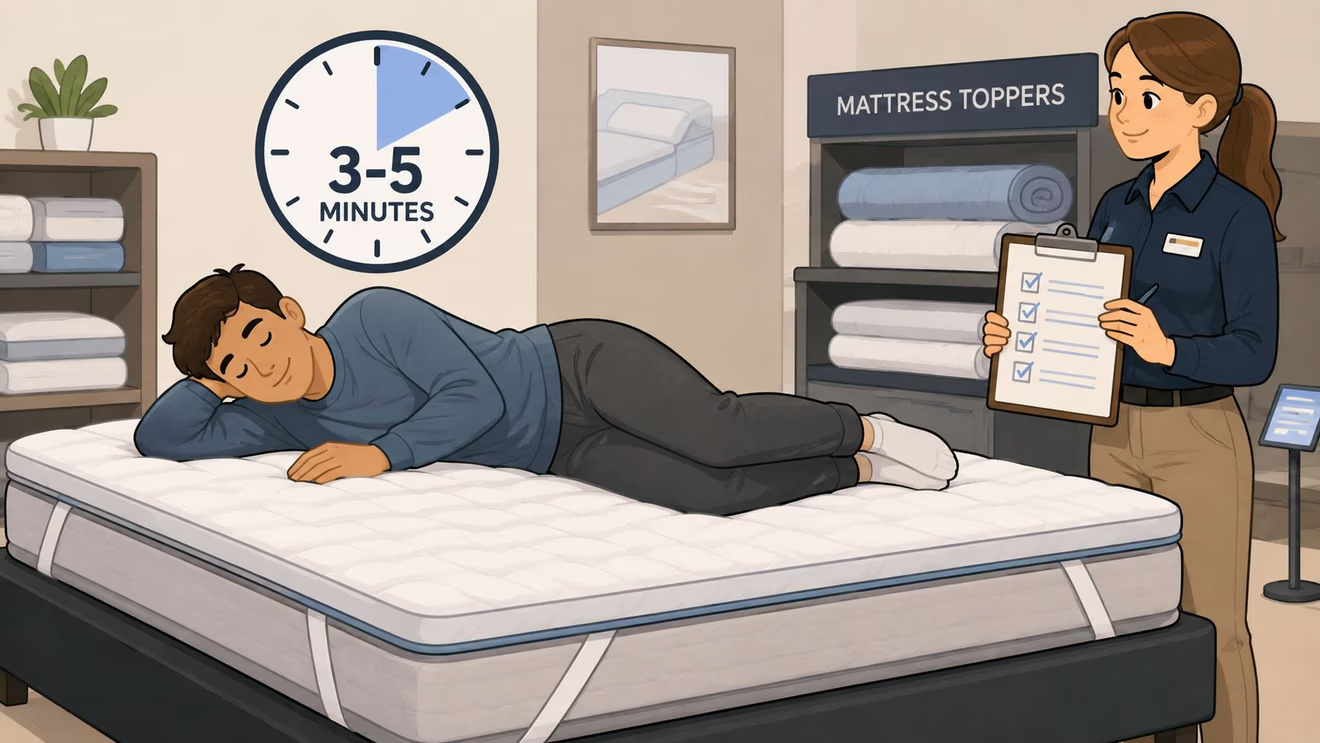
A quick sit-down tells almost nothing. A topper changes as the body warms it and applies pressure, so a useful showroom test should imitate ordinary sleep rather than a hurried furniture trial.
A practical testing sequence
Lie down normally. Stay in the preferred sleep position for several minutes. The body needs time to settle, especially on foam.
Change positions. Roll from the back to the side and back again. A topper should cushion the body without making movement feel trapped or difficult.
Check the lower back. Slide a hand beneath the small of the back. A gentle gap is normal. A hard bridge suggests too much firmness, while a large unsupported space may indicate excessive sink.
Test recovery. Press a palm into the topper, hold briefly, release, and watch the impression return. Faster recovery generally feels more responsive and makes turning easier.
Bring the partner. Lie down together and notice how movement travels across the surface. Memory foam usually isolates motion more effectively, while latex and springier fills feel more lively.
Test the complete bed. Ask the associate to place the topper over the firm mattress beneath it. The topper's feel depends on the foundation, so testing it alone gives an incomplete answer.
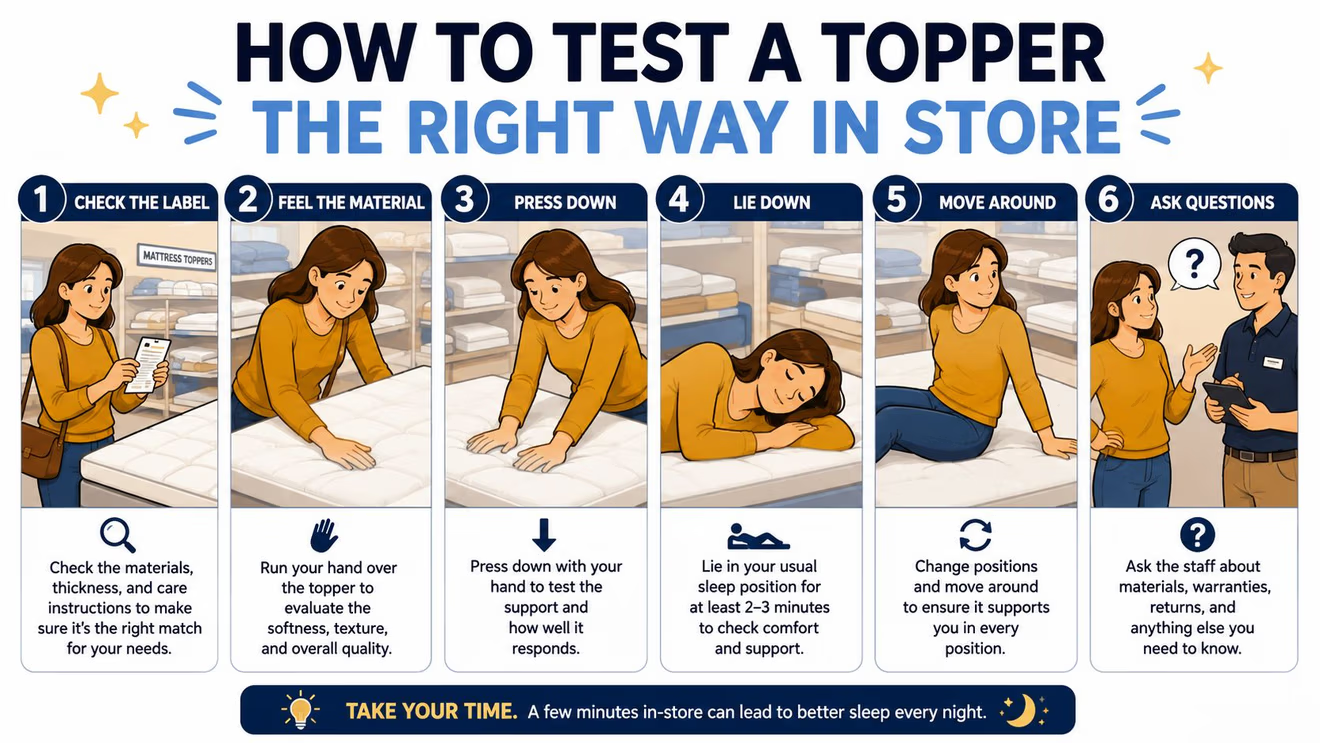
The shopper should wear ordinary sleep clothing rather than a heavy coat and should mention the actual bedroom temperature. A hot sleeper needs to assess breathability, not just initial softness. A partner who sleeps lightly should focus on motion transfer, while a side sleeper should pay attention to shoulder pressure after settling.
No showroom test predicts every night, but it can eliminate obvious mismatches. The right topper should feel supportive in the center, forgiving at the pressure points, and manageable when the sleeper turns.
Care Cleaning Allergies and Real Durability
A luxury topper needs protection from sweat, dust, spills, and unnecessary compression. Care should follow the material, not a generic promise on the packaging.
| Material | Cleaning Method | Allergy Certifications | Expected Lifespan |
|---|---|---|---|
| Memory foam | Spot-clean with mild detergent, never soak | Look for recognized foam certifications and protective encasement | Varies with density and use |
| Latex | Wipe with a damp cloth and mild soap | Look for recognized certifications and washable cover | Dense latex generally lasts longer |
| Wool | Low-suction vacuuming with a brush attachment | Prefer certified or hypoallergenic cover options | Depends on loft and compression |
| Down and feather | Gentle surface cleaning, regular fluffing, and airing | Choose responsibly sourced or encased options | Depends on fill quality and maintenance |
| Hybrid | Follow the most delicate layer's instructions | Check each component and use a protector | Depends on layered construction |
Memory foam should be spot-cleaned with a mild detergent solution. Soaking it can trap moisture inside the slab. Latex needs a damp cloth and mild soap, while wool and down benefit from gentle low-suction vacuuming with a brush attachment, regular airing, and careful redistribution.
Most foam and latex toppers shouldn't go into a washing machine, even when marketing language sounds broad. A removable, washable cover is far more useful than a topper that cannot safely be saturated.
Allergies and warranty details
People with allergies should look for GREENGUARD Gold or CertiPUR-US certifications where applicable, plus a hypoallergenic encasement and a cover that zips off for washing. Those features don't make every sleeper allergy-free, but they create a cleaner barrier and make routine maintenance more practical.
Durability depends heavily on density, fill, profile, body weight, and care. Dense latex and firmer, thinner designs generally resist indentations better than thick, soft constructions. A warranty commonly addresses manufacturing defects, but shoppers should ask about excluded indentation depth, stains, commercial use, and damage caused by improper cleaning.
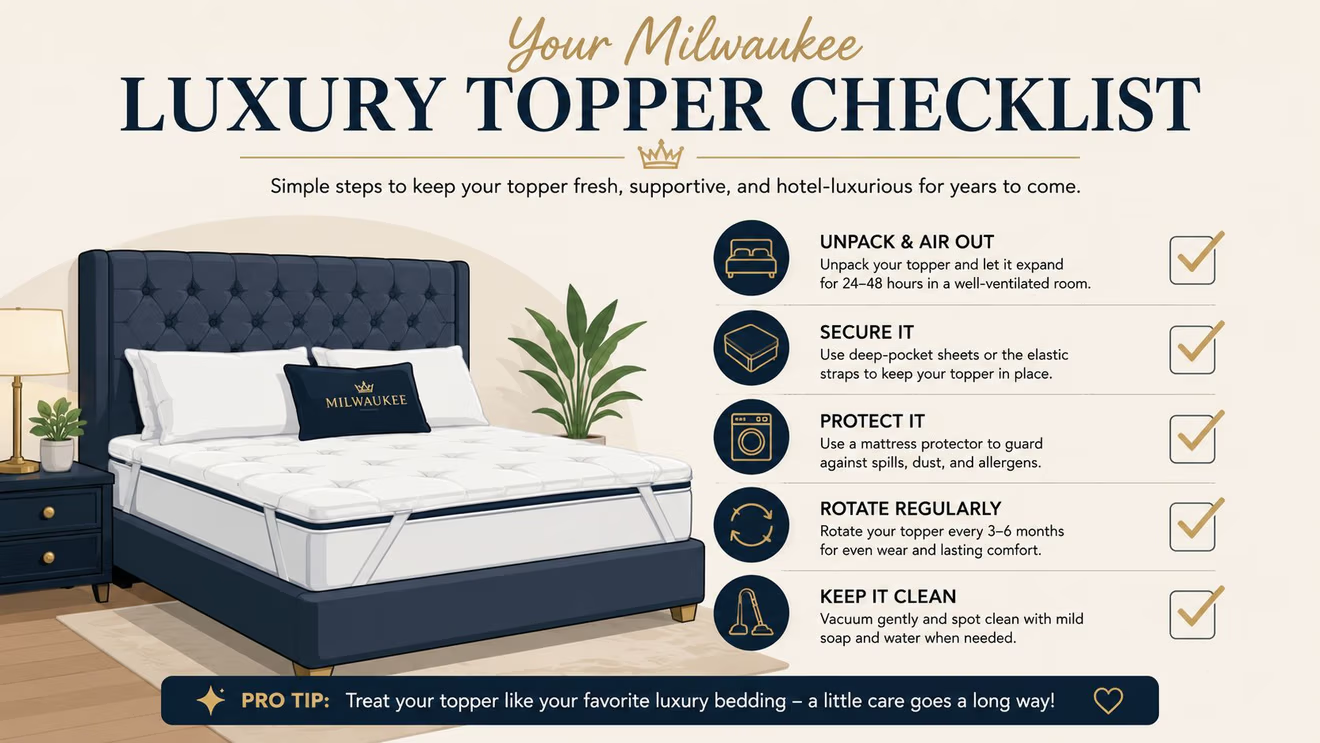
A washable mattress protector is the simplest protection habit. Airing the topper regularly and rotating a hybrid construction can also help distribute compression, provided the manufacturer permits rotation.
Your Milwaukee Luxury Topper Checklist
A showroom visit works best when you arrive with facts about the bed and the sleepers. Start at home, then bring this list to Milwaukee.
- Measure the mattress: Record its size, depth, and fitted-sheet pocket depth.
- Set the priority: Decide whether pressure relief, temperature control, motion isolation, or natural materials comes first.
- Note sleep positions: Identify whether each sleeper mainly sleeps on the side, back, stomach, or in mixed positions.
- Request specifications: Ask for foam density, latex ILD, loft, cover fabric, and the method used to keep the topper in place.
- Read the policy: Confirm comfort-trial terms, return fees, warranty exclusions, stain rules, and required protection.
- Test as a couple: Lie in your usual positions for several minutes, change positions, and repeat the test together.
- Test the complete bed: Judge the topper over the mattress you use, not as a loose layer on its own.
A useful starting point is the 2 to 4 inch range, with memory foam, latex, and microcoils among the common material categories, as described in this mattress topper buying resource. Do not treat thickness as a luxury score. In our Milwaukee showroom walk-through, I look for the right combination of rebound, breathability, and density for the sleeper's body and the room temperature. A side sleeper may need pressure relief, while a warmer sleeper often needs more airflow and faster response.
BILTRITE's four-generation showroom serves Greenfield and Metro Milwaukee. Its mattress department includes over 60 models, and the sales associates bring over 400 years of combined experience. They can help you compare comfort layers in person, without rushing you toward a decision.
The showroom is at 5430 West Layton Avenue in Greenfield, Wisconsin. BILTRITE does not sell online and is closed on Sundays to support family time, so plan on an in-store visit. Ask for Tom or a comfort specialist, test the bed together, and judge the full setup with the same care I would use for a neighbor's bedroom.
BILTRITE Furniture-Leather-Mattresses offers local guidance for shoppers comparing luxury mattress toppers, supportive mattresses, and practical sleep accessories. Visit BILTRITE Furniture-Leather-Mattresses in Greenfield, bring your measurements and sleep preferences, and let the family team match the comfort layer to the people who will use it.