What Size Rug Under Full Bed: 2026 Guide


A full bed is a great middle-ground size. It fits guest rooms, first apartments, kids moving up from a twin, and plenty of cozy primary bedrooms. Then the rug question shows up, and that's where many rooms start to feel tricky. Too little rug, and the bed looks like it's floating. Too much, and the room can feel crowded fast.
That's especially true in Metro Milwaukee homes, where room sizes vary a lot. One bedroom might sit in a classic bungalow with charming but tighter proportions, while another might be in a newer condo or a senior living apartment with a very different layout. The right rug size under a full bed isn't just about style. It affects comfort, walking space, and how finished the room feels.
Finding the Right Rug for Your Full Bed
A bedroom often feels almost done before the rug goes in. The bed is set, the dresser is placed, the bedding looks good, but the space still feels a little bare. That missing layer is usually the rug.
A well-sized rug softens the room and helps the bed feel grounded. It also gives bare feet a softer landing in the morning, a benefit often underestimated. That's why choosing the right size rug under a full bed is less about decoration alone and more about everyday comfort.
Why full beds can be confusing
A full bed sits in the middle of the sizing conversation. It's not as compact as a twin, but it doesn't have the broad footprint of a queen. That makes rug shopping feel less obvious.
Some homeowners look only at the bed size and forget about the path around it. Others choose a rug because they like the pattern, then realize it disappears under the mattress. A better starting point is the room layout first, then the rug.
For anyone wanting a quick visual overview, this guide to area rug sizes helps frame the bigger picture before narrowing in on a full bed.
Practical rule: The rug should look connected to the bed, not hidden by it.
The goal isn't one rigid answer
When furnishing a bedroom, real-life considerations often come into play, unlike a staged showroom. Nightstands might be bulky. The room might be narrow. One side of the bed may sit near a wall. A pet bed, bench, or reading chair may also need floor space.
That's why the best answer usually comes down to this: choose a rug that supports the way the room is used. For many rooms, that means a standard choice. For smaller rooms, it can mean a smarter compromise that still looks balanced.
Your Go-To Rug Size Chart for Full Beds
A full bed measures 54 inches wide by 75 inches long. That matters because the rug should be wider than the bed if the room is going to feel visually balanced.
The most widely recommended choice is a 6' x 9' rug. According to this full bed rug sizing guide, that size gives a 18-to-24-inch coverage zone on both sides and at the foot of the bed frame. For many bedrooms, that's the comfortable middle ground.
Rug Size Recommendations for a Full Bed
| Rug Size | Best For | BILTRITE's Take |
|---|---|---|
| 5' x 8' | Small bedrooms, compact guest rooms, apartments | A sensible choice when floor space is tight and a larger rug would crowd the room |
| 6' x 9' | Most standard full-bed bedrooms | The go-to option for a balanced look and a comfortable step-out area |
| 8' x 10' | Larger bedrooms or layouts with more furniture | A fuller, more connected look that can visually tie more of the room together |
How each option changes the feel
A 5' x 8' rug works when the room itself is the limiting factor. It can still create softness underfoot, but it won't give the same broad frame around the bed as a larger size. This option is often more about space discipline than drama.
A 6' x 9' rug is usually the easiest answer for homeowners who want a room to feel complete without overthinking every inch. It tends to create the “that looks right” reaction.
An 8' x 10' rug changes the mood. The room feels more layered and substantial. In a larger bedroom, that extra rug can help the bed, side furniture, and surrounding floor feel more connected.
Where readers often get mixed up
The confusion usually starts when bed size and room size get blended together. A full bed can support more than one rug size, but the room has the final vote.
Here's a simple perspective:
- Choose 5' x 8' when the room is compact and clear walking space matters most.
- Choose 6' x 9' when a homeowner wants the standard answer for a full bed.
- Choose 8' x 10' when the room is larger and the rug needs to carry more visual weight.
This guide to full-size bed dimensions helps show why rug sizing starts with the bed footprint but shouldn't end there.
A rug under a full bed should support the room, not fight it.
Smart Rug Placement Strategies
Size matters, but placement decides whether the rug feels good in daily use. A rug can be the right dimensions and still look awkward if it's shoved too far under the bed or left floating too far out.
The most comfortable layouts usually share one thing. They leave soft rug where people step.
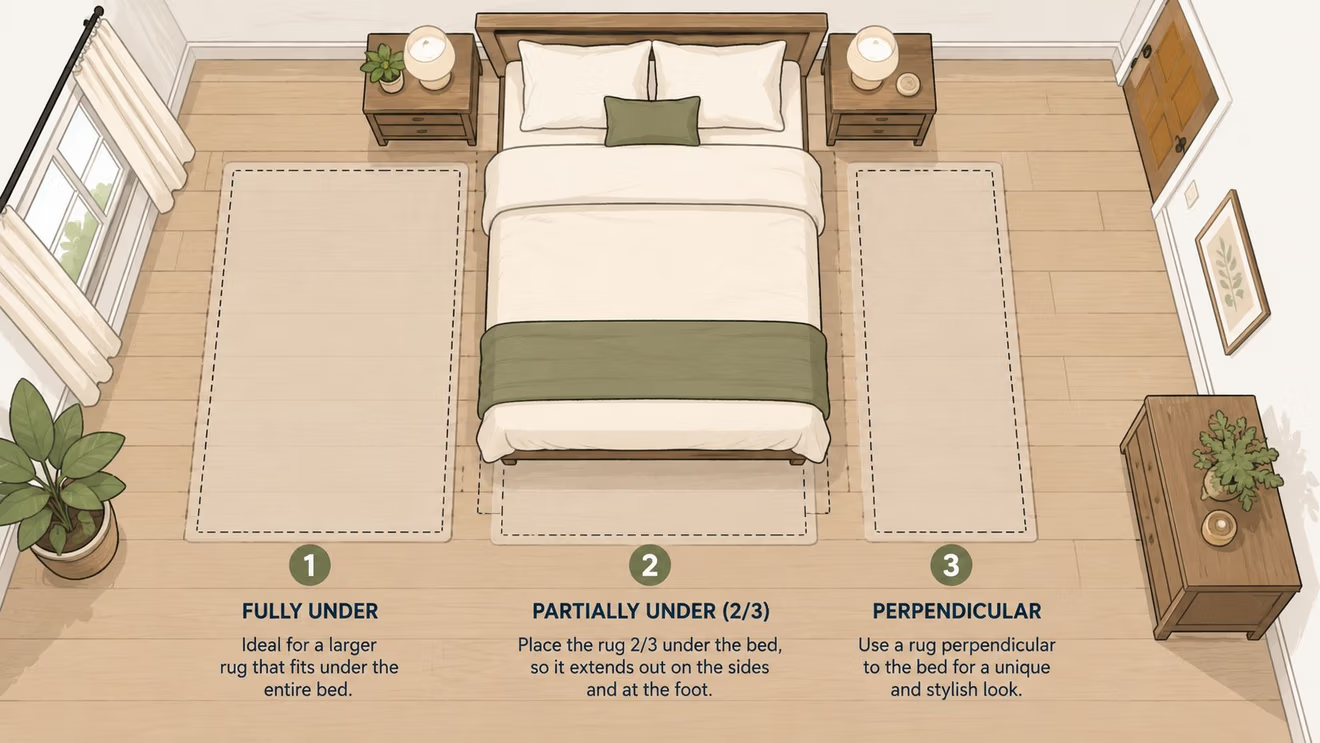
The landing strip layout
This is the most common setup for a full bed. The rug sits under the lower portion of the bed rather than under the headboard wall and nightstands.
The method is straightforward. This placement guide says the expert-standard setup uses a 6' x 9' rug placed lengthwise with 18 to 24 inches of rug showing on both sides and at the foot. It also notes that this approach meets the foot-touch need for 92% of standard bedroom layouts where nightstands stay off the rug.
That's a strong reason this placement remains so popular. It looks neat, feels comfortable, and doesn't force every piece of furniture onto the rug.
The full furniture layout
Some rooms have enough floor space to use a larger rug under the bed and nearby furniture. This setup gives the room a more pulled-together appearance because more elements sit on one shared foundation.
This can work well when the bedroom has more open area around the bed and a homeowner wants the rug to feel like part of the room's structure, not just a soft strip at the foot.
The side-runner approach
Sometimes one large rug isn't the best answer. If a room is narrow, or if the homeowner wants to show more flooring, runners on each side of the bed can solve the comfort problem without taking over the room.
This tends to work well in practical spaces such as guest rooms, smaller city bedrooms, or rooms with furniture that already fills much of the perimeter.
Helpful layout planning matters just as much as rug size. This bedroom guide on how to arrange bedroom furniture can help make the whole floor plan feel more intentional.
Keep the rug where feet actually land. That's what makes the room feel comfortable instead of merely decorated.
Styling Your Rug for a Cohesive Look
Once the size and placement are settled, the fun part begins. The rug becomes more than a measurement problem. It becomes one of the main pieces that shapes the mood of the room.
A bedroom rug can quiet the look of a space or wake it up. It can soften strong wood tones, add warmth to painted furniture, or bring a little depth to a room that feels too flat.
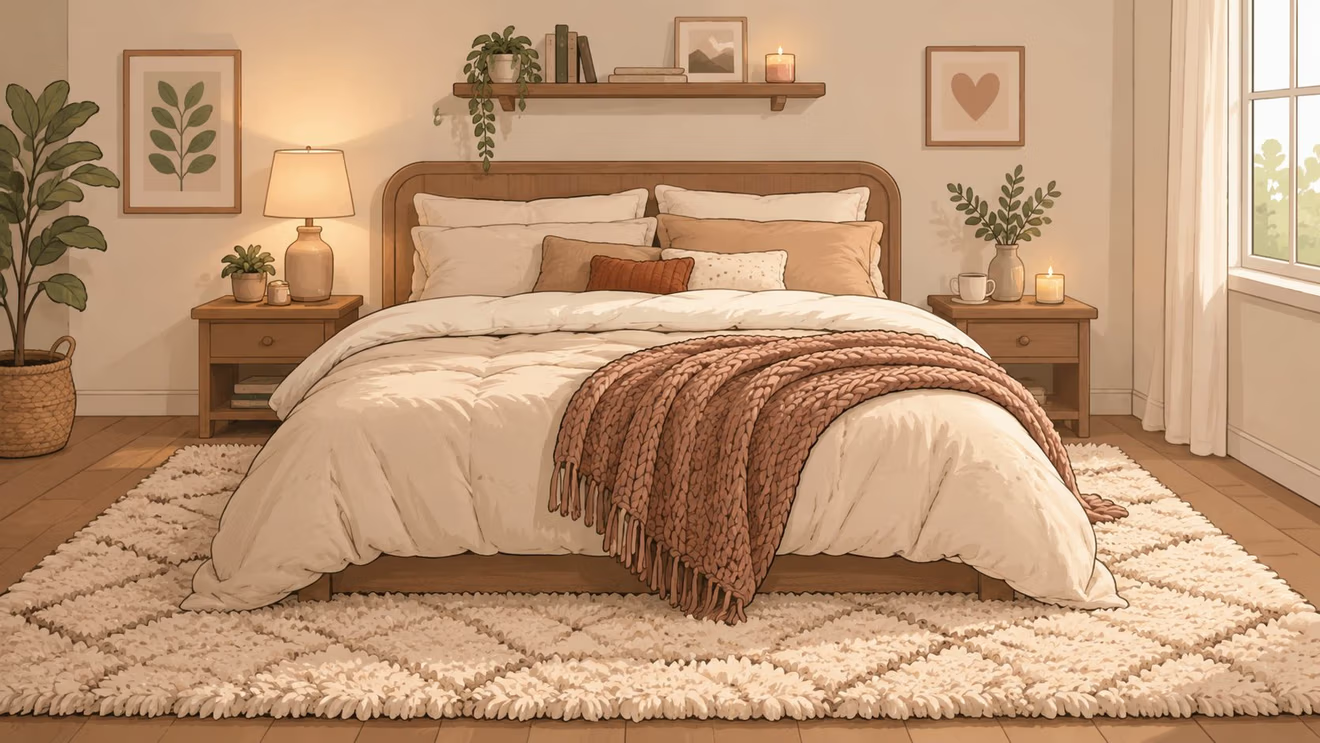
Start with texture
Texture changes the room faster than people expect. A plush rug gives the bedroom a softer, more tucked-in feel. A lower-pile rug feels cleaner and more defined.
Both can work well under a full bed. The better choice depends on the room's personality and who uses it. A primary bedroom may lean softer. A guest room or busier family bedroom may benefit from a flatter, easier-care surface.
Use color to support the room
The rug doesn't have to be the loudest thing in the bedroom. Sometimes the best choice is a quieter neutral that lets the bed, bedding, and case pieces do the talking.
Other times, the rug is exactly where a room needs some life. In that case, the easiest route is to pull a color already used somewhere else in the space, such as a pillow, throw, curtain, or artwork. That creates connection without making the room feel forced.
A few dependable styling directions:
- Warm neutrals work well when the goal is calm and inviting.
- Soft patterns help hide everyday wear while still adding interest.
- Deeper tones can anchor a lighter bed and keep the room from feeling washed out.
Let the bed and rug work together
Solid wood beds, especially those with visible grain and warmth, pair beautifully with rugs because the contrast feels natural. The firmness of wood and the softness of textile balance each other.
That's often why bedrooms with quality wood furniture feel more complete once the rug is in place. The rug doesn't compete with the bed. It supports it.
A good rug doesn't steal attention from the bed. It helps the whole room make sense.
Special Considerations for Milwaukee Homes
Metro Milwaukee homes rarely follow one formula. A full bed in a Bay View bungalow bedroom has different needs than a full bed in a downtown apartment or a senior living suite. Rug advice works best when it respects that reality.
That's one reason generic charts can fall short. They usually assume a roomy layout, but many local bedrooms have tighter clearances, radiator placements, older trim lines, or narrow walkways.
Small apartments and compact bedrooms
A key issue in smaller spaces is floor perimeter. Leaving some visible floor around the outer edge of the room often helps the room breathe visually instead of feeling boxed in.
That matters because this discussion of small-room rug placement notes an underserved issue in 2024 to 2026 Milwaukee micro-apartments and senior living units, where a standard 6' x 9' rug may overwhelm a room under 100 square feet. In those rooms, a 5' x 8' or even a runner-based setup can make more sense than following a standard chart too rigidly.
Senior living and safer layouts
For senior living spaces, comfort and safety need to work together. A very thick rug can feel cozy, but a lower-profile surface is often easier to move around the bed.
A stable placement also matters. One larger, properly positioned rug is often easier to live with than multiple loose small rugs that can shift or bunch up.
Some practical priorities for these rooms include:
- Clear walking paths so movement around the bed feels easy
- Lower-pile surfaces that are easier underfoot
- Simple placement that avoids awkward edges in major step zones
Real-world rooms need real-world judgment
A homeowner might love the standard answer and still need something different because the room is narrow, one side of the bed is near a wall, or extra furniture takes up more floor than expected.
That's where scale becomes more important than strict rules. This guide to the best furniture for small spaces reflects the same principle. Smaller rooms work best when each piece earns its footprint.
Come Say Hi and Find Your Rug at BILTRITE
Choosing the right size rug under a full bed gets easier once the room is viewed as a whole. The bed size matters. The layout matters. The way the room feels to walk through every day matters just as much.
For some bedrooms, the standard answer will feel right. For others, the smarter move is scaling down to fit the room better. One published guideline tied to a full-size bed says a 5 feet by 8 feet rug can be the optimal under-bed choice, giving roughly 12 to 18 inches of extension beyond the sides and foot for a balanced look, as noted in this Milwaukee feature.
Why seeing it in person still matters
Rugs are one of those home pieces that benefit from being experienced, not guessed at. Texture, color, thickness, and scale all read differently in person than they do on a screen.
That's especially true when the rug needs to work with wood tones, bedding, and room proportions already in place. A rug that looks soft in a photo may feel too flat. A color that seems neutral online may read warmer or cooler in real life.
A local showroom can solve the last bit of uncertainty
That's where a no-pressure conversation helps. A homeowner can walk in with room measurements, a few phone photos, and a sense of what isn't working yet. From there, experienced guidance can narrow the options quickly.
BILTRITE Furniture-Leather-Mattresses has served Metro Milwaukee since 1928, and the showroom experience reflects that long family history. The store is family-owned, proud to be local, and closed on Sundays to protect family time. The team brings over 400 years of combined experience, and shoppers can also explore a mattress department with over 60 models.
For anyone ready to see pieces in person instead of relying on online guesswork, the BILTRITE locations page makes it easy to plan a visit to Greenfield.
A bedroom should feel welcoming the moment someone walks in. The right rug helps get it there.
BILTRITE Furniture-Leather-Mattresses has been helping Metro Milwaukee families furnish their homes since 1928 with better-quality furniture, mattresses, and home pieces built for real life. For anyone sorting out the right rug, bed, or bedroom layout, BILTRITE Furniture-Leather-Mattresses welcomes visitors to the Greenfield showroom for friendly, knowledgeable help and an in-person look at what feels right at home.